
Oklahoma City Real-Time AQI Tracker


Get Alerts For Unhealthy AQI In Your Area
When air quality in your area reaches unhealthy levels, we'll send you a quick alert, along with expert tips on how to reduce your exposure.
What's Actually In Oklahoma City Air Today?
What High AQI Means for Your Lungs in Oklahoma City
How to Read AQI
The Air Quality Index (AQI) measures how polluted the air is and how it may affect your health.
0–50 (Good): Air quality is satisfactory.
51–100 (Moderate): Acceptable, but some pollutants may pose minor concerns.
101–150 (Unhealthy for Sensitive Groups)
151–200 (Unhealthy)
201–300 (Very Unhealthy)
301+ (Hazardous)
Moderate
Still okay for most, but if you have asthma or allergies, take it easy and avoid long outdoor workouts.
Shop MERV 11 filters→What's the Right Filter for Your AQI Level?


Safe to Be Outside in OKC Today? Live Oklahoma City, OK AQI Air Quality Index Map Right Now
Live Oklahoma City Air Quality Right Now
Oklahoma City's AQI can climb 80 points between morning coffee and the school pickup line. A reading of 45 at 8 a.m. turns into an unhealthy 130 by 3 p.m. on a hot July afternoon, and the kids you let walk to the park are now breathing different air than when they left the house. The live map at the top of this page catches that shift the moment it happens, pulled straight from federal monitoring stations across the metro.
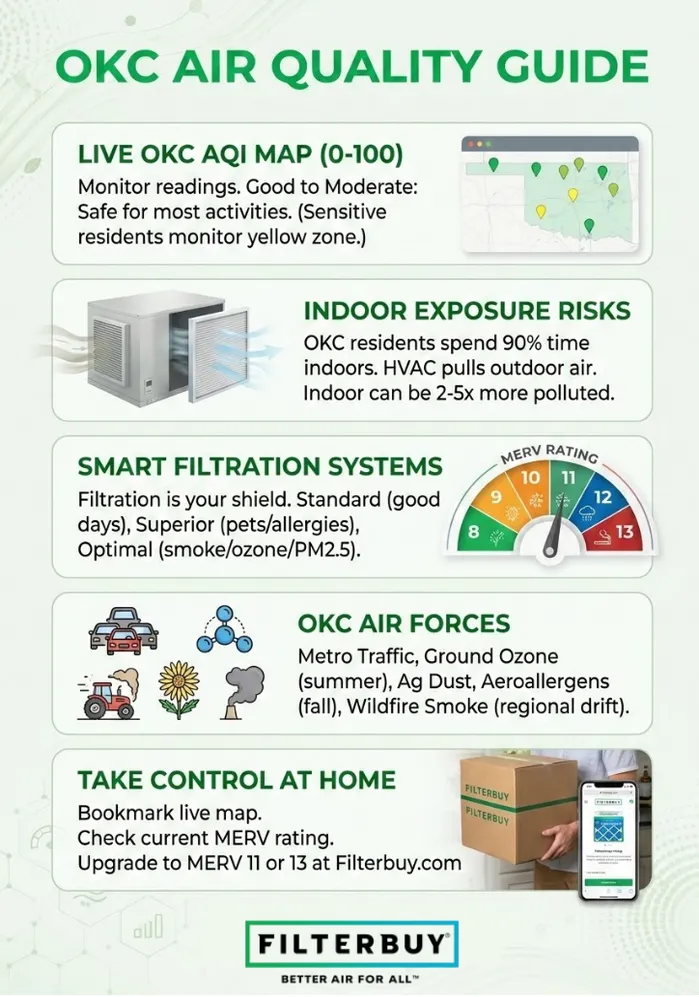
Most Oklahoma City residents stop reading the AQI right there at the outdoor number. That skips the part where the air actually does its damage. Your family spends roughly nine of every ten hours indoors, breathing whatever your HVAC system can or cannot filter out. At Filterbuy, we're obsessed with that gap between the outdoor reading and the indoor reality, and this page is built to help you close it.
TL;DR Quick Answers
Is It Safe to Be Outside in OKC Today?
Check the live AQI map at the top of this page. Under 100 is generally safe for everyone. Between 101 and 150, children, seniors, and anyone with asthma should pull back on long outdoor exertion. Over 150, everyone should cut back.
Where Does the Live OKC AQI Data Come From?
EPA AirNow monitoring stations across the metro, refreshed hourly. The same federal data feeds local TV weather, weather apps, and the Oklahoma DEQ reports.
What Hurts OKC's Air the Most?
Traffic on I-35, I-40, and I-44, summer ground-level ozone, ragweed in the fall, drift dust from western Oklahoma, and transported wildfire smoke from regional fires.
What Should I Do Indoors When AQI Is High?
Close the windows. Run your HVAC continuously to keep air moving through the filter. Step up to Merv 11 or Merv 13 filtration. Change the filter more often during high-AQI weeks.
Top Takeaways
Oklahoma City's outdoor AQI directly impacts the air you breathe at home. Your HVAC system pulls outdoor air inside all day, so what shows on the map ends up on your filter.
The OKC metro consistently earns failing grades for ozone. Summer is the highest-risk season, with heat-driven smog and stagnant air hitting downtown and Edmond hardest.
Indoor air can be 2 to 5 times more polluted than outdoor air. That gap widens fast on poor-AQI days unless your filtration is keeping pace with what is happening outside.
Match your Merv rating to the season and the AQI. Merv 8 for good days, Merv 11 for allergy and pet households, Merv 13 for smoke and ozone events.
Live data beats next-day forecasts when you have a same-day decision. Use the map above before workouts, school drop-off, and any extended outdoor time.
How to Read the Live Oklahoma City Air Quality Index Map
The AQI scale runs from 0 to 500, and lower numbers mean cleaner air. The Wikipedia reference page on the air quality index walks through the technical formula if you want the math. For deciding what to actually do in the next two hours in Oklahoma City, here is what each tier means on the ground.
0 to 50 (Good)
Send the kids to the park. Go for the run. The green zone is safe for everyone, including anyone managing asthma or COPD.
51 to 100 (Moderate)
Most OKC residents are fine in the yellow zone. People who are unusually sensitive may notice symptoms after long stretches of outdoor exertion, so pace accordingly.
101 to 150 (Unhealthy for Sensitive Groups)
Once orange hits, children, seniors, pregnant residents, and anyone with asthma, COPD, or heart disease should pull back on long outdoor exposure. Summer afternoons in OKC live in this band more often than most residents realize.
151 to 200 (Unhealthy)
Everyone should cut back. Move workouts indoors. Keep an eye on the kids if they are outside. The red zone is when the call gets simple: bring it inside.
201 and Above (Very Unhealthy to Hazardous)
Cancel the outdoor plan. Close the windows. Run your HVAC continuously so the filter cleans the air on a loop. Purple and maroon readings in Oklahoma City almost always trace back to major wildfire smoke events or rare dust storm conditions, and they demand a household response.
What Drives Oklahoma City's Air Pollution
Five forces shape OKC's AQI on any given bad-air day. Traffic along I-35, I-40, and I-44 pumps nitrogen oxides and particulates into the metro air. Summer heat cooks those emissions into ground-level ozone whenever the wind dies down. Agricultural dust drifts in from western Oklahoma during the dry months. Ragweed and other aeroallergens explode across the metro in late summer and fall. Smoke from fires in Texas, New Mexico, or Colorado can reach Oklahoma City within 24 to 48 hours when the upper-level winds align. When transported smoke is the issue, our Oklahoma City wildfire smoke map gives you the source tracking that the AQI number alone cannot show.

Oklahoma City Air Quality by Season
Spring (March to May)
Wind from the west drives dust into the metro at the same time oak, cedar, and elm trees are dumping pollen across the air. Our Oklahoma customers replace filters faster in April and May than in any other spring weeks. The reason is straightforward: outdoor allergens are hammering the air outside and the air your HVAC keeps recirculating inside.
Summer (June to August)
Ozone is the season's main concern. Heat above 90 degrees combined with stagnant air and traffic emissions creates the ozone alerts that have earned the Oklahoma City-Shawnee metro failing grades in American Lung Association reports for years running. Summer afternoons are the highest-risk window of the year.
Fall (September to November)
Ragweed dominates the metro air through October, and regional wildfire smoke can drift in on top of it. Asthma and allergy flare-ups peak in this stretch. Even households that ran cleanly all summer tell us their indoor air feels different in October.
Winter (December to February)
Temperature inversions trap pollutants from home heating and vehicle traffic close to the ground. AQI readings can spike on still, cold mornings, especially in the lower elevations near the North Canadian River.
Real-Time Versus Forecast Air Quality Data for OKC
The map at the top of this page refreshes hourly from EPA AirNow monitoring stations across the metro. That is different from the next-day forecast your weather app shows you. The live reading tells you what is in the air right now. The forecast tells you what tomorrow is expected to look like. Both have a place, but only the live reading helps you decide whether the next two hours outside make sense for your family.
Air quality also varies across the metro in ways the citywide number hides. Edmond often reads differently than Bricktown, and Lake Hefner can swing 10 to 20 AQI points off downtown on a given afternoon. The live map captures that variation so you can plan around the neighborhood you actually live in.
Protecting Indoor Air When Oklahoma City's AQI Climbs
Your HVAC system pulls outdoor air into your home all day, filters part of it, and recirculates the rest. When the AQI outside climbs, the load on your filter climbs right along with it. The Merv rating you choose is what decides how much of that load actually gets caught.
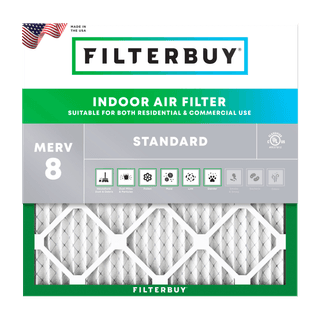
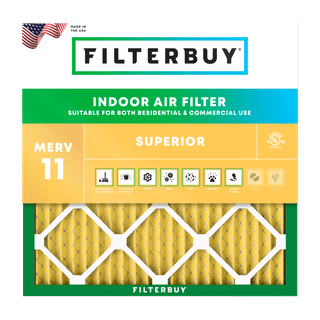
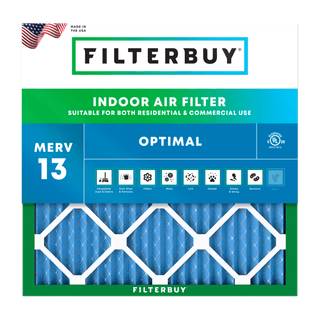
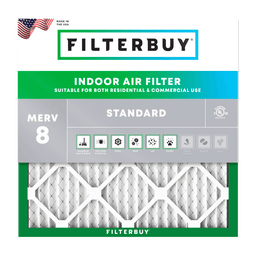
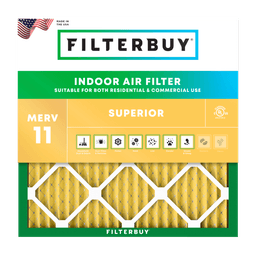
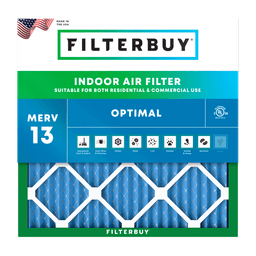
Merv 8 handles basic dust and pollen on good-air days and works fine through most spring and winter conditions. Merv 11 catches finer pet dander, smaller allergens, and the mid-grade particulate that comes with ragweed season. Merv 13 captures wildfire smoke particles, PM2.5, and bacteria, which is the level you want during summer ozone alerts and any active smoke events. Households that step up filtration during high-AQI windows tell us their respiratory symptoms ease within days.
"After manufacturing filters for over a decade and serving more than two million households, we have learned that what shows on Oklahoma City's air quality map directly predicts how hard the filter inside your HVAC system will work that week. Watching the outdoor number is step one. Matching your filtration to that number is what actually protects the air your family breathes at home."
— Filterbuy Team
7 Trusted Sources Every Oklahoma City Family Should Bookmark
These are the seven references we point Oklahoma City customers to when they want to verify the AQI on this page, understand what is actually being measured, and learn how outdoor air affects their household.
1. Track Live Oklahoma City AQI Through the Federal Monitoring Network
AirNow is the official EPA-run platform that pulls real-time data from regulatory-grade monitors across the state. We cross-check our own customer guidance against AirNow before recommending anything, and the state-level Oklahoma view is the fastest way to confirm what you see on the map above.
Source: https://www.airnow.gov/state/?name=oklahoma
2. Understand the Five Pollutants Behind Every AQI Reading
The Environmental Protection Agency runs the master Air Quality Index program for the United States, and this page lays out which pollutants drive every reading you see. We point customers here when they want the technical primer on what the AQI actually measures.
Source: https://www.epa.gov/air-quality
3. See What Oklahoma's Environmental Agency Tracks in Your Air
The Oklahoma Department of Environmental Quality runs the state's network of in-state monitors that feed both federal and local air quality data. Their current air quality and forecasts page is as close as you can get to the source of every reading on this page.
Source: https://oklahoma.gov/deq/divisions/air-quality/ambient-monitoring/current-air-quality-forecasts.html
4. Compare Oklahoma City's Air to the Rest of the Country
The American Lung Association grades every U.S. metro on ozone and particle pollution in its annual State of the Air report. The Oklahoma City-Shawnee metro page tells you how your hometown actually stacks up against the rest of the country and where the trend is heading.
Source: https://www.lung.org/research/sota/city-rankings/msas/oklahoma-city-shawnee-ok
5. Recognize the Symptoms High-AQI Days Can Trigger in Your Family
The Centers for Disease Control and Prevention has put together the clearest plain-language summary of how outdoor air pollution affects asthma, heart disease, and children's developing lungs. We send customers here when they ask why their kid suddenly has a cough on hazy summer afternoons.
Source: https://www.cdc.gov/air-quality/about/index.html
6. Know Which Oklahoma Allergens Pair With Pollution Spikes
The American Academy of Allergy, Asthma and Immunology is the leading clinical body for allergy science in the United States. Their hay fever and pollen reference is the most reliable place to learn when ragweed, cedar, oak, and grass pollens peak in places like Oklahoma City.
Source: https://www.aaaai.org/tools-for-the-public/conditions-library/allergies/hay-fever-and-pollen-counts
7. Read the Peer-Reviewed Case for Indoor Air Filtration
The National Institutes of Health PubMed Central archive hosts the peer-reviewed research on how environmental air pollution affects respiratory health. This review lays out the medical case for taking indoor filtration seriously when you want research instead of marketing copy.
Source: https://pmc.ncbi.nlm.nih.gov/articles/PMC11341277/
3 Numbers That Change How You Think About Oklahoma City's Air
After helping more than two million customer households across the country clean up their indoor air, we have learned which numbers actually move the needle on the decisions that follow. These three do.
1. Indoor Air Can Be 2 to 5 Times More Polluted Than Outdoor Air
EPA studies of human exposure consistently find that pollutant concentrations run 2 to 5 times higher inside homes than outside, regardless of whether the home sits in a rural or industrial area. Americans spend roughly 90 percent of their time indoors, which means the air inside your Oklahoma City home is doing most of the breathing work for your family.
Source: https://www.epa.gov/report-environment/indoor-air-quality
2. 129 Million Americans Live in Counties Failing for Ozone
The latest State of the Air report found that roughly 129 million people in the U.S. live in counties with failing grades for ozone pollution. Oklahoma is one of seven states where unhealthy ozone days are actively increasing rather than improving. Oklahoma City sits squarely inside that worsening trend.
Source: https://www.lung.org/research/sota/key-findings/ozone-pollution
3. PM2.5 Particles Pass Through Your Lungs Into Your Bloodstream
PM2.5 is small enough to slip past your body's natural defenses, reach the deepest parts of the lungs, and cross directly into the bloodstream. That is why summer ozone, wildfire smoke, and dust storms in OKC carry health risks well beyond a scratchy throat, and it is why the AQI weights particle pollution so heavily when it sets the daily warning level.
Source: https://www.cdc.gov/air-quality/pollutants/index.html
What Filterbuy Wants Oklahoma City to Know About Its Air
Oklahoma City carries three air quality pressures at once that most U.S. metros face one at a time. Wind from the west drives dust into the metro every dry season, summer heat cooks traffic emissions into ozone that has earned OKC failing grades from the American Lung Association for years, and smoke from fires in Texas, New Mexico, and Colorado can reach the city in under 48 hours when the winds line up. Checking the live AQI before you head outside is a good habit. Building an indoor filtration plan that holds up against the worst of all three pressures is what actually keeps your family protected.
Here is the part we wish more Oklahoma City households would hear. Most homes are running Merv 8 filters year-round because Merv 8 is what the big-box hardware stores stock in pre-cut sizes. Merv 8 does the job on good-air days. It is not enough on the bad days, and the bad days are the ones that send kids to urgent care and trigger asthma flares. Moving up to Merv 11 or Merv 13 during ragweed season, summer ozone alerts, and smoke events is the single change that pays the biggest dividend for the air your family actually breathes at home.
Three Steps to Take Before Today's AQI Gets Worse
Bookmark this page on your phone so the live map is always one tap away. Check it first thing in the morning, before any workout, and before the kids head outside. Five seconds of awareness can save you an afternoon of regret.
Pull out your current air filter and check the Merv rating printed on the frame. If it reads below Merv 11 and you are heading into ragweed season, an ozone alert window, or a smoke event, plan an upgrade this week.
Order a replacement filter sized to your HVAC system at Filterbuy.com. We make over 600 sizes from our American factories and can custom-cut any dimension you need, shipped directly to your Oklahoma City home.
Frequently Asked Questions
Start Protecting the Air Your Oklahoma City Family Breathes Indoors
Now that you can see exactly what is in Oklahoma City's air today, take control of what your family actually breathes when they walk back through the front door. Find your filter size at Filterbuy.com and pair the right Merv rating to today's air so the next AQI spike does not catch your household unprotected.