
Albuquerque Real-Time AQI Tracker


Get Alerts For Unhealthy AQI In Your Area
When air quality in your area reaches unhealthy levels, we'll send you a quick alert, along with expert tips on how to reduce your exposure.
What's Actually In Albuquerque Air Today?
What High AQI Means for Your Lungs in Albuquerque
How to Read AQI
The Air Quality Index (AQI) measures how polluted the air is and how it may affect your health.
0–50 (Good): Air quality is satisfactory.
51–100 (Moderate): Acceptable, but some pollutants may pose minor concerns.
101–150 (Unhealthy for Sensitive Groups)
151–200 (Unhealthy)
201–300 (Very Unhealthy)
301+ (Hazardous)
Moderate
Still okay for most, but if you have asthma or allergies, take it easy and avoid long outdoor workouts.
Shop MERV 11 filters→What's the Right Filter for Your AQI Level?
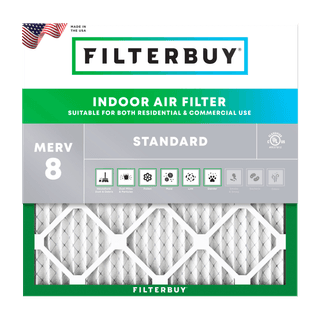
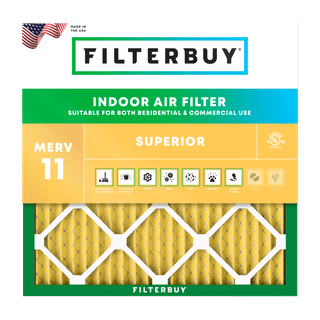
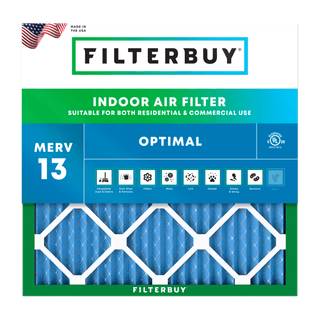
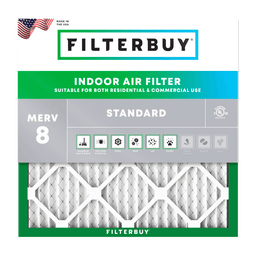
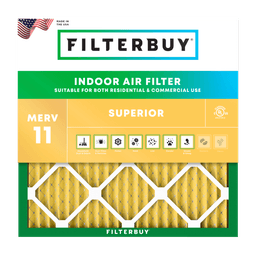
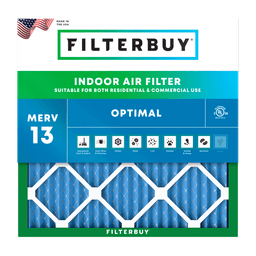

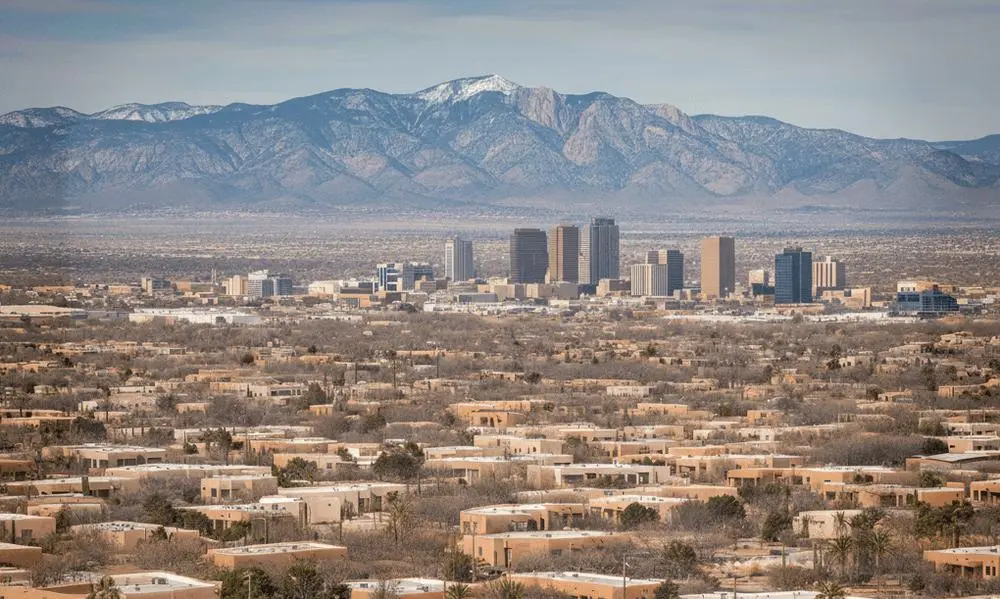
Live Air Quality Index AQI Map Albuquerque New Mexico Today | Filterbuy.com
By producing millions of air filters and having the experience of returning to people around New Mexico of what they had returned to us of dust choked filters stained with desert particulates, smoke resulting in smoke seasons and the accumulation of pollen each year that is the most severe in the spring season, we know, firsthand, how radically the quality of local air can change the kind of air that your family is breathing.
This live AQI map is used to show you the unseen dangers in Albuquerque's air today. In the outdoor situation where the temperature skyrockets, your air system is overworked, and knowing the real-time air quality will allow you to safeguard your house before pollutants are allowed to enter your home. That is what proactive protection is all about: to make you the hero of the air quality at home.
TL;DR Quick Answers
Live Air Quality Index AQI Map Now Today in Albuquerque New Mexico
Best real-time resources:
EPA AirNow New Mexico – Official, continuously updated
AirNow Fire and Smoke Map – Wildfire plume tracking
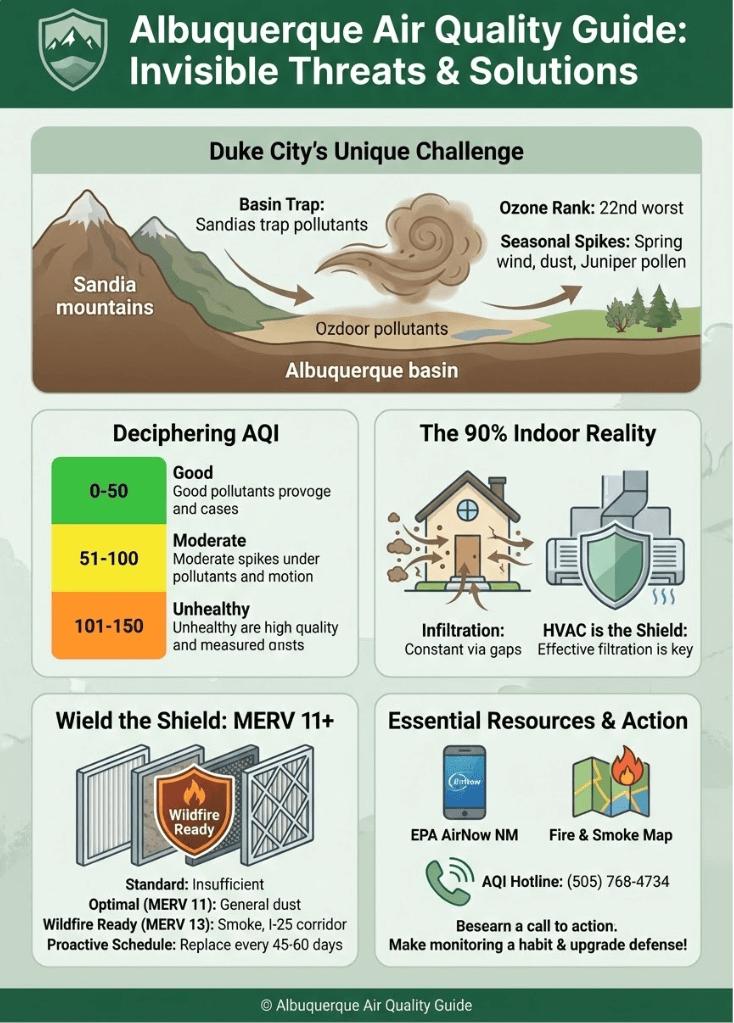
Albuquerque AQI Hotline: (505) 768-4734
What the numbers mean:
0–50: Good
51–100: Moderate
101–150: Unhealthy for sensitive groups
151+: Limit outdoor activity
What we tell Albuquerque customers:
Check the AQI every morning—not just during visible smoke events. By the time you smell smoke or see haze, your HVAC has already been pulling particulates inside for hours. Pair daily monitoring with MERV 11+ filtration to protect your indoor air when outdoor conditions spike.
Top 5 Takeaways
Monitor AQI daily—not just during smoke events.
Albuquerque ranks 22nd worst in the nation for ozone pollution
By the time you see haze or smell smoke, particulates are already inside
Indoor and outdoor air are directly connected.
You spend 90% of your time indoors
Pollutants enter through gaps, cracks, and doors
They circulate until your filter captures them
MERV 11 or higher is appropriate for Albuquerque.
Standard fiberglass filters let fine particulates pass through
Thousands of returned filters from New Mexico homes confirm the difference
Albuquerque's geography creates rapid AQI swings.
Basin location traps pollutants.
Temperature inversions, wildfire smoke, and dust events shift conditions within hours.
Daily monitoring beats assumptions
Your HVAC system is your home's first line of defense.
It runs around the clock
The right filter traps harmful particulates
The wrong filter just moves contaminated aifrom r room to room
Understanding The Region’s Air Quality Index
This index measures pollutant concentrations on a scale from 0 to 500, with lower numbers indicating cleaner air. For Albuquerque residents, AQI readings typically reflect levels of ground-level ozone, particulate matter (PM2.5 and PM10), and seasonal pollutants unique to the high desert environment.
What Affects Its Air Quality
Several factors influence daily air quality index readings in the Duke City:
Desert dust and windblown particulates present year-round challenges, especially during spring when sustained winds sweep across the mesa.
Wildfire smoke from fires in the Jemez, Sandia, and Manzano mountains—or even distant blazes in Arizona and Colorado—can rapidly elevate levels with little warning.
Vehicle emissions along the I-40 and I-25 corridors contribute to ozone formation, while juniper and cottonwood pollen create seasonal spikes that impact allergy sufferers throughout the Rio Grande Valley.
Categories and Health Recommendations
0-50 (Good): Air quality poses little to no risk. Ideal conditions for outdoor activities.
51-100 (Moderate): Acceptable for most people, though unusually sensitive individuals may experience minor irritation.
101-150 (Unhealthy for Sensitive Groups): Children, older adults, and those with respiratory conditions should limit prolonged outdoor exertion.
151-200 (Unhealthy): Everyone may begin experiencing health effects. Consider reducing outdoor activities.
201-300 (Very Unhealthy): Health alert—significant risk for all groups. Stay indoors when possible.
301+ (Hazardous): Emergency conditions. Avoid all outdoor activity.
Protecting Your Indoor Air When Outdoor Levels Spike
When outdoor conditions deteriorate, your indoor air doesn't automatically stay clean. Your system pulls in outside air, and without proper filtration, those same pollutants circulate through your home.
During the elevated ranges, keep windows and doors closed and run your filtration unit with a quality pleated filter rated MERV 11 or higher to capture fine particulates. Check your filter more frequently during wildfire season or dust events.
Why Local Air Quality Monitoring Matters
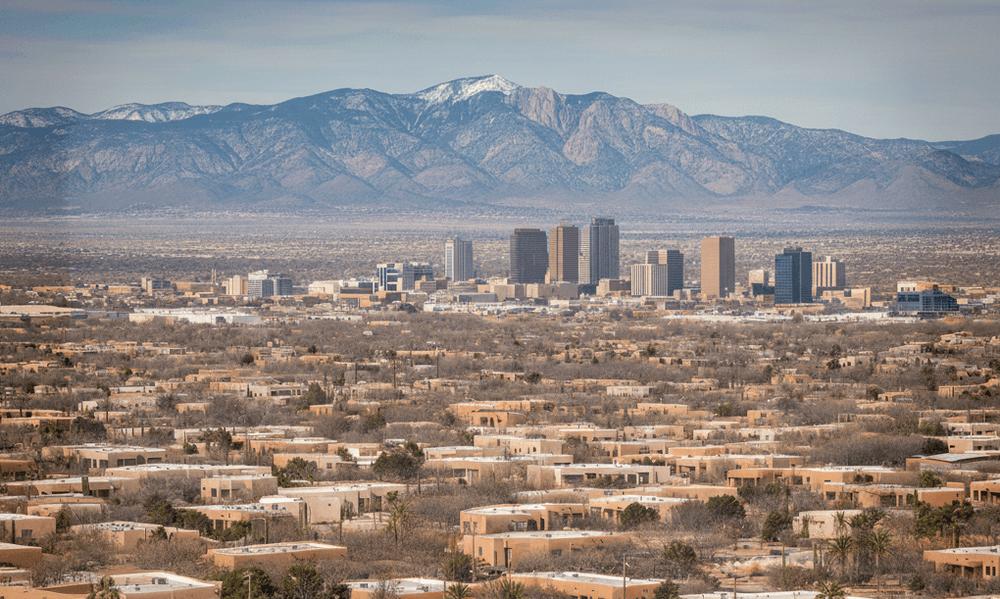
Understanding real-time conditions helps you make smarter decisions about everything from planning a family hike in the Sandias to knowing when to replace your air filter more frequently.
By staying informed about your area’s air quality patterns, you're taking an active role in protecting your family's respiratory health—both outside and within the walls of your home.
"After reviewing thousands of used filters returned from New Mexico customers, we've seen firsthand how Albuquerque's unique combination of desert dust, high altitude, and wildfire exposure creates some of the most demanding conditions for home air filtration in the country—which is exactly why monitoring your local AQI and staying ahead of filter changes makes such a significant difference for families in this region."
-The Filterbuy Team
Essential Resources for Monitoring Albuquerque Air Quality
Don't take your outdoor air for granted—what's happening outside directly affects what your family breathes inside.
These seven resources help you see the invisible threats in the area’s air so you can take action before pollutants make their way into your home.
1. EPA AirNow New Mexico – Your Go-To for Official AQI Data
This is where air quality monitoring starts. The EPA's real-time readings and forecasts give you the reliable baseline you need to plan outdoor activities and know when to keep windows closed.
Resource: https://www.airnow.gov/state/?name=new-mexico
2. City of Albuquerque Daily AQI Report – Local Conditions Updated Every Morning
Your neighbors at the Albuquerque-Bernalillo County Air Quality Program publish daily updates by 8 a.m. every weekday. Pro tip: Save their phone hotline—(505) 768-4734—for quick checks when you're away from your computer.
Resource: https://www.cabq.gov/airquality/todays-status
3. AirNow Fire and Smoke Map – See Wildfire Smoke Before It Reaches You
Here's something we've learned from customers in fire-prone areas: by the time you smell smoke, your HVAC system has already been pulling particulates into your home for hours. This interactive map shows active fires and smoke plumes in real time, giving you the heads-up you need to protect your indoor air.
Resource: https://fire.airnow.gov/
4. IQAir Albuquerque – Understand Exactly What's in Your Air
When you want to dig deeper than a single AQI number, this resource breaks down individual pollutants—PM2.5, PM10, ozone, and more. Understanding which pollutants are elevated helps you choose the right MERV rating for your situation.
Resource: https://www.iqair.com/us/usa/new-mexico/albuquerque
5. New Mexico Department of Health – Practical Guidance for Smoky Days
State health officials created the 5-3-1 Visibility Method specifically for New Mexico families—a simple way to assess air quality just by looking at landmarks in the distance. No apps required, which makes it perfect for deciding whether the kids should play outside.
Resource: https://nmtracking.doh.nm.gov/environment/air/FireAndSmoke.html
6. New Mexico Environment Department – State-Level Alerts and Forecasts
From dust storm warnings to wildfire smoke forecasts, this state agency helps you anticipate air quality challenges before they arrive.
Resource: https://www.env.nm.gov/air-quality/
7. American Lung Association State of the Air – Know Your County's Track Record
Understanding Bernalillo County's annual air quality grades helps you make informed decisions about long-term protection for your family—especially if you have children, older adults, or anyone with respiratory sensitivities in your household.
Resource: https://www.lung.org/research/sota/city-rankings/states/new-mexico
Supporting Statistics: The Research Behind Better Indoor Air
After more than a decade of manufacturing air filters and analyzing what comes back from homes across the Southwest, we've developed a deep appreciation for what the research confirms.
1. You Spend 90% of Your Time Breathing Indoor Air
The Research: The U.S. Environmental Protection Agency reports that Americans spend approximately 90 percent of their time indoors, where pollutant levels frequently exceed outdoor concentrations.
What We See Firsthand:
Customers return filters from Albuquerque homes loaded with particulate matter—even when windows stayed closed
That gray-brown buildup isn't just household dust
Outdoor pollutants infiltrate through gaps, cracks, and door openings
Your HVAC circulates these contaminants hour after hour
Source: U.S. Environmental Protection Agency, Indoor Air Quality Exposure and Characterization Research
URL: https://www.epa.gov/air-research/indoor-air-quality-exposure-and-characterization-research
2. Albuquerque Ranks 22nd Worst in the Nation for Ozone Pollution
The Research: The American Lung Association's 2025 "State of the Air" report delivered tough grades for Bernalillo County:
National Ranking: 22nd most polluted metro area for ozone
Ozone Grade: F
Unhealthy Days: 10.2 per year on average
What Customers Tell Us: Many Albuquerque residents moved here expecting cleaner air than coastal cities. They quickly discover the high desert presents unique challenges:
Temperature inversions trap pollution in the basin
Wildfire smoke drifts in from surrounding mountain ranges
Vehicle emissions concentrate along the I-40 and I-25 corridors
Albuquerque's air quality demands more attention than most residents initially realize.
Source: American Lung Association, 2025 State of the Air Report – New Mexico
URL: https://www.lung.org/media/press-releases/nm-sota-2025-albuquerque-release
3. Clean Air Regulations Prevent Millions of Asthma Attacks Each Year
The Research: The EPA's peer-reviewed analysis found Clean Air Act programs delivered significant health benefits in 2020 alone:
230,000+ early deaths prevented
Millions of respiratory cases avoided—including asthma attacks
Proven principle: Capturing fine particulate matter reduces health impacts
What Works Nationally Works in Your Home: We've heard from countless New Mexico families who upgraded to MERV 11 or higher filters and noticed real differences:
Fewer allergy flare-ups during juniper season
Less dust settling on furniture
Children with asthma are reaching for inhalers less frequently
The science is clear. Trapping particulates before they circulate makes a measurable difference—especially during Albuquerque's most challenging air quality days.
Source: U.S. Environmental Protection Agency, Benefits and Costs of the Clean Air Act 1990-2020, Second Prospective Study
Final Thoughts and Opinion
After manufacturing millions of air filters and hearing from families across New Mexico, we've arrived at a perspective that might surprise you:
Albuquerque doesn't have an air quality problem—it has an air quality awareness problem.
The Reality Most Residents Miss
The data speaks for itself:
Bernalillo County earns failing grades for ozone pollution year after year
The metro area ranks among the 25 most polluted regions in the nation
Temperature inversions, wildfire smoke, desert dust, and vehicle emissions create a cocktail of airborne contaminants
Yet customers who just moved to Albuquerque almost universally tell us the same thing: "We thought the air here would be cleaner."
That assumption is the problem.
Our Honest Take
Most families underestimate what's circulating through their homes. They change filters when they remember—not when conditions demand it. They check the AQI during wildfire season but ignore it the rest of the year.
The filters returned from homes across Albuquerque tell a consistent story:
Dust loads heavier than customers expected
Smoke residue during months with no visible haze
Pollen buildup extending well beyond spring
Fine particulates that standard fiberglass filters would never have caught
The families who breathe easier aren't the ones with bigger budgets—they're the ones paying attention.
What Actually Works
After analyzing patterns across thousands of New Mexico households, here's what separates protected families from the rest:
They monitor before they react. Checking the AQI becomes a morning habit, not an afterthought during smoke events.
They filter proactively. MERV 11 or higher isn't overkill in Albuquerque—it's appropriate for local conditions.
They adjust for seasons. Filter replacement schedules tighten during juniper season, monsoon dust storms, and wildfire months.
They trust what the filter shows them. A heavily loaded filter isn't a failure—it's proof the system is working.
Your HVAC system already runs around the clock. The only question is whether it's equipped to protect your family—or just moving contaminated air from room to room.
Our Commitment
You can't stop wildfires. You can't prevent temperature inversions. You can't eliminate interstate emissions.
Next Steps: Protect Your Albuquerque Home Starting Today
You've seen the data. You understand the challenges. Here's your roadmap for better indoor air quality.
Step 1: Know Your Baseline
This Week:
Bookmark EPA AirNow New Mexico for real-time AQI data
Save the AirNow Fire and Smoke Map for wildfire monitoring
Add the Albuquerque AQI hotline to your phone: (505) 768-4734
Check your current filter's MERV rating and condition
Ask Yourself:
When did I last replace my air filter?
Do I know my filter size without checking?
Is my current filter MERV 11 or higher?
If you answered "no" to any of these, you have room to improve.
Step 2: Upgrade Your Filtration
Minimum MERV Ratings by Situation:
General protection: MERV 11
Allergy sufferers: MERV 11–13
Asthma or respiratory conditions: MERV 13
Homes near I-40 or I-25: MERV 13
Peak wildfire or dust storm season: MERV 13
Action Items:
Locate your filter size on the existing filter's frame
Order MERV 11 or higher replacements
Set calendar reminders for 60–90 day replacement cycles
Stock up before peak seasons
Step 3: Build Monitoring Into Your Routine
Daily Habits:
Check AQI each morning before opening windows
Review forecasts for the City of Albuquerque "Action Days."
Glance at smoke maps during wildfire season—even when skies look clear
Seasonal Focus Areas:
February–April: Monitor pollen counts alongside AQI
May–October: Check smoke maps daily
November–February: Watch for stagnant air and inversion advisories
Step 4: Optimize Your HVAC System
Quick Wins:
Runthe fan on "auto" during normal conditions
Switch to "on" during high AQI days for increased filtration
Keep all vents open and unobstructed
Seal gaps around windows and doors
Annual Maintenance:
Schedule a professional HVAC inspection before summer.
Inspect ductwork every 3–5 years
Replace weatherstripping as needed
Step 5: Create Your Replacement Schedule
Recommended Frequency for Albuquerque:
Spring (pollen, wind): Every 45–60 days
Summer (smoke, monsoon dust): Every 45–60 days
Fall (transitional): Every 60–90 days
Winter (inversions, wood smoke): Every 60–75 days
Pro Tip: Subscribe for automatic filter delivery. A fresh filter in your closet removes the friction from staying protected.
Step 6: Share What You've Learned
Share AQI resources with family members
Talk to elderly neighbors who may not monitor air quality
Educate caregivers about keeping windows closed on bad air days
Encourage your workplace to upgrade HVAC filtration
Frequently Asked Questions
Q: Where can I find a live air quality index map for Albuquerque right now?
A: The most reliable real-time resources are:
EPA AirNow New Mexico – Official monitoring station data, updated continuously
AirNow Fire and Smoke Map – Tracks wildfire plumes affecting Albuquerque
City of Albuquerque AQI Hotline: (505) 768-4734 – Faster than loading a website when you need a quick answer
What we've observed: Families who check AQI consistently—not just during obvious smoke events—stay ahead of filter maintenance and report fewer respiratory issues at home.
Q: What AQI level is considered unhealthy in Albuquerque today?
A: The AQI scale runs from 0 to 500:
0–50 (Green): Good. Safe for all activities.
51–100 (Yellow): Moderate. Acceptable for most people.
101–150 (Orange): Unhealthy for sensitive groups.
151–200 (Red): Unhealthy for everyone.
201–300 (Purple): Very unhealthy.
301+ (Maroon): Hazardous.
Our perspective after years of analyzing Albuquerque filters:
Many customers assume they only need to worry at Red or Purple levels. In reality, repeated Orange days—which Albuquerque experiences regularly—put significant stress on respiratory systems and HVAC filters.
Q: Why does Albuquerque's air quality change so quickly from day to day?
A: This is one of the most common questions from customers who expect reliably clean desert air.
Geographic factors creating rapid AQI swings:
Basin geography: Sandia-Manzano Mountains and West Mesa trap pollutants when air stalls
Temperature inversions: Cold valley air gets capped by warmer air above, trapping pollution—especially in November through February
Wildfire smoke transport: Fires in the Jemez, Sandia ranges, or Arizona can send smoke to Albuquerque within hours
Spring wind events: Desert dust from West Mesa spikes particulate levels rapidly
What returned filters reveal:
We often see filters clean on one side and heavily loaded on the other—a telltale sign of a sudden pollution event that hit hard and fast.
Conditions that look clear at sunrise can deteriorate by afternoon. Daily monitoring beats assuming yesterday's air quality predicts today's.
Q: How does outdoor air quality in Albuquerque affect the air inside my home?
A: The connection is far stronger than most residents realize.
The facts:
Americans spend approximately 90 percent of their time indoors (EPA data)
Indoor pollutant levels frequently exceed outdoor concentrations
Pollutants enter through doors, windows, and gaps every time you come and go
Your HVAC circulates whatever particulates made it inside
Contaminants from high AQI days keep circulating long after outdoor conditions improve
What we see in returned filters:
Families who kept windows closed during smoke events still return filters loaded with fine particulates. The gray-brown residue tells the story—outdoor pollution found its way in anyway.
Q: How often should I check the Albuquerque AQI map, and what should I do when levels are high?
A: Make AQI checks a morning habit. Thirty seconds while your coffee brews keeps you ahead of air quality issues.
When AQI reaches Orange (101–150) or higher:
Keep windows and doors closed
Run your HVAC system to increase filtration cycles
Avoid outdoor exercise—especially for children and those with respiratory conditions
Verify your filter is clean. A clogged filter loses effectiveness exactly when you need it most.
Seasonal insights from Albuquerque customers:
February–April: Juniper pollen compounds poor AQI days. Customers with allergies notice the difference when monitoring both.
May–October: Check the Fire and Smoke Map even when skies look clear. Customers tell us they smell smoke hours after it first appears on the map. By then, your HVAC has already been pulling particulates inside.
November–February: Inversion season catches newcomers off guard. The "brown cloud" means pollution is trapped at ground level—exactly where you're breathing.
Take Control of Your Albuquerque Air Quality Today
Now that you know how to monitor the live Air Quality Index in Albuquerque, take the next step by ensuring your home's HVAC system is equipped to handle what the AQI reveals. Find your filter size and upgrade to MERV 11 or higher—your family's lungs will thank you.