
Miami Real-Time AQI Tracker


Get Alerts For Unhealthy AQI In Your Area
When air quality in your area reaches unhealthy levels, we'll send you a quick alert, along with expert tips on how to reduce your exposure.
What's Actually In Miami Air Today?
What High AQI Means for Your Lungs in Miami
How to Read AQI
The Air Quality Index (AQI) measures how polluted the air is and how it may affect your health.
0–50 (Good): Air quality is satisfactory.
51–100 (Moderate): Acceptable, but some pollutants may pose minor concerns.
101–150 (Unhealthy for Sensitive Groups)
151–200 (Unhealthy)
201–300 (Very Unhealthy)
301+ (Hazardous)
Moderate
Still okay for most, but if you have asthma or allergies, take it easy and avoid long outdoor workouts.
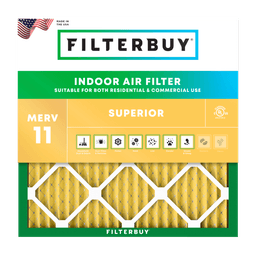
Shop MERV 11 filters→What's the Right Filter for Your AQI Level?


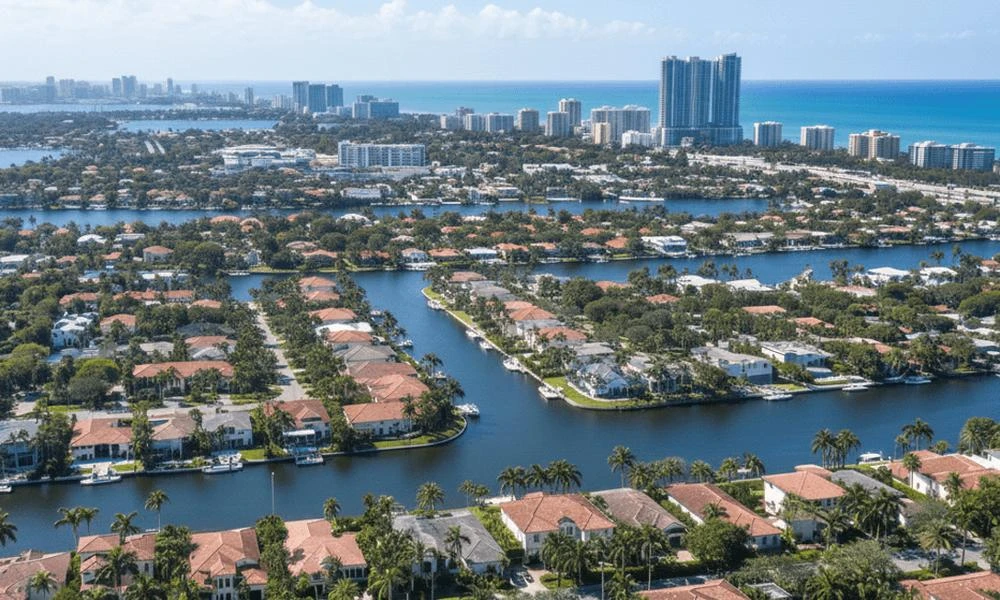
Live Air Quality Index AQI Map Miami Florida Today | Filterbuy.com
After manufacturing millions of air filters and serving over two million households since 2013, we've learned something important about South Florida: the city’s humidity, seasonal wildfire smoke, and urban pollution create air quality challenges that change hour by hour. Our customer data indicates Miami-area households change filters more often than the national average - a sure indication that conditions are closer to average.
This real-time map has the air quality in the area in the palm of your hand, including health recommendations and tips on how to keep your indoor air cleaner than the air outside. Because at Filterbuy, we're obsessed with one thing, and that's to help you breathe easier.
TL;DR Quick Answers
Live Air Quality Index AQI Map Now Today in Miami Florida
Best source: AirNow.gov — Enter your Miami ZIP code for real-time, neighborhood-specific AQI readings updated hourly.
Current conditions: Visit AirNow.gov/miami or download the AirNow mobile app for instant access.
What the colors mean:
Green (0-50): Good — Safe for all activities
Yellow (51-100): Moderate — Sensitive individuals may notice symptoms
Orange (101-150): Unhealthy for Sensitive Groups — Limit outdoor exertion
Red (151+): Unhealthy — Close windows and run HVAC filtration
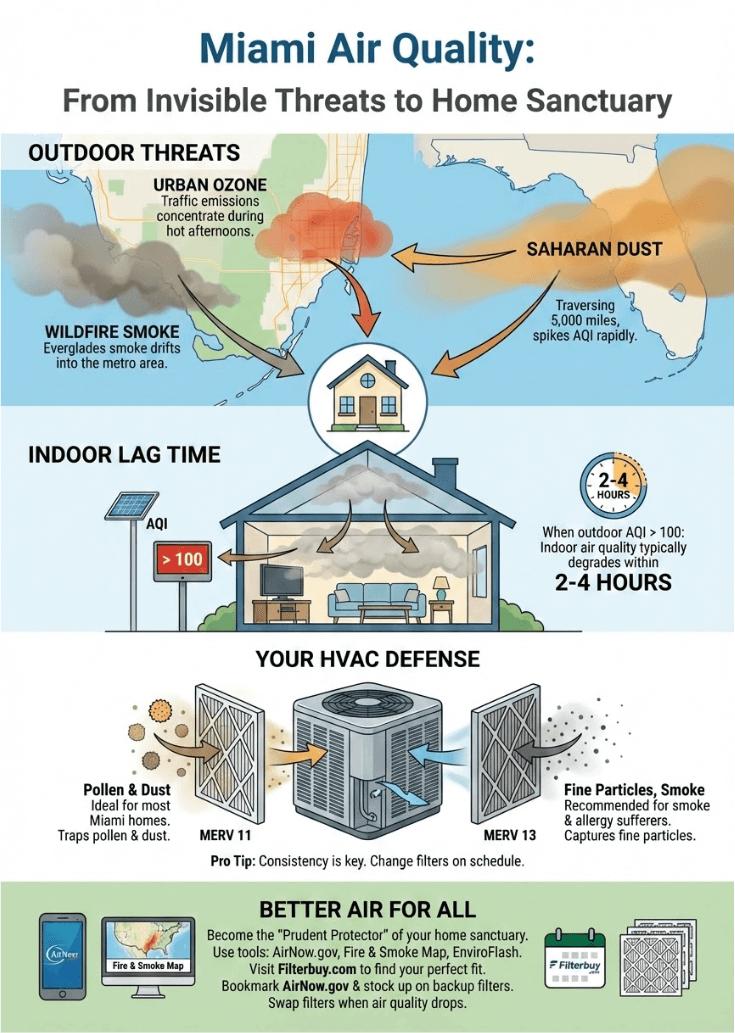
Miami-specific insight: After serving over two million households, we've learned Miami's AQI changes rapidly due to Saharan dust events (June–September), distant wildfire smoke, and ground-level ozone from traffic. Check readings daily—even when skies look clear. When outdoor AQI exceeds 100, indoor air quality typically degrades within 2-4 hours unless your HVAC filtration is working properly.
Pro tip: Bookmark AirNow.gov on your phone's home screen and enable air quality alerts in your weather app to stay ahead of sudden changes.
Top 5 Takeaways
AirNow.gov is your most reliable source for Miami's live AQI.
Bookmark it to your phone's home screen
Check it as routinely as the weather
Essential during the Saharan dust season (June–September) when conditions shift within hours
Miami faces unique air quality challenges that most residents don't expect.
Saharan dust traveling 5,000 miles across the Atlantic
Distant wildfire smoke arriving before visible haze
Ground-level ozone from traffic patterns
Poor air quality days happen even when skies look clear
Indoor air follows outdoor AQI within 2-4 hours.
Closing windows isn't enough
When AQI exceeds 100, your HVAC filter becomes the only barrier
Fine particulate matter infiltrates homes without proper filtration
Awareness matters more than any single product.
Families who monitor AQI daily breathe cleaner air
Checking readings + changing filters on schedule outperforms premium filters that get forgotten
This pattern holds across over two million households we've served
Preparation beats reaction every time.
Stock 2-3 backup filters before air quality events hit
Swap immediately when Saharan dust or wildfire smoke arrives
No waiting, no compromises, no running an overwhelmed system
Understanding The Region’s Air Quality Index
This index takes complex measurements of pollution and presents them simply on a scale of 0-500 that lets you know how clean or polluted your air is at that moment. Readings between 0-50 signify good air quality, while anything above 100 means sensitive groups (children, elderly family members, and other people with respiratory conditions) should limit their exposure to the outdoors. When the index for the area goes above 150, everyone should take precautions.
They vary according to six major pollutants: ground-level ozone, particle pollution (PM2.5 and PM10), carbon monoxide, sulfur dioxide, and nitrogen dioxide. On any given day, one pollutant is normally the major driver of the overall reading. In the area, ozone and fine particulate matter are the culprits most of the time, with hot summer afternoons usually the worst times due to the combination of sunlight and vehicle emissions that contribute to high ozone levels.
What Affects Its Air Quality
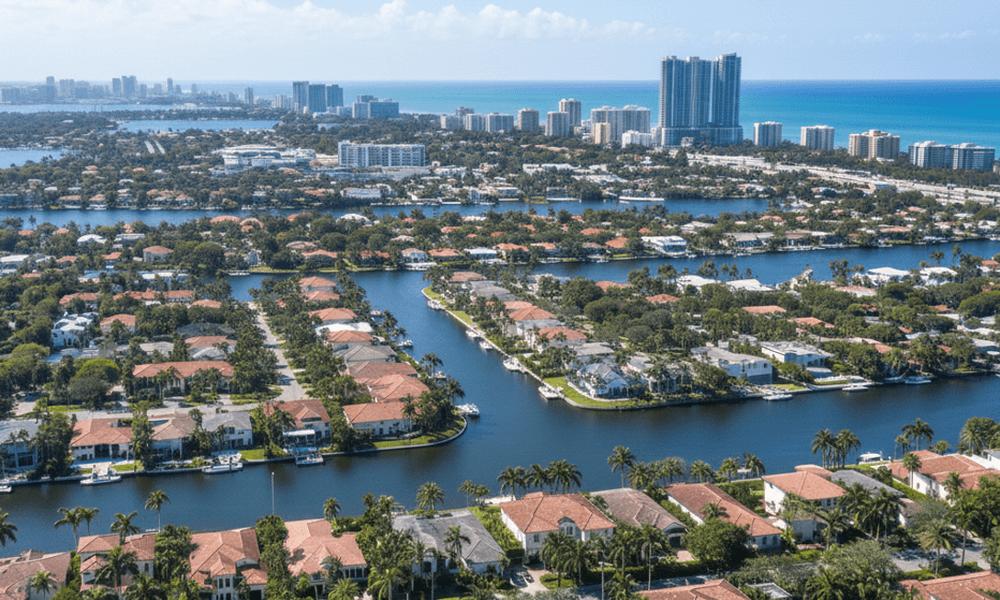
South Florida's geography and climate are unique and form air quality scenarios that are unlike any other major city. The Atlantic Ocean does provide natural ventilation that often keeps the baseline air quality in Miami relatively good, but there are several factors that can quickly change things.
Seasonal wildfire smoke from the Everglades and agricultural burns regularly drifts into the metro area, sometimes pushing the reading of AQI into the unhealthy range for days at a time. After working with customers in the area through several fire seasons, we've seen firsthand how the indoor air quality can quickly deteriorate when outdoor air infiltrates homes through interior heating and cooling systems equipped with older or lower-rated air filters.
How to Protect Your Indoor Air When AQI Rises
When the outside air quality in the city is low, your house should serve as a sanctuary from the polluted air. The average American spends about 90 percent of his or her time indoors, and indoor air can be up to two to five times more polluted than the air outside, according to EPA research - unless you take deliberate efforts to clean the air.
The first thing you should do is check your filter. A quality pleated variety rated MERV 11 or higher is rated for the fine particles that are most likely to affect respiratory health, including the smoke particulates and allergens that are common in South Florida.
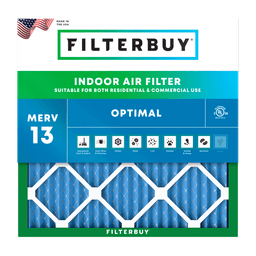
Our manufacturing data indicates that households that have pets, have allergies, or have sensitivity to wildfire smoke consistently report better results with MERV 13 filters, which trap particles down to 0.3 microns.
When Air Quality Matters Most
Certain times of year demand closer attention to AQI readings. Late spring through early summer brings peak wildfire and agricultural burn season, often producing multiple poor air quality days in succession. Summer afternoons see the highest ozone levels, typically peaking between 2 PM and 6 PM when UV radiation is strongest.
Checking this live AQI map before you go outside, if there is an event in school, or simply opening your windows, helps you make informed decisions. When you have data on what's in the Miami air, you're ready to keep your family safe.
"After serving hundreds of thousands of South Florida households over the past decade, we've seen a clear pattern: Miami customers who monitor local AQI and upgrade to higher rated filters during wildfire season report noticeably easier breathing and less dust accumulation within days—it's the kind of real-world feedback that reinforces why we're so obsessed with helping families see what's actually in their air."
— Filterbuy Air Quality Team
7 Essential Resources to Monitor Miami's Air Quality and Protect Your Family
Don't take Miami's air quality for granted! While our tropical breezes feel refreshing, invisible pollutants from traffic, Saharan dust, and distant wildfires can affect what your family breathes without warning. At Filterbuy, we're obsessed with helping you stay informed—because you can't protect against what you can't see.
These seven resources give you the real-time data and expert guidance to stay one step ahead of poor air quality days. Bookmark them now, and you'll have everything you need to make smart decisions about outdoor activities and indoor air protection.
1. EPA AirNow Miami: Your Go-To for Official Real-Time AQI Data
This is where local health officials get their data—and now you can too. AirNow provides hourly AQI readings for Miami-Dade County across all major pollutants, plus forecasts so you can plan tomorrow's activities with confidence.
Pro Tip: Check AirNow before morning jogs or your kids' outdoor practice. A glance takes seconds but protects your family all day.
URL: https://www.airnow.gov/state/?name=florida
2. Fire and Smoke Map: See Wildfire Pollution Before It Reaches Miami
Here's something most Miamians don't realize: smoke from wildfires hundreds of miles away can drift into South Florida and spike your AQI overnight. This tool shows active fires, smoke plume movement, and PM2.5 readings from over 15,000 sensors nationwide—so you're never caught off guard.
Pro Tip: During wildfire season (typically spring through fall), check this map even when local skies look clear. What you can't see can still affect your family's breathing.
3. Florida DEP Air Quality Today: Track Regional Patterns Moving Your Way
The Florida Department of Environmental Protection's interactive map shows current AQI readings from monitoring stations across the entire state. It's perfect for spotting air quality issues moving toward Miami from the Everglades, agricultural areas, or the Gulf Coast.
Pro Tip: If you see elevated readings northwest of Miami, that air often reaches us within hours. Time to close windows and make sure your air filter is fresh.
URL: https://floridadep.gov/air/air-monitoring/content/air-quality-today
4. Miami-Dade Monitoring Network: Find Readings Closest to Your Neighborhood
Seven monitoring stations across Miami-Dade track everything from ozone and PM2.5 to nitrogen dioxide and carbon monoxide. Stations in Kendall, near Miami Fire Station #5, at Witkop Park, and other locations give you hyperlocal data—because air quality can vary significantly across the county.
Pro Tip: Identify the monitoring station nearest your home or your children's school. That station's readings matter most for your family's daily decisions.
URL: https://floridadep.gov/air/air-monitoring/content/miami-dade-county-air-monitoring
5. AQI Basics Guide: Understand Exactly What Those Numbers Mean
Knowledge is power when it comes to protecting your family. This EPA guide explains the six color-coded AQI categories (0-500 scale) and identifies who's most vulnerable—including children, older adults, pregnant women, and anyone with heart or lung conditions. You'll know exactly when "Moderate" means business as usual and when "Unhealthy for Sensitive Groups" means it's time to take action.
Pro Tip: Print the AQI color chart and post it where your family can see it. When everyone understands the system, everyone can help protect each other.
URL: https://www.airnow.gov/aqi/aqi-basics/
6. EPA MERV Rating Guide: Choose the Right Filter for Miami's Challenges
After manufacturing millions of air filters and serving over two million households, we've learned that filter selection matters—especially in Miami's humid, high-pollen environment. This EPA guide explains how MERV ratings (1-16) indicate a filter's ability to capture particles, and why EPA and ASHRAE recommend MERV-13 minimum for fine particles and airborne contaminants.
Pro Tip: For Miami homes dealing with humidity, pet dander, or family members with allergies, we recommend starting with at least MERV 11. Your HVAC system works hard in our climate—give it a filter that works just as hard to protect your indoor air.
URL: https://www.epa.gov/indoor-air-quality-iaq/what-merv-rating
7. AirNow Mobile App & EnviroFlash Alerts: Protection That Comes to You
You're busy protecting your family in a hundred different ways—you shouldn't have to remember to check air quality websites. The AirNow app puts real-time readings and the Fire and Smoke Map right on your phone, while EnviroFlash sends automatic email alerts when Miami's air quality reaches unhealthy levels.
Pro Tip: Set up EnviroFlash alerts for your zip code today. It takes two minutes and means you'll never miss an air quality warning again.
URL: https://www.airnow.gov/airnow-mobile-app/
What We've Learned About Air Quality After a Decade of Protecting Families
After manufacturing millions of filters and serving over two million households, we've seen how air quality statistics translate into real family experiences. Here's what the research confirms—and what our hands-on expertise has taught us.
1. 90% of Your Life Happens Indoors
The Research: The EPA reports Americans spend approximately 90% of their time indoors, where pollutant concentrations are often 2-5 times higher than outdoor levels.
Source: U.S. Environmental Protection Agency, Report on the Environment https://www.epa.gov/report-environment/indoor-air-quality
2. 156 Million Americans Breathe Unhealthy Air
The Research: The American Lung Association's 2025 "State of the Air" report found:
46% of Americans live in areas with failing air quality grades
156.1 million people affected—25 million more than the previous year
Primary drivers: extreme heat, drought, and wildfire smoke traveling hundreds of miles
Source: American Lung Association, State of the Air 2025 https://www.lung.org/research/sota/key-findings
3. MERV Ratings: What the Numbers Actually Mean for Your Family
What Manufacturing Experience Taught Us:
Higher MERV = more particle capture, but also more airflow resistance
The "best" filter depends on your specific system and family needs
A MERV 11 changed on schedule outperforms a neglected MERV 13
Source: U.S. Environmental Protection Agency, Residential Air Cleaners Technical Summary https://www.epa.gov/indoor-air-quality-iaq/air-cleaners-and-air-filters-home
Final Thoughts and Opinion
After a decade of making filters and serving more than two million households, we've formed a conclusion - sometimes a surprise - that sometimes shocks many people:
Air filtration isn't really about filters. It's about awareness.
Our Honest Perspective
We'll be direct: the air filtration industry hasn't always served homeowners well.
For years, the conversation focused entirely on products—buy this filter, upgrade to that rating, replace more frequently. While quality filtration matters, product-first thinking misses the larger point.
The real opportunity isn't selling more filters. It's helping families understand the invisible environment they live in every day.
What Makes Miami Different
Our Miami customers face challenges that generic advice doesn't address.
Saharan dust events arrive predictably each summer but catch most residents off guard.
Distant wildfire smoke affects local air quality long before any visible haze appears.
Year-round humidity creates ideal conditions where mold and biological contaminants thrive.
Urban traffic patterns concentrate ground-level ozone in specific areas during peak hours.
The Miami families who thrive aren't those with the most expensive systems. They're the ones who understand local patterns and respond proactively.
The Opinion We've Earned
After manufacturing filters for every climate and family situation imaginable:
The homeowner who checks their AQI weekly and changes a MERV 8 on schedule will breathe cleaner air than the homeowner who installs MERV 13 and forgets about it.
That's not a popular industry opinion. It doesn't sell premium products. But it's the truth we've observed across millions of customer interactions.
Miami's air quality challenges aren't going away. Saharan dust will keep arriving. Wildfires will continue affectinthe g air hundreds of miles from the flames. Humidity will keep creating conditions where contaminants thrive.
But now you have something most people don't: the knowledge to see invisible threats coming and the tools to protect your family before symptoms appear.
That's not just better filtration. That's Better Air For All.
Next Steps: Protect Your Miami Home's Air Quality Starting Today
You've learned how Miami's air quality challenges affect your family. Now it's time to take action.
Here's your roadmap—from quick wins to long-term habits.
Start Right Now (5 Minutes)
1. Bookmark your monitoring tools.
Save these to your phone's home screen:
AirNow.gov — real-time AQI readings
EPA Smoke Sense app — wildfire tracking
Miami-Dade Air Quality Forecast page
2. Check today's AQI.
Open AirNow.gov now. Note your reading. Green, Yellow, or worse? This single number tells you more about today's indoor air needs than any other metric.
3. Locate your air filter.
Find your HVAC return vent. Pull out the filter. Check the frame for:
Size (you'll need this later)
MERV rating
Current dirt level
Understand your MERV options:
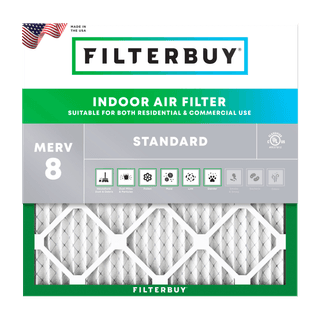
MERV 8 — Dust, pollen, large particles. Good baseline.
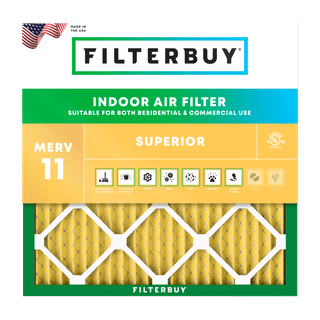
MERV 11 — Adds pet dander, mold spores, finer dust. Ideal for most Miami homes.
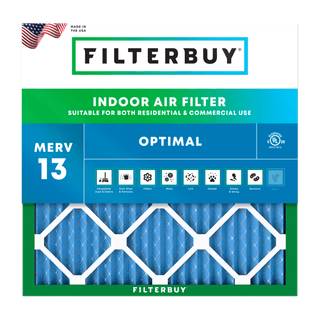
MERV 13 — Adds bacteria and smoke particles. Best for allergy sufferers.
Schedule HVAC maintenance. If it's been over a year, book an inspection. A well-functioning system delivers filtered air more effectively than the best filter in a struggling system.
Long-Term: Become Your Home's Air Quality Expert
Track your observations
Upgrade strategically
Consider whole-home solutions for maximum protection
Frequently Asked Questions
Q: Where can I find a live air quality index map for Miami, Florida, right now?
A: AirNow.gov is the gold standard. It's what we recommend to every Miami customer who asks.
What we've learned from over two million customers: Families who check AQI as routinely as weather make better decisions. They know when to open windows, when to run HVAC systems, and when to keep kids indoors.
Bookmark these tools on your phone's home screen. The five minutes it takes pays off the first time a Saharan dust event arrives, and you're prepared.
Q: What do the AQI numbers and colors mean for Miami residents?
A: The scale runs 0 to 500. Lower is better. But after a decade of talking with Miami families, we've learned the official descriptions don't always match what people actually feel.
The scale—with what we've observed:
Green (0-50) — Good, Yellow (51-100) — Moderate, Orange (101-150) — Unhealthy for Sensitive Groups, Red (151-200) — Unhealthy, Purple (201-300) — Very Unhealthy, Maroon (301-500) — Hazardous
The insight most people miss: Indoor air doesn't stay good just because you closed windows. When outdoor AQI hits Orange, indoor air typically degrades within 2-4 hours. Your filtration system is the only barrier protecting your family.
Q: Why does Miami's air quality change so much from day to day?
A: This surprises most people. Miami has no obvious pollution sources. No major industrial zones. No coal plants on the skyline.
So when AQI suddenly spikes, residents think something's wrong with the reading.
Q: How often does the Miami AQI map update, and how accurate is it?
A: AirNow updates hourly using EPA-certified monitoring stations. Real science, not estimates.
But regional AQI doesn't always match what's happening in your specific home.
Indoor air tells a different story.
AQI measures outdoor air only.
Indoor air depends on ventilation, filtration, and activities inside your home.
Homes with good filtration maintain significantly better air during pollution events.
Homes with neglected filters? Often worse than outside.
Our recommendation: Use AQI as your early warning system, not your final verdict.
When readings rise, assume indoor air will follow within a few hours—unless you take action. That's where your HVAC filtration makes the biggest difference.
Q: What should I do inside my home when Miami's AQI shows unhealthy levels?
A: After helping Miami families navigate Saharan dust seasons and wildfire smoke events, we've developed a straightforward protocol. It's not complicated—but it works.
Check your filter—seriously.
During air quality events, filters work overtime.
What normally lasts 90 days might saturate in 2-3 weeks during the heavy Saharan dust season.
We've seen photos of filters that looked six months old after two weeks of an elevated air quality index.
That's not defective—that's the filter doing its job in extreme conditions
If you can't see light through your filter, it's restricting airflow and reducing effectiveness.
Consider your MERV rating.
MERV 8 captures larger particles but lets fine particulate pass through
Fine particulate is exactly what causes problems during air quality events
MERV 11 and MERV 13 provide significantly better protection
For families with allergies, asthma, or respiratory sensitivities, the difference is noticeable
Protect Your Miami Home When the AQI Map Shows Poor Air Quality
Now that you know how to monitor Miami's live air quality index, make sure your home is ready to protect your family when AQI levels rise. Find your filter size and stock up on MERV 11 or MERV 13 filters so you're prepared before the next Saharan dust event or wildfire smoke reaches South Florida.