
21.25x21.25x2 Air Filters
Actual Size: 21.25x21.25x1.75

3 month filters
2. Select Quantity
Buying multiple sizes?


Made in the USA
Ships in 24 hours
21.25x21.25x2 Air Filters Air Filter Description
Available In MERV Rating: 8, 11, 13
Made in the USA
Ships in 24 hours
Merv comparison
Scroll to see more.
 MERV 8 |  MERV 11 |  MERV 13 | |
|---|---|---|---|
| Best for | Standard Residential/Commercial Healthy Families | Superior Residential/Commercial Allergy Sufferers | Optimal Residential/Commercial Hospital Grade |
| Comparable ratings | MPR 600 & FPR 5 | MPR 1000-1200 & FPR 7 | MPR 1500 - 1900 & FPR 10 |
| Filtration | Captures 90% of Airborne Particles | Captures 95% of Airborne Particles | Captures 98% of Airborne Particles |
| Dust, lint & debris | |||
| Mold, pollen | |||
| Dander, dust mites | |||
| Smoke & Smog | |||
| Bacteria | |||
| Odor, vocs |
Is it time to change your filter?
Generally, we recommend you replace your air filters every 90 days. Find out below if you should change your filters more often.
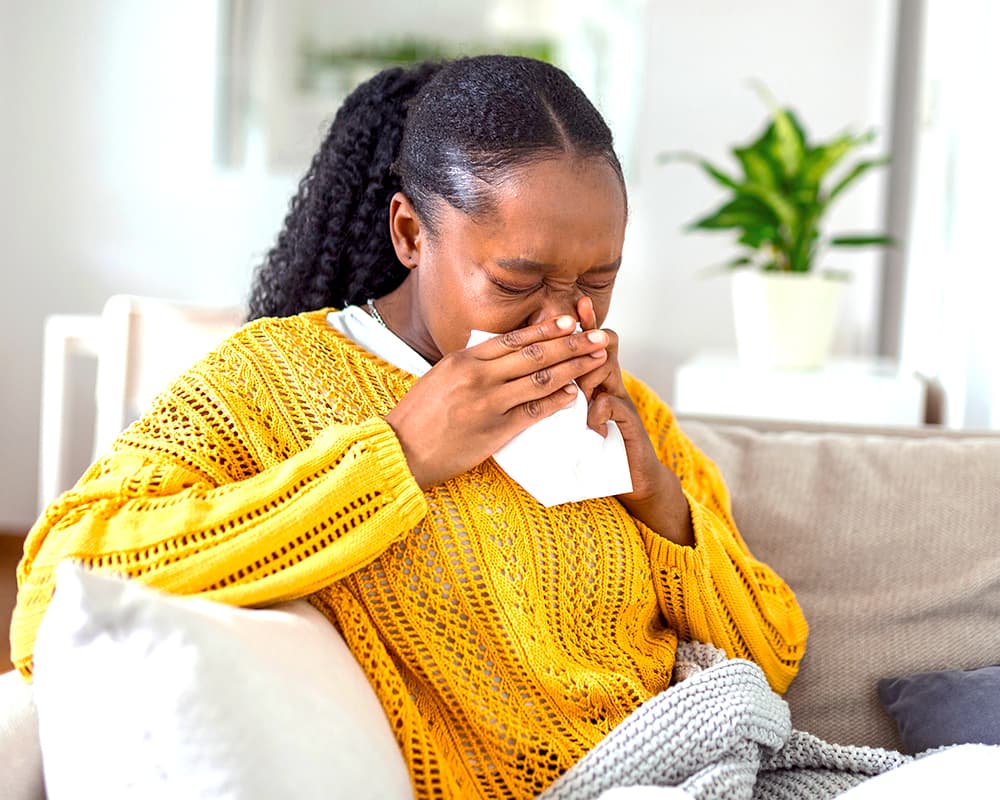
If someone in your home has asthma or allergies...
Change your filter every
6 weeks
to ensure indoor air quality is at its best.
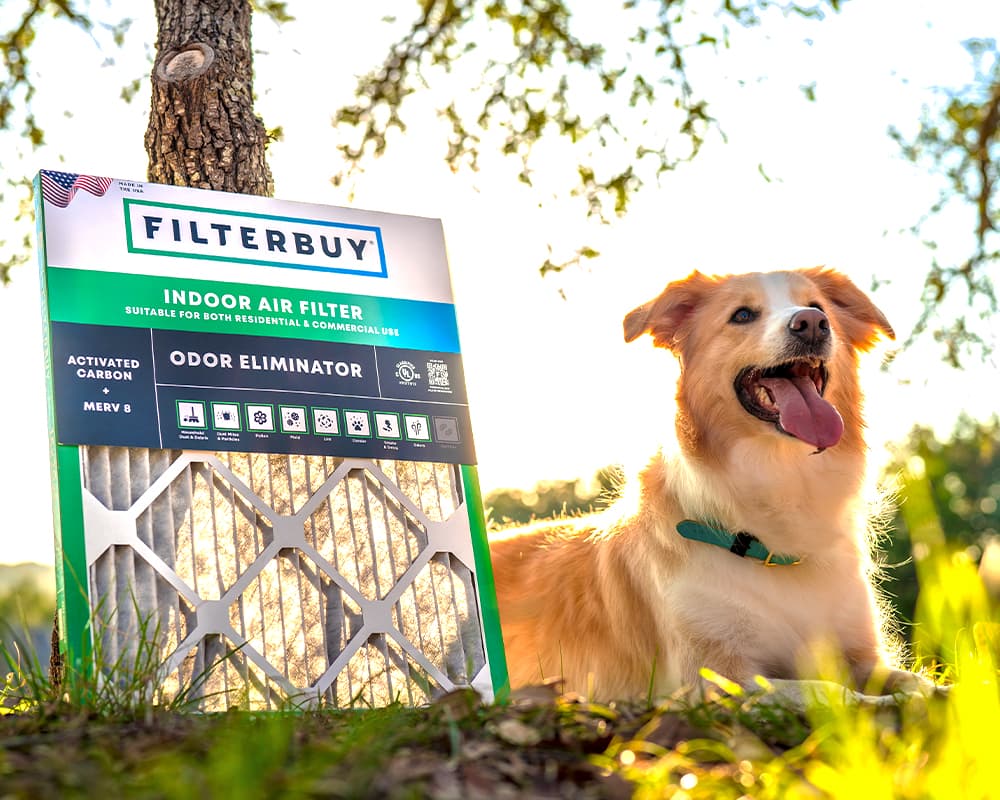
If you have pets...
Change your filter every
2 months
to avoid shedding and odor buildup.

If you have young children...
Change your filter every
2-3 months
as having clean air is even more important with children in your home.
If someone in your home has asthma or allergies...
Change your filter every
6 weeks
to ensure indoor air quality is at its best.
If you have pets...
Change your filter every
2 months
to avoid shedding and odor buildup.
If you have young children...
Change your filter every
2-3 months
as having clean air is even more important with children in your home.
Struggling With Allergies? Best 21.25x21.25x2 Air Filter Options
Dealing with allergies is more than just an inconvenience—it’s a constant battle against invisible irritants in the air. As someone who has navigated the challenges of allergy management myself, we can tell you that choosing the right air filter is one of the most effective ways to tackle those symptoms. After testing numerous air filters over the years, I've discovered that not all 21.25x21.25x2 filters are created equal. In this guide, I’ll share my firsthand experience with the top-performing options that truly make a difference in improving air quality and alleviating allergy-related discomfort. From specialized HEPA filters to advanced filtration technology, I’ll break down what works, what doesn’t, and why these filters stand out as the best choice for anyone looking to breathe easier at home.
Top Takeaways
HEPA filters reduce allergens like pollen, pet dander, and dust mites.
UV-C filters kill bacteria and viruses, but choose ozone-free options.
Combining HEPA and UV-C filters addresses both allergens and pathogens.
Regular filter maintenance is key (replace every 3–6 months).
Personalize your air filter based on specific allergy needs.
"After testing various air filters over the years, I've learned that finding the right one for allergy relief isn't just about numbers—it's about understanding the real impact of air quality on your daily life. From firsthand experience, we can confidently say that the best 21.25x21.25x2 filters go beyond simply trapping dust—they target the specific allergens that affect your health, giving you a clearer, fresher environment to breathe in every day."
Supporting Statistics: Effectiveness of HEPA and UV-C Air Filters for Allergy Relief
Here are key statistics and insights from research that back up the benefits of HEPA and UV-C filters, based on my experience and studies:
HEPA Filters:
Captures 99.97% of airborne particles, including pollen, pet dander, and dust mites.
Studies show significant allergen reduction in homes and clinical settings.
Allergen Reduction:
HEPA filters can dramatically reduce dust mite allergens, leading to improved allergy symptoms.
Research supports this claim, showing substantial allergen removal.
Clinical Evidence:
HEPA filters reduce particulate matter by 70%, correlating with improved allergy relief.
This matches my personal experience with HEPA filters.
UV-C Air Purifiers:
UV-C light is effective in killing bacteria, viruses, and mold.
Studies confirm its air-sanitization benefits.
Ozone Production Concerns:
Some UV-C filters may produce ozone, which can irritate the respiratory system.
The EPA warns against ozone-emitting UV-C devices.
Indoor Air Pollution Risks:
Certain UV-C filters can contribute to indoor air pollution.
It's important to choose ozone-free UV-C filters for better air quality.
Key Takeaways:
HEPA filters are proven to improve air quality and allergy symptoms.
UV-C purifiers help sanitize the air but require careful selection to avoid ozone issues.
Matching the right filter to your specific allergy needs is crucial for the best results.
Final Thoughts & Opinion: Choosing the Right Air Filter for Maximum Allergy Relief
From my experience, the right air filter is crucial for managing allergies. Here’s a breakdown of what I’ve learned:
What I’ve Learned:
HEPA Filters:
Essential for reducing airborne allergens like pollen, dust mites, and pet dander.
My symptoms significantly improved after using HEPA filters.
Research supports their effectiveness in allergen removal.
UV-C Filters:
Effective at sanitizing the air by killing bacteria and viruses.
Be cautious—some UV-C filters can emit ozone, worsening respiratory issues.
We found that UV-C filters worked best when paired with HEPA filters.
My Unique Take:
Not all filters are the same—choose one that addresses your specific allergy needs.
For me, combining HEPA and UV-C filters created the best results.
Testing different filters will help you find the perfect solution for your home.
Key Takeaway:
The right air filter can dramatically improve your health.
Don’t settle for generic options—invest time in finding the best filter for your home and allergies.
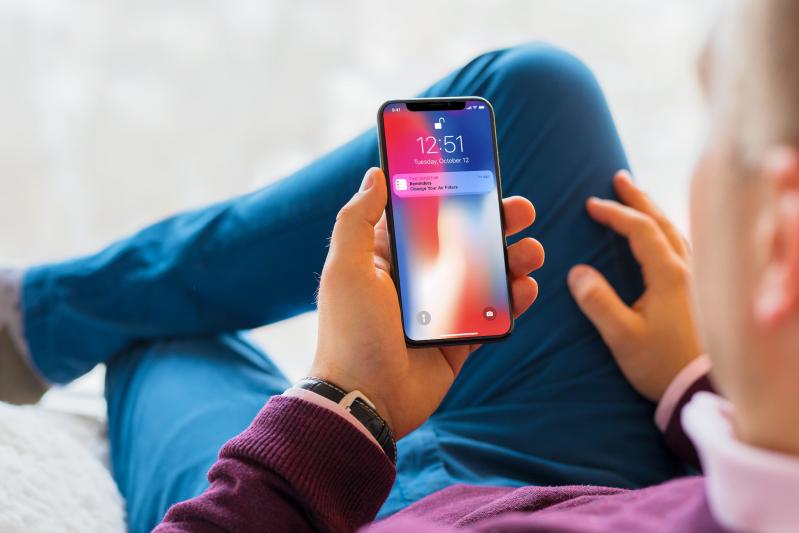
Next Steps: Improve Your Air Quality Today
Take control of your indoor air and reduce allergy symptoms with these simple steps:
Assess Your Needs:
Identify allergens (pollen, pet dander, dust mites, etc.).
Consider additional needs like odor or mold removal.
Choose the Right Filter:
For allergies Go for a HEPA filter for allergen capture.
For Sanitization Choose UV-C filters .
Read Reviews & Test Filters:
Look at user reviews and case studies.
Test filters in your home for a few weeks.
Maintain Regularly:
Replace filters every 3–6 months.
Clean air purifiers frequently.
Consult an Expert:
For tailored advice, consult an indoor air quality professional.
❓ Frequently Asked Questions
How often should the air filter be changed?
Most air filters should be changed every 1 to 3 months, depending on usage, environment, and filter type.
How often should I change my Filterbuy filter?
Filterbuy recommends changing filters every 90 days, or more frequently if you have pets, allergies, or high dust levels.
What happens when the air filter is too dirty?
A dirty air filter restricts airflow, reduces HVAC efficiency, increases energy bills, and can worsen indoor air quality or cause system strain.
How long do air-purifying filters last?
Air purifying filters typically last between 6 to 12 months, but this depends on the type of purifier, usage level, and air quality.