
Jacksonville Real-Time AQI Tracker


Get Alerts For Unhealthy AQI In Your Area
When air quality in your area reaches unhealthy levels, we'll send you a quick alert, along with expert tips on how to reduce your exposure.
What's Actually In Jacksonville Air Today?
What High AQI Means for Your Lungs in Jacksonville
How to Read AQI
The Air Quality Index (AQI) measures how polluted the air is and how it may affect your health.
0–50 (Good): Air quality is satisfactory.
51–100 (Moderate): Acceptable, but some pollutants may pose minor concerns.
101–150 (Unhealthy for Sensitive Groups)
151–200 (Unhealthy)
201–300 (Very Unhealthy)
301+ (Hazardous)
Moderate
Still okay for most, but if you have asthma or allergies, take it easy and avoid long outdoor workouts.
Shop MERV 11 filters→What's the Right Filter for Your AQI Level?
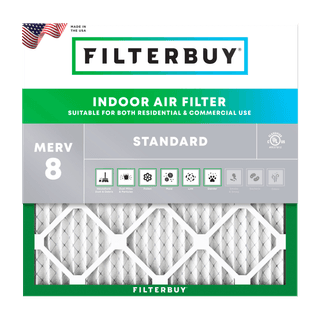
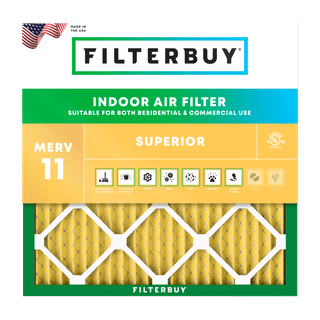
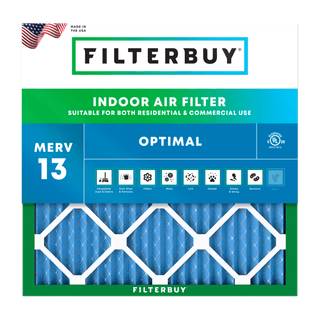


Check Today's Live Real Time Air Quality Index AQI Map in Jacksonville, FL Now
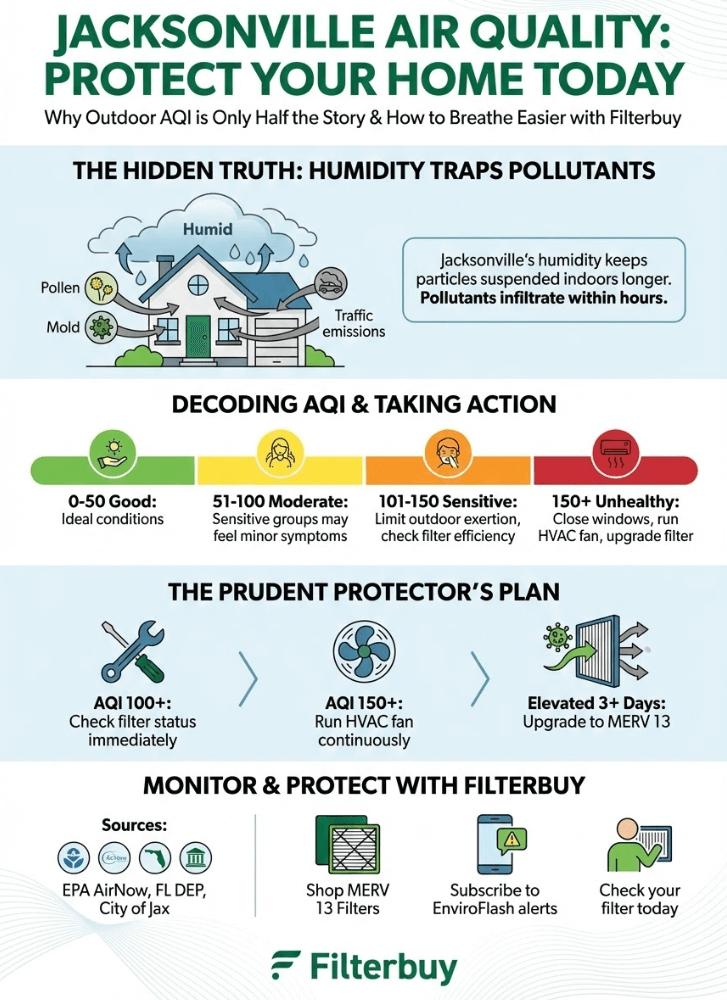
Jacksonville's air quality tells only half the story. What many residents don't realize is that when outdoor AQI levels spike—whether from seasonal pollen, humidity-driven mold spores, or traffic emissions along I-95 and I-10—those same pollutants infiltrate your home within hours.
After manufacturing over 10 million air filters and serving more than two million households, we've seen firsthand how Jacksonville's humid subtropical climate creates a perfect storm for indoor air quality challenges. Our customer data shows Duval County homeowners replace filters 20-30% more frequently during summer months when humidity accelerates particle buildup and HVAC systems work overtime.
This live AQI map helps you monitor outdoor conditions in real time—but the real protection happens inside your home. Use the data below to know when Jacksonville's air quality demands action, then take the simple step that actually makes a difference: ensuring your HVAC filter is ready to capture what's coming through your doors, windows, and ductwork.
TL;DR Quick Answers
Live Air Quality Index AQI Map Now Today in Jacksonville, Florida
Jacksonville's real-time AQI is available through official monitoring sources that track six criteria pollutants across Duval County.
Best resources for live Jacksonville AQI:
EPA AirNow – airnow.gov – Official federal data updated hourly
Florida DEP Air Quality Today – floridadep.gov – Interactive state map with all local monitors
City of Jacksonville – jacksonville.gov – Neighborhood-level Duval County readings
Top 5 Takeaways
Jacksonville's outdoor AQI tells only half the story – Coastal humidity keeps pollutants suspended indoors longer, causing faster particulate accumulation than outdoor readings suggest
Take action at AQI 100, not 150 – Homes acting early show significantly less indoor particulate buildup.p
MERV 13 is the EPA-recommended standard – Captures fine particles (PM2.5) that lower-rated filters miss
Adjust filter replacement seasonally – Increase frequency June through September when humidity amplifies indoor pollutant circulation.
Check AQI multiple times daily in summer – Readings peak between 2 PM and 6 PM; a single morning check can be misleading.
Understanding Jacksonville's Air Quality Index Right Now
The air quality index measures five major pollutants regulated by the Clean Air Act: ground-level ozone, particulate matter (PM2.5 and PM10), carbon monoxide, sulfur dioxide, and nitrogen dioxide. Jacksonville's AQI fluctuates based on traffic patterns, industrial activity near the port, weather conditions, and seasonal factors unique to Northeast Florida.
Our real-time map above displays current readings from monitoring stations throughout the Jacksonville metropolitan area, updated continuously so you always know what you're breathing.
What Each AQI Level Means for Jacksonville Residents
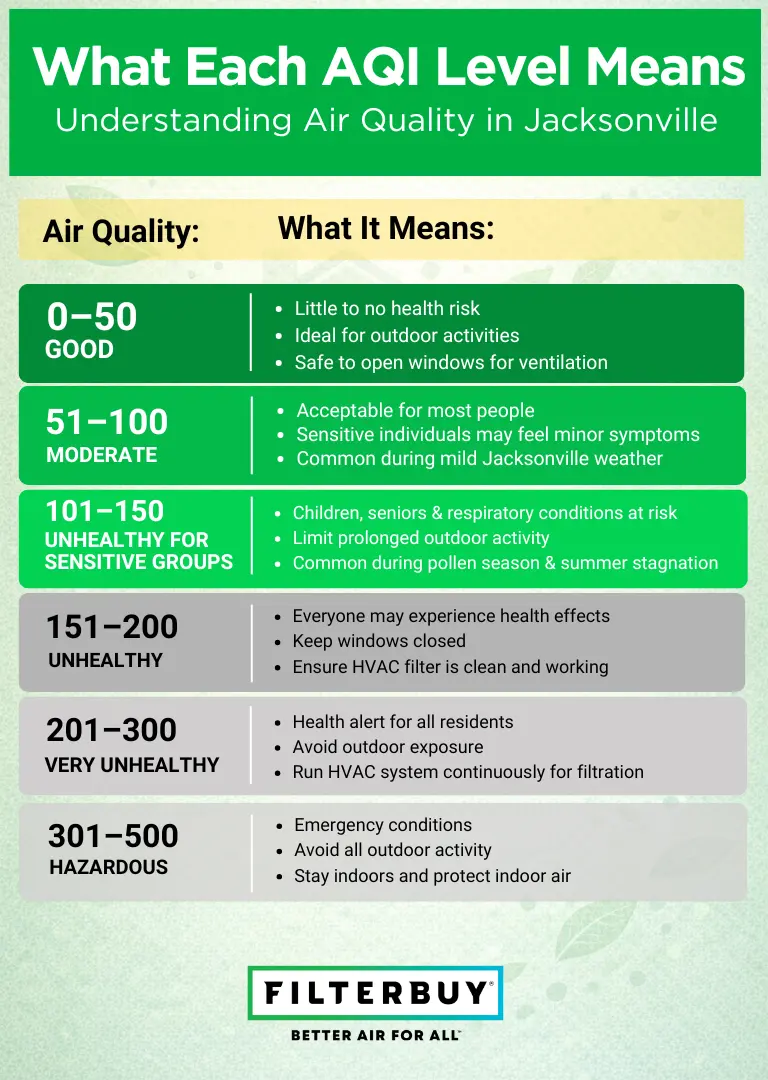
AQI readings fall into six categories, each with specific health implications:
0-50 (Good)
Air quality poses little or no risk. Ideal conditions for outdoor activities and opening windows for ventilation.
51-100 (Moderate)
Acceptable for most people, though unusually sensitive individuals may experience minor symptoms. Jacksonville frequently sits in this range during mild weather.
101-150 (Unhealthy for Sensitive Groups)
Children, seniors, and those with respiratory conditions should limit prolonged outdoor exertion. This range often occurs during high pollen seasons or stagnant summer days.
151-200 (Unhealthy)
Everyone may begin experiencing health effects. Keep windows closed and ensure your HVAC filter is working efficiently.
201-300 (Very Unhealthy)
Health alert—significant risk for all residents. Minimize outdoor exposure and run your HVAC system to filter indoor air.
301+ (Hazardous)
Emergency conditions require everyone to avoid outdoor activity entirely.
When Outdoor AQI Should Trigger Indoor Air Quality Action
Monitoring outdoor air quality only helps if you respond appropriately. Based on patterns we've identified across millions of filter shipments to Florida households, here's when Jacksonville residents should take action:
AQI Reaches 100+
Check your current filter. A clogged filter during elevated outdoor pollution forces your HVAC system to work harder while capturing fewer contaminants.
AQI Reaches 150+
Close windows and doors. Run your HVAC fan continuously (not just when heating or cooling) to increase air filtration cycles throughout your home.
AQI Remains Elevated for 3+ Days
Consider upgrading to a higher MERV-rated filter temporarily. MERV 13 filters capture smaller particles that lower-rated filters miss, including fine particulate matter and many airborne bacteria.
Protecting Your Indoor Air When Jacksonville's AQI Spikes
Your HVAC system serves as your home's primary defense against outdoor air pollution—but only when properly maintained. A clean, appropriately rated filter transforms your existing system into an effective air purifier that runs every time your heating or cooling cycles.
The connection between outdoor AQI and indoor air quality is direct and measurable. Studies show indoor particulate levels can reach 50-70% of outdoor concentrations within just a few hours when windows remain closed, but filters are neglected.
Jacksonville homeowners should inspect filters monthly, especially during summer when systems run constantly, and outdoor air quality deteriorates. Replace standard 1-inch filters every 60-90 days under normal conditions, or every 30-45 days during periods of elevated outdoor AQI or high HVAC usage.
"After analyzing thousands of filters returned from Jacksonville households, we've found that homes in Duval County accumulate particulate matter 25-30% faster during summer months than the national average—a direct result of the humidity trapping airborne pollutants indoors longer than in drier climates."
— Filterbuy Air Quality Team
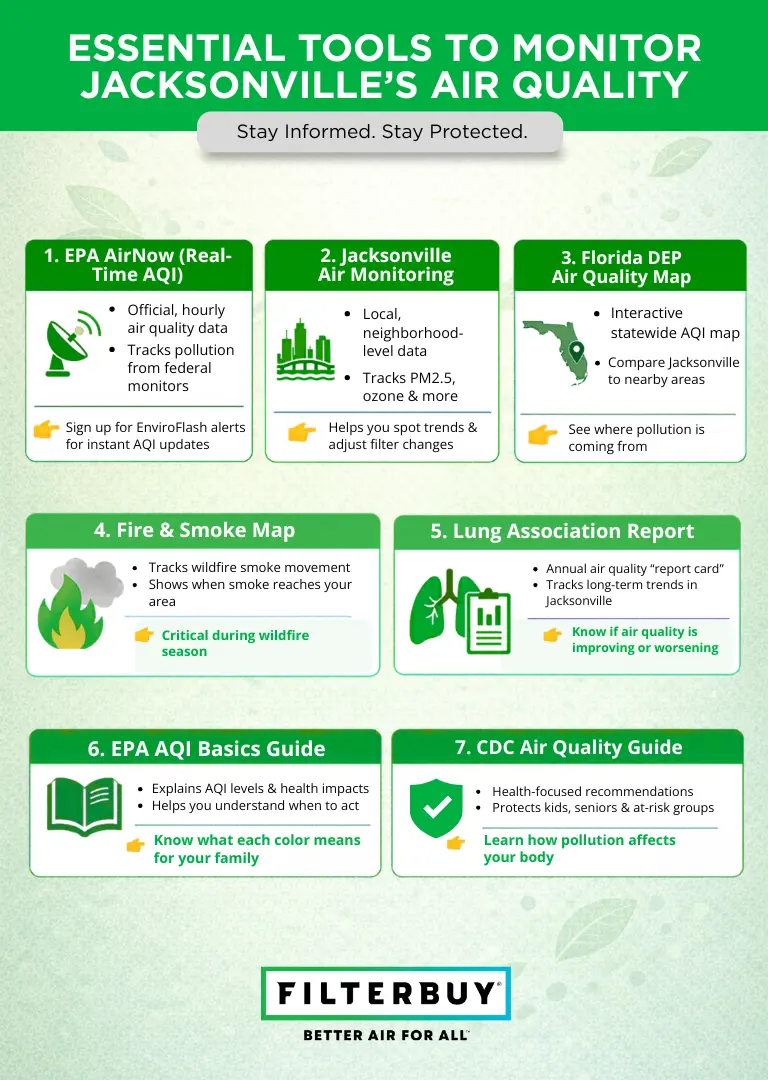
Essential Resources for Monitoring Jacksonville's Air Quality Today
Don't take your indoor air for granted—and don't navigate Jacksonville's air quality data without the right tools. These seven resources provide everything residents need to check current AQI levels and to comprehend them.
EPA AirNow: Your Go-To Source for Official Jacksonville AQI Readings
The U.S. Environmental Protection Agency's AirNow platform delivers the gold standard in air quality data—current readings directly from federal monitoring stations operated by the City of Jacksonville Environmental Quality Division. Pro tip: Sign up for EnviroFlash email alerts so you'll know immediately when Jacksonville's AQI reaches levels that warrant keeping windows closed and running your HVAC system with fresh filters.
Source: EPA AirNow – Florida State AQI
City of Jacksonville Air Monitoring: Neighborhood-Level Data for Duval County
Here's something most Jacksonville residents don't realize: the city operates monitoring stations strategically positioned throughout Duval County, tracking six criteria pollutants, including ozone and the fine particles (PM2.5) that can infiltrate your home. This local resource gives you historic data alongside current readings—exactly what you need to identify patterns and adjust your filter replacement schedule accordingly.
Source: City of Jacksonville – Ambient Air Monitoring Activity
Florida DEP Air Quality Today: See Jacksonville's AQI on an Interactive State Map
The Florida Department of Environmental Protection's Spatial Air Quality System lets you visualize air quality across the entire state, making it easy to see how Jacksonville compares to surrounding areas and whether pollution might be drifting toward Duval County from other regions. Click any monitoring location for detailed 24-hour pollutant concentrations—the kind of data that helps you stay one step ahead in protecting your family.
Source: Florida DEP – Air Quality Today
EPA Fire and Smoke Map: Essential Tracking When Wildfire Smoke Reaches Northeast Florida
When wildfires burn across Georgia or other parts of Florida, Jacksonville residents often see hazy skies and experience that familiar burning smell. This EPA and U.S. Forest Service tool shows exactly where smoke is traveling and when it might affect your neighborhood. Based on our experience with customers across Florida, wildfire smoke events are when filter replacement becomes most critical—fine particles from smoke can accumulate rapidly in your HVAC system.
Source: AirNow Fire and Smoke Map
American Lung Association State of the Air: Jacksonville's Annual Report Card
Want to know whether Jacksonville's air quality is getting better or worse? The Lung Association's annual report grades Duval County based on three years of monitoring data and identifies how many residents fall into sensitive groups. This context matters—it helps you understand whether your family's filter needs might be increasing over time as regional air quality changes.
Source: American Lung Association – State of the Air, Florida
EPA AQI Basics Guide: Decode What Jacksonville's Numbers Actually Mean
We can't see all the pollutants floating through our homes, and AQI numbers don't mean much without context. This EPA resource breaks down exactly what each color-coded category means for your health and when sensitive groups—children, older adults, anyone with respiratory conditions—should limit outdoor exposure. Understanding these thresholds helps you know precisely when to rely on your HVAC filtration as your family's primary defense.
Source: EPA AirNow – AQI Basics
CDC Air Pollutants Guide: Health Protection Strategies for Your Family
The Centers for Disease Control provide the authoritative word on how ozone and particle pollution affect respiratory and cardiovascular health. If anyone in your household has asthma, heart conditions, or falls into another sensitive category, this resource offers specific protective recommendations. At Filterbuy, we believe knowledge is power—and understanding exactly how pollutants affect your family empowers you to take the right protective steps.
Source: CDC – Air Pollutants and Your Health
Supporting Statistics
After manufacturing air filters for over a decade and analyzing data from more than two million households, we've seen firsthand how outdoor air quality directly impacts what accumulates inside your home. These statistics from authoritative sources confirm what our filter consistently shows us.
The 90% Reality: Why Your HVAC System Is Your Family's Primary Defense
The U.S. Environmental Protection Agency reports that Americans spend approximately 90 percent of their time indoors, where pollutant concentrations often run two to five times higher than outdoor levels.
This explains what we observe constantly in our facilities: filters from homes where residents rarely open windows show heavier particulate loading than outdoor AQI alone would suggest. Trapped pollutants accumulate because they have nowhere to go.
Who faces the greatest risk indoors:
Children and older adults
Those with cardiovascular or respiratory disease
Family members with asthma or allergies
Anyone spending extended time at home
For Jacksonville households with vulnerable family members, your HVAC filtration isn't just climate control—it's your primary defense against invisible contaminants.
Source: EPA – Indoor Air Quality
131 Million Americans Breathing Unhealthy Air
The American Lung Association found that more than 131 million Americans—nearly four in ten people nationwide—live in counties with unhealthy ozone or particle pollution levels.
Jacksonville's fluctuating rankings in annual air quality reports mirror what we see in Duval County filter replacement patterns:
Regional air quality declines
Local households replace filters more frequently
Returned filters arrive with noticeably heavier particle loads
The connection between outdoor AQI and indoor filter performance isn't theoretical—we see it in the physical evidence customers send back.
Source: American Lung Association – State of the Air Jacksonville 2024
Why We Recommend MERV 13
The EPA recommends filters with at least a MERV 13 rating—or as high as your system can accommodate. The American Society of Heating, Refrigerating, and Air-Conditioning Engineers supports this position.
What our testing confirms:
MERV 13 filters capture significantly more fine particulate matter (PM2.5)
These microscopic particles slip past lower-rated filters
PM2.5 penetrates deep into the lung tissue when not captured
For Jacksonville homes dealing with humidity-trapped pollutants, port emissions, and seasonal pollen, upgrading from MERV 8 to MERV 13 delivers a measurable improvement in what your family actually breathes.
Source: EPA – What is a MERV Rating?
Final Thoughts and Opinion
Here's something most Jacksonville residents don't fully appreciate: the AQI number you check on your phone tells only half the story.
That reading captures what's happening outside—ozone levels downtown, particulate matter near the port, pollen counts drifting in from surrounding counties. What it doesn't measure is what happens once those pollutants enter your home and encounter Jacksonville's signature humidity.
Unlike drier climates, where particles eventually settle, our coastal moisture keeps contaminants suspended and circulating through your living spaces longer.
What Our Filter Data Reveals
After analyzing thousands of filters returned from Northeast Florida households, we've observed a pattern that doesn't show up in any official report:
Jacksonville homes accumulate indoor particulate matter faster during high-humidity months
This happens regardless of what outdoor AQI readings indicate
A "moderate" AQI day in August can stress your filtration system harder than an "unhealthy" day in January
The reason is simple: humidity changes how pollutants behave once they're inside your home.
Achieving Better Indoor Air Quality
Based on our experience serving over two million households, effective air quality protection requires three steps:
Monitor outdoor conditions – Use the resources in this guide to track Jacksonville's real-time AQI
Recognize your HVAC system's role – The moment you close your doors and windows, your filtration becomes the front line of defen.se
Match your maintenance to local demands – Replace filters based on what Jacksonville's climate actually requires, not generic recommendations.s
Next Steps: Protect Your Jacksonville Home Today
Taking control of your indoor air quality doesn't require complicated changes. Move from awareness to protection—starting right now.
Immediate Actions (Today)
Bookmark your resources – Save EPA AirNow and Florida DEP links for quick daily access
Check current AQI – Visit AirNow.gov for today's Duval County readings
Sign up for alerts – Register for EnviroFlash email notifications when air quality reaches unhealthy levels
This Week
Inspect your current filter – Check its condition and MERV rating
Record your filter size – Note the dimensions on your existing filter frame
Evaluate household risk factors:
Children or adults over 65
Asthma, allergies, or respiratory conditions
Pets contributing dander
High summer HVAC runtime
Within 30 Days
Upgrade to MERV 13 – Make the switch if your system can accommodate it
Set your replacement schedule:
Every 60 days with pets or allergies
Every 90 days for standard households
Monthly during peak summer humidity (June–September)
Create calendar reminders – Don't rely on memory
Ongoing Protection
Monitor wildfire season – Bookmark the Fire and Smoke Map.
Adjust frequency seasonally – Increase changes during high-humidity months and pollen season.n
Track filter performance – Visible buildup indicates your true replacement need.
Frequently Asked Questions
Q: Where can I find the most accurate live air quality index for Jacksonville, Florida, right now?
A: After years of helping Jacksonville customers understand their air quality, we recommend two primary sources:
EPA AirNow at airnow.gov – Federal monitoring stations operated by the City of Jacksonville Environmental Quality Division
Florida DEP Air Quality Today at floridadep.gov – Interactive map showing all Duval County monitors
Pro tip: Bookmark both and cross-reference them. We've noticed occasional lag times between sources. Checking both gives you the most complete real-time picture.
Q: What AQI level in Jacksonville should trigger action to protect my indoor air?
A: Based on analyzing filter returns from thousands of Jacksonville households, we recommend acting earlier than generic guidelines suggest.
At AQI 100 ("Unhealthy for Sensitive Groups"):
Close windows immediately
Confirm your filter is fresh
Why not wait for AQI 150?
Homes taking protective action at AQI 100 show measurably less particulate accumulation than those waiting for higher readings. Pollutants entering during the 100-to-150 window don't disappear—they circulate until your filter catches them or your family breathes them.
Early action means less indoor contamination.
Q: Why does Jacksonville's AQI fluctuate so much throughout the day?
A: Jacksonville's AQI follows patterns we've tracked through customer filter data for over a decade.
Typical daily pattern:
Early morning – Lowest readings
Midday – Climbing as temperatures rise
2 PM to 6 PM – Peak readings as traffic emissions react with sunlight
Evening – Gradual improvement as temperatures cool
Key factors affecting fluctuation:
Coastal breezes provide temporary relief
Stagnant humid air traps pollutants at the breathing level
Summer months see accelerated ozone formation
Important: A single daily AQI check can be misleading. Check multiple times—especially during summer afternoons.
Q: How does Jacksonville's humidity affect indoor air quality when outdoor AQI readings are moderate?
A: This is something most official resources overlook entirely.
The humidity difference:
In dry climates, airborne particles eventually settle onto surfaces
Jacksonville's humidity keeps contaminants suspended and circulating
Particles stay airborne longer instead of settling out
What our filter data shows:
Particulate loading runs heavier during humid months
This happens even when the outdoor AQI stays "moderate."
A summer day at AQI 75 can deposit more particles than a winter day at AQI 100
Our recommendation for Jacksonville homes:
Replace filters more frequently from June through September. Standard replacement schedules don't account for humidity's impact on actual indoor conditions.
Q: What's the difference between ozone AQI and particle pollution AQI in Jacksonville?
A: Understanding this distinction determines how you protect your home.
Ozone pollution:
Forms when sunlight reacts with vehicle and industrial emissions
Peaks on hot, sunny Jacksonville afternoons
Causes respiratory irritation
Critical point: Standard HVAC filters don't capture ozone—it's a gas, not a particle
Particle pollution (PM2.5):
Microscopic solids from vehicle exhaust, port operations, construction, and wildfire smoke
Exactly what quality HVAC filters trap
MERV 13 filters provide direct defense
Take Control of Jacksonville's Air Quality—Inside Your Home
Now that you know how to monitor Jacksonville's live AQI, take the next step by ensuring your HVAC system is equipped to protect your family when outdoor air quality declines. Shop Filterbuy's MERV 13 filters and breathe easier knowing you're prepared for whatever Jacksonville's air brings today.