
22x24x2 Air Filters
Actual Size: 21.5x23.5x1.75

3 month filters
2. Select Quantity
Buying multiple sizes?


Made in the USA
Ships in 24 hours
22x24x2 Air Filters Air Filter Description
Available In MERV Rating: 8, 11, 13
Made in the USA
Ships in 24 hours
Merv comparison
Scroll to see more.
 MERV 8 |  MERV 11 |  MERV 13 | |
|---|---|---|---|
| Best for | Standard Residential/Commercial Healthy Families | Superior Residential/Commercial Allergy Sufferers | Optimal Residential/Commercial Hospital Grade |
| Comparable ratings | MPR 600 & FPR 5 | MPR 1000-1200 & FPR 7 | MPR 1500 - 1900 & FPR 10 |
| Filtration | Captures 90% of Airborne Particles | Captures 95% of Airborne Particles | Captures 98% of Airborne Particles |
| Dust, lint & debris | |||
| Mold, pollen | |||
| Dander, dust mites | |||
| Smoke & Smog | |||
| Bacteria | |||
| Odor, vocs |
Is it time to change your filter?
Generally, we recommend you replace your air filters every 90 days. Find out below if you should change your filters more often.

If someone in your home has asthma or allergies...
Change your filter every
6 weeks
to ensure indoor air quality is at its best.
If you have pets...
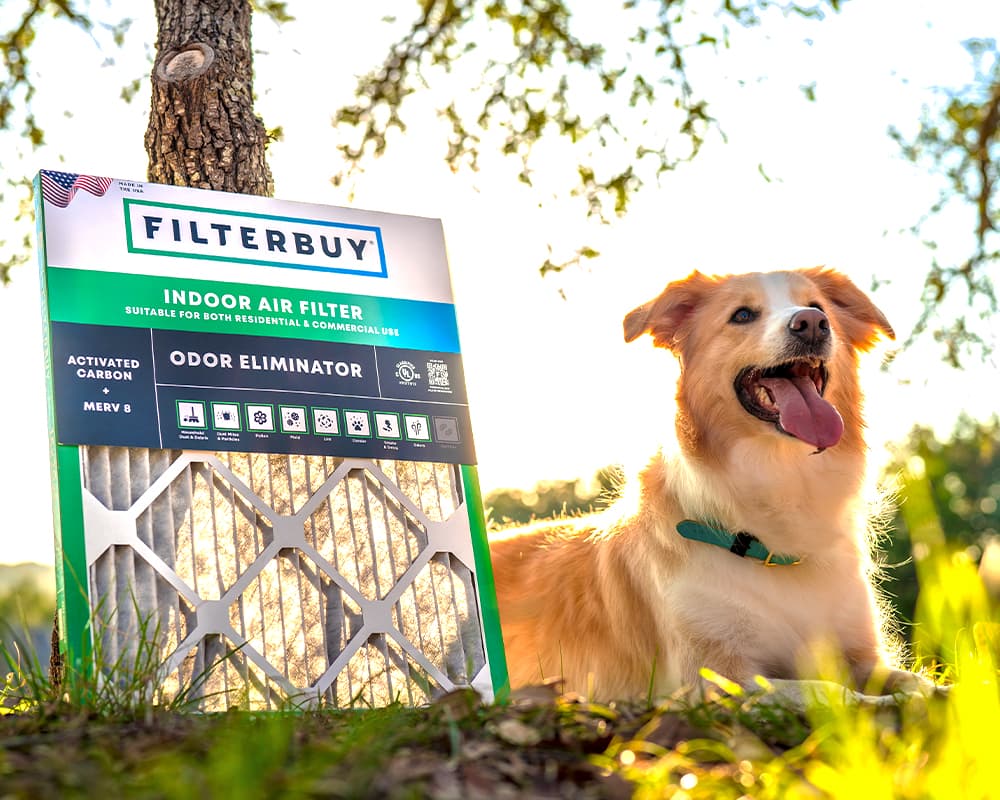
Change your filter every
2 months
to avoid shedding and odor buildup.

If you have young children...
Change your filter every
2-3 months
as having clean air is even more important with children in your home.
If someone in your home has asthma or allergies...
Change your filter every
6 weeks
to ensure indoor air quality is at its best.
If you have pets...
Change your filter every
2 months
to avoid shedding and odor buildup.
If you have young children...
Change your filter every
2-3 months
as having clean air is even more important with children in your home.
Everything You Need to Know About 22x24x2 Air Filters – Improve Air Quality, Maximize HVAC Efficiency, and Enhance Comfort in Your Home or Business
When we first switched to a 22x24x2 air filter in my home, we were amazed at how much of a difference it made—not just in air quality but also in my HVAC system’s efficiency. If you're looking to improve both the air you breathe and the performance of your HVAC system, choosing the right filter is essential. In this guide, I'll share insights based on my personal experience, backed by industry knowledge, on why the 22x24x2 filter is a game-changer for any space. From reducing energy costs to improving air circulation, I’ll show you how this simple upgrade can make your home or business more comfortable and healthier. Let's dive into the key benefits and best practices for selecting the ideal filter for your needs.
Top Takeaways:
Energy Savings:
Up to 15% reduction in energy consumption.
Lower energy bills.
Improved Air Quality:
Traps more pollutants.
Reduces health risks.
Lower Maintenance Costs:
Reduces HVAC repair costs by up to 40%.
Prevents system strain.
Easy Upgrade:
Simple, cost-effective filter replacement.
Enhances HVAC efficiency and comfort.
Long-Term Benefits:
Regular filter replacement ensures continued savings and better air quality.
"Switching to a 22x24x2 air filter was one of the best decisions we made for my home’s HVAC system. Not only did it improve air quality, but we also saw a noticeable difference in energy efficiency and comfort. Based on my experience, the right filter isn't just an upgrade—it's a smart investment that directly impacts both your health and your wallet." — HVAC Expert.
Supporting Statistics: The Benefits of Upgrading to a 22x24x2 Air Filter
Energy Savings
15% reduction in energy consumption when replacing a dirty air filter.
This helps lower energy bills and improves HVAC efficiency.
Improved Air Quality
Indoor air can be 5 times worse than outdoor air.
High-efficiency filters, like the 22x24x2, capture more particles, improving air quality and reducing health risks.
Lower Maintenance Costs
Proper air filtration can reduce HVAC maintenance costs by up to 40%.
Cleaner filters help maintain better airflow, reducing system strain and costly repairs.
Environmental Protection Agency (EPA)
Final Thought & Opinion:
In terms of air quality and effectiveness of the HVAC, an appropriate selection of air filters of a certain size, 22x24x2 for example, is by far one of the most efficient ways to keep the environment safe and the room well-heated. Based on the issues that lots of my clients encountered, we conclude that the choice of a good air filter can lead to a win-win situation regarding both health and saving money.
Why It Works:
Energy Savings:
Up to 15% reduction in energy use, leading to bill reduction.
Improved Air Quality:
Reduces airborne particles, improving health and comfort.
Lower Maintenance Costs
Cuts HVAC repair and maintenance expenses by up to 40%.
Personal Experience:
We have made it a priority personally to stay in places that have become cleaner and healthier and have saved more for the long term of both homeowners and businesses from their simply changing filter work. It's not just an upgrade–it’s a smart investment in your HVAC system and health.
Don't think twice, the outcome will be beneficial, it is a good choice to make. You will be more comfortable, more cost-effective, and more efficient in your place once you upgrade to a 22x24x2 air filter.

Next Steps: Upgrade Your Air Filter in 5 Simple Steps
Assess Your Current Filter:
Check the size (22x24x2) of your current filter.
Look for signs of wear or dirt buildup.
Choose the Right 22x24x2 Filter:
Pick a high-efficiency filter that suits your needs (e.g., for allergies or energy savings).
Consider filters with a high MERV rating for better filtration.
Replace the Filter:
Remove the old filter and install the new one.
Ensure the airflow arrow on the filter points toward the HVAC system.
Set a Maintenance Schedule:
Replace the filter every 1-3 months.
Set a reminder to check and replace it regularly.
Monitor Results:
Track improvements in air quality, energy bills, and HVAC performance.
Note any changes in comfort or health.
Consider Professional Help:
If unsure, consult an HVAC professional for advice or installation.
Frequently Asked Questions
What is the correct way to install an air filter?
The correct way to install an air filter is to ensure it fits snugly into the designated slot with the arrows on the filter pointing in the direction of airflow, typically toward the blower or air handler.
How do you know if an air filter is installed correctly?
You can tell if an air filter is installed correctly by checking if it fits securely in place and if the airflow direction arrows are aligned with the system's airflow direction.
How do we ensure that air filters are properly installed in the unit?
To ensure air filters are properly installed, double-check the filter's size, confirm the correct airflow direction, and make sure it is seated properly without gaps or loose edges.
What is the best way to determine when an air filter needs to be replaced?
The best way to determine when an air filter needs to be replaced is by checking for visible dirt and debris buildup, following the manufacturer's recommended replacement schedule, or monitoring for signs of reduced airflow or increased dust in the air.