
Stockton Real-Time AQI Tracker


Get Alerts For Unhealthy AQI In Your Area
When air quality in your area reaches unhealthy levels, we'll send you a quick alert, along with expert tips on how to reduce your exposure.
What's Actually In Stockton Air Today?
What High AQI Means for Your Lungs in Stockton
How to Read AQI
The Air Quality Index (AQI) measures how polluted the air is and how it may affect your health.
0–50 (Good): Air quality is satisfactory.
51–100 (Moderate): Acceptable, but some pollutants may pose minor concerns.
101–150 (Unhealthy for Sensitive Groups)
151–200 (Unhealthy)
201–300 (Very Unhealthy)
301+ (Hazardous)
Moderate
Still okay for most, but if you have asthma or allergies, take it easy and avoid long outdoor workouts.
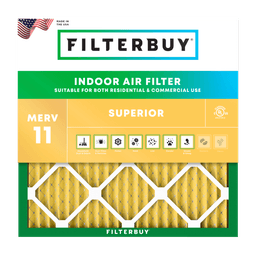
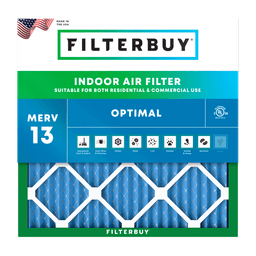
Shop MERV 11 filters→What's the Right Filter for Your AQI Level?


Live Air Quality Index AQI Map Stockton California Today | Filterbuy.com
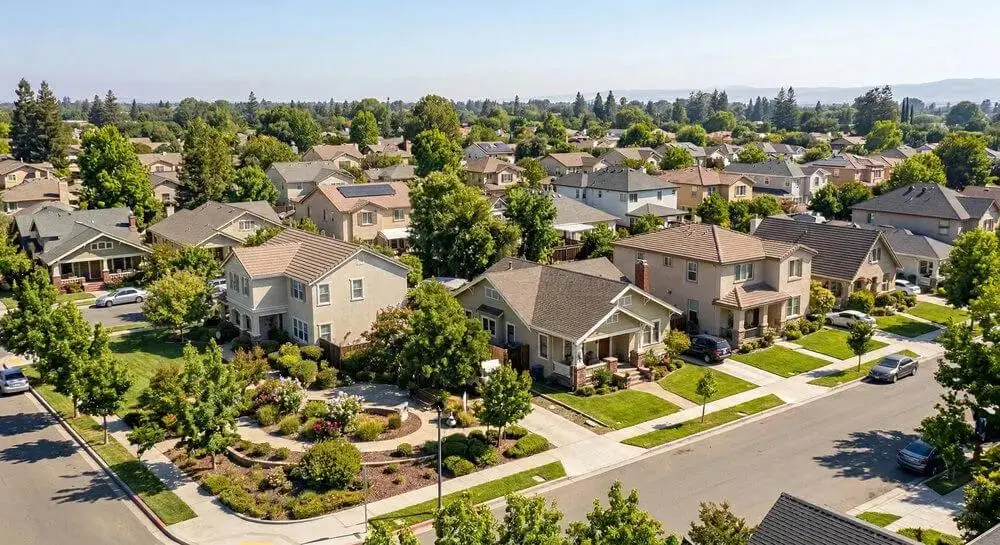
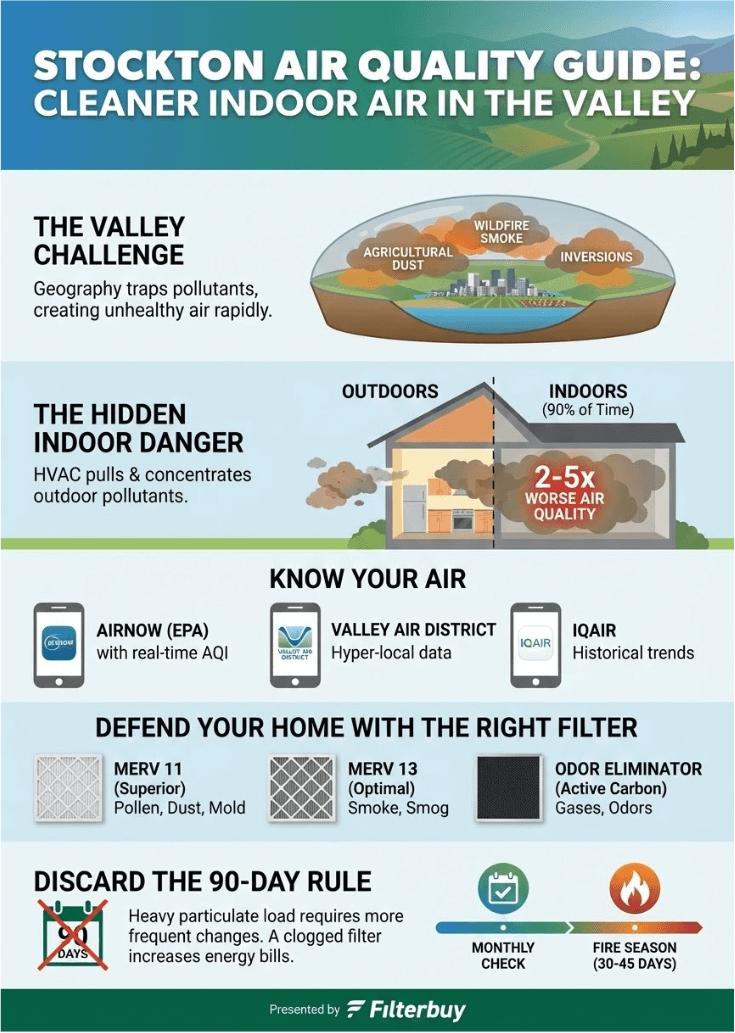
Stockton sits in the heart of the San Joaquin Valley — one of the most air-quality-challenged regions in the country. Agricultural activity, seasonal wildfires, and temperature inversions can push outdoor AQI levels into unhealthy ranges fast, and we've seen firsthand how that affects indoor air. After shipping millions of filters to Central Valley homes, we've learned that homeowners in areas like Stockton tend to need higher-MERV-rated filters and more frequent replacements than the national average, especially during fire season when outdoor pollutants overwhelm standard filtration.
Check today's live AQI conditions for Stockton below, then explore what our experience working with California homeowners has taught us about keeping your indoor air cleaner — no matter what's happening outside.
TL;DR Quick Answers
Live Air Quality Index AQI Map Now Today in Stockton California
Stockton's live AQI fluctuates throughout the day based on temperature inversions, agricultural activity, and wildfire smoke patterns across the San Joaquin Valley. To check current conditions right now:
AirNow (EPA) — Official real-time AQI at gispub.epa.gov/airnow
Valley Air District RAAN — Hyper-local Stockton readings with address-level detail and alerts
IQAir Stockton — Live AQI paired with historical trends and health guidance
After monitoring Stockton's air quality patterns for over a decade through the filters we ship to this region, here's what we know: the outdoor number only tells half the story. On days when Stockton's AQI pushes above 100, your HVAC system is pulling those same pollutants indoors — where the EPA says concentrations can be 2–5x worse. A MERV 11 or MERV 13 air filter is the fastest, most affordable way to protect your indoor air on the days Stockton's outdoor air can't be trusted.
Top 5 Takeaways
Stockton's AQI shifts fast. Inversions, wildfire smoke, and agricultural dust can push readings from good to unhealthy in hours. Check the live map daily.
Indoor air is often worse than outdoor air. The EPA says indoor pollutant levels run 2–5x higher than outside. Your HVAC pulls those pollutants in and circulates them through every room.
90-day filter replacement doesn't work here. From our experience serving the Valley, Stockton filters hit full capacity in 30–45 days during fire season and inversions. Check yours monthly.
MERV rating matters more in the Valley. MERV 11 is our minimum for Stockton. MERV 13 or Odor Eliminator with activated carbon is better for allergies, pets, or smoke exposure.
Don't wait for the next bad air day. Stockton's worst days come without warning. Auto-delivery from Filterbuy keeps a fresh filter ready before you need it.
Understanding Stockton's Air Quality Challenges
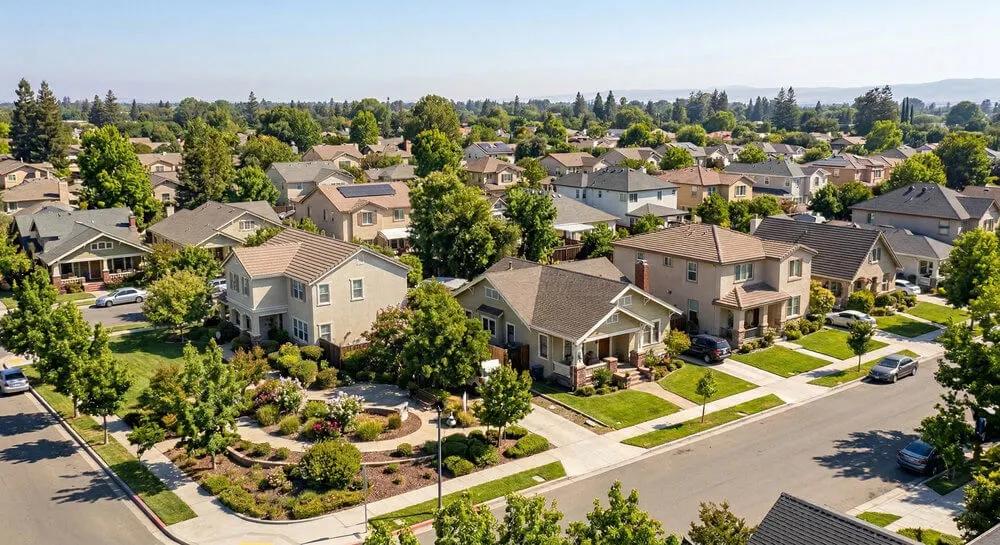
Stockton faces a unique combination of air quality threats that most cities don't deal with year-round. Situated in the Central Valley, the city is surrounded by agricultural operations that generate particulate matter, while its valley geography traps pollutants close to ground level during temperature inversions. Add wildfire smoke that routinely drifts in from the Sierra foothills and Coast Range, and Stockton residents can experience moderate-to-unhealthy AQI readings across multiple seasons — not just summer.
Our live AQI map above pulls real-time data so you can monitor conditions in your neighborhood before heading outdoors or deciding whether to open windows at home.
What Stockton's Outdoor AQI Means for Your Indoor Air
When outdoor AQI levels rise, your HVAC system becomes the frontline defense for your home's air. Every time your system cycles, it's pulling in outside air — along with whatever pollutants are in it. From our experience manufacturing and shipping filters to thousands of Central Valley households, we've found that homes in the Stockton area accumulate particulate buildup on their filters significantly faster than homes in coastal or mountain regions of California.
That means the filter you installed two months ago may already be underperforming. When a filter gets clogged, it stops trapping pollutants effectively and forces your HVAC system to work harder, increasing energy costs and reducing the quality of air circulating through your home.
Choosing the Right Filter for Stockton's Conditions
Not all filters handle Valley air the same way. Based on what we've seen working with homeowners in this region, we recommend MERV 11 or MERV 13 rated filters for most Stockton homes. MERV 11 captures common allergens like pollen, dust mites, and mold spores, while MERV 13 goes further — trapping fine particles from smoke and smog that are especially common during fire season and high-AQI days.
If odors from agricultural activity or wildfire smoke are a concern, our Odor Eliminator filters with activated carbon add another layer of protection by absorbing gases and smells that standard filters miss.
Stay Ahead of Stockton's Air Quality
Checking the AQI is a smart first step. Pairing that awareness with the right filter — and replacing it on schedule — is how you actually protect the air your family breathes indoors. Filterbuy offers over 600 sizes with free shipping direct from our U.S. factories, and our auto-delivery option makes it easy to stay on top of replacements, so you're never caught off guard when the next bad air day hits.
Essential Resources for Monitoring Stockton, California Air Quality Today
Knowing what's in the air outside is the first step to protecting the air inside your home. We've pulled together the seven resources you need most to stay on top of local air quality — from official government monitors to the agencies working to clean up the Valley's air for good.
1. AirNow Interactive Map — Official EPA Real-Time Data
This is the go-to source for checking Stockton's AQI right now. Run by the EPA, AirNow updates hourly with readings for ozone, PM2.5, and PM10 — the pollutants Central Valley residents deal with most. Just type in your zip code, and you'll have your answer in seconds.
URL: https://gispub.epa.gov/airnow/
2. San Joaquin Valley Air District — Stockton Monitoring Station
Nobody knows Valley air better than the local district. Their RAAN tool lets you check air quality for your exact Stockton address and set up notifications so you're never caught off guard when conditions shift. If you want hyper-local data, start here.
3. IQAir Stockton — Live AQI With Historical Context
IQAir pairs today's readings with historical trends so you can see how current conditions compare to Stockton's seasonal patterns. That context matters — what looks moderate in July could be a warning sign in February.
URL: https://www.iqair.com/us/usa/california/stockton
4. SJVAir — Neighborhood-Level Monitoring
Big networks sometimes miss what's happening on your block. SJVAir fills that gap with community-based monitors across the Valley, giving you real-time PM2.5 readings at the neighborhood level. It's the closest thing to having a sensor in your own backyard.
5. California Air Resources Board — Stockton AB 617 Program
Stockton was selected by the state for focused air quality intervention in 2019 — that tells you everything about how seriously California takes this area's pollution challenges. This page tracks the monitoring plans and emissions reduction efforts specific to your community.
URL: https://ww2.arb.ca.gov/capp/com/cip/stockton
6. AccuWeather Stockton — AQI Plus Weather Forecasts
Planning a run or taking the kids to the park? AccuWeather combines air quality data with weather forecasts in one view and breaks down health guidance by sensitivity level. It takes the guesswork out of deciding whether it's a good day to be outside.
URL: https://www.accuweather.com/en/us/stockton/95202/air-quality-index/327149
7. U.S. EPA — San Joaquin Valley Cleaner Air Activities
The San Joaquin Valley has some of the nation's worst air quality, failing to meet federal health standards for both ozone and particulate pollution. This EPA page details the federal investments, enforcement actions, and clean-air programs underway across the Valley — giving Stockton residents a clear picture of what's being done at the national level to improve the air they breathe every day.
URL: https://www.epa.gov/sanjoaquinvalley/air
Supporting Statistics
We've shipped millions of filters to Central Valley homes over the past decade. The data behind Stockton's air quality challenges isn't abstract to us — it matches what we see every day in our order patterns, filter performance, and replacement cycles from this region.
1. Indoor air is 2–5x more polluted than outdoor air.
The EPA reports that Americans spend roughly 90% of their time indoors, where pollutant concentrations are often 2 to 5 times higher than outdoor levels.
What this means for Stockton homeowners:
When outdoor AQI spikes, indoor air can be even worse
Homes running older or lower-rated filters are essentially recirculating pollutants
Upgrading to MERV 11 or MERV 13 is one of the simplest fixes — and one we consistently recommend for this region based on what we've seen firsthand.
Source: U.S. EPA — Indoor Air Quality
2. The San Joaquin Valley has the most particle-polluted communities in the country.
The American Lung Association's "State of the Air" report finds that the nation's most particle-polluted communities are in the San Joaquin Valley, with multiple cities ranking in the top five most polluted for all three measures.
What we see on our end:
Filters from Central Valley customers come back consistently darker and more loaded with particulate than nearly any other region we serve
Standard replacement timelines don't hold up here — Stockton homes need filters checked more often
Our Odor Eliminator line with activated carbon was built for exactly these conditions
Source: American Lung Association — State of the Air 2024
3. Valley air quality has improved — but 1 in 8 days still exceeds health standards.
The Valley Air District reports that days exceeding a health standard have dropped from 47% historically to just 13% in 2024, with 87% of days now meeting all standards.
Why this still matters:
Those remaining unhealthy days cluster during fire season and winter inversions — exactly when homes are sealed tight, and HVAC systems run hardest
That's when your filter is doing the most work, and when a clogged filter can't keep up
Our auto-delivery option ensures Stockton homeowners always have a fresh filter ready before the next bad stretch hits
Source: San Joaquin Valley Air Pollution Control District
Final Thoughts and Opinion: Why Checking the AQI Is Only Half the Job
Monitoring Stockton's air quality is a smart habit — and this page gives you every tool to know what's happening outside your front door. But after more than a decade of shipping filters to thousands of Central Valley homes, here's what we've learned: knowing the number isn't the same as doing something about it.
Most Stockton residents we work with are surprised to find out their indoor air is often worse than what's outside. They check the AQI, close the windows on bad days, and assume they're covered. But their HVAC system is still pulling air in — and a filter that's undersized, low-rated, or overdue is circulating the very pollutants they're trying to avoid.
The homes that maintain the best indoor air in the Valley aren't the ones with the most expensive systems. They're the ones where homeowners:
Choose the right MERV rating for local conditions — not just the cheapest option on the shelf
Replace filters on a schedule that reflects how hard Stockton's air makes them work
Stay ahead of fire season and winter inversions instead of reacting after the damage is done
What We Offer
We built Filterbuy around a simple belief: better air should be easy to get and easy to maintain. That's why we offer:
Over 600 filter sizes to fit virtually any system
MERV 11, MERV 13, and Odor Eliminator options built for real-world Valley conditions
Free shipping direct from our U.S. factories
Auto-delivery so you never fall behind on replacements
In a region where the AQI can shift from green to orange overnight, the best time to have the right filter in place is before you need it.
Next Steps: Protect Your Stockton Home's Air Today
You've checked the AQI. You understand what Stockton's air means for your family. Here's how to put that knowledge to work — starting now.
1. Bookmark Your Go-To AQI Resources
Save AirNow for official EPA data
Add the Valley Air District's RAAN tool for hyper-local Stockton readings
Turn on real-time alerts, so you're never caught off guard
2. Check Your Current Air Filter
Pull it out and look. If it's gray, clogged, or you can't remember when you installed it, it's time. In the Central Valley, filters need replacing more often than the standard 90-day recommendation.
3. Choose the Right MERV Rating
Based on what we've seen working with Valley homeowners:
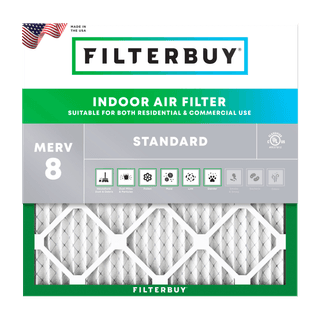
MERV 8 — Basic protection for minimal allergy or pollution concerns
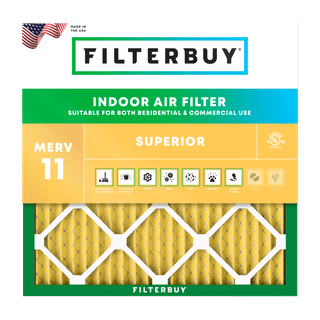
MERV 11 — Our go-to recommendation for most Stockton homes
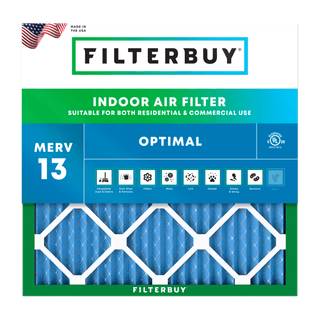
MERV 13 — Best for allergy sufferers, pet owners, and heavy wildfire smoke exposure
Odor Eliminator — Activated carbon for agricultural odors and smoke that standard filters miss
4. Find Your Size and Order Direct
Over 600 sizes available at Filterbuy.com
Free shipping from our U.S. factories
No middlemen, no markups — just enter your dimensions and order
5. Set Up Auto-Delivery
This is the step most homeowners skip — and the one that makes the biggest difference. Pick your schedule, and we'll ship fresh filters before you need them. One less thing to worry about when Stockton's next bad air day hits.
Frequently Asked Questions
Q: What is the Air Quality Index, and what do the AQI numbers mean for Stockton residents?
A: The AQI is a 0–500 scale measuring how polluted your air is at any given moment. Key ranges to know:
0–50 (Good) — Air quality is satisfactory
51–100 (Moderate) — Acceptable, but may concern sensitive individuals
101–150 (Unhealthy for Sensitive Groups) — Children, the elderly, and those with respiratory conditions should limit outdoor time
150+ (Unhealthy) — Everyone should take precautions
What the numbers alone don't show: after tracking Central Valley AQI patterns for over a decade, we've seen Stockton readings jump two or three categories in a single afternoon when inversions settle in, or wildfire smoke arrives. Treat the live AQI map as a daily habit — not an occasional check.
Q: Why does Stockton's air quality change so dramatically from day to day?
A: Geography is the short answer. Stockton sits in a valley basin that traps pollutants at ground level. The main drivers:
Temperature inversions that hold polluted air down like a lid
Wildfire smoke drifting from the Sierra foothills
Agricultural dust from surrounding operations
Vehicle emissions from I-5 and Highway 99
We see the evidence in the filters our Stockton customers return. During calm summer weeks, filters hold up reasonably well. Once fire season and winter inversions arrive, those same filters load up at nearly double the rate. That pattern has been consistent every year we've tracked it.
Q: How does Stockton's outdoor AQI affect the air inside my home?
A: More than most homeowners realize. Here's how it works:
Your HVAC system pulls in outside air every time it cycles
On high-AQI days, PM2.5 from smoke and dust gets drawn straight through your system
Those particles circulate through every room in your home
The EPA reports indoor pollutant levels are typically 2–5x higher than outdoor concentrations
Based on what we've observed working with Valley households, that gap widens significantly when filters are past their prime. We consistently hear from Stockton customers that stepping up from a basic filter to a MERV 13 made an immediate, noticeable difference in allergy symptoms and household dust — feedback we receive from this market more than almost any other region we serve.
Q: How often should I replace my air filter if I live in Stockton?
A: More often than the industry standard of 90 days. We stopped recommending that timeline for Central Valley homes years ago. Here's what we've found:
During fire season and winter inversions, Stockton filters can reach full capacity in 30–45 days.
Homes near major roadways or agricultural operations may need even faster replacement.
Monthly visual checks are the simplest way to stay ahead — if it's gray or clogged, it's overdue.
That's exactly why we built our auto-delivery program. Stockton homeowners can set a replacement cycle that matches what this region actually demands instead of relying on a national average that doesn't apply here.
Q: What type of air filter is best for Stockton's air quality conditions?
A: After shipping to thousands of Valley homes and tracking performance feedback, here's what we recommend for Stockton:
MERV 8 — Basic protection only; not ideal for this region's conditions
MERV 11 — Our minimum recommendation for most Stockton homes; captures pollen, dust mites, and mold spores year-round
MERV 13 — Best for families with allergy sufferers, pets, or heavy wildfire smoke exposure; traps fine PM2.5 particles
Odor Eliminator (activated carbon) — Absorbs agricultural odors and wildfire smoke that standard pleated filters can't touch
In this part of California, we always advise leaning toward more protection. The cost difference between ratings is small. The impact on your indoor air is significant.
Don't Just Monitor Stockton's Air Quality — Take Control of It
Now that you have real-time AQI data and the resources to understand what Stockton's air means for your home, the next step is making sure your indoor air is protected. Find your filter size at Filterbuy.com and get the right MERV-rated filter delivered straight to your door — free shipping, made in the USA, and built for Central Valley conditions.