
Long Beach Real-Time AQI Tracker


Get Alerts For Unhealthy AQI In Your Area
When air quality in your area reaches unhealthy levels, we'll send you a quick alert, along with expert tips on how to reduce your exposure.
What's Actually In Long Beach Air Today?
What High AQI Means for Your Lungs in Long Beach
How to Read AQI
The Air Quality Index (AQI) measures how polluted the air is and how it may affect your health.
0–50 (Good): Air quality is satisfactory.
51–100 (Moderate): Acceptable, but some pollutants may pose minor concerns.
101–150 (Unhealthy for Sensitive Groups)
151–200 (Unhealthy)
201–300 (Very Unhealthy)
301+ (Hazardous)
Moderate
Still okay for most, but if you have asthma or allergies, take it easy and avoid long outdoor workouts.
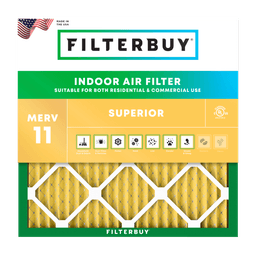
Shop MERV 11 filters→What's the Right Filter for Your AQI Level?


Check Today's Live Real Time Air Quality Index AQI Map in Long Beach, CA Now
Check real-time outdoor air for your neighborhood in Long Beach. See the current AQI number and color, review the rest-of-day outlook, and use it to plan time outside and adjust indoor air steps when levels rise. Readings can change quickly near ports and freeways, so recheck after wind or weather shifts.
TL;DR Quick Answers
Live Air Quality Index (AQI) Map Now Today – Long Beach, CA
Current AQI: Long Beach's Air Quality Index is currently rated Moderate, though readings vary by neighborhood and monitoring station.
What This Means:
AQI around 22 is considered Good level—air quality is satisfactory with little or no health risk
South Long Beach reports an AQI of 56, which falls in the Moderate range
Some monitors show elevated NO2 (nitrogen dioxide) as a main pollutant
Live Map Resources:
IQAir Long Beach – Real-time PM2.5 data
AirNow.gov – EPA official readings
AQICN – Interactive pollution map
Health Guidance:
Good (0-50): No precautions needed
Moderate (51-100): Sensitive individuals should limit prolonged outdoor exertion
Unhealthy for Sensitive Groups (101-150): Children, elderly, and those with respiratory conditions should reduce outdoor activity
Takeaways
Check the live AQI map for your block and nearby areas. Readings can change across short distances.
Watch for quick shifts on hot, sunny, or stagnant days and during busy port activity. Recheck later in the day.
On higher readings, keep windows closed, use HVAC recirculation, and run a HEPA purifier in one main room.
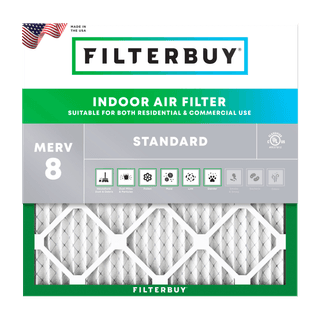
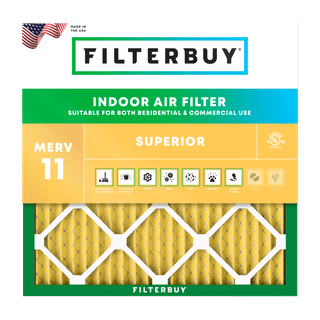
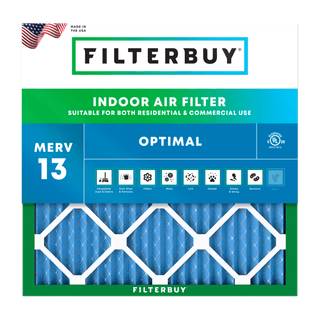
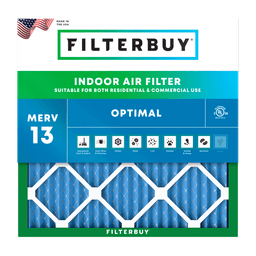
Choose a filter that fits your system: MERV 8 for basics, MERV 11 for pets or mild allergies, MERV 13 for finer smoke and haze if your system allows it.
Long Beach sits beside a major port complex. Ships, trucks, rail, and cargo equipment can raise pollution on busy days.
Regulators are moving toward zero-emission equipment and trucks at the ports, but progress will take time. Adjust daily habits in the meantime.
Why AQI can change quickly in Long Beach
Long Beach sits next to the nation’s busiest port complex. Cargo ships, trains, drayage trucks, and cargo-handling equipment add to pollution on busy days, and sea breezes can push plumes across neighborhoods. Regulators are advancing a plan that would require the Ports of Los Angeles and Long Beach to build charging and fueling networks to shift diesel equipment and trucks toward zero-emission options, though advocates say stronger, faster targets are needed.
In November 2025, the Los Angeles Harbor Commission approved a cooperative agreement with South Coast AQMD and both ports to accelerate zero-emission technology and infrastructure across major sources, including cargo equipment, harbor craft, trucks, trains, and ocean-going vessels.
Also in October 2025, California’s governor vetoed a bill that would have limited the authority of air regulators at the ports, keeping local agencies’ tools in place while port pollution policy talks continue.
How to read today’s map
Open the map and enter your ZIP code. Look at the reading for “Now” and the rest-of-day outlook. Lower readings and cooler colors point to cleaner air and fewer limits on plans. As readings climb, shorten time outside, choose lighter activity, or move exercise indoors. This matters more for people with asthma, COPD, or heart disease, and for young children and older adults.
Quick check routine
Look at “Now,” then scan nearby areas. Conditions can shift across short distances.
Recheck after weather changes, strong sun, or wind shifts.
If readings trend upward, move heavy activity earlier or indoors.
Simple steps for time outside
Keep hard exercise shorter when readings climb. Pick routes away from heavy truck traffic when possible. If you notice coughing, chest tightness, or shortness of breath, head indoors and rest.
Simple steps for cleaner air at home
Close windows and exterior doors during the worst hours. Run your HVAC fan so air passes the filter more often. Use “recirculate” in the car during traffic. Avoid indoor smoke and strong sprays. If you have a portable air cleaner, run it in the bedroom or main living area.

Filters for Long Beach homes: choosing MERV 8, 11, or 13
Think in three tiers:
Everyday protection: MERV 8 helps with dust and larger pollen and helps keep coils and ducts cleaner.
Pets and mild allergies: MERV 11 captures more small particles such as pet dander and many mold spores.
Higher concern about haze or smoke: MERV 13 targets finer particles often present in urban haze and wildfire smoke. Use it only if your system is rated for the added resistance. If you are not sure, follow your HVAC manufacturer’s guide or ask a local technician before moving higher.
When air improves
Wipe hard surfaces with a damp cloth or microfiber. Vacuum rugs with a HEPA-type vacuum if available. Wash bedding and throws. Let the HVAC fan run for a few hours with a clean filter, then check the filter and replace it if it looks loaded.
Why choose Filterbuy for Long Beach
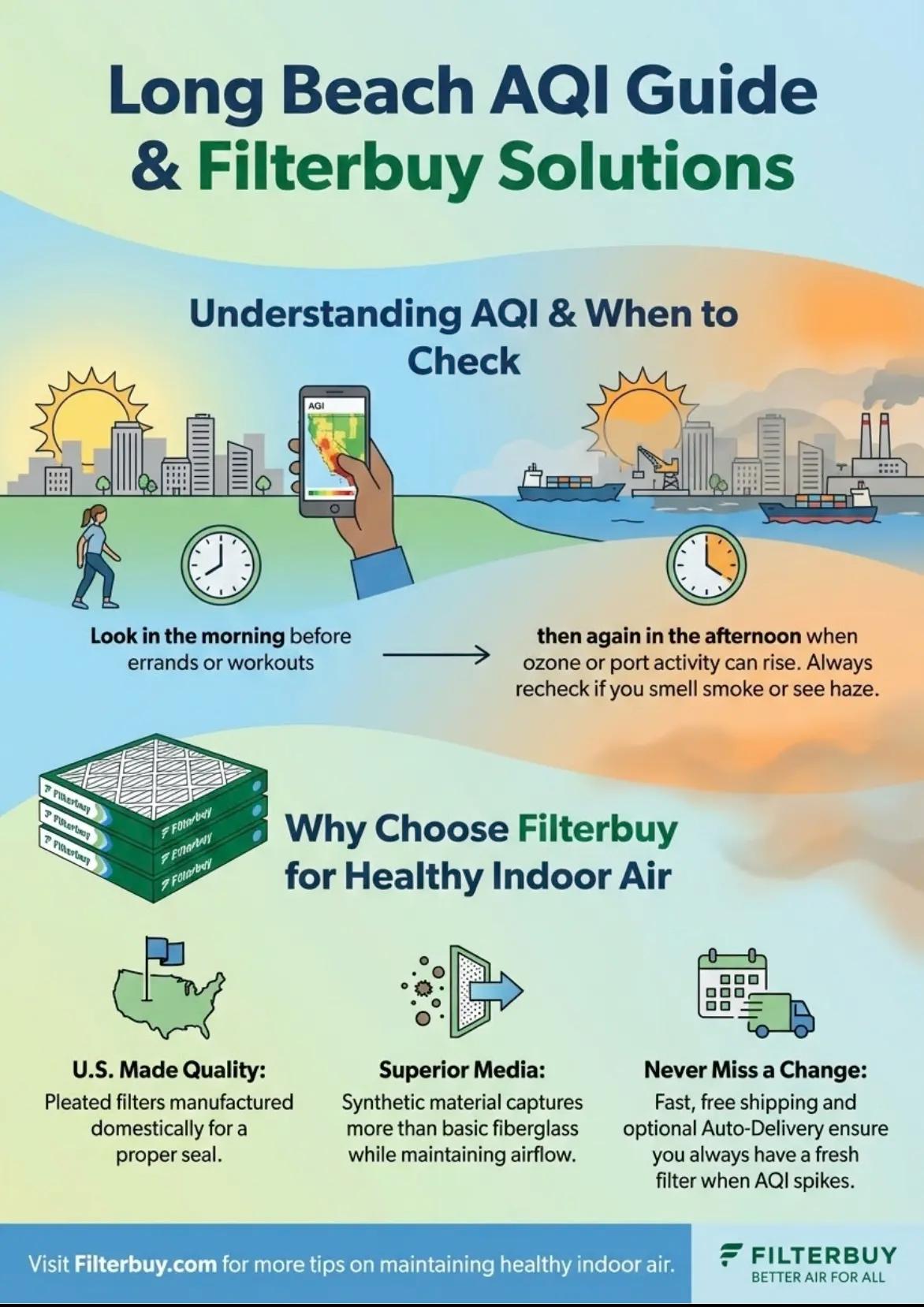
U.S.-made pleated filters in a wide range of standard and custom sizes for a proper seal.
Synthetic, pleated media that captures more than basic fiberglass while supporting airflow when replaced on time.
Typical service life is up to 90 days in many homes, with faster changes for busy households or long run times.
Fast, free shipping in the continental U.S., plus optional Auto-Delivery so you do not miss replacements.
By pairing the live AQI map for Long Beach with the right MERV 8, 11, or 13 filter, you can respond to changing outdoor conditions and keep indoor air more consistent day to day.
FAQs
What is AQI in simple terms?
It is a single number that shows how clean or polluted the outdoor air is right now in your area. Lower numbers mean cleaner air.
How do I use the Long Beach live AQI map?
Type your location, check the number and color for “Now,” then glance at the rest-of-day outlook. Recheck later if wind, heat, or smoke changes.
When should I change plans outside?
If the number climbs into higher colors, shorten outdoor time or move hard exercise indoors. People with asthma, COPD, or heart disease, young children, and older adults should be extra careful.
Why can AQI change fast near Long Beach?
Port traffic, busy freeways, sunshine, and light wind can raise pollution. Sea breezes can shift plumes between neighborhoods within hours.
What helps indoors on high-AQI days?
Close windows and doors, set HVAC to recirculate, and run a HEPA purifier in a main room. Avoid indoor smoke, strong sprays, and frying that adds particles.
Which HVAC filter should I pick?
MERV 8 is a common starting point for dust and larger pollen. MERV 11 helps with smaller particles like pet dander and many mold spores. MERV 13 targets finer particles found in smoke and haze if your system supports it.
What if I do not have central air?
Use a portable HEPA purifier sized for the room and keep windows closed when readings are higher. Create one cleaner room where you spend the most time.
Do masks help outside?
A well-fitting N95 can reduce particle exposure during smoky or hazy periods. Cloth and surgical masks are less effective for tiny particles.
How often should I check the map?
Look in the morning before errands or workouts, then again in the afternoon when ozone or port activity can rise. Check again if you smell smoke or see haze.
What symptoms mean I should head indoors?
Coughing, chest tightness, wheezing, or shortness of breath are signs to stop and move inside to cleaner air. Seek medical advice if symptoms do not improve.