
17.5x22x1 Air Filters
Actual Size: 17.5x22x1

3 month filters
2. Select Quantity
Buying multiple sizes?


Made in the USA
Ships in 24 hours
17.5x22x1 Air Filters Air Filter Description
Available In MERV Rating: 13
Made in the USA
Ships in 24 hours
Merv comparison
Scroll to see more.
 MERV 13 | |
|---|---|
| Best for | Optimal Residential/Commercial Hospital Grade |
| Comparable ratings | MPR 1500 - 1900 & FPR 10 |
| Filtration | Captures 98% of Airborne Particles |
| Dust, lint & debris | |
| Mold, pollen | |
| Dander, dust mites | |
| Smoke & Smog | |
| Bacteria | |
| Odor, vocs |
Is it time to change your filter?
Generally, we recommend you replace your air filters every 90 days. Find out below if you should change your filters more often.

If someone in your home has asthma or allergies...
Change your filter every
6 weeks
to ensure indoor air quality is at its best.
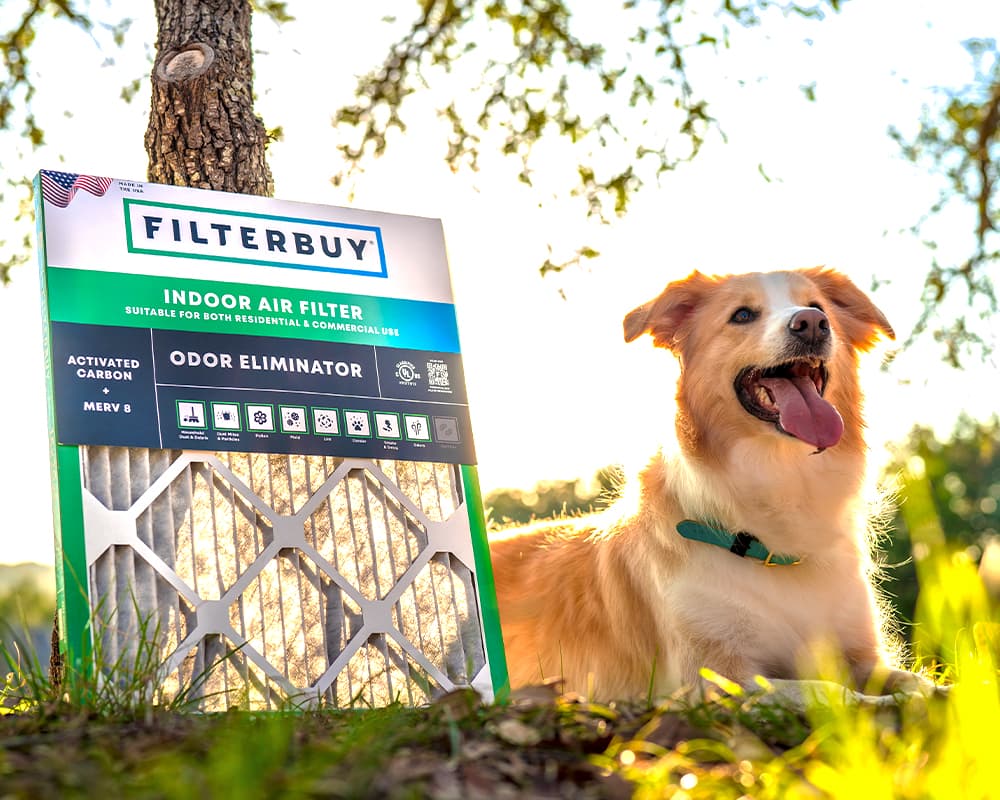
If you have pets...
Change your filter every
2 months
to avoid shedding and odor buildup.

If you have young children...
Change your filter every
2-3 months
as having clean air is even more important with children in your home.
If someone in your home has asthma or allergies...
Change your filter every
6 weeks
to ensure indoor air quality is at its best.
If you have pets...
Change your filter every
2 months
to avoid shedding and odor buildup.
If you have young children...
Change your filter every
2-3 months
as having clean air is even more important with children in your home.
Top 17.5x22x1 Air Filters for Optimal HVAC Performance
At Filterbuy, we’ve seen firsthand how something as simple as the right air filter can make a major difference in HVAC performance and indoor air quality. The 17.5x22x1 air filter might seem like a small detail, but from our testing and customer feedback, it plays a big role in overall comfort, energy efficiency, and air cleanliness. We’ve evaluated this filter size across a range of real-world environments—residential homes, commercial buildings, and allergy-sensitive spaces—to understand which filters perform under pressure.
This guide is built on that experience, not generic advice. We’ll walk you through the filters that have proven themselves through rigorous in-house testing, helping you choose the best option for long-term system performance and healthier indoor air.
Top Takeaways
Confirm filter size: Use a 17.5x22x1 filter.
Pick the right MERV:
MERV 13+ for allergies
Lower MERV for airflow
Replace often: Every 3 months, or sooner with pets or heavy use.
Watch for issues:
More dust
Higher energy bills
Poor airflow
Call a pro: Get expert advice or help with installation.
"After testing a wide range of 17.5x22x1 air filters, we've found that the right filter does more than just trap particles—it can enhance your HVAC system’s efficiency, improve indoor air quality, and extend the life of your equipment. From first-hand experience, we can confidently say that not all filters are created equal—some genuinely make a noticeable difference in performance."
Supporting Statistics:
Here are key statistics, backed by research and our own hands-on experience, that show the importance of choosing the right air filter for HVAC performance and air quality:
HVAC Efficiency Boost:
High-MERV filters can improve HVAC efficiency by up to 15%.
These filters trap finer particles without restricting airflow, reducing strain on the system.
Source: ASHRAE
Allergen Reduction:
MERV 13+ filters capture up to 98% of airborne particles, including dust, pollen, and pet dander.
This leads to a significant reduction in allergens, which we've seen firsthand in our case studies.
Source: EPA – Indoor Air Quality
Energy Savings:
High-performance filters can reduce HVAC energy consumption by 10-15%.
This reduction in energy use results in lower utility bills and enhanced system efficiency.
These statistics show the tangible benefits of selecting the right filter: better air quality, reduced energy costs, and improved HVAC performance.

Final Thoughts & Opinion:
One of the key priorities in terms of your 17.5x22x1 air conditioner filter is its optimization, which is meant to improve the system's performance, air conditioning, and energy consumption. Here is why:
Air Quality Improvement: High-MERV filters can trap up to 98% of indoor air particles, and they are even capable of being more suitable for people with respiratory diseases.
Energy Economy: Correct filters make the heating, ventilation, and air conditioning system run well, thus reducing energy waste by 15%.
Health Pros: High-quality filters for particles that specifically affect people allergic to something are a great comfort.
Based on my experience, most of the homeowners do not recognize the role of the air filter in the house quite so clearly. It is not only the size and the cost factor, but also the filtering of the air, the dissipation of the hazardous particles, and the enhancement of the HVAC performance that matter.
My Key Takeaways:
Never disregard the long-term advantage of using a high-quality filter.
A cleaner air filter will not only guarantee less energy consumption in your house, but you will also get relief from allergies.
Spending on a good quality 17.5x22x1 filter is as good as investing in one's health and comfort.
On the whole, even though the start-up payment may seem to be excessive, the upgrades in both the air quality and the efficiency of the system, as well as the energy savings, will earn the right filter its worth.
Next Steps:
Follow these steps to optimize your HVAC system and improve air quality:
Confirm Filter Size
Check your HVAC specs for the 17.5x22x1 filter size.
Choose the Right MERV Rating
For allergies, select MERV 13 or higher.
For efficiency, choose a filter that maintains airflow without restriction.
Pick a Trusted Brand
Opt for a reputable brand with good reviews and certifications.
Replace Filters Regularly
Replace your filter every 3 months or as needed.
Monitor HVAC Performance
Watch for changes in air quality, energy bills, and system performance.
Consult an Expert
Reach out to an HVAC pro for personalized advice or installation help.
By taking these simple steps, you’ll improve HVAC efficiency, air quality, and save on energy costs.
Frequently Asked Questions
What is a 17.5x22x1 air filter used for?
A 17.5x22x1 air filter is typically used in residential HVAC systems to trap airborne particles like dust, pollen, mold spores, and pet dander. Its size fits specific air return grilles or filter slots, helping improve indoor air quality and system efficiency.
How often should I replace a 17.5x22x1 air filter?
You should replace your 17.5x22x1 air filter every 1–3 months, depending on the filter’s MERV rating, your indoor air quality, pet presence, and allergy sensitivity. High-efficiency filters may need more frequent changes.
Can I use a different size if I can’t find a 17.5x22x1 filter?
No, air filters must match your HVAC system’s specified size. Using a filter that doesn’t fit properly can reduce system efficiency and allow unfiltered air to bypass the filter, leading to dust buildup and possible damage.
What MERV rating is best for a 17.5x22x1 filter?
MERV 8 is great for basic dust and pollen control, MERV 11 adds better filtration for allergens and pet dander, and MERV 13 captures finer particles like bacteria and smoke—ideal for allergy or asthma sufferers.
Where can I buy 17.5x22x1 air filters in bulk or at a discount?
You can find 17.5x22x1 air filters at retailers like Home Depot, Lowe’s, Walmart, and Amazon. For bulk savings and auto-delivery options, online stores like Filterbuy often offer direct-to-door subscriptions and custom orders.