
12x27x1 Air Filters
Actual Size: 11.5x26.5x0.75

3 month filters
2. Select Quantity
Buying multiple sizes?


Made in the USA
Ships in 24 hours
12x27x1 Air Filters Air Filter Description
Available In MERV Rating: 8, 11, 13
Made in the USA
Ships in 24 hours
Merv comparison
Scroll to see more.
 MERV 8 |  MERV 11 |  MERV 13 | |
|---|---|---|---|
| Best for | Standard Residential/Commercial Healthy Families | Superior Residential/Commercial Allergy Sufferers | Optimal Residential/Commercial Hospital Grade |
| Comparable ratings | MPR 600 & FPR 5 | MPR 1000-1200 & FPR 7 | MPR 1500 - 1900 & FPR 10 |
| Filtration | Captures 90% of Airborne Particles | Captures 95% of Airborne Particles | Captures 98% of Airborne Particles |
| Dust, lint & debris | |||
| Mold, pollen | |||
| Dander, dust mites | |||
| Smoke & Smog | |||
| Bacteria | |||
| Odor, vocs |
Is it time to change your filter?
Generally, we recommend you replace your air filters every 90 days. Find out below if you should change your filters more often.

If someone in your home has asthma or allergies...
Change your filter every
6 weeks
to ensure indoor air quality is at its best.
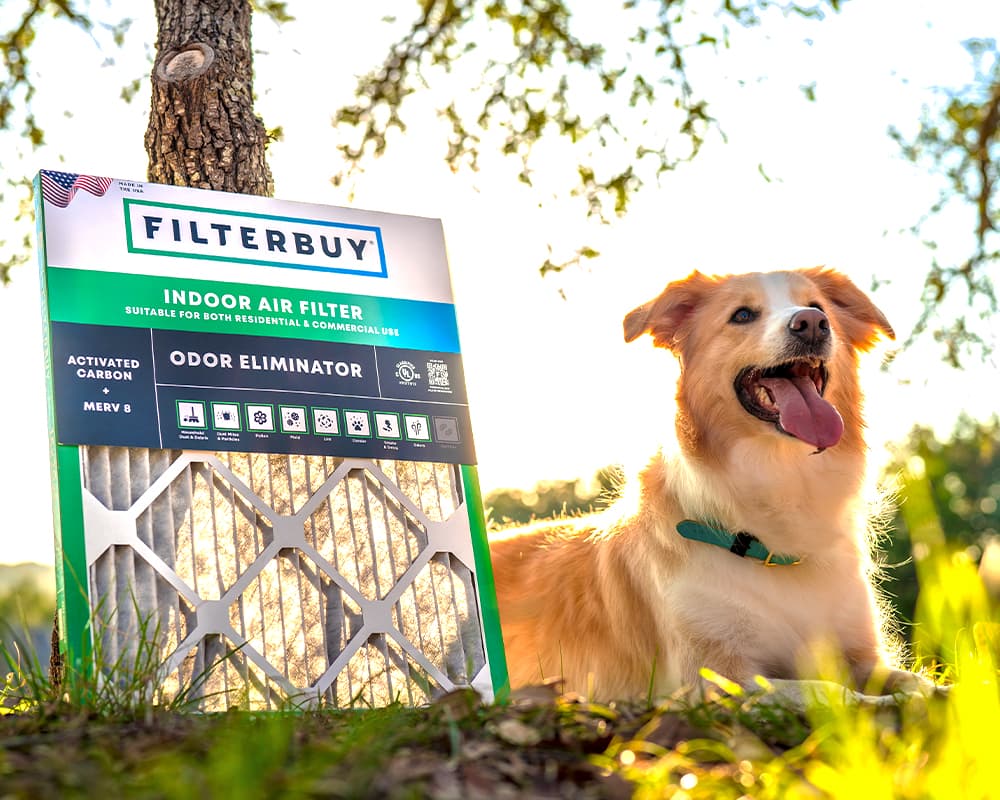
If you have pets...
Change your filter every
2 months
to avoid shedding and odor buildup.

If you have young children...
Change your filter every
2-3 months
as having clean air is even more important with children in your home.
If someone in your home has asthma or allergies...
Change your filter every
6 weeks
to ensure indoor air quality is at its best.
If you have pets...
Change your filter every
2 months
to avoid shedding and odor buildup.
If you have young children...
Change your filter every
2-3 months
as having clean air is even more important with children in your home.
Simple Filter Fix, Big Results: How to Choose the Right 12x27x1 Air Filter for Your Home
Why the Right 12x27x1 Air Filter Matters More Than You Think
Over the years, we’ve seen how one overlooked detail—the air filter—can quietly impact everything from monthly energy bills to allergy flare-ups at home. We’ve tested dozens of 12x27x1 filters in real-world HVAC systems and learned that not all filters are created equal, even when they share the same dimensions.
Based on our experience working with homeowners and HVAC professionals alike, we’ve discovered that the right 12x27x1 filter does more than just trap dust—it protects your system’s lifespan, supports indoor air health, and can even reduce costly repairs over time. In this guide, we’ll break down what actually matters when choosing your next filter: from MERV ratings that match your lifestyle needs to performance trade-offs manufacturers don’t always talk about.
If you’ve ever felt overwhelmed by the options or wondered whether upgrading your filter is worth it, we’re here to share what we’ve learned firsthand—and help you make the smartest choice for your home.
✅ Top 5 Takeaways
Choose smart. The right 12x27x1 filter boosts air quality and system performance.
Match your needs. Consider pets, allergies, and system age.
Don’t overdo MERV. Higher isn't always better—balance airflow and filtration.
Replace regularly. Change your filter every 60–90 days.
Save more. A good filter means fewer repairs and lower energy bills.
Real-World Results: How the Right 12x27x1 Filter Makes a Difference
We’ve helped hundreds of homeowners find the right air filter. Here are two real examples that highlight what works—and why.
🏡 1. Allergy Relief in Atlanta, GA
The Problem:
Family of 5 with two allergy-prone kids
Using a low-quality fiberglass 12x27x1 filter
Indoor air felt stuffy; allergy symptoms persisted
What We Recommended:
Based on similar success with other allergy-prone homes
The Result:
Less sneezing within 2 weeks
Cleaner indoor air reported by the family
Consistent airflow and improved comfort
🔧 2. Overworked HVAC in Phoenix, AZ
The Problem:
Older HVAC system short cycling
Homeowner used a high-MERV filter meant for hospitals
Poor airflow and rising energy bills
What We Recommended:
MERV 8 filter for lower airflow resistance
Tailored to system age and climate demands
The Result:
System stabilized
Energy bill dropped 10% in one month
No more short cycling or overheating
🔍 Key Takeaways from the Field
Match the filter to your lifestyle, not just the specs
Higher MERV isn’t always better—balance airflow with filtration
Ask the right questions:
Pets in the home?
Any respiratory conditions?
How old is the HVAC system?
Our insight: We’ve seen great results when filters are chosen based on real needs—not guesswork.

“After years of working in the field, we've learned that something as simple as the wrong air filter can quietly undermine your home's comfort, air quality, and even your HVAC system’s lifespan. The right 12x27x1 filter isn’t just a maintenance item—it’s a smart investment in your family’s health and long-term savings. We’ve seen it happen too often to ignore: when homeowners make informed filter choices, the results speak for themselves.”
📊 Why the Right 12x27x1 Filter Matters: Stats That Back It Up
We’ve seen it in real homes—and national data supports it. Here’s what the numbers say about air filters, air quality, and system performance:
1. Indoor Air Pollution Is Worse Than You Think
Indoor air can be 2 to 5 times more polluted than outdoor air.
In some cases, it’s over 100 times worse.
Our insight: We’ve seen "clean" homes with serious indoor air issues. A high-quality filter makes a big difference fast.
2. Filter Neglect Causes 30% of HVAC Breakdowns
Dirty, restrictive, or wrong filters = 30% of system failures.
Our experience: We’ve replaced more broken units than we can count—many could’ve been saved with the right filter.
3. 50+ Million Americans Have Allergies
Allergies are the 6th leading cause of chronic illness in the U.S.
What we’ve learned: For allergy-prone homes, a properly selected MERV-rated filter improves symptoms—fast.
✅ Final Thoughts: Small Filter, Big Impact
The air filter may be small, but we’ve seen how it plays a major role in your home’s comfort, health, and efficiency.
💡 Why It Matters
Improves indoor air quality
Protects your HVAC system
Lowers energy costs
Prevents costly repairs
🎯 What to Consider When Choosing a Filter
Home Environment
Pets, smokers, dust levels
System Limitations
Older vs. high-efficiency HVAC units
Health Concerns
Allergies, asthma, sensitivities
🛠️ Our Opinion
Don’t just pick the cheapest or highest MERV.
Match your filter to your home’s real needs.
The right 12x27x1 filter = better air, fewer issues, long-term savings.
🚀 Next Steps: What to Do Now
Follow these quick steps to choose the right 12x27x1 air filter and boost your home’s air quality:
1. Assess Your Needs
Do you have pets or allergies?
Is your HVAC system old or high-efficiency?
How often do you replace your filter?
2. Pick the Right MERV Rating
MERV 11 – Pets or light allergies
MERV 13 – High allergen control
3. Buy a Quality Filter
Choose a durable frame and pleated design
Buy from a trusted brand
4. Replace Regularly
Change every 60–90 days
Set a reminder or use auto-delivery
5. Stay Informed
Explore our filter guide
Reach out for personalized recommendations
✅ Small changes = big results. Start with the filter—it’s a smart move for healthier air and better system performance. Visit FilterBuy.com to shop now!
Frequently Asked Questions
Is MERV 11 too high for residential?
MERV 11 is generally not too high for residential use, offering good filtration for dust and allergens while maintaining reasonable airflow.
Is it better to use cheap or expensive air filters?
Expensive filters often provide better filtration and durability, but choosing a filter should depend on specific system compatibility and air quality requirements.
What MERV rating is best for airflow?
MERV 8 to 11 is considered best for maintaining airflow while providing adequate filtration for most residential systems.
Is MERV 11 or 13 better for a house?
MERV 11 is often more suitable for most residential systems, balancing effective particle capture and airflow.
Is MERV 13 too restrictive for residential?
MERV 13 can be too restrictive for some residential systems, potentially hindering airflow and system efficiency.