
Heat Pump for Cooling Your House: What You Need to Know
October 16, 2025

A heat pump can cool your home in summer and heat it in cooler months with the same equipment.
In this blog, we’ll explain what heat pump cooling is, how it works, the main system types, and how filters support airflow and indoor air quality.
Key takeaways
A heat pump cools by moving heat from inside to outside, similar to a central air conditioner.
You can cool with a ducted heat pump that uses central ducts or a ductless mini split that serves rooms directly.
Comfort and efficiency depend on correct sizing, clean airflow, and good filtration.
Ducted heat pumps use the same pleated HVAC filters that Filterbuy sells. Ductless mini splits use washable screens that you clean.
Replace or clean filters on time to protect efficiency and indoor air quality.
What is heat pump cooling
A heat pump is an electric system that moves heat with refrigerant. In cooling mode, the indoor coil absorbs heat from your home, and the outdoor coil releases that heat outside. The indoor blower sends the cooled air through ducts or into a room head for ductless systems.
Cooling steps
Warm indoor air passes over a cold evaporator coil.
Refrigerant carries the heat to the outdoor unit.
The outdoor coil releases the heat to the outside air.
The blower delivers cooled air back into the space.
This is why people say they are cooling with a heat pump. In summer it works like a central AC. In cooler months the cycle reverses to provide heat.
System types for cooling with a heat pump
Ducted heat pump
Uses your home’s ductwork with an indoor air handler and one outdoor unit.
Feels like a traditional central AC to the homeowner.
Supports whole-home filtration at the return filter.
Ductless mini split
Uses one outdoor unit with one or more indoor heads on the wall or ceiling.
Good for homes without ducts and for additions or problem rooms.
Allows zoned cooling because you run only the rooms you use.
Efficiency basics
SEER2 shows seasonal cooling efficiency.
EER2 shows efficiency at a fixed outdoor temperature.
Higher numbers mean less electricity for the same cooling. Proper installation, sealed ducts, and correct airflow are essential to reach rated performance.
Sizing and design
Ask a licensed contractor for a Manual J load calculation. This matches equipment size to your home’s insulation, windows, and climate.
Oversized systems can short cycle and remove less humidity. Undersized systems may run constantly on very hot days.
Duct layout, return placement, and register balancing affect room comfort and noise.
Humidity control
When a heat pump cools, moisture condenses on the indoor coil and drains away. Good humidity control depends on correct sizing, clean coils, a clear condensate drain, and air handlers that can run at lower fan speeds for longer cycles when needed. Very humid homes sometimes add a standalone dehumidifier.
Filters and indoor air quality — regular filter changes matter.
Timely filter changes maintain system airflow and keep filtration performance high.Clean filters reduce dust and allergens in the air, support better humidity control during cooling, and protect the blower and coil from buildup that can lead to higher energy use or repairs. A dirty filter can increase runtime, raise utility bills, and allow bypass of fine particles that affect indoor air quality.
Ducted heat pumps
Ducted heat pumps use the same pleated HVAC return filters that central AC and furnaces use. A clean, properly rated filter protects the blower and indoor coil and keeps airflow in the target range.
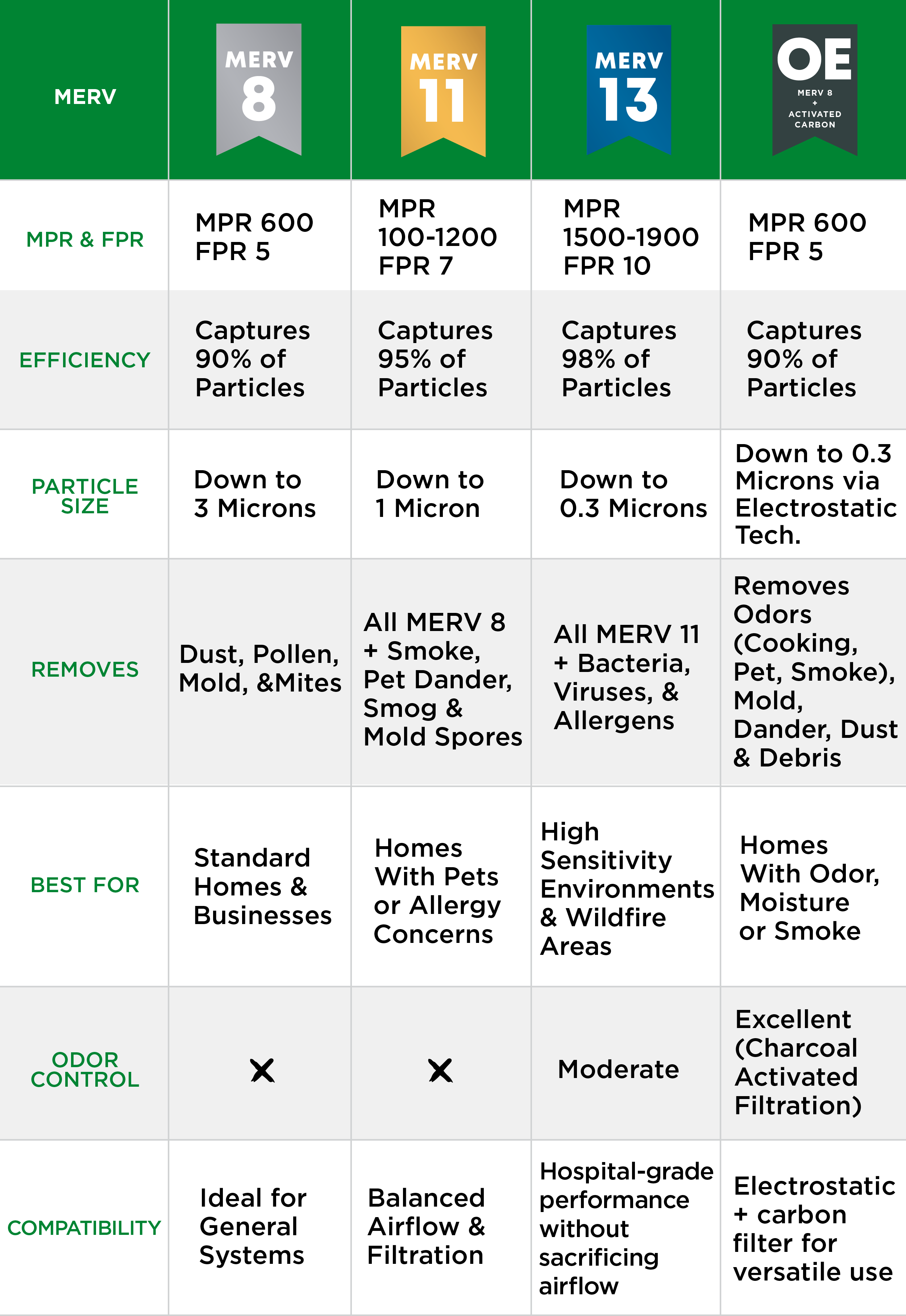
Choose a filter rating your system supports
MERV 8 for everyday dust and lint.
MERV 11 for pet dander and many allergens.
MERV 13 for finer particles if your equipment and ducts maintain normal airflow.
Filter Fit and replacement
Order by the nominal size on the frame. The filter should sit square with no gaps.
Check monthly and replace every one to three months based on dust, pets, and runtime.
Do not add filters to supply registers. Supply vents should deliver already filtered air.
Ductless mini splits
Mini split indoor heads use washable mesh screens. Remove and clean them on the schedule in your manual. These heads do not accept pleated HVAC filters. If you want finer room filtration, pair a mini split with a portable HEPA air purifier that is sized to the room.
Maintenance that preserves cooling performance
Keep two feet of clear space around the outdoor unit and remove leaves from the coil.
Rinse the outdoor coil with gentle water flow if it becomes dirty.
Ensure the indoor condensate drain is clear and pitched to drain.
Replace or clean filters on time.
Have a professional check refrigerant charge, electrical connections, and airflow at regular service intervals.
Quality and Fast, Free Delivery of Heat Pump Filters from Filterbuy
If your heat pump is ducted, it uses the same return filter as a central AC or furnace. Choose a snug-fitting pleated filter in MERV 8, 11, or 13. Filterbuy offers standard and custom sizes, made in the USA, with fast free shipping and optional Auto Delivery.
A properly sized heat pump, paired with a snug fitting MERV rated return filter and timely maintenance, delivers efficient cooling and cleaner indoor air.
FAQs
What is heat pump cooling in simple terms?
It is a system that moves heat from inside your home to the outside. The indoor air gets cooler as the system removes heat and releases it outdoors.
Is a heat pump the same as an air conditioner in summer?
Yes. In cooling mode a heat pump works like a central air conditioner. It moves heat out of your home using refrigerant.
Can a heat pump cool a house in very hot climates?
Yes, if it is sized and installed correctly. Proper duct design, airflow, and equipment capacity are important for hot weather performance.
What is the difference between ducted and ductless heat pumps?
A ducted heat pump uses your home’s ducts and a central air handler. A ductless mini split uses one or more indoor wall or ceiling units to cool specific rooms.
Do ducted heat pumps use replaceable filters?
Yes. Ducted systems use pleated HVAC return filters at the air handler or a return grille. Replace them on schedule to protect airflow and the coil.
Do ductless mini splits use the same filters?
No. Mini split heads use washable mesh screens that you clean. They do not accept pleated HVAC filters. For finer room filtration you can add a portable HEPA purifier.
Which MERV rating should I choose for a ducted heat pump?
Use the highest MERV your system supports while keeping airflow normal. MERV 8 is common for dust. MERV 11 helps with pet dander and many allergens. MERV 13 targets finer particles if your equipment and ducts can handle the added resistance.
How often should I replace or clean filters?
Check monthly. Replace pleated HVAC filters every one to three months based on dust, pets, and runtime. Clean mini split screens on the schedule in your manual.
Does a heat pump control humidity?
Yes. In cooling mode moisture condenses on the indoor coil and drains away. Good dehumidification depends on correct sizing, clean coils, and proper airflow.
What efficiency ratings should I look for?
SEER2 shows seasonal cooling efficiency. EER2 shows efficiency at a specific test condition. Higher numbers mean less electricity for the same cooling.
Can a heat pump replace my existing central AC?
Often yes. A modern heat pump provides the same cooling as central AC and can also heat your home in cooler months.
Where does Filterbuy fit with heat pumps?
If your heat pump is ducted you need a snug fitting pleated HVAC return filter. Filterbuy offers MERV 8, 11, and 13 filters in standard and custom sizes that ship fast with free delivery. If your heat pump is ductless you will clean the built in screens and may add a room air purifier for finer filtration.
Should I put filters on supply vents?
No. Supply vents should deliver air that is already filtered. Adding media at supply vents can reduce airflow and increase noise.
What maintenance keeps cooling performance high?
Keep the outdoor unit clear of debris. Make sure the condensate drain is clear. Replace or clean filters on time. Schedule professional service for airflow checks and refrigerant charge.