Shop by
Sign up for air quality alerts sent straight to your email.
Air Quality Index (AQI) simplifies outdoor air conditions on a scale from 0 to 500. Lower is better. If AQI is high, use a higher-rated filter indoors and limit outdoor exposure.
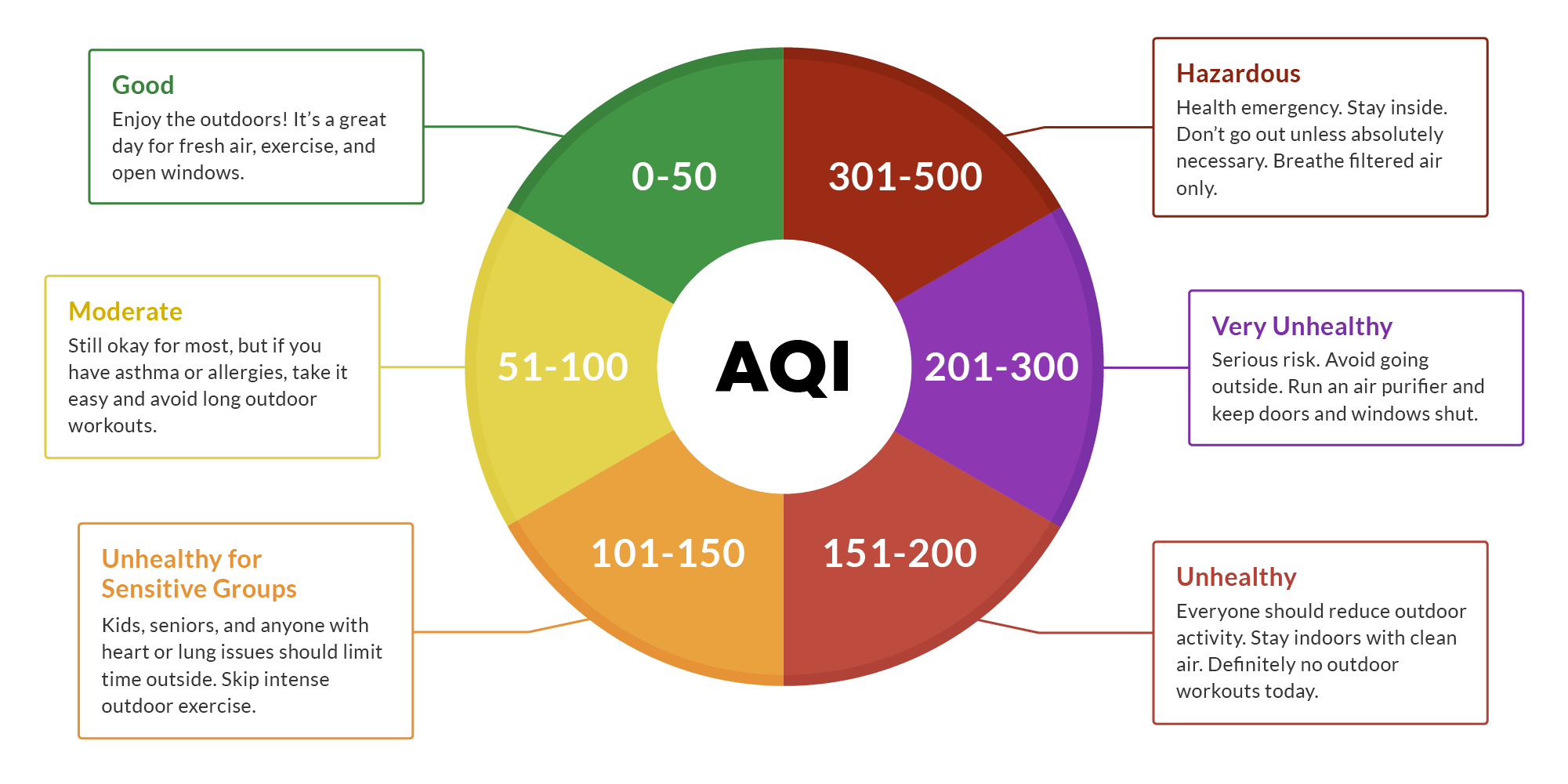

From smoke, combustion; tiny enough to reach lungs and bloodstream.

Dust, pollen, mold spores—irritating to eyes, nose, and throat.

Forms in sunlight; can irritate airways and worsen asthma.

From traffic, gas appliances; respiratory irritant.
Industrial sources; can trigger breathing issues.
From paints, cleaning products, cooking; contribute to odors and indoor irritation.
Why it matters: Poor air quality can aggravate asthma/allergies, reduce sleep quality, and increase long‑term health risks. Indoors, a well‑sealed home with the right filter helps reduce exposure.
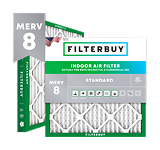
Everyday Value
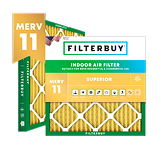
Great for Allergies
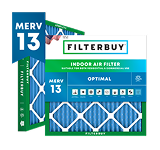
Best for Smoke
Run HVAC on "Auto" with a MERV 8–11 filter; replace on schedule.
Consider MERV 11; close windows during high pollen hours.
Upgrade to MERV 11–13; run fan to recirculate through filter; avoid indoor burning/candles.
Use MERV 13; create a clean room; use portable HEPA if available; seal drafts.
Stay indoors; MERV 13+ run HVAC continuously; change filters more often.
Shelter indoors; MERV 13+ change filter once visibly loaded; avoid introducing smoke/chemicals.
Sign up for air quality alerts sent straight to your email.
Discover expert tips, seasonal guides, and indoor air hacks to help you breathe easier—whether you're battling wildfire smoke, allergy season, or everyday pollutants.

Experts and real users agree on this replacement secret. See what they recommend it.
READ MORE
Your air conditioner filter is your first line of defense against this hazardous air pollution.
READ MORE
Wildfire smoke can travel farther than you think—impacting air quality miles away.
READ MORE
Filtration is the key to a cleaner, safer lifestyle.
READ MORE