The moment a wildfire starts near you, you'll get an instant alert and simple tips to reduce your smoke exposure.
30xSmaller than a human hair
Fine enough to reach deep into the lungs. A MERV 13 is built to capture it.
It Doesn't Stay Local
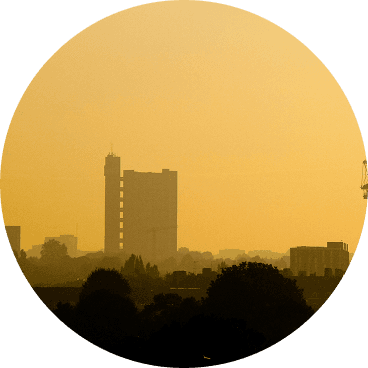
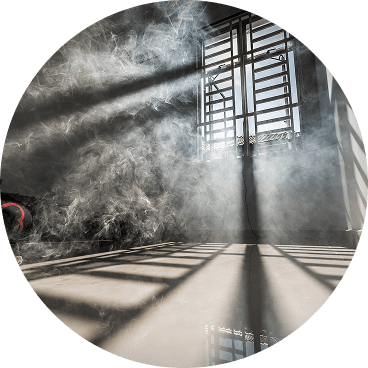
Smoke rides the wind far downwind — you can get smoky air with no fire nearby.
Simple steps to reduce indoor exposure.
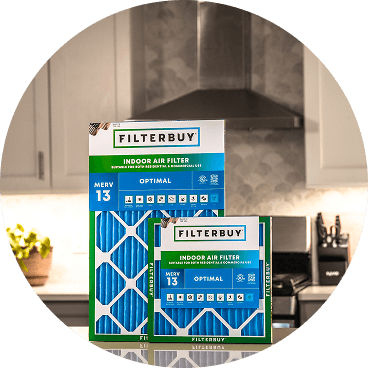
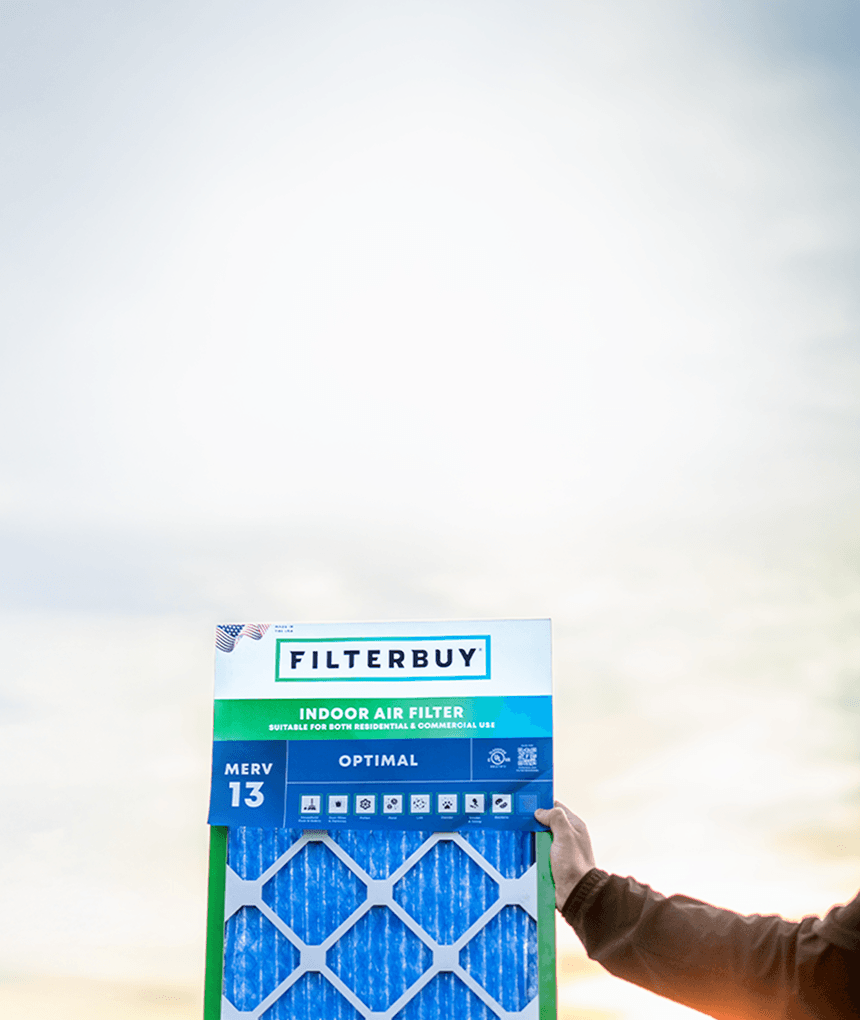
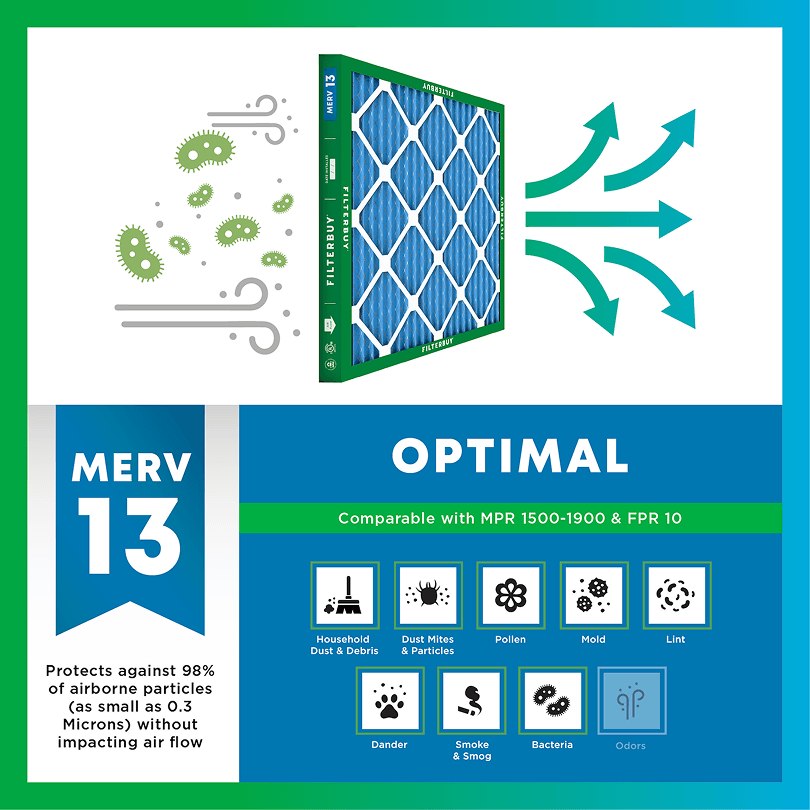
During smoke events, the EPA recommends upgrading to a MERV 13 filter — or the highest-rated filter your system can handle — to help reduce the fine particles smoke brings indoors. MERV 13 is the level most home HVAC systems can run while still capturing PM2.5, the fine particulate that makes up the bulk of wildfire smoke.

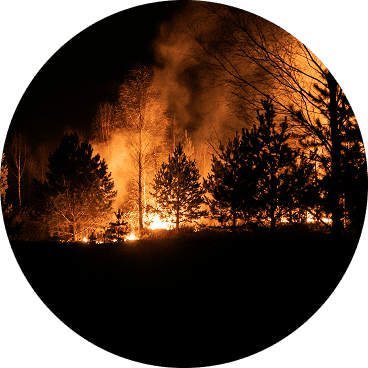
Over 70,000 wildfires burn in the U.S. every year.
Wildfire smoke can travel 1,000+ miles, affecting states that aren't even near the blaze.
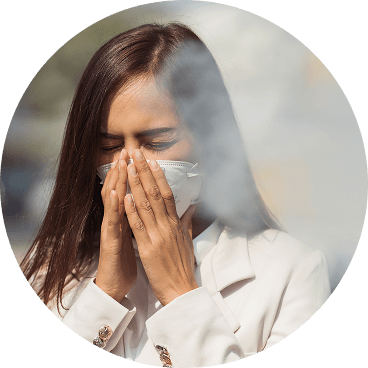
Exposure to wildfire smoke can worsen asthma, trigger heart issues, and lead to ER visits.
Indoor air can hold more fine particles during wildfire events unless it's properly filtered.
The EPA advises using MERV 13 filters or portable HEPA air cleaners during wildfire smoke events.
Use the live wildfire smoke tracker and upgrade your air filters today to protect your lungs and your home.
Shop Filters For Smoke Protection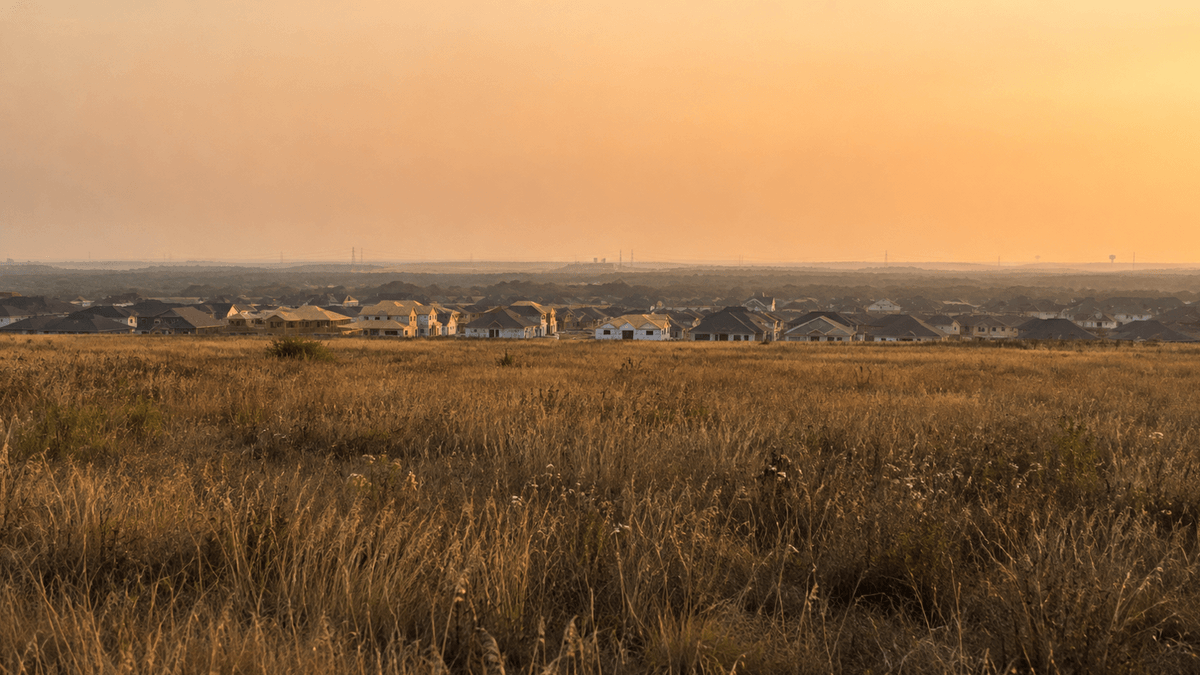
By Michelle Wan, Brand Manager & Air Quality Writer
Reviewed By: David Clark, Licensed HVAC Technician
Published: August 15, 2026 | Updated: August 15, 2026
McKinney sits on prairie rather than timber, so a forest wildfire inside city limits was never the real threat here. Two other things are: the wildland-urban interface zones McKinney’s emergency management identifies within the city, where a grass fire can reach homes, and the smoke that drifts in from fires hundreds of miles away several times a year. The live map above tells you which of the two you are dealing with today.
Most hazy days in McKinney are imported smoke rather than local fire. If the AQI is under 100, carry on as normal. If it is over 100, close the house, shut the fresh-air intake, run the HVAC fan continuously, and put a clean MERV 13 filter in the return.
McKinney has no forest, but it does have a wildland-urban interface. The city identifies WUI zones inside its limits. The fuel here is grass, not timber.
No TCEQ air monitor sits in McKinney. All three Collin County monitors are in Frisco, 15 miles southwest, so wind direction decides whether that reading is early warning or old news.
Texas fire season peaks in winter and spring, not summer. Grass fire risk runs January through May, while Collin County burn bans usually land in mid-to-late summer.
MERV 13 captures the PM2.5 in smoke, but not carbon monoxide or ozone.
No. McKinney sits on the Blackland Prairie, an ecoregion of deep clay soils and native grasses rather than timber. Texas A&M Forest Service’s Wildland Fuel Model Guide treats North Texas as grass-dominant, and notes many regional wildfires start in grass near roads or homes.
That does not make McKinney low-risk. Writing the Plano page, we described local ignition as rare; McKinney does not read the same way. The city is still expanding into former pasture and ranchland on its northern and eastern edges, and states the case plainly on its hazards page: many spaces in McKinney are wildland-urban interface zones where development mixes with wildland, and homes near them are susceptible to wildfire.
A forest fire is not coming to McKinney. A fast-moving grass fire on a dry, windy February afternoon could, and imported smoke arrives more often than either. The same pattern holds in nearby Plano and Dallas.
None of them are in McKinney. Filterbuy publishes live smoke maps for cities across North America, and we start each one by finding who actually measures the air. In Collin County, TCEQ’s station records put all three regulatory monitors in Frisco, about 15 miles southwest of downtown.
The nearest regulatory network, per TCEQ’s air monitoring site list and its station-by-station records:
Source: Filterbuy analysis of TCEQ air monitoring site data, August 2026. Distances are approximate.
Every city page we build starts the same way. We go find out who is actually measuring the air. For McKinney, the answer stopped me: a city this size, and not one regulatory monitor inside its limits. The number on your weather app comes from Frisco, fifteen miles southwest. That doesn’t make it useless. It makes it a starting point instead of an answer.
Michelle Wan, Brand Manager & Air Quality Writer, Filterbuy
Wind direction decides whether that number is an early warning or old news. On the AirNow Fire and Smoke Map, regulatory monitors and low-cost sensors use different icons, so read two or three and watch the spread. Then check which way the air is moving.
Wind from the south or southwest, the usual setup when smoke arrives from Mexico or the Panhandle: air reaches Frisco before it reaches you, so a climbing number there is a head start.
Wind from the north or east, behind a cold front and the setup that drives local grass fire: you are upwind of Frisco, and that station registers the plume only after McKinney is already in it. Trust your eyes and nose.
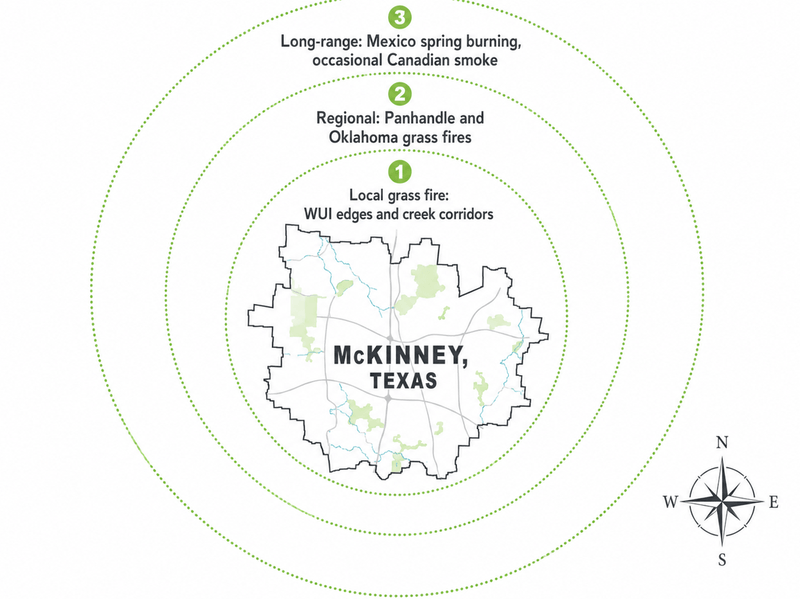
What you smell and see identifies the source faster than any map can. Building these maps for Houston, Austin, Dallas, and Plano taught us that identical-looking haze means different things in different metros. In McKinney, smoke days sort into three types.
Source: Filterbuy air quality analysis of North Texas smoke regimes, drawing on Texas A&M Forest Service fire seasonality data and TCEQ air quality forecast discussions.
Long-range transport is the type residents most often underestimate. Mexico’s burning season runs mid-March through May, and southerly winds carry that smoke into North Texas, where TCEQ forecast records document smoke from agricultural burning expanding over North Central Texas. Because it arrives diluted, it rarely smells like much, which is why windows stay open right through it.
If you can see a plume or smell strong smoke outdoors, that is a fire-proximity question rather than an air quality one. No AQI number tells you whether to leave. Evacuation decisions come from the McKinney Fire Department and Collin County emergency management through the alert channels below. Sign up before fire season, not during one.
Texas fire season peaks in winter and spring rather than summer, which catches transplants off guard. Grass fire risk climbs when freeze-cured grass meets dry cold-front wind, roughly January through May, while Collin County’s burn bans land in mid-to-late summer.
When Collin County enacts a burn ban, the McKinney Fire Department enforces it inside city limits, the ETJ, and fire district property, and has also required free hot work permits for outdoor welding. Open burning, fire pits, and campfires are prohibited; grills and smokers are not.
Once the AQI passes 100, close the house and run filtered air. Above that line, the air is unhealthy for sensitive groups: children, older adults, and anyone with asthma or heart trouble.
Close windows and doors, then find your fresh-air intake: a duct from an exterior wall into the return plenum, with a damper lever. Turn it crosswise to close it.
Set the thermostat fan to "on," not "auto," so air keeps moving through the filter between heating and cooling calls.
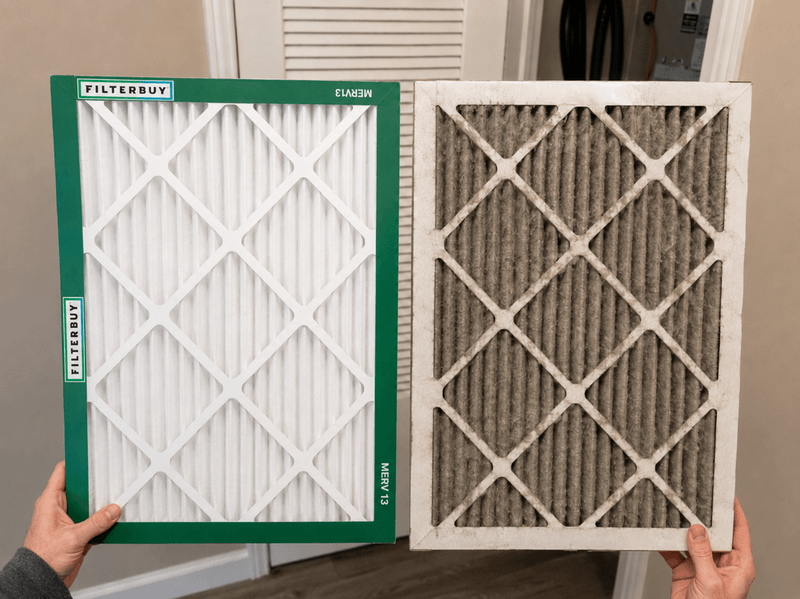
Inspect the filter in your return today. If the media looks gray, replace it now rather than on schedule.
Install a MERV 13 filter sized for your return.
Set up one clean room: a bedroom with the door closed, plus a portable HEPA unit. Our clean room setup follows the EPA method.
Skip vacuuming and candles, and re-check the AQI before you open up again, since smoke often settles back down overnight.
A MERV 13 filter is the right choice for wildfire smoke in a residential system. The health risk in smoke is PM2.5, particles small enough to reach deep lung tissue. MERV 13 is the highest rating most residential systems carry without airflow problems, and Filterbuy MERV 13 filters trap 98% of particles as small as 0.3 microns.
The EPA, which explains why particles this size behave as they do, recommends MERV 13 or the highest rating your system tolerates, and our guide to choosing a MERV rating covers the airflow trade-off.
Two limits matter, and most pages selling filters mention neither. Filterbuy has made pleated filters in Talladega, Alabama, for over a decade, which is exactly why we would rather name what our product cannot do.
The first is carbon monoxide. No HVAC filter removes it, because it is a gas rather than a particle. If a fire is close enough for CO to matter, what you need is working detectors.
The second is ozone, and a standard pleated filter does not remove it either. For the smoke odor that lingers once particles clear, an activated carbon filter such as the Filterbuy Odor Eliminator adsorbs what a pleated filter passes. One practical note: a one-inch filter loads fast under smoke, so a two- or four-inch filter will carry you through a multi-day event.
I have opened return plenums in newer McKinney subdivisions and found the fresh-air damper wide open, because nobody ever told the homeowner it was there. On a smoke day, that duct is a straw pulling the outdoors into your return. Closing it takes ten seconds and does more that afternoon than any filter upgrade.
David Clark, Licensed HVAC Technician
Across the U.S., 87% of the PM2.5 smoke people breathe comes from fires in other counties and 60% from other states. Source: research on how wildfire smoke travels and where local pollution originates
The metro earned an F in the 2026 "State of the Air" report, down from 10th a year earlier. Source: the 2026 "State of the Air" findings for Texas metro areas
From 2016 to 2022, it added a median of 0.9 µg/m³ to annual PM2.5 across 18 states in the Midwest, South, and East, about 13% of the gains those states made since 2000. Source: a National Bureau of Economic Research analysis of wildfire influence on U.S. pollution trends
Check the live map above for active fire perimeters and plumes, then cross-check the Texas A&M Forest Service incident viewer. Most McKinney smoke days have no local fire behind them.
Above 100, the air is unhealthy for sensitive groups, and above 150, it is unhealthy for everyone. Children, older adults, and anyone with asthma or a heart condition should move activity indoors starting at 101.
Yes. A clean MERV 13 filter with the fan running continuously is the most effective thing you can do indoors. Close the fresh-air intake first so the system recirculates instead of pulling smoke in.
More often than the box says. Smoke loads a filter faster than household dust, so inspect it monthly and replace it once the media looks gray. For heavy smoke outdoors, see Filterbuy’s comparison of N95, KN95, and P100 masks.
The live map above tells you what is heading toward McKinney; the filter in your return decides how much of it your family breathes. Find your filter size, then set up auto-delivery so the next smoke event never catches you with a gray filter in the wall. For conditions beyond Collin County, see our statewide Texas smoke map.
Subscribe to wildfire smoke alerts for McKinney, TX, to get a heads-up before the next event reaches your area.