
Nevada Live Wildfire Smoke Map
Get Alerts For Wildfires In Your Area
The moment a wildfire starts near you, you'll get an instant alert and simple tips to reduce your smoke exposure.
What's In The Smoke
30xSmaller than a human hair
Fine enough to reach deep into the lungs. A MERV 13 is built to capture it.
How Far It Travels


It Doesn't Stay Local
Smoke rides the wind far downwind — you can get smoky air with no fire nearby.
What To Do During A Smoke Event
Simple steps to reduce indoor exposure.
- Stay In, Close UpShut windows and doors to keep smoke out.
- Set Fan To "On"Keeps air cycling through your filter, not just when heating or cooling.
- Recirculate AirSwitch off fresh-air intake so you're not pulling smoke in.
- Run A MERV 13Built to capture the fine PM2.5 in smoke.
- Add A PurifierExtra filtration for the room you use most.
- Wear an N95 if OutsideFits snug to block fine particles — a cloth mask won't.


The Best Air Filter For Wildfire Smoke
During smoke events, the EPA recommends upgrading to a MERV 13 filter — or the highest-rated filter your system can handle — to help reduce the fine particles smoke brings indoors. MERV 13 is the level most home HVAC systems can run while still capturing PM2.5, the fine particulate that makes up the bulk of wildfire smoke.
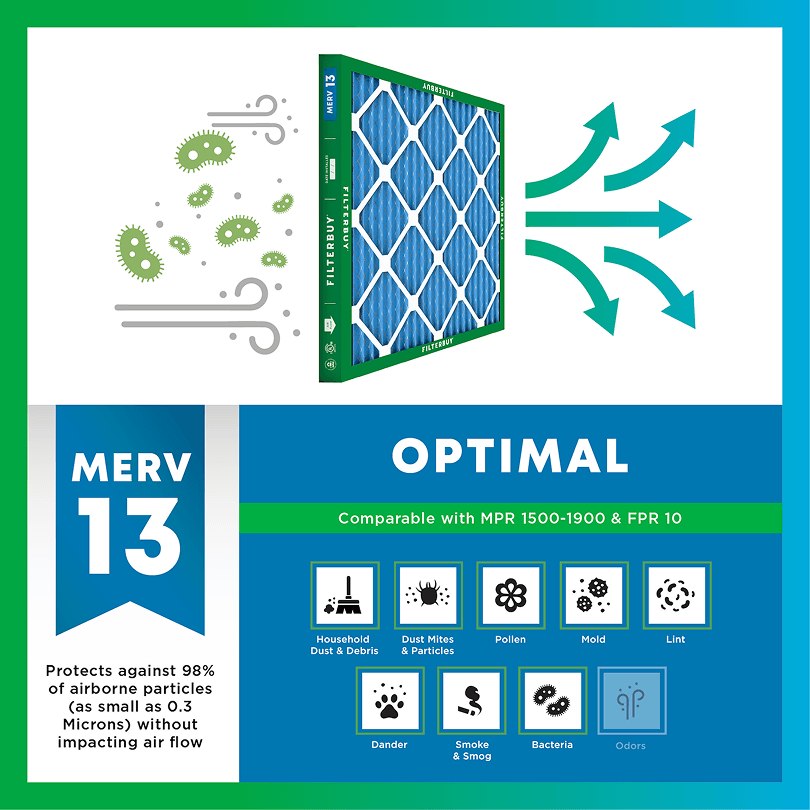
- Captures PM2.5 particles
- Blocks ash, soot, and smoke odor
- Keeps your indoor air safe—even when the outdoor air is dangerous
- Meets the EPA's recommended rating for filtering fine wildfire smoke particles.

Wildfire Smoke FAQs
Facts About Wildfires
Over 70,000 wildfires burn in the U.S. every year.
Wildfire smoke can travel 1,000+ miles, affecting states that aren't even near the blaze.
Exposure to wildfire smoke can worsen asthma, trigger heart issues, and lead to ER visits.
Indoor air can hold more fine particles during wildfire events unless it's properly filtered.
The EPA advises using MERV 13 filters or portable HEPA air cleaners during wildfire smoke events.
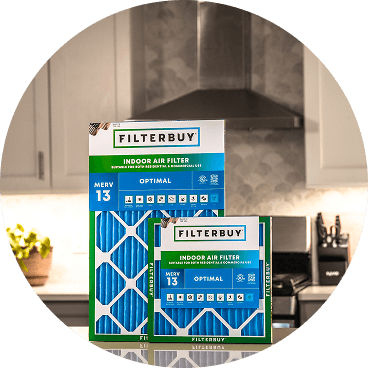
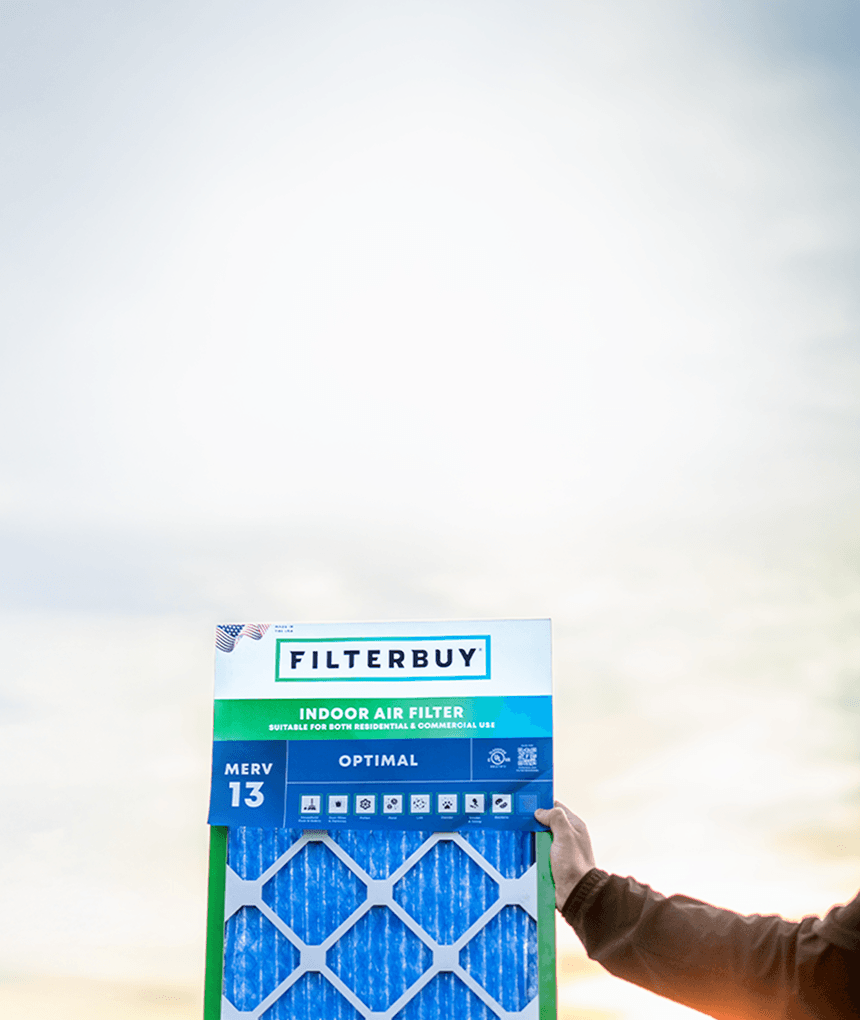
Don't Wait Until The Smoke's Inside.
Use the live wildfire smoke tracker and upgrade your air filters today to protect your lungs and your home.
Shop Filters For Smoke Protection
Live Nevada Wildfire and Smoke Map: Current Conditions and Indoor Protection
Wildfire smoke can raise particle levels to unhealthy numbers in parts of Nevada, even if the fire is not nearby. This guide explains how to read live smoke maps, when to limit outdoor activity, and how to set up cleaner indoor air using HVAC settings, higher-MERV filters, and portable air cleaners. The AirNow Fire and Smoke Map shows real-time fine particle pollution (PM2.5), active fire locations, and visible smoke plumes.
Key Takeaways
Look at the AirNow Fire and Smoke Map when you start the day and again if the wind changes, so you know how bad the smoke is in your area.
When AQI is over 100, take it easy outside. This matters most for kids, older adults, and anyone with asthma, heart, or breathing problems.
If you must be outside in thick smoke, use a proper N95 or P100 mask that seals to your face.
Keep smoke out of the house: close windows and doors, set your system to recirculate, and use the best filter your system can handle. Use MERV 13 if your airflow still feels normal.
Smoke Patterns and Wind in Nevada
Western Nevada, including Reno, Sparks, and the Carson area, can receive smoke carried east over the Sierra by westerly flow from California fires. Once smoke settles in the valleys, temperature inversions can trap PM2.5 near the ground. Public health agencies issue advisories during these events and tell residents to stay indoors, keep windows closed, and watch AQI.
Wind direction in Nevada can shift quickly with passing fronts or monsoonal changes, which means air quality can worsen or improve within hours. Because of this, conditions are not always steady through the day. Recheck the smoke map after a noticeable wind change.
Indoor Air Protection
These steps follow current EPA guidance for wildfire smoke events indoors.
Recirculate indoor airSet the thermostat fan to “On” instead of “Auto” so air keeps moving through the filter. Keep windows and doors closed. Turn off or block any fresh-air intake so the system is not pulling smoky outdoor air inside. EPA recommends running HVAC in recirculation mode during smoke.
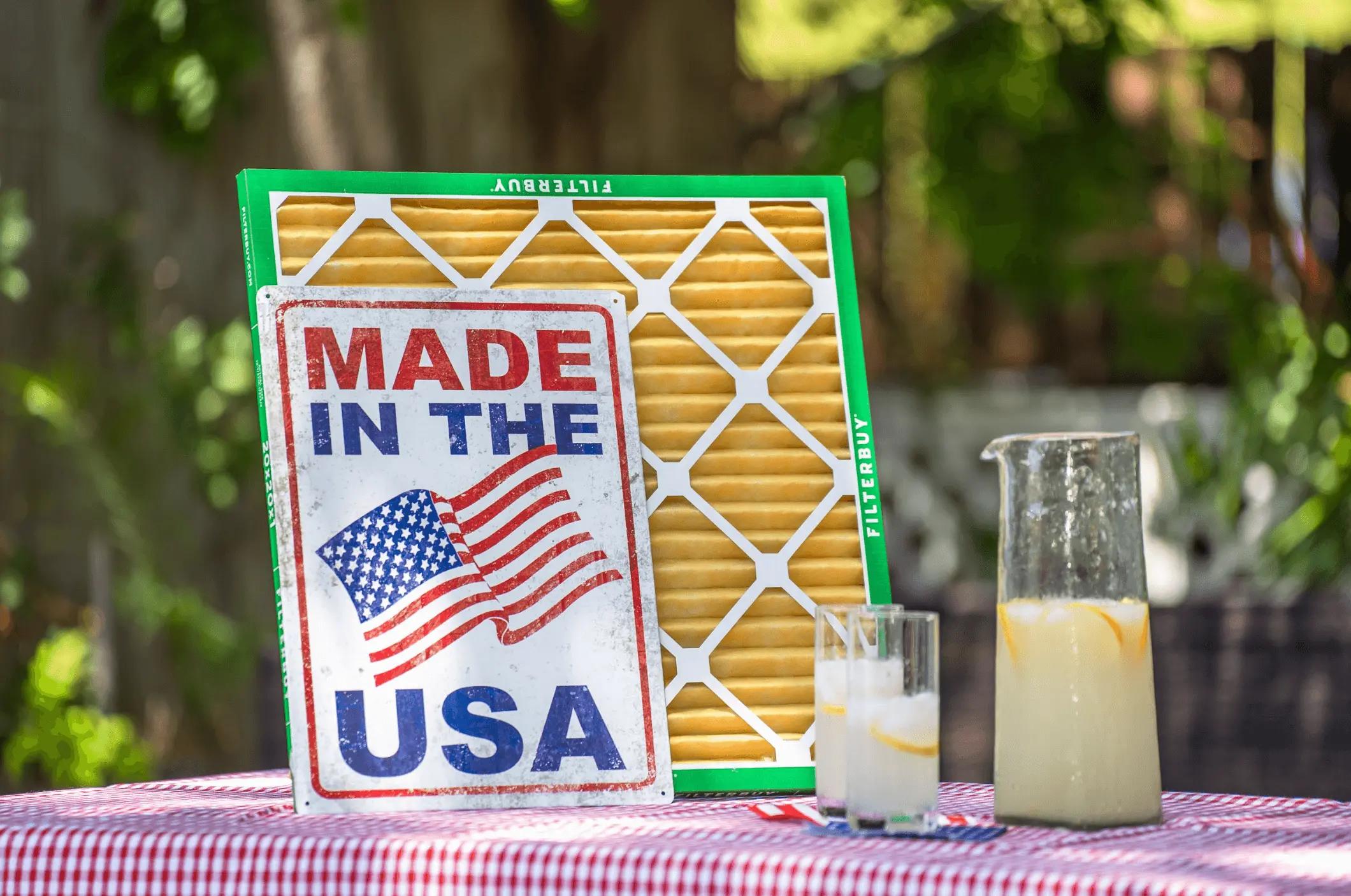
Use a higher-MERV filterUse MERV 11 for normal days. During smoke, move to MERV 13 if the system can still maintain normal airflow and normal comfort. EPA states that upgrading to MERV 13 or higher during smoky periods improves removal of fine smoke particles, when the system can handle it.
Note: thicker pleated filters (2 inch or 4 inch) usually contain more filter media than a 1-inch filter. More media means more surface area for particle capture, which can help during long smoke events. Filterbuy offers filters in multiple thicknesses, including 1", 2", and 4".
DIY Box-Fan Air Cleaner
If a HEPA purifier is not available, EPA supports a do-it-yourself air cleaner made from a 20" x 20" box fan and a 20" x 20" MERV 13 filter. Only use a newer fan (2012 or newer) with a UL or ETL safety marking. Attach the MERV 13 filter to the intake side of the fan, seal gaps with tape or straps, and aim the clean air toward the occupied space. EPA testing shows that thicker filters (for example, 4" instead of 1") and multi-filter “cube” designs can improve performance.
Cooling Without Central Ducts
Many Nevada homes and small buildings use window units, wall units, portable AC units, or evaporative coolers.
For window, wall, or portable AC, set the unit to recirculate and seal gaps around the unit to reduce smoke infiltration. Keep a HEPA purifier running in the same room.
Evaporative coolers pull outdoor air indoors. EPA guidance says to cover or block outside air intakes during smoke if it can be done safely, or limit use of evaporative cooling during heavy smoke.
Stay cool in your clean room by running AC or fans on recirculate instead of opening windows.
Schools, Childcare, and Youth Sports
Post or share the current AQI each day. When AQI is 101 or higher, public health agencies in Nevada advise:
Reduce strenuous outdoor activity for children, especially those with asthma or other breathing issues
Keep classroom and gym doors and windows closed
Run HVAC systems on recirculate with the highest MERV rating the system can safely handle
Add portable HEPA air cleaners in classrooms, gyms, and shared spaces to help lower indoor PM2.5 levels
These steps match recommendations from Northern Nevada Public Health and EPA smoke guidance.
Outdoor Work, Ranch, and Farm
Outdoor workers, including ag and ranch workers, are at higher risk because they may be in the smoke for long periods. NIOSH recommends reducing exposure, moving heavy work to the cleanest part of the day when possible, and providing NIOSH Approved respirators such as N95 or P100 when workers cannot avoid smoke. These respirators are designed to filter fine wildfire smoke particles when they seal to the face.
Keep shop and barn doors closed where practical and run portable HEPA units in occupied indoor work areas to reduce particle levels.
Driving During Smoke
Drive with windows closed and the vehicle HVAC set to recirculate. Recirculation mode helps keep fine particles out of the cabin.
Make sure a cabin air filter is installed and in good condition.
Plan fuel and rest stops in areas that show better AQI on the smoke map and avoid long idle periods in heavy smoke.
Filter Checks and Replacement
Check HVAC and room air cleaner filters on your normal schedule. During a smoke event, inspect more often.
During periods of heavy smoke, you may need to replace HVAC or air cleaner filters more often than usual, especially if the filter media looks dark or matted or if airflow drops.
Because smoke particles are very small, filters that are already heavily loaded cannot keep performing well. Change them early and keep spares on hand during fire season.
After Smoke Clears
When AQI returns to normal for your area:
Replace smoke-loaded HVAC filters and room air cleaner filters
Vacuum using a HEPA vacuum, not a standard vacuum that can blow particles back out
Wipe hard surfaces with a damp cloth instead of dry dusting
Clean supply and return grilles and confirm the HVAC drain pan is clear and draining
Avoid activities that stir up ash or soot indoors, such as burning candles or dry sweeping, until indoor surfaces are cleaned.
Get Exact-Fit Filters from Filterbuy
Filterbuy offers pleated HVAC and AC filters in MERV 8, MERV 11, and MERV 13. Filters are made in the USA, available in standard and custom sizes, and ship with free U.S. shipping. Filterbuy also offers activated carbon (“Odor Eliminator”) options for odor control. Auto Delivery is available so replacement filters arrive on schedule during smoke season.
As recommended by EPA, buy MERV 13 if your system can maintain normal airflow.
FAQs
What AQI number should I start paying attention to?
Once AQI is over 100, the air is not considered healthy for sensitive groups like kids, older adults, pregnant people, and anyone with heart or lung issues.
What does AQI 101+ mean for normal daily activity?
At 101 or higher, it’s a good idea to slow down outdoor activity, move workouts indoors, and take more breaks if you have to be outside. Schools and sports programs are often advised to limit hard activity outdoors at that point.
How do I check the current smoke in my area?
Use the AirNow Fire and Smoke Map. Search by city or ZIP, or just move the map to where you are. It shows AQI, PM2.5, current fire locations, and visible smoke plumes.
Why does it get smoky in Nevada even when the fire isn’t here?
Wind can push smoke from California into western Nevada. Valleys around Reno / Sparks / Carson can also hold that smoke in place under an inversion, so PM2.5 builds up near the ground. Local health agencies in northern Nevada warn about this and tell people to check air quality and stay inside when it gets thick.
What should I do indoors on a smoky day?
Keep windows and doors closed. Set your system to recirculate so you’re not pulling outdoor air in. Run the fan so air keeps moving through the filter. EPA specifically recommends running HVAC on recirculation during wildfire smoke.
Which HVAC filter should I use?
Day to day, MERV 11 is common. When smoke is around, use the highest MERV rating your system can handle without choking airflow. EPA says to use MERV 13 or higher if your system can safely take it, because higher MERV filters catch more of the fine smoke particles.
How do I know if my filter needs to be changed sooner?
In smoke season, don’t just wait for your normal change date. Pull the filter and look at it. If it’s dark, looks packed, or you’re noticing weak airflow from the vents, swap it out. EPA notes filters load faster during wildfire smoke and may need more frequent replacement.
Does a thicker filter last longer?
Usually, yes. A 2-inch or 4-inch pleated filter has more surface area than a 1-inch filter, so it doesn’t clog as fast in smoky air. This helps you keep airflow up while still filtering.
What is a “clean air room”?
It’s one room in your home (often a bedroom or main living area) where you keep windows closed, avoid burning candles or frying food, and run a HEPA air cleaner. EPA recommends setting up a clean room so you have at least one space with better air during a smoke event.
What if I don’t have a HEPA purifier?
You can make a DIY air cleaner with a box fan and a MERV 13 filter. EPA says to use a newer box fan (2012 or newer) with a safety label, tape the filter to the intake side, and aim the fan so it blows cleaned air into the room. Multi-filter “cube” builds can work even better. CDC
Is it safe to keep running my swamp cooler (evaporative cooler) on smoky days?
Not really. Evaporative coolers pull outdoor air inside, which means you’re pulling smoke inside. During heavy smoke, the guidance is to reduce or avoid swamp cooler use and switch to cooling modes that recirculate indoor air instead.
What about window AC or portable AC units?
Set them to recirculate and seal gaps around the unit so you’re not sucking outdoor air in. Run a HEPA purifier in the same room to help clear what still leaks in.
Do masks help if I have to be outside?
Yes, but not all masks. A NIOSH Approved N95 or P100 respirator is designed to seal to your face and filter fine smoke particles. Simple cloth masks or loose surgical masks do not give the same protection.
Are these masks OK for kids?
N95 and P100 respirators need a good seal to work. Most are not sized for young children, so outdoor time should be limited instead during bad smoke.
What should schools and sports do on smoky days?
When AQI is over 100, common guidance is: move hard practice or games indoors if possible, keep classroom doors and windows closed, and run HVAC on recirculate with the best filter the system can handle. Add HEPA units in rooms where kids spend time.
How should I drive when it’s smoky?
Keep the windows up. Set the car’s air to recirculate. Make sure the cabin air filter is in place and not overdue. This cuts the amount of smoke you pull in while you’re on the road.