
Riverside, CA Live Wildfire Smoke Map
Get Alerts For Wildfires In Your Area
The moment a wildfire starts near you, you'll get an instant alert and simple tips to reduce your smoke exposure.
What's In The Smoke
30xSmaller than a human hair
Fine enough to reach deep into the lungs. A MERV 13 is built to capture it.
How Far It Travels


It Doesn't Stay Local
Smoke rides the wind far downwind — you can get smoky air with no fire nearby.
What To Do During A Smoke Event
Simple steps to reduce indoor exposure.
- Stay In, Close UpShut windows and doors to keep smoke out.
- Set Fan To "On"Keeps air cycling through your filter, not just when heating or cooling.
- Recirculate AirSwitch off fresh-air intake so you're not pulling smoke in.
- Run A MERV 13Built to capture the fine PM2.5 in smoke.
- Add A PurifierExtra filtration for the room you use most.
- Wear an N95 if OutsideFits snug to block fine particles — a cloth mask won't.


The Best Air Filter For Wildfire Smoke
During smoke events, the EPA recommends upgrading to a MERV 13 filter — or the highest-rated filter your system can handle — to help reduce the fine particles smoke brings indoors. MERV 13 is the level most home HVAC systems can run while still capturing PM2.5, the fine particulate that makes up the bulk of wildfire smoke.
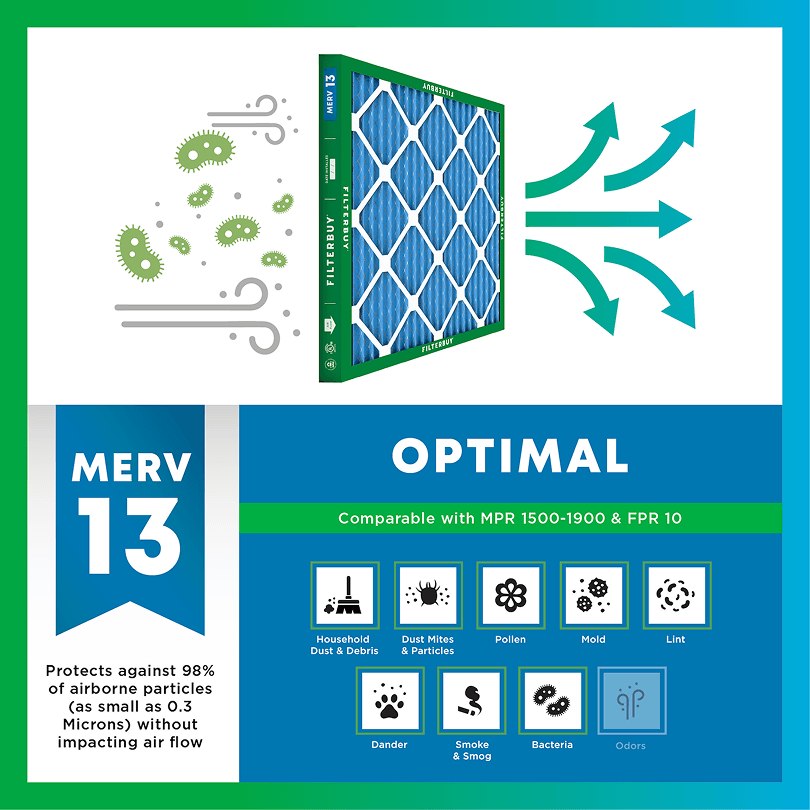
- Captures PM2.5 particles
- Blocks ash, soot, and smoke odor
- Keeps your indoor air safe—even when the outdoor air is dangerous
- Meets the EPA's recommended rating for filtering fine wildfire smoke particles.

Wildfire Smoke FAQs
Facts About Wildfires
Over 70,000 wildfires burn in the U.S. every year.
Wildfire smoke can travel 1,000+ miles, affecting states that aren't even near the blaze.
Exposure to wildfire smoke can worsen asthma, trigger heart issues, and lead to ER visits.
Indoor air can hold more fine particles during wildfire events unless it's properly filtered.
The EPA advises using MERV 13 filters or portable HEPA air cleaners during wildfire smoke events.
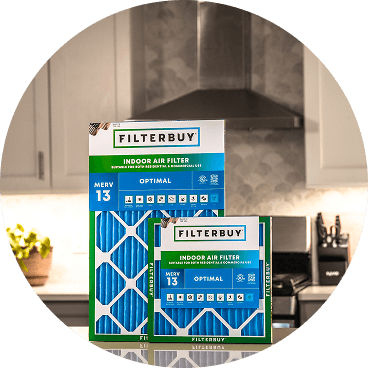
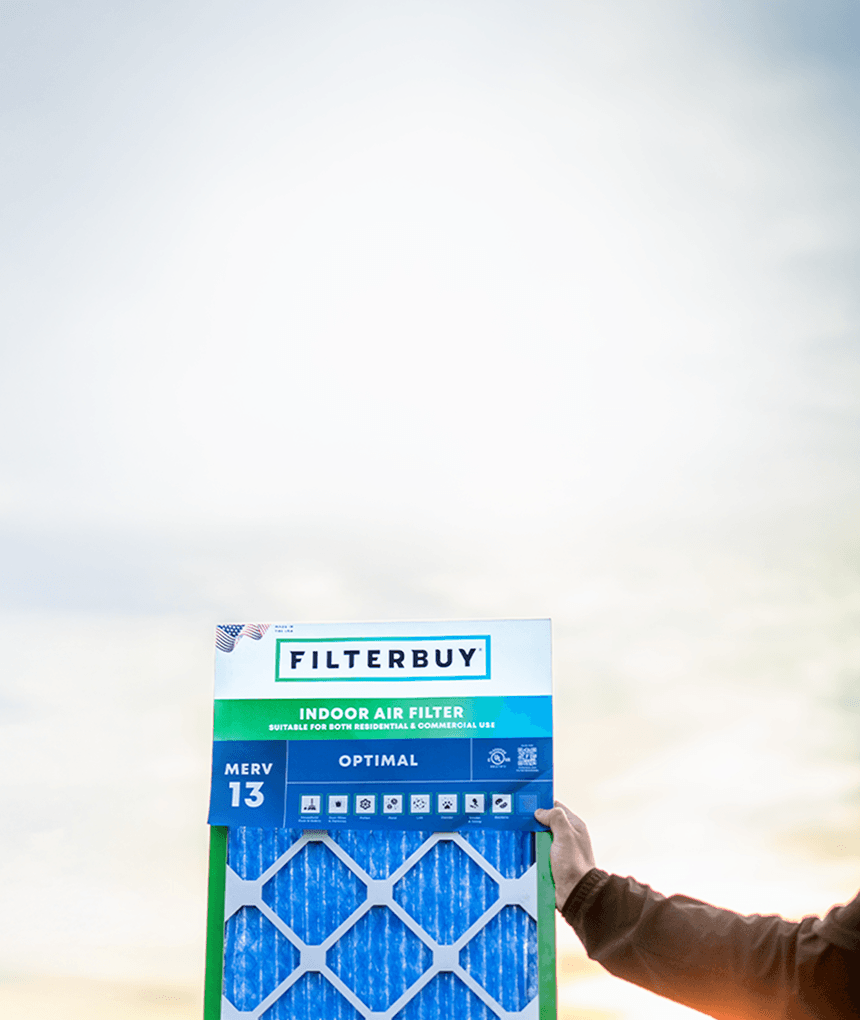
Don't Wait Until The Smoke's Inside.
Use the live wildfire smoke tracker and upgrade your air filters today to protect your lungs and your home.
Shop Filters For Smoke Protection
Wildfire and Smoke Map in Riverside, CA, Today
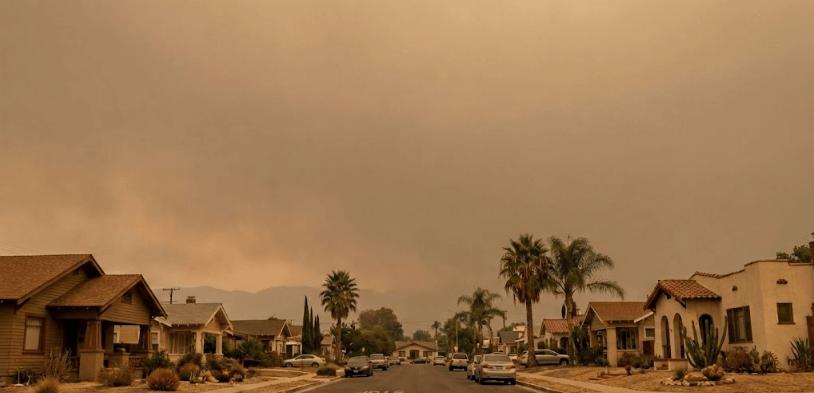
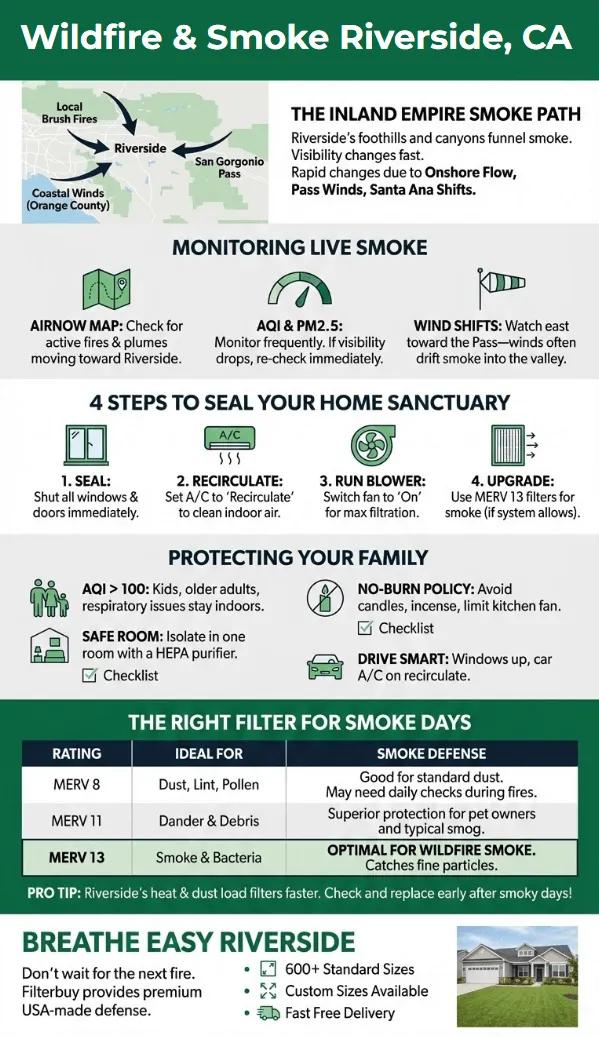
Riverside and the rest of the Inland Empire sit close to foothills, canyons, and corridors where wildfire smoke can move in fast. Smoke can come from local brush fires, from the mountains, from San Bernardino or Orange County, or from fires farther south when the wind lines up. Because the area already deals with heat and traffic pollution, checking the live smoke map is important on days when visibility changes.
In this blog, we cover how to see today’s smoke in Riverside, what local wind patterns matter, what to do indoors, and how to keep HVAC filters ready.
TL;DR Quick Answers
Current Live Forest Wildfire & Smoke Map Today — Riverside, CA
The fastest way to check live wildfire smoke in Riverside right now is the AirNow Fire and Smoke Map. Type "Riverside, CA" or your ZIP code to see:
Current AQI — your real-time air quality health rating
PM2.5 levels — fine particle concentration from active smoke
Nearby fire locations — active incidents affecting the Inland Empire
Smoke plume direction — where the smoke is heading relative to your neighborhood
Riverside-specific tip from our experience: Always zoom east toward San Gorgonio Pass and north toward San Bernardino. Smoke from those areas drifts into Riverside later in the day — especially when winds shift onshore. One morning check isn't enough. Recheck any time you see haze, smell smoke, or feel the wind change direction.
If AQI passes 100, close the house, run your HVAC on recirculate, and make sure your filter isn't already loaded from Riverside's normal dust and heat.
Key Takeaways
Look up the AirNow Fire and Smoke Map for “Riverside, CA” in the morning, then check again if the wind changes or you notice haze.
If AQI goes over 100, stay inside more and keep kids, older adults, and people with breathing or heart issues out of the smoke.
Close the house, run A/C or HVAC on recirculate, and use the best MERV filter your system will handle. Keep one room on a HEPA purifier.
Riverside heat and dust, plus smoke, will dirty filters faster than normal, so pull the filter and check it right after a smoky day.
How To Check Live Smoke In Riverside Today
Go to the AirNow Fire and Smoke Map.
Type “Riverside, CA” or your ZIP code.
Look at:
AQI (air quality level for health)
PM2.5 (fine particles from smoke)
Active fires
Smoke plumes are moving toward the Inland Empire
Zoom east toward the San Gorgonio Pass and north toward San Bernardino. Smoke from those areas can drift into Riverside later in the day, especially if winds turn onshore.
Local Patterns To Watch
Onshore flow: Air moving inland from Orange County can push coastal or foothill smoke into Riverside in the afternoon.
Canyon and pass winds: Smoke from the San Bernardino Mountains or the Pass can drain into lower areas along I-10 and I-215.
Santa Ana conditions: When winds blow from the north or northeast, smoke from inland fires can move quickly across the valley.
Because winds can shift during the day, one map check in the morning is often not enough.
Indoor Steps For Smoky Hours
Seal The House First
Shut windows and sliding doors. Put the A/C or central system on recirculate so it is reusing indoor air, not pulling in smoky outdoor air. If you have a fresh-air damper you can shut, keep it closed until AQI improves.
Let The Blower Run
Switch the fan setting to “On” while it’s smoky. That way, more of your indoor air goes across the filter, which matters in Riverside where A/C runs a lot.
Use The Best Filter Your System Can Handle
Daily use in the Inland Empire is often MERV 8 or MERV 11. On smoke days, you can step to MERV 13 if the airflow at the vents still feels normal. Because local smoke mixes with dust, keep at least one spare filter on hand.
Make One Good Room
Pick a room where people actually sit or sleep. Keep the door mostly shut and run a portable True HEPA purifier there. If you’re using a DIY box-fan filter, use a newer fan, run it only while you’re present, and swap the filter when it looks loaded.
Don’t Add More Particles
Skip candles and incense, keep cooking lower, and don’t run bath/kitchen exhaust for long stretches since those fans can pull outdoor air in.
Outdoor Activity, Masks, And Driving
Try to do yard work, sports, and errands when the map shows cleaner air moving through the valley. Once AQI passes 100, kids, older adults, and anyone with asthma or heart/lung issues should move activity inside. If you must be out in thicker smoke, use a well-sealed N95 or P100. Cloth and loose surgical masks won’t filter wildfire smoke well. In the car, windows up and A/C on “recirculate.”
Filter Checks and Replacement
After one or two smoky days, pull the HVAC filter and look at it. Replace early if:
The media looks dark or matted
The return grilles smell smoky when the system starts
The airflow at the supply vents feels weaker
Do the same with room purifiers or DIY filters. Riverside’s heat and dust can speed up loading during smoke, so do not wait for your usual 60–90 day change.
Filters For Riverside Smoke Days From Filterbuy
Riverside homes deal with heat, dust, and, at times, wildfire smoke. That can clog a 1-inch filter faster than usual. Filterbuy offers pleated HVAC filters in MERV 8, MERV 11, and MERV 13, in standard and custom sizes, so the filter fits tight and catches what your system pulls in. Filters are made in the USA, ship fast with free delivery, and you can set Auto Delivery, so you have a clean filter ready before the next smoky or windy day.
"After manufacturing filters for homes across the Inland Empire, we've seen firsthand how fast Riverside's combination of desert dust and wildfire smoke can overwhelm a standard filter—sometimes in just a day or two—which is why we always tell our customers here to keep at least one spare on the shelf before fire season starts."
7 Essential Riverside Wildfire & Air Quality Resources We Recommend to Every Inland Empire Customer
Don't take your indoor air for granted during wildfire season. After manufacturing millions of air filters and helping Inland Empire families through some of the region's worst smoke events, we've learned that protection starts with reliable information.
These are the seven resources we point customers to when they call asking about smoke conditions and indoor air quality in Riverside. Bookmark them now — before you need them.
1. EPA AirNow Fire and Smoke Map — Track Smoke Moving Toward Riverside in Real Time
What it provides: Interactive map combining active fire locations, satellite-detected smoke plumes, and PM2.5 air quality readings from official government monitors and community-based PurpleAir sensors.
Why we recommend it: This is the first tool we tell every customer to check. Zoom east toward San Gorgonio Pass and north toward San Bernardino — from our experience helping Riverside homeowners, smoke from those directions tends to drift into the valley later in the day when winds shift onshore.
Resource: https://fire.airnow.gov/
2. CAL FIRE Incidents Map — See Exactly Where California Fires Are Burning
What it provides: Real-time fire perimeters, containment percentages, evacuation orders, and incident updates for all active California wildfires from the official state fire agency.
Why we recommend it: Customers tell us they want one reliable source for fire tracking, and this is it. Data comes directly from incident commanders managing the fires. When we see fires active in the foothills or San Bernardino Mountains, we know Riverside filter orders are about to spike — and yours should already be on the shelf.
Resource: https://www.fire.ca.gov/incidents
3. South Coast AQMD Current Air Quality Data — Riverside's Own Air Quality Authority
What it provides: Neighborhood-scale air quality monitoring for Riverside and San Bernardino counties, blending regulatory data with hundreds of low-cost fine particle sensors and forecast modeling.
Why we recommend it: South Coast AQMD is the regional air pollution agency that actually covers the Inland Empire. After years of manufacturing filters for homes in this area, we know baseline air quality here already runs higher due to heat and traffic pollution — so when smoke gets added on top, filters load faster than customers expect. This tool helps you see it coming.
Resource: https://www.aqmd.gov/home/air-quality/current-air-quality-data
4. RivCoReady & Alert RivCo — Get Riverside County Emergency Alerts Sent to Your Phone
What it provides: Riverside County's official emergency management portal and mass notification system delivering wildfire evacuation orders, warnings, and emergency updates to registered devices.
Why we recommend it: Here's something many Riverside residents don't realize — landlines are auto-enrolled, but cell phones and VoIP must be registered manually. The county also uses the Genasys Protect app for address-based evacuation zone lookup. Knowing your zone before an emergency is as important as having a clean filter ready before smoke arrives.
Resource: https://rivcoready.org/
5. California Air Resources Board — Smoke Ready CA Indoor Protection Guide
What it provides: The state's comprehensive wildfire smoke guide covering MERV 13 filter recommendations, N95 respirator selection, DIY air cleaner instructions, and the California Smoke Spotter app for mobile AQI alerts.
Why we recommend it: CARB's guidance aligns directly with what we've seen work in real Inland Empire homes — they specifically recommend MERV 13 or higher filters and provide step-by-step instructions for creating a clean air room. As a filter manufacturer, we can confirm that their recommendation to check and replace filters more frequently during fire season is exactly right, especially in Riverside, where dust and smoke compound the load.
Resource: https://ww2.arb.ca.gov/smokereadyca
6. PurpleAir Real-Time Map — Hyperlocal Air Quality Updated Every 2 Minutes
What it provides: Community sensor network delivering neighborhood-level air quality readings across Riverside and the Inland Empire, updated in near real-time.
Why we recommend it: Air quality can vary block by block during smoke events, and official monitors sometimes miss localized conditions. Select the "US EPA" conversion for comparable readings. We recommend this tool especially in Riverside because canyon and pass winds create uneven smoke distribution across the valley — one neighborhood can be clear while another a mile away sits under heavy haze.
Resource: https://map.purpleair.com/
7. CDC Wildfire Safety Guidelines — Federal Health Protection Protocols
What it provides: Federal guidance on respiratory protection, vulnerable populations, NIOSH-approved N95 respirator selection, and symptoms requiring medical attention during wildfire smoke exposure.
Why we recommend it: This resource provides the clinical backing behind everything we advise our customers about smoke protection. When we say AQI over 100 means keeping kids, older adults, and anyone with asthma or heart and lung conditions inside, this is the science behind it. Protecting your family starts with understanding the real health risks.
Resource: https://www.cdc.gov/wildfires/safety/how-to-safely-stay-safe-during-a-wildfire.html
What the Data Says About Wildfire Smoke, Filters, and Your Family's Health
We don't just read government air quality research. We see the proof every fire season. When Riverside smoke events hit, our order volume spikes, our customer service lines light up, and the filters customers send us photos of tell the story better than any chart.
Here are three government-backed statistics that confirm what we've been seeing on the ground for years.
1. MERV 13 Filters Remove More Than 85% of Fine Wildfire Smoke Particles
The California Air Resources Board confirms:
MERV 13 or higher removes more than 85% of fine particulate matter (PM2.5)
PM2.5 is the primary health threat in wildfire smoke
CARB recommends the highest MERV your system can handle
Filters should be replaced more frequently during fire season
Source: California Air Resources Board https://ww2.arb.ca.gov/news/california-battles-wildfires-officials-outline-how-protect-yourself-and-your-family-damaging
2. A Clogged Filter Can Increase HVAC Energy Consumption by 5% to 15%
The U.S. Department of Energy reports:
Replacing a dirty filter can reduce A/C energy consumption by 5% to 15%
Heating and cooling account for nearly half of a typical home's energy costs
Systems in constant use or dusty conditions need more frequent filter changes
Source: U.S. Department of Energy https://www.energy.gov/energysaver/air-conditioner-maintenance
3. Wildfire Smoke Causes Thousands of Emergency Visits Annually Across the U.S.
The U.S. Environmental Protection Agency reports:
Thousands of yearly respiratory- and cardiovascular-related ER visits, hospitalizations, and deaths are linked to wildfire smoke exposure
Children, adults 65 and older, and people with existing heart or lung conditions face the greatest risk
Even short-term PM2.5 exposure can trigger asthma attacks, heart events, and breathing difficulty
Source: U.S. Environmental Protection Agency https://www.epa.gov/wildfire-smoke-course/increasing-impacts-wildfire-smoke
Our Honest Take After Years of Shipping Filters to the Inland Empire
Most wildfire content treats every California city the same. After shipping filters to Inland Empire homes for years, we can tell you — Riverside is different.
What Makes Riverside Different
Filters work harder before the smoke even arrives. Desert dust, heat, and heavy A/C runtime mean your filter is already partially loaded. Smoke stacks on top.
Geography traps smoke. The valley floor holds it longer than coastal areas. Our order data shows it — Riverside reorders cluster around multi-day events.
National 90-day filter advice doesn't apply here. In Riverside, with heat and dust during fire season, a filter can be spent in 30 days or less.
What We'd Tell a Neighbor
Check the AirNow map for weather. Morning can look clear. Afternoon can be hazardous. Habit it from June through November.
Buy filters before smoke arrives. Keep one spare minimum. Two is better.
MERV 13 is worth it — if your system handles it. A well-fitted MERV 11 beats a MERV 13 that chokes the blower.
Pull the filter the day after the smoke clears. If it's dark or matted, replace it and reset your schedule.
One clean room changes everything. Closed door, HEPA purifier, bedroom. Customers tell us the difference is immediate.
The Bigger Picture
Riverside smoke isn't once-in-a-decade anymore. The homes that handle it best prepare before the first plume hits.
Treat filters like fire extinguishers — on hand before you need them
The biggest mistake is waiting to check the map, upgrade the filter, or seal the house
Your system tells you when air quality drops — loaded filter, weak airflow, hazy rooms with windows shut
Stay ahead of it. Check the map. Check the filter. Keep a spare ready.
What To Do Right Now
These steps take less than an hour. Don't wait for the next fire to show up on the map.
Bookmark your resources. Save the AirNow Fire and Smoke Map to your phone. Sign up for Alert RivCo notifications.
Check your current filter. Pull it out. If it's gray, dark, or matted — replace it today. Note the size printed on the frame.
Stock spares. Keep at least one extra filter in the closet. Two is better for Riverside's dust-plus-smoke conditions. Set up Filterbuy Auto Delivery so you're never caught short.
Prep your clean room. Pick one bedroom. Place a True HEPA purifier inside. Keep the door closed and the purifier running during smoke events.
Fan setting → switch to "On" during smoke so air passes across the filter continuously
Recirculate → keeps system cleaning indoor air, not pulling smoky air in
Fresh-air damper → locate it so you can close it fast when AQI spikes
6. Set a May 15 calendar reminder each year:
Replace your HVAC filter
Confirm a spare is on hand
Test your HEPA purifier
Verify Alert RivCo notifications are active
Frequently Asked Questions
Why does Riverside get smoky even when the fire isn't here?
Smoke travels through mountain passes and across county lines. Riverside's valley floor traps it when winds slow down.
How often should I check the smoke map on bad days?
Once in the morning to see what's nearby
Again, if the air looks hazy, you smell smoke, or wind picks up
What AQI level is dangerous for kids or elderly parents?
AQI over 100 — limit outdoor activity and keep them inside. The same applies to anyone with asthma or heart and lung conditions.
My A/C is running. Do I still need to close windows?
Yes. Windows and doors shut. The system is on recirculate. Otherwise, your A/C pulls smoky outdoor air in instead of cleaning indoor air.
Which filter should I use on smoke days?
Use the highest MERV your system handles without reducing airflow
Most Riverside homes run MERV 8 or 11 daily
Step to MERV 13 only if the airflow at the vents stays normal
Why did my filter get dirty so fast?
Riverside dust plus wildfire smoke can load a filter in one to two days. That's normal during a smoke event. Check and replace early.
Do I need a HEPA purifier if I have central A/C?
It helps — especially for sleeping or for anyone with asthma. Run the HEPA in one room with the door mostly closed for the cleanest air in the house.
Should I run kitchen or bathroom exhaust fans during a smoke?
Keep runs short. Extended use pulls smoky outdoor air into the house.
What about driving around Riverside during the smoke?
Windows up. A/C on recirculate. That keeps most smoke out of the cabin.
Can I go back to my normal filter schedule after the smoke clears?
Yes — but replace the smoke-loaded filter first. Then return to your usual 30/60/90-day plan.
Now That You Know What's in the Air Over Riverside, Make Sure Your Filter Can Handle It
Check your HVAC filter today — if it's dark, matted, or has been in longer than 30 days during smoke season, it's time to replace it. Shop Filterbuy MERV 13 filters for Riverside homes and have a clean filter on your shelf before the next plume hits the valley.