

Tip: Ensure you buy the exact air filter size for your system. Certain brands have precise dimensions that only fit their specific models. See related filters
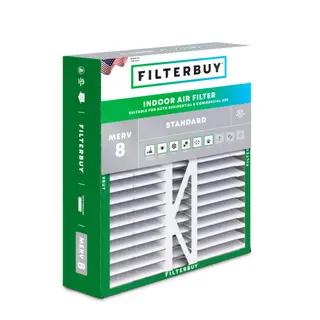
Air Demon 20x20x5 MERV 8 Replacement Filter
Actual Size: 19.63x19.88x4.38
 Free Delivery
  Factory-Direct Low Prices, Made in the USA
 Hassle-Free Returns & Free Exchanges
RESIDENTIAL AND/OR COMMERCIAL USE
Change Every 3 Months
Tip: Ensure you buy the exact air filter size for your system. Certain brands have precise dimensions that only fit their specific models. See related filters
Air Demon 20x20x5 MERV 8 Replacement Filter
Actual Size: 19.63x19.88x4.38
Free Delivery Factory-Direct Low Prices, Made in the USAHassle-Free Returns & Free ExchangesRESIDENTIAL AND/OR COMMERCIAL USE
Change Every 3 Months
Tip: Ensure you buy the exact air filter size for your system. Certain brands have precise dimensions that only fit their specific models. See related filters
Air Demon 20x20x5 MERV 8 Replacement Filter
Actual Size: 19.63x19.88x4.38
Free Delivery Factory-Direct Low Prices, Made in the USAHassle-Free Returns & Free ExchangesRESIDENTIAL AND/OR COMMERCIAL USE
Change Every 3 Months
About
- This is a list 20x20x5 MERV 8 air filter replacement for your furnace, air conditioner, heat pump, or HVAC system
- Actual air filter size: 19.63x19.88x4.38
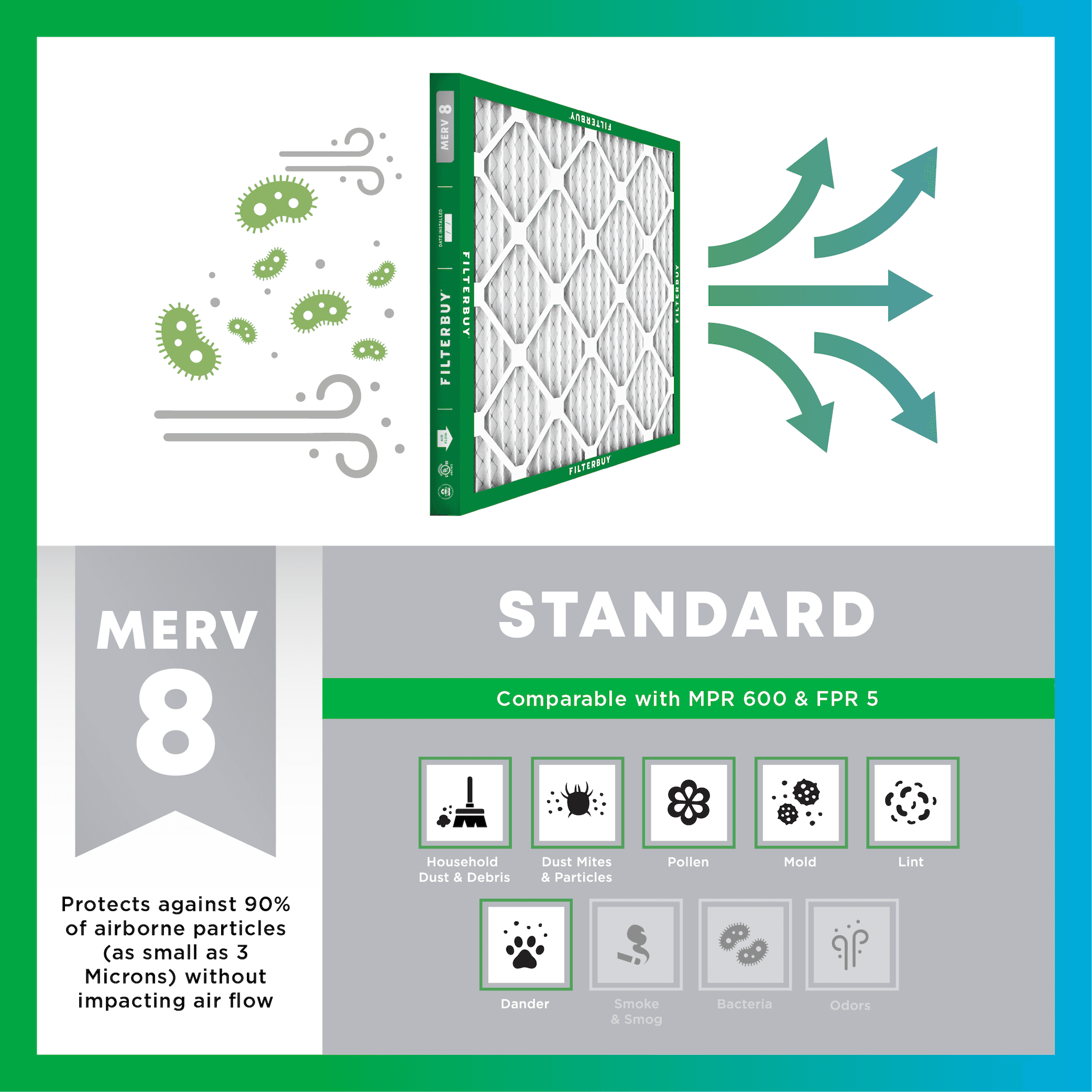
- MERV 8 synthetic media (comparable with MPR 600 & FPR 5) offers standard protection from dust, pollen, and more by trapping 90% of airborne particles without impacting air flow.
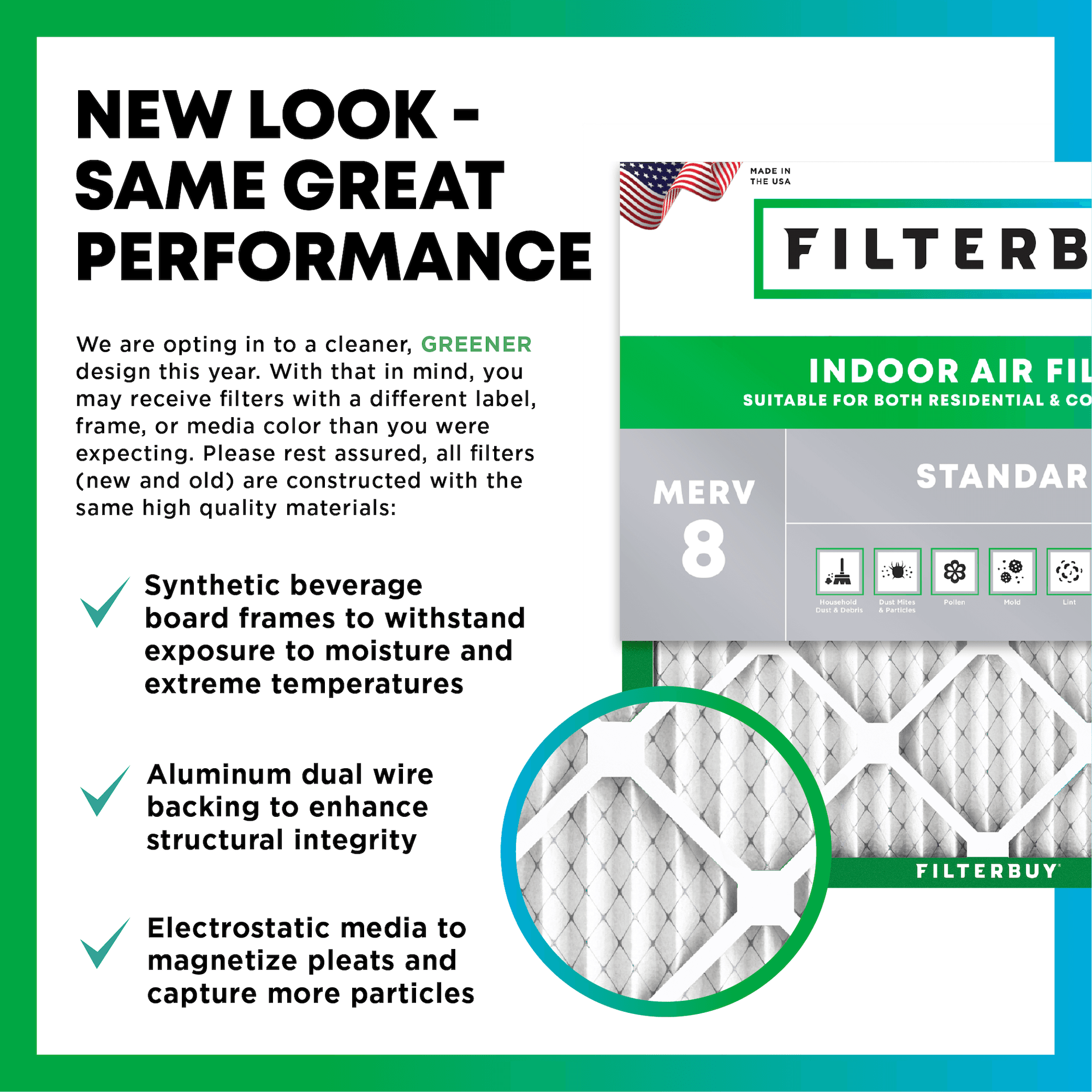
- High-quality construction means electrostatically charged pleated filter media, reinforced wire backing for structural integrity, and a durable frame to resist heat and humidity
- Built to last 3 months. 300% longer than fiberglass models
- 100% manufactured in the United States and designed with recyclable materials
- Learn more about 20x20x5 Air Filters
Top-Rated Filters. American Made. Delivered Free.
At Filterbuy, we don't cut corners—we craft high-quality air filters right here in the USA and ship them to your doorstep for free. No delays, no gimmicks—just clean air, made easy. With thousands of five-star reviews and filters built for real life & every HVAC system, it's no wonder why over 4 million families trust Filterbuy.

Proudly Made In The USA

Fast, Free Shipping on Every Order

Premium Materials That Go The Distance

85,000+ 5-Star Reviews From Happy Customers

Save Up to 70% Per Filter with Packs
Things to Know About Filter Sizes

Nominal Size
- The rounded size printed on your filter or HVAC unit (e.g., 20x20x5).
- Usually whole numbers to make identifying and ordering easier.
- A label for compatibility—not the exact measurement.

Actual Size
- The true, trimmed dimensions of the filter (e.g., 19.63x19.88x4.38 inches).
- Filters are manufactured slightly smaller so they slide into the filter slot without forcing.
- If you don't know your nominal size, measure your filter to get the actual size, then round up to find the nominal size to search on our site.

Why the difference?
- Nominal sizes simplify shopping and standardize categories.
- Actual sizes ensure the filter fits properly inside your HVAC's filter rack.
How To Find Your Nominal Size When You Don't Know It


Measure length × width × depth with a tape measure to find the actual size.

Round up each dimension to the nearest whole number to get the nominal size. Example: 19.63x19.88x4.38 in → 20x20x5 nominal.

Search by nominal size on our site for the best fit.

Why Getting the Right Size Matters
- Too small? Air can bypass the filter, reducing air quality and efficiency.
- Too big? It won't fit—risking bent frames and airflow issues.
- Just right? You get maximum performance, better filtration, and cleaner air.

Why Choose a 5″ filter

5″ filters give you maximum filtration with minimal maintenance — lasting up to 12 months while handling higher MERV ratings without restricting airflow.
Sizing note:
- Requires a 5″ cabinet or system.
- Actual thickness varies by brand (~4¾″–5¼″), so check your model for the best fit.

Free Exchange Policy
If the filter you buy doesn't fit, we'll send you a better size.

What's a MERV Rating?
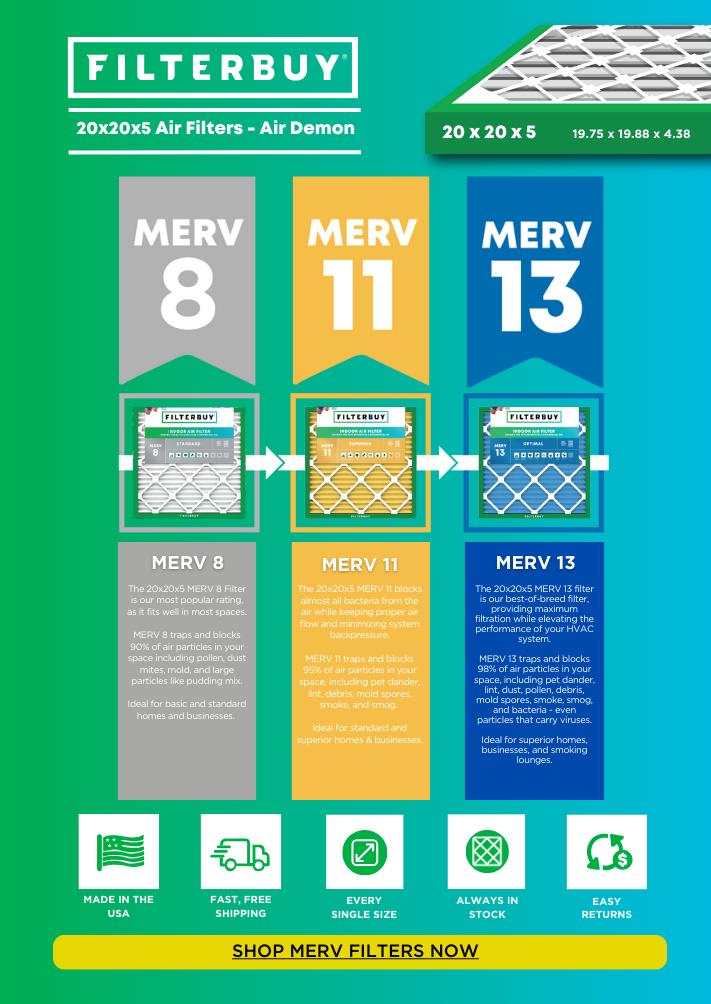
MERV stands for Minimum Efficiency Reporting Value—but don't let the technical name fool you. It's just a way to rate how well an air filter traps stuff like dust, pollen, pet dander, and smoke. The higher the MERV number, the more particles it catches—and the cleaner your air will be.

Merv 8
Comparable to:FPR: 4-7
MPR: 600-1000
 Dust & Debris
 Dust Mites & Particles
 Pollen
 Mold
Mold Lint
Lint Dander
Merv 11
Comparable to:FPR: 6-9
MPR: 1200-1550
Dust & DebrisDust Mites & ParticlesPollenMoldLintDander Smoke & Smog
Merv 13
Comparable to:FPR: 10
MPR: 1900-2800
Dust & DebrisDust Mites & ParticlesPollenMoldLintDanderSmoke & Smog Bacteria
MERV 8
Comparable to:FPR: 4-7MPR: 600-1000


MERV 11
Comparable to:FPR: 6-9MPR: 1200-1550

MERV 13
Comparable to:FPR: 10MPR: 1900-2800
What Makes Our Filters Last 90 Days? Quality, From the Inside Out
We build every Filterbuy filter to deliver reliable 90-day performance—thanks to smart design and premium materials that do the heavy lifting. Here's what makes the difference:
Pleated Design
More pleats = more surface area to capture dust and debris, keeping your air cleaner longer.
Electrostatically Charged Media
Pleats are magnetized to attract and trap microscopic particles—like pet dander, pollen, and smoke.
Synthetic Beverage Board Frame
Engineered to resist warping in extreme temperatures and high humidity.

Aluminum Dual Wire Backing
A layer of metal reinforcement keeps pleats evenly spaced and structurally sound—no sagging, even at high airflow.
Made in the USA
Assembled with care. Built to perform. Ships fast, free, and reliably from our U.S. facilities.
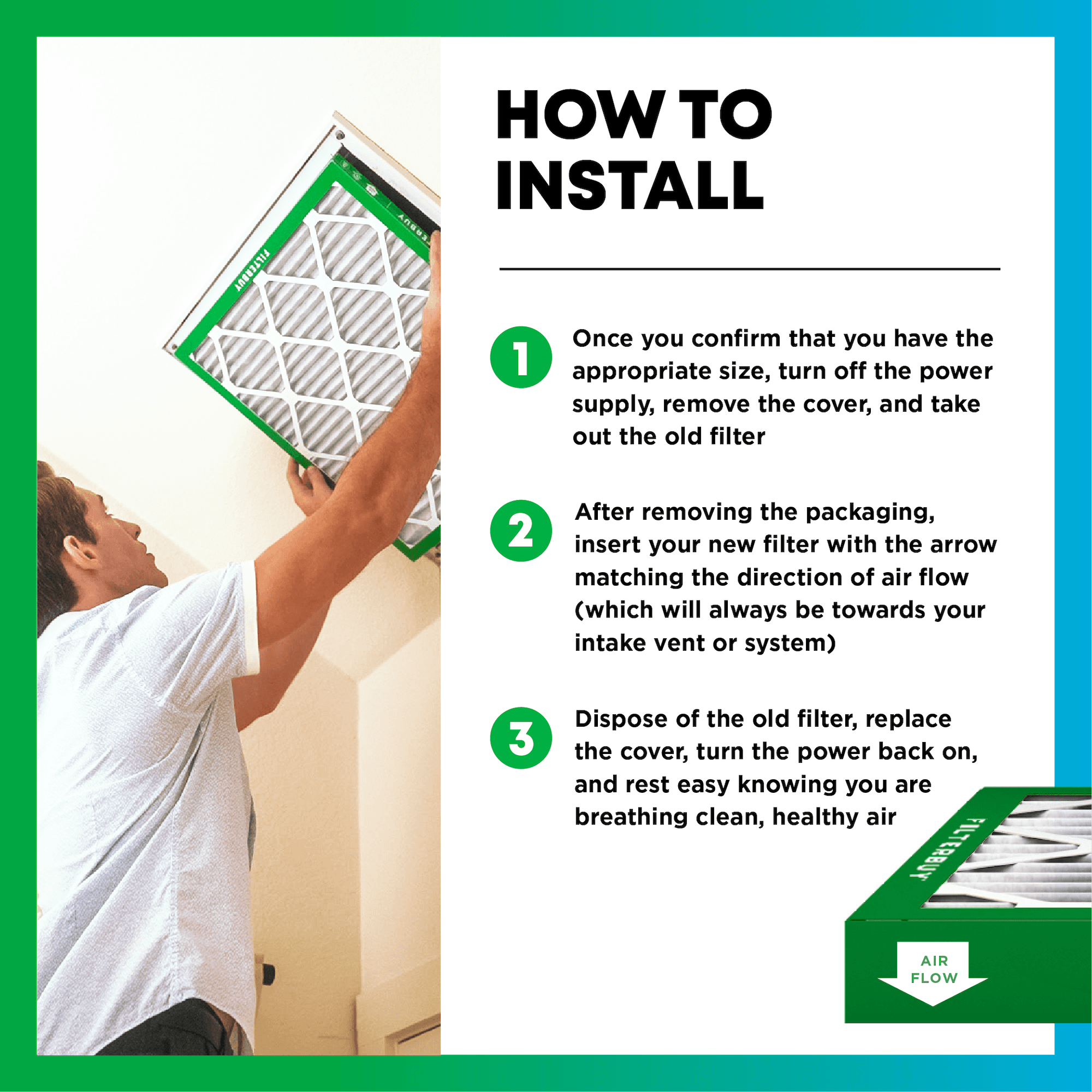
How to Install Your Filter in 4 Simple Steps

Turn Off Your HVAC SystemSafety first.

Remove The Old FilterLook for the airflow arrow and make note of the direction.

Slide In Your New FilterArrow should point toward the system (same direction as before).

Turn Your System Back OnAnd enjoy the fresh, clean air.

Never forget to replace your air filter again.
- Save 5% on every order
- Choose Your Delivery Schedule
- Edit, Skip, or Cancel Anytime.
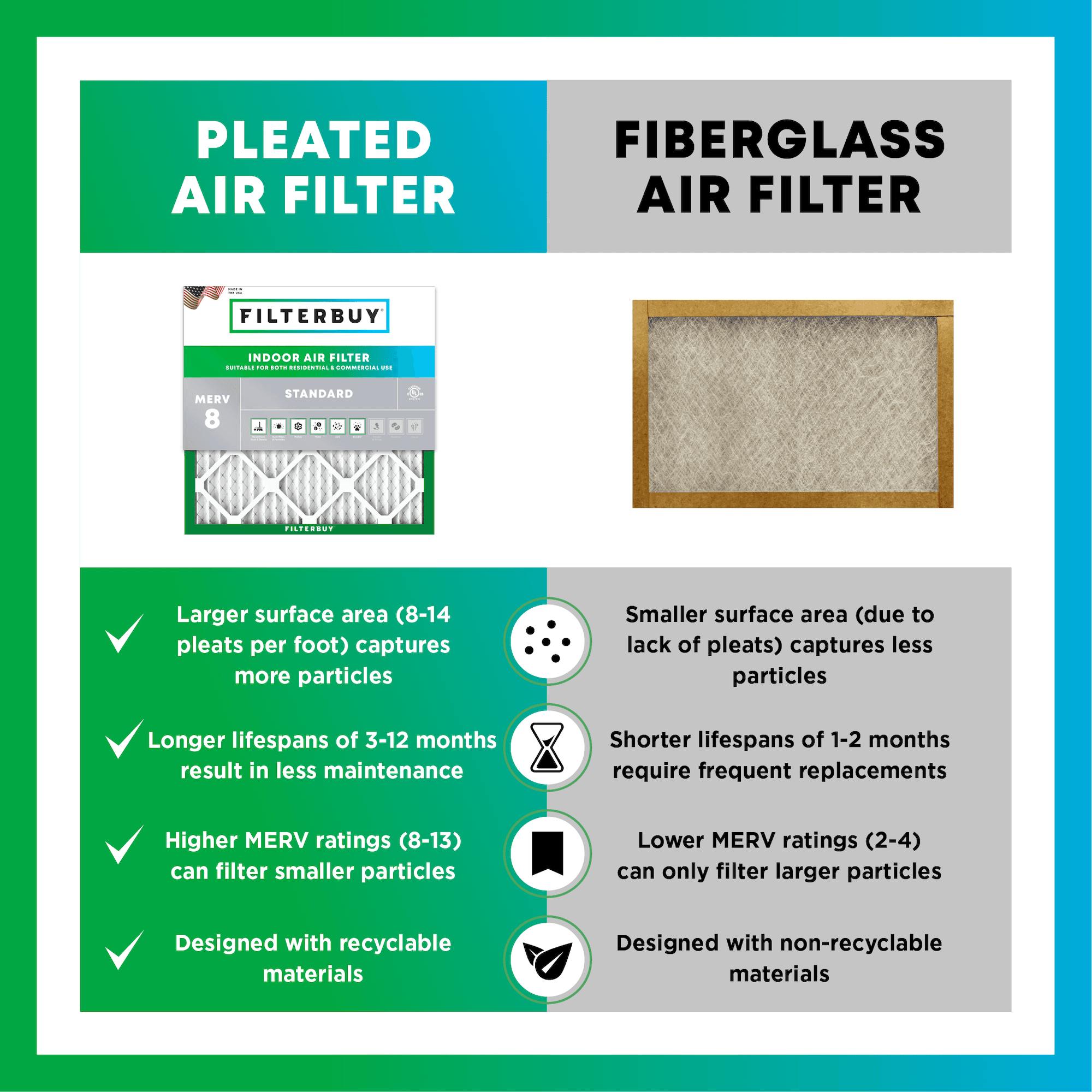
Pleated Filters vs. Fiberglass—What's the Difference?
Not all air filters are created equal. Pleated filters don't just last longer—they actually clean your air better. Here's how they stack up:

Pleated Filters
Efficiency:
High (MERV 8–13) – Traps more particles
Lifespan:
90 days – Long-lasting performance
Air Quality:
Excellent – Cleaner, healthier air
Materials:
Recyclable and durable

Fiberglass Filters
Efficiency:
Low (MERV 4 or less) – Misses small stuff
Lifespan:
30 days or less – Replace often
Air Quality:
Minimal – Basic protection only
Materials:
Thin, flimsy, and not recyclable
Pleated filters are a no-brainer—more protection, less hassle, and better air for your home.
How Often Should You Change Your Filter?
Changing your filter on time keeps your HVAC system running efficiently—and helps protect your lungs from dust, allergens, and airborne irritants. Here's how often to swap it out based on your needs:

Every 90 Days
Standard ScheduleFor most homes without pets or special air quality concerns. Great for general upkeep and energy efficiency.

Every 60 Days
If You Have Pets or AllergiesShedding fur, dander, and allergy triggers can build up fast. Changing your filter every two months helps keep the air fresher and symptoms at bay.

Every 30 Days
If You Have Respiratory Concerns or Live in Smog/Wildfire ZonesFor households affected by smoke, pollution, or respiratory conditions, monthly changes ensure maximum protection.

Want to stay on track? Set a reminder—or skip the stress with auto-delivery so fresh filters show up right when you need them.
Don't Just Take Our Word For It...
Got More Questions? We've Got Answers.
Product Specifications
| Nominal Size | 20 x 20 x 5 inches |
| Actual Size | 19.63 x 19.88 x 4.38 inches |
| Filter Type | Pleated |
| Media | Electrostatically Charged |
| Frame | Beverage Board |
| MERV Ratings Available | 8, 11, 13 |
| Lifespan | Up to 12 Months |
| Origin | Made in USA |
MERV 8 20x20x5 Air Demon Filter Installation Mistakes
A 20x20x5 Air Demon filter swap should take two minutes. But customers tell us the same installation mistakes keep showing up—errors that quietly reduce airflow, stress your HVAC system, and cut filter life short.
After manufacturing millions of 20x20x5 filters, we've identified the exact missteps that cause problems and the simple fixes that prevent them. Here's what we've learned.
TL;DR Quick Answers
MERV 8 20x20x5 Air Demon Filter
A MERV 8 20x20x5 filter is a medium-efficiency pleated air filter designed to fit Air Demon whole-house filter cabinets. After manufacturing millions of filters in this size, here's what you need to know:
What it filters:
Dust and dust mites
Pollen
Lint and fibers
Carpet fibers
Key specs:
Nominal size: 20x20x5 inches
Actual size: ~19.5 x 19.5 x 4.75 inches
MERV rating: 8 (captures particles 3+ microns)
Replacement interval: 3–6 months
Installation essentials:
Airflow arrow points toward blower motor
Filter should slide in without forcing
No gaps around edges
Cabinet door must latch fully
Best for:
Standard residential filtration
Homes without pets or allergy concerns
Older HVAC systems that need unrestricted airflow
Customers tell us MERV 8 delivers reliable everyday protection without straining your system. For homes with pets, allergies, or respiratory sensitivities, consider MERV 11 or MERV 13.
Top Takeaways
The filter is rarely the problem—installation is. Most performance issues trace back to installation errors, not filter quality.
Gaps defeat the entire purpose. Even small spaces let unfiltered air bypass the media completely.
Installation errors cost you money. Backwards orientation, poor seals, or an unlatched cabinet door increase energy use by up to 15%.
Your old filter is a diagnostic tool. Even dust coverage = proper installation. Heavy edges with a clean center = air bypass. Fix the seal first.
Proper installation takes under two minutes. Arrow toward the blower. Filter seated flush. No gaps. Cabinet door latched. Done.
Confusing Nominal Size with Actual Size
The most common mistake we see from customers ordering 20x20x5 Air Demon replacement filters is assuming the nominal size printed on their system matches the filter's actual dimensions. It doesn't. The 20x20x5 nominal size is a rounded shorthand. The actual size of this filter is 19.63 x 19.88 x 4.38 inches. After manufacturing millions of filters in this exact size, we can tell you that ordering based on nominal dimensions alone rarely causes a fitment issue — but measuring your filter cabinet with a tape measure before ordering eliminates any guesswork and ensures a proper seal.
Installing the Filter with the Airflow Arrow Facing the Wrong Direction
Every 20x20x5 Air Demon replacement filter has an airflow direction arrow printed on its side. This arrow must point toward the blower motor — in the same direction the air travels through your system. Installing the filter backward forces air against the structural backing rather than into the pleated media, which reduces filtration efficiency and can cause the frame to bow or collapse under pressure. Customers tell us this is the single easiest mistake to make and the single easiest to prevent. Take two seconds to check the arrow before sliding the filter into the cabinet.
Using the Wrong Replacement Filter for Your Specific Air Demon Model
Air Demon systems span multiple Honeywell model lines, including the F25, F35, F100, F150, and F200 series. Each uses the 20x20x5 footprint, but not every aftermarket filter on the market is engineered to the same tolerances. A poorly constructed replacement with a flimsy cardboard frame or insufficient pleat count will leave gaps around the edges, allowing unfiltered air to bypass the media entirely. Look for replacements built with reinforced beverage board frames, dual wire backing, and electrostatically charged pleated media — these features ensure the filter holds its shape inside the cabinet and delivers the full MERV 8 particle capture rate.
Neglecting the Replacement Schedule
A MERV 8 rated 20x20x5 filter is designed to capture 90 percent of airborne dust, pollen, lint, and mold spores. That capacity is not infinite. We hear from homeowners all the time who assume the 5-inch depth means the filter lasts a full year without replacement. While 5-inch filters do outlast standard 1-inch models significantly, most MERV 8 filters in this size still need replacement every 90 days for optimal performance. Households with pets, allergy sufferers, or heavy HVAC usage during peak seasons should check the filter monthly and replace it sooner if the pleats appear visibly gray or clogged.
Forcing a Filter That Doesn't Fit
If your 20x20x5 Air Demon replacement filter requires excessive force to slide into the cabinet, something is wrong. A properly sized filter should fit snugly but slide in without bending the frame or crushing the pleats. Forcing an oversized filter damages the structural integrity of the media, creates creases where air bypasses filtration, and can even warp the filter rack itself. On the flip side, a filter that's too small leaves gaps that let dust, allergens, and debris pass straight through to your evaporator coil and ductwork — defeating the entire purpose of filtration.
"After helping thousands of customers troubleshoot Air Demon filter issues, we've found that nine times out of ten, the problem isn't the filter—it's the installation. A proper seal and correct airflow direction make all the difference."
Essential Resources for MERV 8 20x20x5 Air Demon Filter Owners
Understand What MERV 8 Actually Filters
Customers ask us all the time what MERV 8 really captures. The EPA's official guide breaks it down clearly—which particle sizes, which pollutants, and how efficiency ratings are tested. We recommend starting here before upgrading or changing filter types.
Source: U.S. Environmental Protection Agency
URL: https://www.epa.gov/indoor-air-quality-iaq/what-merv-rating
Choose the Right Filter for Your Household
After manufacturing millions of filters, we've learned that the "best" MERV rating depends entirely on your home. Our comparison guide helps you decide when MERV 8 makes sense versus stepping up to MERV 11 or 13—based on pets, allergies, and what your system can handle.
Source: Filterbuy Resources
URL: https://filterbuy.com/resources/air-filter-basics/which-merv-rating-should-I-use/
Verify Your HVAC System Can Handle Your Filter
Here's something customers often overlook: not every system can handle every filter. The Department of Energy's guide explains pressure drop, airflow resistance, and how to match filter efficiency to your blower motor's capabilities. Worth checking before you upgrade.
Source: U.S. Department of Energy – Building America Solution Center
URL: https://basc.pnnl.gov/resource-guides/high-merv-filters
Learn How Filtration Protects Your Family
Don't take your indoor air for granted. The EPA's consumer guide explains what HVAC filters can and can't remove from your air—and how to get the most protection from your filtration setup. Essential reading for anyone serious about their family's air quality.
Source: U.S. Environmental Protection Agency
URL: https://www.epa.gov/indoor-air-quality-iaq/guide-air-cleaners-home
Review the Science Behind MERV Testing
Ever wonder how MERV ratings are actually determined? ASHRAE Standard 52.2 is the industry testing protocol we follow. This technical document shows exactly how filters are evaluated across particle size ranges—useful if you want to understand what the numbers really mean.
Source: ASHRAE (American Society of Heating, Refrigerating and Air-Conditioning Engineers)
URL: https://www.ashrae.org/File%20Library/Technical%20Resources/COVID-19/52_2_2017_COVID-19_20200401.pdf
Explore the Research on Filtration and Health
We're obsessed with indoor air quality because the research backs it up. The EPA's technical summary covers how filtration affects respiratory and cardiovascular health—real data on why clean air matters for your family's wellbeing.
Source: U.S. Environmental Protection Agency
Access Comprehensive Indoor Air Quality Guidance
Filters are just one piece of the puzzle. The EPA's central resource hub covers source control, ventilation, and filtration working together—helping you understand how your 20x20x5 filter fits into a complete approach to cleaner, healthier air at home.
Source: U.S. Environmental Protection Agency
URL: https://www.epa.gov/indoor-air-quality-iaq
Supporting Statistics on Indoor Air Quality and Filter Performance
Americans Spend 90% of Their Time Indoors
Customers ask us why filter installation matters so much. The EPA answers that question clearly:
Average Americans spend 90% of their time indoors
Indoor pollutant concentrations run 2–5x higher than outdoor levels
Your HVAC filter is the primary defense against what's circulating in your home
After helping millions of households improve their air quality, we've seen firsthand how proper installation makes a measurable difference.
Source: U.S. Environmental Protection Agency
URL: https://www.epa.gov/report-environment/indoor-air-quality
A Clogged Filter Can Increase Energy Use by Up to 15%
The Department of Energy reports that dirty filters increase HVAC energy consumption by up to 15%. Here's what we've learned from thousands of customer conversations: installation mistakes cause the same problem.
Common errors that restrict airflow and drive up energy costs:
Gaps around air filter edges
Reversed airflow direction
Cabinet doors that don't seal properly
Get installation right from the start. Your air quality and your wallet both benefit.
Source: U.S. Department of Energy
URL: https://www.energy.gov/energysaver/maintaining-your-air-conditioner
Indoor Air Pollution Ranks Among the Top 5 Environmental Health Risks
We're obsessed with indoor air quality because the science backs up what we see every day. The EPA's Science Advisory Board ranks indoor air pollution among the top five environmental health risks.
The EPA recommends three core strategies for reducing exposure:
Source control
Ventilation
Proper filtration
Filtration only works when installation is correct. That means your 20x20x5 seated right, sealed tight, and pointing in the correct direction.
Source: U.S. Environmental Protection Agency
URL: https://www.epa.gov/indoor-air-quality-iaq/introduction-indoor-air-quality
Final Thought: Why Installation Mistakes Matter More Than Most People Think
After manufacturing millions of 20x20x5 filters and hearing from thousands of Air Demon cabinet owners, we've reached a simple conclusion: the filter itself is rarely the problem.
The real issue? Installation.
A MERV 8 filter only protects your air quality, your HVAC system, and your energy bills when it's installed correctly. Small oversights quietly undermine everything a quality filter is designed to do.
Here's our honest take:
Most installation guides cover the basics—arrow points toward the blower, replace every 90 days. Done.
But that advice misses what actually matters. Customers tell us they've followed the basics for years and still ended up with:
Dust buildup on evaporator coils
Uneven heating and cooling
Filters that looked barely used on one side
The culprit almost every time? Air bypassing the filter because of a seal issue nobody mentioned.
What we've learned:
A filter with gaps performs like no filter at all
Installation errors cost the same 15% energy penalty as a clogged filter
Two minutes of attention saves months of compromised air quality
Our perspective:
We're obsessed with indoor air quality because clean air genuinely matters. Consider the facts:
You spend 90% of your time indoors
Your family breathes what your HVAC system circulates
A $30 filter installed correctly protects health, equipment, and budget
The same filter installed poorly protects nothing
The difference isn't the product. It's the two minutes you spend getting it right.
Next Steps: Get Your Air Demon Filter Installed Right
You've learned what goes wrong. Here's exactly what to do next.
1. Inspect Your Current Installation
Before replacing your filter, check your existing setup:
Gaps – Run your hand around the filter edges with the system running. Air pulling through means unfiltered air is bypassing the media.
Arrow direction – Should point toward the blower motor, not toward the return vent.
Cabinet door – Must latch fully and sit flush. Light or air leaks mean compromised filtration.
2. Read Your Old Filter
Your used filter tells a story. Check the dust pattern:
Even coverage = proper seal, correct installation
Heavy edges, clean center = air bypassing the filter
Uneven patterns? Fix the seal before installing your replacement.
3. Gather What You Need
Have these ready:
Correct replacement filter (true 5-inch depth, exact dimensions)
Flashlight for inspecting cabinet tracks
Clean cloth to wipe debris from tracks
Replacement gaskets if current seals are worn
4. Install With Intention
Follow this sequence:
Turn off HVAC system
Remove old filter and check dust pattern
Clear debris from cabinet tracks
Locate airflow arrow on new filter
Slide filter in without forcing—resistance means wrong orientation
Confirm flush seat with no gaps
Latch cabinet door completely
Turn system on and verify airflow
Total time: under two minutes.
5. Order the Right Replacement
We manufacture 20x20x5 replacements in three options:
MERV 8 – Standard filtration
MERV 11 – Enhanced particle capture
MERV 13 – Maximum residential protection
FAQ on "MERV 8 20x20x5 Air Demon Filter"
Q: Will a FilterBuy 20x20x5 MERV 8 filter fit my Air Demon cabinet?
A: Yes. After manufacturing millions of 20x20x5 filters, we've engineered our dimensions to match Air Demon cabinet specifications precisely.
What to expect:
Filter should slide in smoothly without forcing
If it resists, check orientation first—customers tell us forcing usually means incorrect rotation
The 20-inch sides and 5-inch depth aren't interchangeable
Q: Is MERV 8 enough filtration for my home?
A: For most households, yes. MERV 8 captures dust, pollen, lint, and larger particles without straining your system.
Here's what we've learned from thousands of customer conversations:
MERV 8 – Best for homes without pets or allergy concerns
MERV 11 – Better for pet owners or mild allergy sufferers
MERV 13 – Best for allergies, asthma, or respiratory sensitivities
Q: How often should I replace my 20x20x5 MERV 8 filter?
A: Standard recommendation is every 3–6 months. But we've found that "standard" doesn't fit every home.
Replace closer to 3 months if you have:
Pets
Heavy HVAC usage
Dusty environment
Our advice: Check monthly. Replace when the filter looks visibly gray or feels stiff with buildup. Customers who check monthly catch problems before airflow restrictions cost them money.
Q: Which direction should the airflow arrow point?
A: Toward your blower motor. Always.
This is the most common mistake customers bring to us. A reversed filter causes:
Reduced capture efficiency
Restricted airflow
Higher energy bills
We've heard from homeowners who ran filters backwards for months before noticing the problem. Two seconds to check the arrow saves weeks of compromised performance.
Q: What's the actual size of a 20x20x5 filter?
A: Nominal size is 20x20x5. Actual size is slightly smaller—typically around 19.5 x 19.5 x 4.75 inches.
This is intentional, not a shortcut. The slight difference allows the filter to slide in without jamming.
If your filter fits too loosely:
The issue isn't the filter
Check for worn cabinet gaskets
Customers tell us replacing inexpensive gaskets restores a tight seal immediately
Avoid These Installation Mistakes — Get the Right 20x20x5 Air Demon Replacement Filter
Now that you know the most common MERV 8 20x20x5 Air Demon filter installation mistakes, the next step is making sure you start with a filter engineered to fit your system perfectly. Shop Filterbuy's 20x20x5 MERV 8 replacement filters — manufactured in the USA with reinforced frames and electrostatically charged media — and get free shipping straight to your door.