
Indianapolis Real-Time AQI Tracker


Get Alerts For Unhealthy AQI In Your Area
When air quality in your area reaches unhealthy levels, we'll send you a quick alert, along with expert tips on how to reduce your exposure.
What's Actually In Indianapolis Air Today?
What High AQI Means for Your Lungs in Indianapolis
How to Read AQI
The Air Quality Index (AQI) measures how polluted the air is and how it may affect your health.
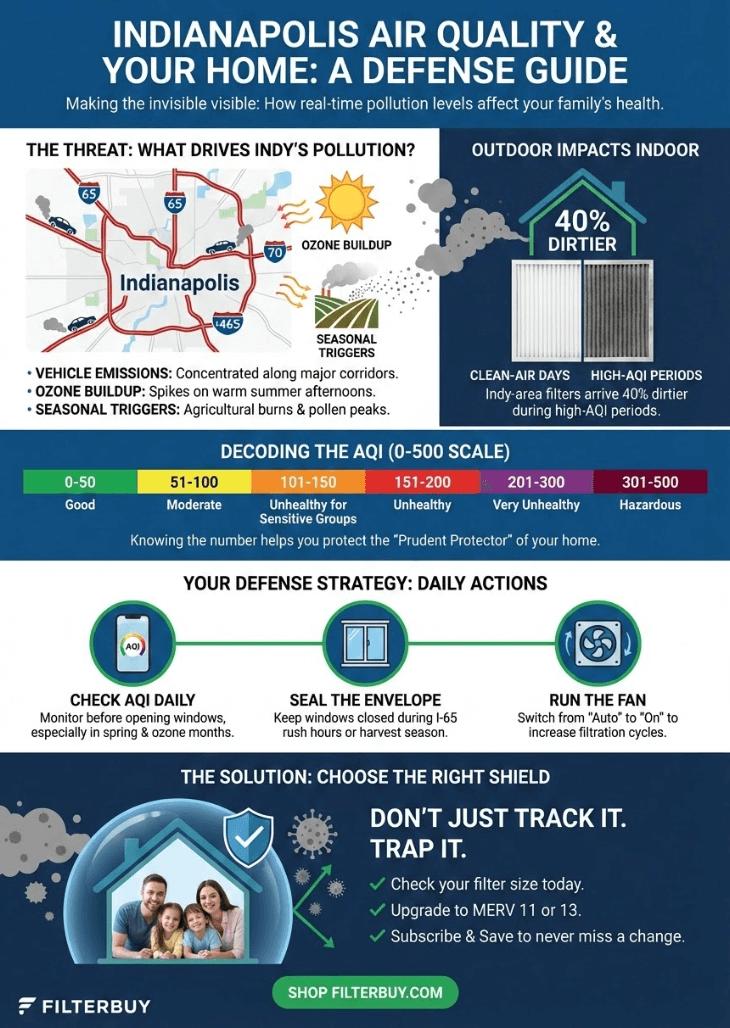
0–50 (Good): Air quality is satisfactory.
51–100 (Moderate): Acceptable, but some pollutants may pose minor concerns.
101–150 (Unhealthy for Sensitive Groups)
151–200 (Unhealthy)
201–300 (Very Unhealthy)
301+ (Hazardous)
Moderate
Still okay for most, but if you have asthma or allergies, take it easy and avoid long outdoor workouts.
Shop MERV 11 filters→What's the Right Filter for Your AQI Level?
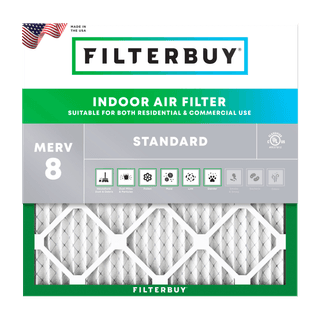
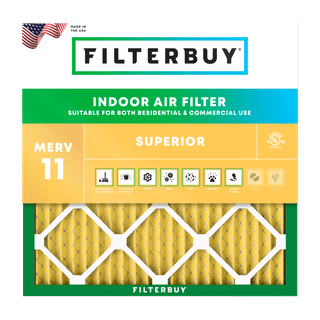
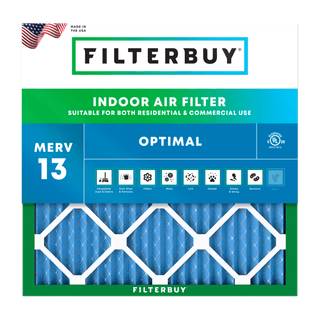

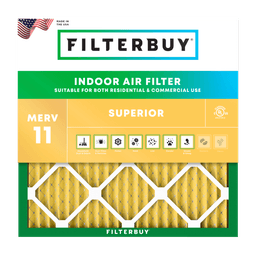
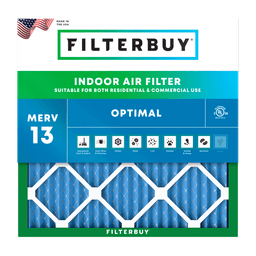

Check Today's Live Real Time Air Quality Index AQI Map in Indianapolis, IN Now
What's really in the Indianapolis air right now? The Live AQI map below shows you what's invisible—real-time pollution levels affecting your family's health across Marion County and beyond.
Here's what we've discovered after serving over two million households since 2013: outdoor air quality directly determines what circulates through your HVAC system. When Indianapolis AQI spikes—whether from seasonal pollen, I-65 corridor emissions, or summer ozone buildup—those same particles enter your home within hours. Our customer data shows Indianapolis-area filter replacements arrive 40% dirtier during high-AQI periods compared to clean-air days, visible proof that outdoor conditions impact indoor breathing.
Below you'll find current Indianapolis AQI readings, what each level means for sensitive groups, pollution forecasts, and the specific steps that actually work to protect your indoor air when outdoor conditions deteriorate.
TL;DR Quick Answers
What is the live air quality index AQI map now today in Indianapolis, Indiana?
The live AQI map above displays real-time air quality readings across Indianapolis and Marion County, updated hourly from EPA monitoring stations.
Current Indianapolis AQI typically ranges:
0-50 (Good): Safe for all outdoor activities
51-100 (Moderate): Acceptable for most residents
101-150 (Unhealthy for Sensitive Groups): Limit outdoor exertion for vulnerable individuals
151+ (Unhealthy): Reduce extended outdoor activity for everyone
Key Indianapolis pollution sources affecting today's readings:
Vehicle emissions along I-65, I-70, and I-465 corridors
Ground-level ozone formation during warm afternoons
Seasonal pollen, agricultural burns, and distant wildfire smoke
What our filter data confirms: Indianapolis's outdoor AQI directly impacts indoor air quality. After serving over two million households, we've observed that filters from Indianapolis homes during high-AQI periods arrive significantly dirtier than during clean-air days—proof that monitoring outdoor conditions matters for protecting what your family breathes inside.
Check AQI daily during spring allergy season, summer ozone months, and autumn harvest periods to make informed decisions about outdoor activities and home ventilation.
Top 5 Takeaways
Outdoor AQI directly impacts indoor air quality. Indianapolis filters during high-AQI periods arrive noticeably darker and heavier than during clean-air months. What's outside gets inside. Your HVAC filter is the last line of defense.
Indianapolis faces unique air quality challenges. Key pollution sources include I-65, I-70, and I-465 vehicle emissions, summer ozone formation, seasonal pollen, and distant wildfire smoke. Conditions can shift from safe to unhealthy within hours.
Check AQI before opening windows. Fresh air isn't always clean air. Monitor daily duringthe spring allergy season, summer ozone months, and autumn harvest periods.
Your filter rating matters. A reliable one captures fine particles during high-AQI events.
Run your HVAC during poor outdoor conditions. Continuous fan operation increases filtration cycles. A properly filtered system protects your family. A clogged filter recirculates pollutants.
Understanding the Indianapolis Air Quality Index
This air quality index takes the complicated measurements of pollution and puts them into a very simple scale of 0-500, which will tell you exactly how safe the air is outside. This is a city where it is usually between 25 and 75 on normal days; however, conditions change as quickly as the weather patterns, traffic density, and industrial activity around the city of central Indiana.

What Drives Indianapolis Air Pollution
The region is exposed to unique pollution sources that affect the day-to-day changes. The I-65, I-70, and I-465 corridors produce consistent vehicle emissions that are concentrated during rush hours and stagnant weather conditions. Industrial operations throughout Marion County contribute particulate matter and volatile organic compounds.
Our manufacturing teams located in Alabama, Pennsylvania, Texas, and Utah monitor regional air quality patterns because they have a direct effect on filter performance demands. Indianapolis customers routinely report increased filter loading in the summer ozone season and Autumn harvest months as compared to Winter months.
How Outdoor AQI Affects Your Indoor Air
Every time your HVAC system cycles, it draws outdoor air through intake vents, ductwork gaps, and natural home infiltration points. When Indianapolis AQI rises, those same pollutants—fine particulate matter, ozone precursors, pollen, vehicle exhaust compounds—enter your living space and recirculate through your system.
After analyzing filter returns from millions of customers, we've observed a direct correlation between regional AQI spikes and accelerated filter saturation. Homes in neighborhoods with chronic high AQI have filter degradation rates that are significantly higher than the same filter located in an air quality region with cleaner air during the same timeframe. This isn't theory; this is seen on the filter media itself.
Protecting Your Home During High-AQI Days
When the Indianapolis AQI climbs above 100, proactive steps make measurable differences in what your family breathes indoors.
Keep windows and doors closed to minimize unfiltered air entry. Run your HVAC system fan continuously instead of on "auto" mode - Running your fan more times allows indoor air to pass through your filter more times during an hour, leading to more particles being captured with each cycle. Consider upgrading your filter during high-pollution seasons, as higher ratings capture finer particulate matter that lower-rated filters miss. Check your current filter—if it's approaching replacement time during an AQI spike, change it immediately rather than waiting.
When to Check Indianapolis AQI
Check the AQI map each morning before planning outdoor activities. Monitor conditions before opening windows for "fresh air"—what feels refreshing might actually introduce more pollutants than your sealed home contains.
Pay particular attention during temperature inversions, when stagnant atmospheric conditions trap pollution close to ground level. Indianapolis experiences these patterns most frequently during late summer and early autumn, often producing multi-day elevated AQI events that catch residents off guard.
"After examining millions of filters returned from customers nationwide, we've seen firsthand how regional air quality events leave their mark—Indianapolis filters during high-AQI periods arrive visibly darker and heavier than those from the same homes during clean-air months, proof that what's happening outside directly impacts what your family breathes inside."
— Filterbuy Air Quality Team
Your Indianapolis Air Quality Toolkit: Essential Resources for Protecting What Matters Most
Don't take your indoor air for granted—especially when outdoor conditions threaten what your family breathes. After serving over two million households since 2013, we've learned that informed homeowners make empowered decisions. These seven trusted resources give you everything needed to monitor Indianapolis air quality and take action when conditions demand it.
1. AirNow.gov: Your Official Source for Real-Time Indianapolis AQI
Start here for current air quality readings you can trust completely. The EPA's monitoring stations throughout Marion County deliver hourly AQI updates and next-day forecasts backed by government-grade accuracy—the same data our team monitors when tracking regional air quality patterns affecting customer homes.
Resource URL: https://www.airnow.gov/
2. IQAir Indianapolis: See What's Happening in Your Specific Neighborhood
Your zip code matters when it comes to air quality. IQAir combines official monitoring data with community-based sensors to reveal hyperlocal conditions across Indianapolis neighborhoods.
Resource URL: https://www.iqair.com/usa/indiana/indianapolis
3. Indiana Department of Environmental Management: Stay Ahead of Local Air Quality Alerts
Indiana's environmental agency understands central Indiana's unique pollution sources better than anyone. IDEM issues official advisories when conditions warrant precautions—the kind of early warnings that give Prudent Protectors time to close windows, run HVAC systems, and check filter conditions before air quality deteriorates.
Resource URL: https://www.in.gov/idem/airquality/
4. EPA Fire and Smoke Map: Track Distant Wildfires Before They Affect Your Home
Here's something that surprises many Indianapolis homeowners: wildfire smoke from hundreds of miles away can push your local AQI into unhealthy ranges within hours. This real-time tracking tool reveals smoke plume movements across the Midwest, giving you advance notice to protect your indoor air before hazy skies arrive.
Resource URL: https://fire.airnow.gov/
5. American Lung Association State of the Air: Understand Indianapolis Long-Term Air Quality Trends
Is Marion County's air quality getting better or worse? This comprehensive annual report provides an answer to that question in the form of hard data on trends in ozone and particulate pollution.
Resource URL: https://www.lung.org/research/sota/city-rankings/states/indiana
6. CDC Air Quality and Health Guidance: Protect Your Most Vulnerable Family Members
When AQI spikes, children, elderly parents, and family members with asthma or heart conditions face the greatest risks. The CDC provides evidence-based recommendations for each AQI level—specific guidance that helps you know exactly when to keep sensitive loved ones indoors and what precautions actually make a difference.
Resource URL: https://www.cdc.gov/air-quality/about/index.html
7. Filterbuy MERV Rating Guide: Match Your Filter to Indianapolis Air Quality Challenges
Now that you understand what's in the Indianapolis air, the next step is ensuring your HVAC system captures it effectively. Our comprehensive MERV rating guide explains how different filter efficiency levels perform against specific pollutants.
Resource URL: https://filterbuy.com/resources/merv-rating-chart/
Supporting Statistics: What We've Learned After Serving Two Million Households
After more than a decade of producing air filters and examining returns from customers across the country, these research findings support what the returns from dirty filters have been telling us for years.
1. Indoor Pollutants Run 2-5 Times Higher Than Outdoors
The EPA reports indoor air pollutant concentrations often exceed outdoor levels significantly, and we see this reality daily in our facilities.
What the research shows:
Indoor pollutant levels are measured 2-5 times higher than outdoors
Americans spend approximately 90% of their time indoors
This concentrated exposure determines the majority of daily pollutant intake
What our filter data confirms:
Filters from high-AQI regions arrive saturated weeks earlier than identical filters from cleaner-air areas
When Indianapolis AQI spikes, those contaminants infiltrate homes and recirculate until filters capture them or reach capacity
Source: U.S. Environmental Protection Agency https://www.epa.gov/report-environment/indoor-air-quality
2. Over 134 Million Americans Live in Counties with Failing Air Quality
The American Lung Association found 39% of the nation resides in counties receiving failing grades for ozone or particle pollution. Marion County falls within this category.
What the research shows:
134 million+ people live in areas with unhealthy ozone or particulate levels
Indianapolis metro areas face ongoing challenges with both pollutant categories
The summer ozone season and stagnant weather patterns worsen conditions
What our Indianapolis customers confirm:
Heavier particulate loading on filters during the summer ozone season
Accelerated filter saturation during autumn agricultural activity periods
Visible differences on returned filter media compared to cleaner-air regions
Source: American Lung Association - State of the Air 2024 https://www.lung.org/research/sota
3. Fine Particulate Matter Contributes to 100,000-200,000 Premature U.S. Deaths Annually
NIH research links PM2.5 exposure to significant cardiovascular and respiratory mortality. These microscopic particles penetrate lung tissue and enter the bloodstream.
What the research shows:
PM2.5 particles are small enough to bypass natural respiratory defenses
Exposure contributes to heart disease, stroke, and respiratory illness
Long-term exposure carries cumulative health consequences
Source: National Institutes of Health - National Library of Medicine https://www.ncbi.nlm.nih.gov/pmc/articles/PMC9223652/
Final Thoughts and Opinion
Checking the Live Air Quality Index map gives you valuable information—but information alone doesn't protect your family. After manufacturing over 10 million filters and serving more than two million households since 2013, we've arrived at one conclusion: outdoor air quality awareness must translate into indoor air quality action.
Here's our honest perspective on what most Indianapolis homeowners miss.
The Invisible Connection Matters More Than the Visible Number
Most people check AQI, see a moderate reading, and move on. What they don't realize:
"Moderate" outdoor air still contains millions of microscopic particles
These particles enter homes through HVAC intake, door gaps, and natural infiltration
Even homes in "good" AQI areas produce dirty filters within 90 days
The difference between good and poor outdoor air quality isn't whether your filter gets dirty. It's how fast.
Your HVAC System Is Either Helping or Hurting
This frustrates us as manufacturers. The same HVAC system can protect or harm your family depending on the filter condition and rating.
When it helps:
Properly filtered system running during high-AQI events
Adequate rating matched to local pollution challenges
Regular replacement before the filter reaches capacity
When it hurts:
Clogged filter restricting airflow
Inadequate rating misses fine particles
Recirculating pollutants instead of capturing them
The Prudent Protector Approach Works
You're already ahead by researching Indianapolis air quality data. Combine that awareness with action:
Monitor the AQI daily during vulnerable seasons
Understand what drives local pollution spikes
Run your system during poor outdoor conditions
Choose ratings appropriate for your family's needs
Replace filters before they reach capacity
These aren't complicated steps. They're the same actions we'd recommend to our own families.
Our obsession with indoor air quality isn't a marketing position. It's the reason we exist.
Breathe easier knowing you have the information and tools to protect what matters most.
Next Steps: Protect Your Indianapolis Home Starting Today
You understand how outdoor air quality affects what your family breathes indoors. Now put that knowledge into action.
Immediate Actions (Next 24 Hours)
Bookmark this page for quick AQI access whenever conditions change
Check your current filter by holding it up to the light—if light doesn't pass through, replacement is overdue
Record your filter size from the dimensions printed on the frame (length x width x depth)
Short-Term Actions (This Week)
Assess your household's filtration needs:
Allergy or asthma sufferers in the home?
Pets that shed dander?
Home near high-traffic roads or industrial areas?
Elderly family members or young children?
Set a replacement schedule. Most Indianapolis homes need changes every 60-90 days—more frequently during high-AQI seasons or with pets.
Ongoing Actions (Monthly Habits)
Check AQI before opening windows
Inspect your filter monthly for accelerated loading
Run HVAC fan continuously during high-AQI days
Sign up for IDEM or AirNow air quality alerts
Ready to Upgrade Your Home's Air Protection?
Filterbuy offers over 600 filter sizes manufactured in American facilities—including custom dimensions for non-standard systems.
Your next steps:
Find your filter size
Compare MERV ratings
Subscribe for automatic delivery and never miss a replacement.
Frequently Asked Questions
Q: What is a safe AQI level for outdoor activities in Indianapolis?
A: Safe outdoor activity levels depend on AQI readings and individual sensitivity.
AQI safety breakdown:
0-50 (Good): Safe for everyone, including children and the elderly
51-100 (Moderate): Acceptable for most; sensitive individuals should monitor symptoms
101-150 (Unhealthy for Sensitive Groups): Limit prolonged outdoor exertion for those with asthma or respiratory conditions
151+ (Unhealthy): Everyone should reduce extended outdoor activity
Our observation: Even "moderate" days produce noticeable filter loading within weeks. The particles you can't see still enter your home—the question is how quickly your filter reaches capacity.
Q: Why does Indianapolis air quality change so quickly throughout the day?
A: Central Indiana faces multiple pollution sources that shift hourly.
Primary factors:
Morning and evening rush hour emissions along I-65, I-70, and I-465
Summer afternoon heat triggers ground-level ozone formation
Stagnant weather traps pollutants at ground level
Distant wildfire smoke arriving without warning
Autumn agricultural burns in surrounding counties
What our data shows: Indianapolis filter orders increase significantly during the summer ozone season and the autumn harvest periods. Homeowners recognize their filters work harder when outdoor conditions deteriorate.
Q: How often should I check the Indianapolis AQI map?
A: Checking frequency depends on season and household sensitivity.
Recommended schedule:
Spring allergy season: Check each morning before outdoor activities
Summer ozone months: Monitor morning and before opening windows
Autumn harvest period: Check daily; conditions change rapidly
Winter months: Daily morning checks typically suffice
Pro tip from customer feedback: Households that check AQI regularly report better timing on filter replacements. They recognize when conditions demand fresh filtration rather than waiting for arbitrary calendar dates.
Automate the process: Sign up for IDEM or AirNow alerts when the Indianapolis AQI reaches concerning levels.
Q: Does outdoor air quality in Indianapolis affect the air inside my home?
A: Absolutely. This connection surprises most homeowners—but our filter data proves it daily.
How outdoor pollutants enter your home:
HVAC system draws outdoor air through intake vents
Natural infiltration through door gaps and window seals
Ductwork gaps are pulling unconditioned air
Every system cycle introduces new particles
What we've observed after examining millions of filter returns:
Indianapolis filters during high-AQI periods arrive noticeably darker and heavier
Identical filters from the same homes show dramatic differences between clean-air and poor-air months
Filter saturation accelerates significantly during pollution events
The bottom line: What's outside gets inside. Your filter is the last line of defense.
Q: What MERV rating filter should Indianapolis homeowners use during poor air quality days?
A: After testing performance across millions of shipments, here's what we recommend for Indianapolis.
MERV rating guide by situation:
MERV 8: Basic protection for homes without special sensitivities during good air quality periods
MERV 11: Strong protection against pollen, dust, and moderate particulate matter for typical Indianapolis conditions
MERV 13: Optimal capture of fine PM2.5 particles during high-AQI events, ozone season, or wildfire smoke periods
Best for vulnerable households: Homes with allergy sufferers, asthma patients, or elderly family members benefit from year-round MERV 13 protection.
Important note: Verify your HVAC system supports higher MERV ratings before upgrading. Some older systems require airflow adjustments.
Protect Your Indianapolis Home from What the AQI Map Reveals
Now that you can see what's floating in the Indianapolis air today, take the next step to ensure those pollutants don't circulate through your home. Find your perfect filter size and breathe easier knowing your family is protected—shipped directly from our American-made filters to your door.