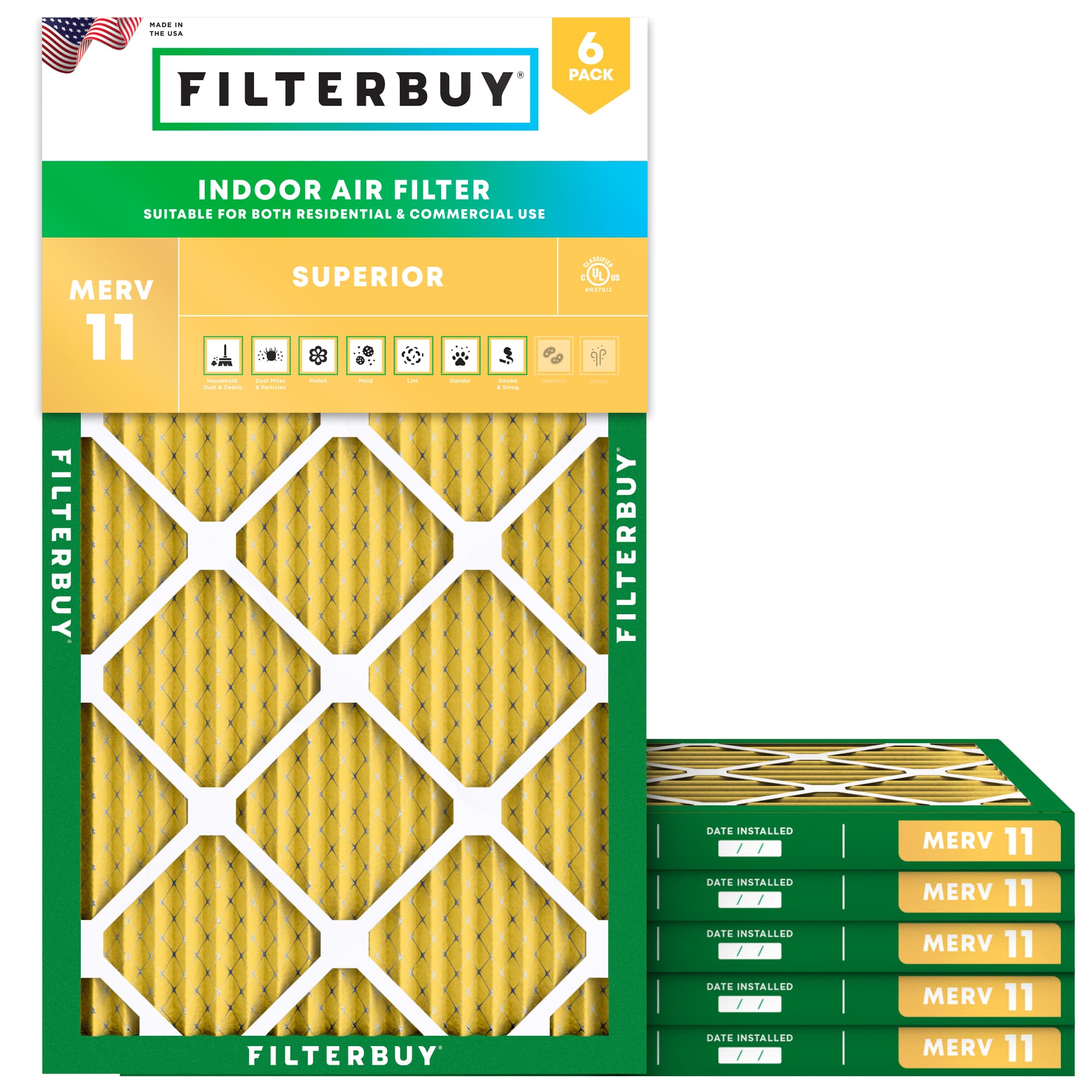
Actual Size: 18x28x1
 Free Delivery
  Factory-Direct Low Prices, Made in the USA
 Hassle-Free Returns & Free Exchanges
RESIDENTIAL AND/OR COMMERCIAL USE
Change Every 3 Months
Actual Size: 18x28x1
Free Delivery Factory-Direct Low Prices, Made in the USAHassle-Free Returns & Free ExchangesRESIDENTIAL AND/OR COMMERCIAL USE
Change Every 3 Months
Actual Size: 18x28x1
Free Delivery Factory-Direct Low Prices, Made in the USAHassle-Free Returns & Free ExchangesRESIDENTIAL AND/OR COMMERCIAL USE
Change Every 3 Months
At Filterbuy, we don't cut corners—we craft high-quality air filters right here in the USA and ship them to your doorstep for free. No delays, no gimmicks—just clean air, made easy. With thousands of five-star reviews and filters built for real life & every HVAC system, it's no wonder why over 4 million families trust Filterbuy.

Proudly Made In The USA

Fast, Free Shipping on Every Order

Premium Materials That Go The Distance

85,000+ 5-Star Reviews From Happy Customers

Save Up to 70% Per Filter with Packs


Measure length × width × depth with a tape measure to find the actual size.

Round up each dimension to the nearest whole number to get the nominal size. Example: 18x28x1 in → 18x28x1 nominal.

Search by nominal size on our site for the best fit.


If the filter you buy doesn't fit, we'll send you a better size.
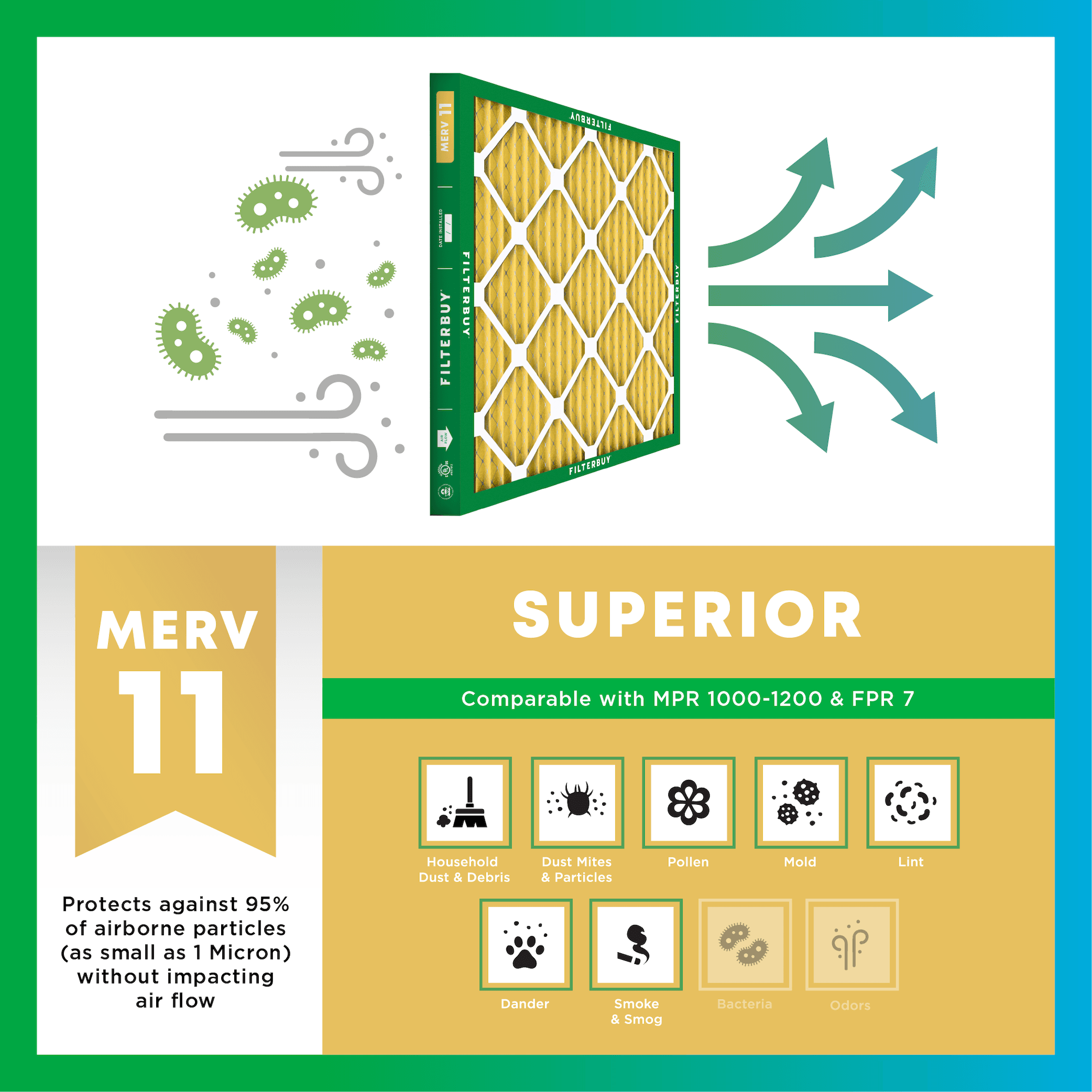
MERV stands for Minimum Efficiency Reporting Value—but don't let the technical name fool you. It's just a way to rate how well an air filter traps stuff like dust, pollen, pet dander, and smoke. The higher the MERV number, the more particles it catches—and the cleaner your air will be.

Comparable to:FPR: 4-7
MPR: 600-1000
 Dust & Debris
 Dust Mites & Particles
 Pollen
 Mold
Mold Lint
Lint Dander
Comparable to:FPR: 6-9
MPR: 1200-1550
Dust & DebrisDust Mites & ParticlesPollenMoldLintDander Smoke & Smog
Comparable to:FPR: 10
MPR: 1900-2800
Dust & DebrisDust Mites & ParticlesPollenMoldLintDanderSmoke & Smog Bacteria


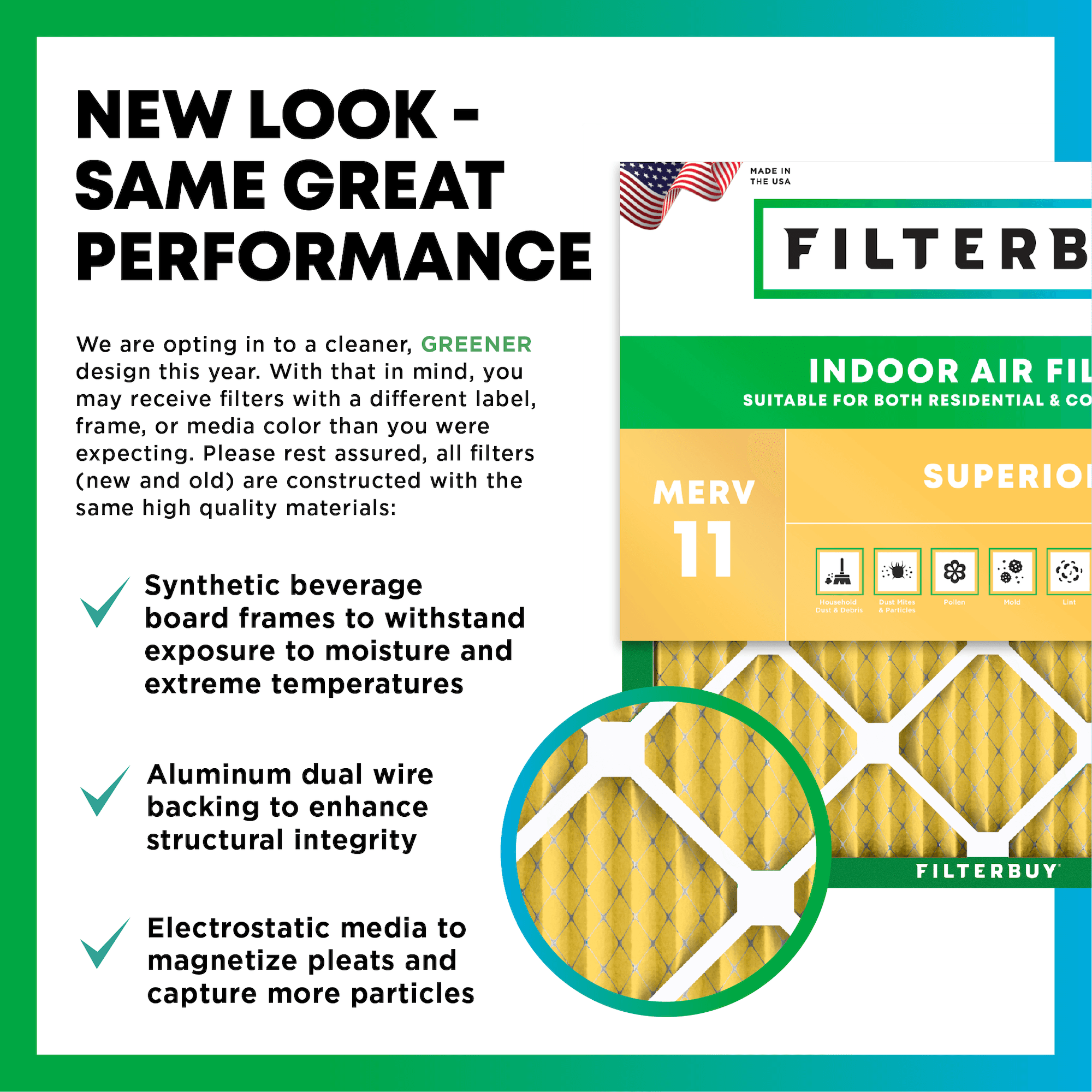
We build every Filterbuy filter to deliver reliable 90-day performance—thanks to smart design and premium materials that do the heavy lifting. Here's what makes the difference:
More pleats = more surface area to capture dust and debris, keeping your air cleaner longer.
Pleats are magnetized to attract and trap microscopic particles—like pet dander, pollen, and smoke.
Engineered to resist warping in extreme temperatures and high humidity.

A layer of metal reinforcement keeps pleats evenly spaced and structurally sound—no sagging, even at high airflow.
Assembled with care. Built to perform. Ships fast, free, and reliably from our U.S. facilities.

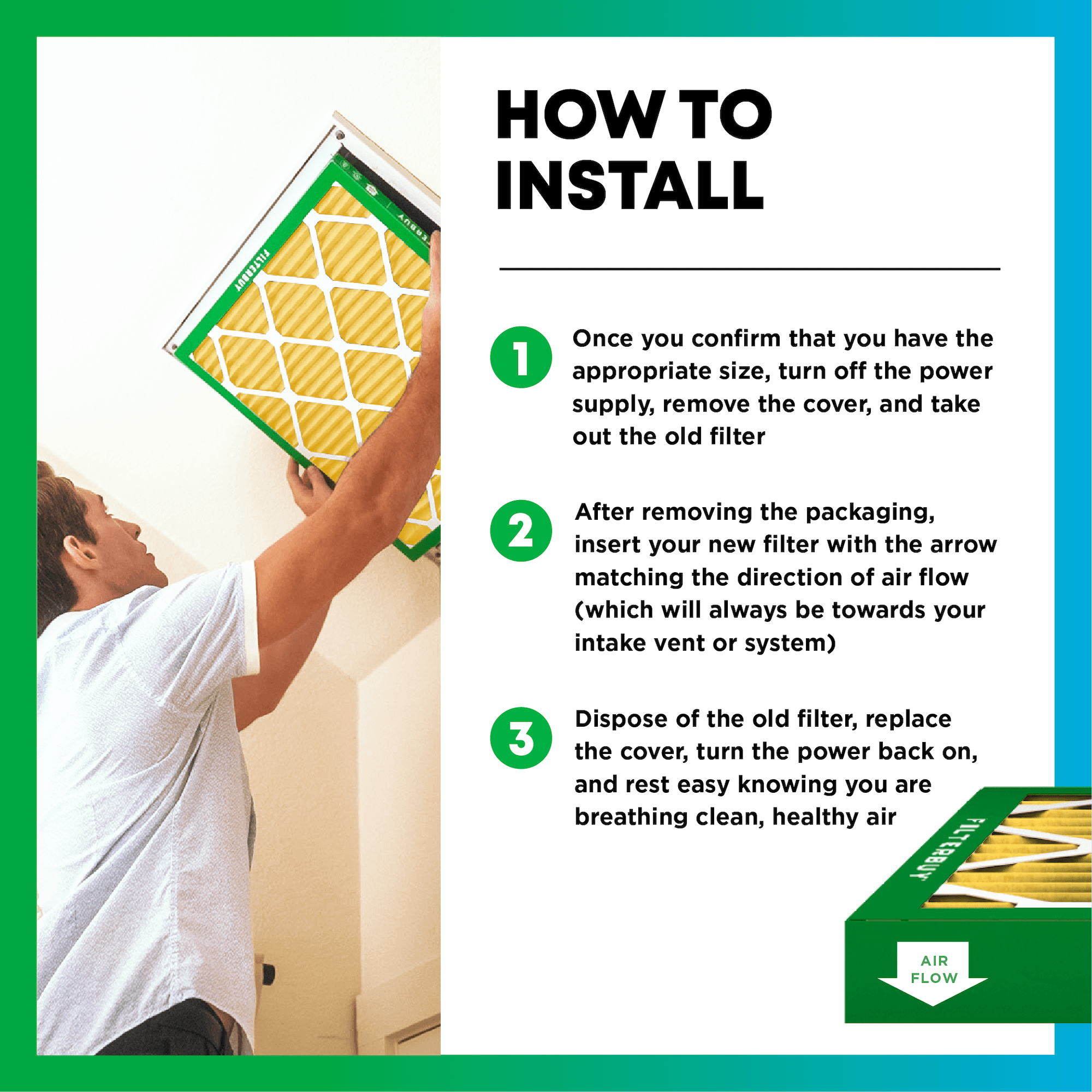
Turn Off Your HVAC SystemSafety first.

Remove The Old FilterLook for the airflow arrow and make note of the direction.

Slide In Your New FilterArrow should point toward the system (same direction as before).

Turn Your System Back OnAnd enjoy the fresh, clean air.

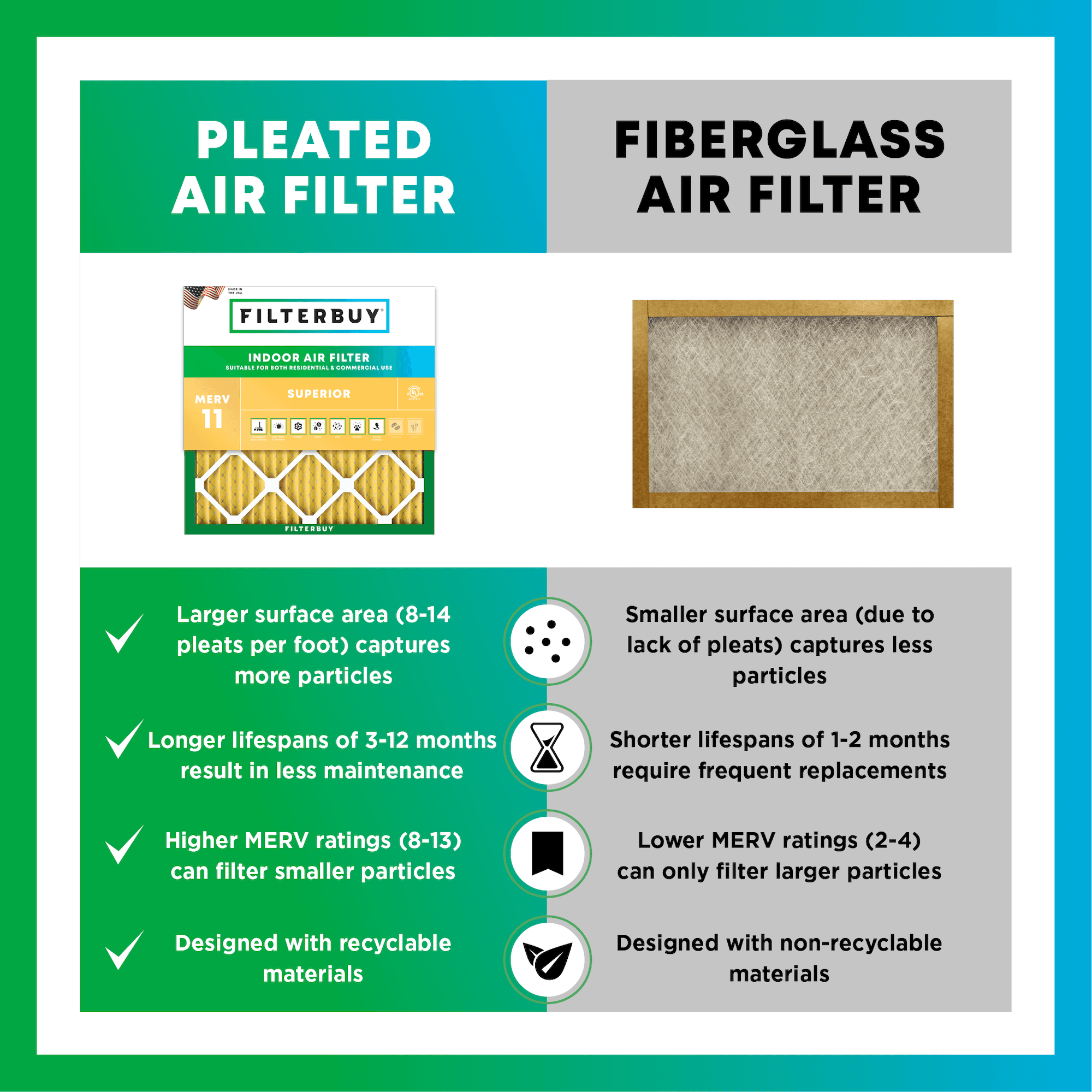
Not all air filters are created equal. Pleated filters don't just last longer—they actually clean your air better. Here's how they stack up:

Efficiency:
High (MERV 8–13) – Traps more particles
Lifespan:
90 days – Long-lasting performance
Air Quality:
Excellent – Cleaner, healthier air
Materials:
Recyclable and durable

Efficiency:
Low (MERV 4 or less) – Misses small stuff
Lifespan:
30 days or less – Replace often
Air Quality:
Minimal – Basic protection only
Materials:
Thin, flimsy, and not recyclable
Pleated filters are a no-brainer—more protection, less hassle, and better air for your home.
Changing your filter on time keeps your HVAC system running efficiently—and helps protect your lungs from dust, allergens, and airborne irritants. Here's how often to swap it out based on your needs:

For most homes without pets or special air quality concerns. Great for general upkeep and energy efficiency.

Shedding fur, dander, and allergy triggers can build up fast. Changing your filter every two months helps keep the air fresher and symptoms at bay.

For households affected by smoke, pollution, or respiratory conditions, monthly changes ensure maximum protection.

| Nominal Size | 18 x 28 x 1 inches |
| Actual Size | 18 x 28 x 1 inches |
| Filter Type | Pleated |
| Media | Electrostatically Charged |
| Frame | Beverage Board |
| MERV Ratings Available | 8, 11, 13 |
| Lifespan | Up to 90 Days |
| Origin | Made in USA |
Selecting the right 18x28x1 air filter isn’t just about picking a size off the shelf—it’s about choosing a filter that works best for your home’s unique needs. At FilterBuy, we’ve seen firsthand how even small mistakes in filter selection can lead to higher energy costs, poor air quality, and unnecessary wear on your HVAC system. With years of expertise in the air filtration industry, we’ve helped countless homeowners avoid these pitfalls. In this guide, we’ll share the top mistakes that homeowners often make when choosing an 18x28x1 air filter, along with insights backed by real-world experience. By the end, you’ll have the knowledge to make an informed decision and select a filter that ensures optimal air quality and HVAC performance—because the right filter makes all the difference.
Quick Answers
What is an 18×28×1 Air Filter?
An 18×28×1 air filter is a standard size commonly used in residential HVAC systems. It measures 18 inches by 28 inches by 1 inch, designed to trap dust, allergens, and particles, improving your home’s air quality and HVAC system efficiency.
Correct Filter Selection: The right 18×28×1 filter improves air quality, HVAC efficiency, and health.
MERV Ratings Matter: Higher MERV ratings capture finer particles for better filtration.
Regular Replacements: Change your filter every 30-90 days for optimal performance and energy savings.
Right Size & Fit: Ensure the 18×28×1 filter fits your HVAC system to prevent airflow issues.
Seek Expert Help: Contact FilterBuy or HVAC pros for personalized recommendations.
When selecting air filters, have you ever thought about how important MERV ratings are? MERV stands for Minimum Efficiency Reporting Value, which measures how well a filter captures particles from the air. Knowing about MERV helps in choosing the right filter for any home. Higher ratings mean better efficiency, capturing smaller particles such as dust, pollen, and pet dander.
MERV 1-4: Basic filtration for larger particles.
MERV 5-8: Better efficiency, capturing smaller allergens.
MERV 9-12: Great for households with pets or allergy sufferers.
MERV 13-16: Super filtration for serious health concerns.
Ignoring these ratings can lead to poor air quality, which affects comfort levels and family health. Making informed decisions leads to a healthier environment for everyone.
Selecting an incorrect filter type can greatly affect home air quality along with HVAC system efficiency. With different materials available, picking one that meets specific needs is essential. For instance, fiberglass filters may be budget-friendly but lack effectiveness in trapping allergens. On the other hand, HEPA filters offer excellent filtration but come at a higher price.
Also, consider filter size options. A filter that is either too small or too large won’t fit correctly, decreasing its performance. Always verify system specifications to ensure the right size is chosen.
Underestimating air filter lifespan can harm air quality and increase energy bills. Many homeowners forget regular filter replacements are essential for maintaining system efficiency. Ignoring this need can block airflow, forcing HVAC systems to work harder and raising energy costs.
To effectively manage filter lifespan, keep these points in mind:
Understand Lifespan Recommendations: Most filters last anywhere from 30 to 90 days, but always check manufacturer guidelines for specifics.
Create a Maintenance Schedule: Setting reminders for regular replacements helps ensure optimal performance.
Check Filter Condition Regularly: Inspect filters often. Replace them if dirty or clogged, even before reaching the recommended replacement timeframe.
Not measuring air filters correctly can cause big problems for HVAC systems. Accurate dimensions are key, as incorrect sizes might lead to air leaks or lower efficiency. To prevent issues, grab a tape measure to check the length, width, and thickness of the current filter.
Tips for Measuring:
Measure Twice: Always double-check measurements for precision.
Consider Frame Size: Remember to include the filter frame if there is one.
Consult Specifications: Look at the HVAC system manual for any particular filter requirements.
When overlooking HVAC system compatibility, risks arise not only regarding efficiency but also concerning the lifespan of the entire system. To ensure optimal air filter performance, keep these tips in mind:
Check Filter Dimensions: Make sure the filter fits snugly within the HVAC unit. A perfect fit prevents air leaks, boosting overall efficiency.
Understand System Specifications: Every system has distinct requirements. Using the incorrect filter can hinder airflow and performance significantly.
Consult Manufacturer Guidelines: Always refer to manufacturer recommendations for the correct filter type and MERV ratings. This practice helps maintain peak performance.
Ignoring allergies and health needs can cause major discomfort for families. When someone at home has allergy symptoms or specific health conditions, picking the right air filter becomes crucial.
First, identify specific needs. Check if anyone suffers from asthma, allergies, or respiratory issues.
Next, choose the right filter. HEPA filters are a great option since they capture 99.97% of particles, including allergens like pollen and dust mites.
Finally, consult professionals. If unsure, talk to HVAC specialists who can suggest filters tailored to specific health needs.
Regular maintenance checks are crucial for keeping air filtration systems running well. Skipping this important task can cause lower air quality and higher energy bills. Sticking to a maintenance schedule helps avoid common problems that may occur when checkups are missed. Here are three good reasons to make regular checkups a priority:
Improved Efficiency: Regular maintenance allows systems to run smoothly, which can lower energy costs.
Extended Lifespan: Staying on top of checks can help air filters and HVAC systems last longer.
Better Air Quality: Ongoing maintenance keeps indoor air clean and free from harmful particles.
Don’t underestimate the significance of these checkups; they play a vital role in creating a healthy home environment.
When selecting air filters, price often plays a big role. However, higher costs don't always mean better quality. Many people mistakenly think that if a filter is expensive, it must work better. To truly assess quality, looking beyond the price tag is crucial.
First, research different products. Customer reviews and expert ratings can provide valuable insights. Next, understanding specifications is key. Features like MERV ratings show how effective a filter is at trapping particles.
Finally, consider longevity. Sometimes, a cheaper filter may outlast or filter air more efficiently than pricier alternatives. By focusing on these aspects, we can make smarter choices without getting caught up in price perceptions.
MERV Rating: Minimum Efficiency Reporting Value (MERV) shows how effectively a filter captures airborne particles. Higher ratings indicate better filtration performance.
Filter Material: Choices like fiberglass, pleated, or HEPA filters provide various levels of efficiency and durability.
Airflow Resistance: Some filters may restrict airflow too much, which can harm HVAC performance.
Understanding these factors helps in selecting the right air filter for specific needs.
Choosing air filters often leads to forgetting about brand reputation, which can cause big problems later on. Skipping research might result in selecting filters that underperform or even damage HVAC systems. Trustworthy brands typically use quality materials and conduct thorough testing, ensuring filters comply with industry standards.
For better decision-making, check out reviews from reliable sources. Such reviews reveal important details about efficiency, lifespan, and customer experiences. Look for feedback on specific models and any frequent issues reported. A respected brand offers reassurance, knowing a filter will maintain home air quality while safeguarding investments.
To help you protect your home’s air—and the people who breathe it—here are the most valuable, trustworthy resources every homeowner should explore. Each one supports smarter, more confident decisions rooted in real expertise, clear guidance, and a commitment to cleaner, healthier indoor air.
1. EPA – “Guide to Air Cleaners in the Home”
Benefit: Build a Strong Foundation for Cleaner, Safer Air This EPA guide breaks down the fundamentals of air filtration in a way every homeowner can understand. It helps you see how the right filter turns invisible airborne threats into something you can control—and protect your family from. Resource: https://www.epa.gov/indoor-air-quality-iaq/guide-air-cleaners-in-the-home
2. EPA – “Residential Air Cleaners: A Technical Summary (3rd Edition)”
Benefit: Understand the Science Behind Filtration Power This technical summary dives deeper into how filters work, why ratings matter, and how filtration impacts your home’s health. It’s an invaluable resource for homeowners who want more than a surface-level understanding—and prefer decisions grounded in real data. Resource: https://www.epa.gov/sites/production/files/2018-07/documents/residential_air_cleaners_-_a_technical_summary_3rd_edition.pdf
3. EPA – “What Kind of Filter Should I Use in My Home HVAC System?”
Benefit: Match the Right Filter to Your Family’s Health Needs For families dealing with allergies, asthma, or respiratory sensitivities, this guide cuts through the confusion. It explains exactly how to choose filters—including MERV levels—that make your home a safer, more comfortable place to breathe. Resource: https://www.epa.gov/indoor-air-quality-iaq/what-kind-filter-should-i-use-my-home-hvac-system-help-protect-my-family
4. “Air Filter Buying Guide: Why Size and Efficiency Level Matter”
Benefit: Avoid Size and Efficiency Mistakes That Can Hurt Your System This practical guide makes it easy to understand why proper sizing (like 18×28×1) and MERV ratings matter for airflow, comfort, and HVAC longevity. It helps homeowners steer clear of the most common filter-buying errors we see every day.
5. FilterBuy – “18×28×1 Air Filters / MERV 13”
Benefit: Get Expert-Backed Guidance Straight From the Source As America’s air-obsessed filter manufacturer, we share real-world insights into what makes a high-performance 18×28×1 filter—and how to choose the right one for your home. This resource gives you direct access to specs, recommendations, and expert guidance from the people who make the filters. Resource: https://filterbuy.com/air-filters/18x28x1/merv-13/
6. This Old House – “How to Choose the Right Furnace Air Filter”
Benefit: Learn How to Avoid Common Homeowner Pitfalls This Old House provides clear, trustworthy advice that walks you through the essentials of choosing the right filter. It reinforces the same mistakes we see daily—like grabbing the wrong size or over-restrictive filter—and tells you how to avoid them. Resource: https://www.thisoldhouse.com/heating-cooling/21016775/how-to-choose-the-right-furnace-air-filter
7. Better Homes & Gardens – “How Often to Replace Your Home’s Air Filter”
Benefit: Know Exactly When to Replace Your Filter for Cleaner Air Your filter’s lifespan is one of the most overlooked parts of home air protection. This resource gives simple, practical guidance to help you stay on top of replacements—preventing system strain, dust buildup, and poor indoor air quality. Resource: https://www.bhg.com/not-replacing-air-filter-enough-says-experts-7562018
“Choosing the right 18×28×1 air filter isn’t just about picking a size—it’s about understanding your home’s unique needs and the lasting impact on your air quality and HVAC system. After years of helping homeowners make smarter, informed decisions, we’ve seen firsthand how the right filter improves comfort, boosts efficiency, and protects your family’s health. Don’t guess—make the right choice with expert guidance and quality you can trust.”
At FilterBuy, we’ve seen firsthand how the right air filter impacts health and efficiency. Here are key statistics that back up the importance of choosing and maintaining the right filter:
Health Impact of Indoor Air Quality
EPA: Americans spend 90% of their time indoors, where air quality directly affects health.
Filters with higher MERV ratings capture fine particles (pollen, pet dander, dust) and improve air quality, offering relief for allergy sufferers.
Source: EPA - Indoor Air Quality
Energy Efficiency & Cost Savings
U.S. Department of Energy: Replacing a dirty air filter can improve HVAC efficiency by up to 15%.
In our experience, replacing clogged filters can reduce energy costs and extend HVAC system life.
Extending HVAC System Life
ASHRAE: Regular filter changes can extend HVAC system life by up to 40%.
We’ve seen systems last longer and run more efficiently when filters are properly maintained.
Source: ASHRAE - HVAC Maintenance
Choosing the right 18×28×1 air filter is more than just picking a size—it’s about:
Improving air quality for healthier living
Boosting HVAC efficiency to save on energy costs
Maintaining comfort in your home year-round
Key Takeaways:
Small choices matter: The right filter affects both air quality and energy consumption. Even basic maintenance—like changing filters on time—can have a big impact.
Correct sizing is crucial: The 18×28×1 filter size is common, but understanding your specific system and needs (like MERV ratings) is essential.
Air quality equals health: Regular filter changes improve both your HVAC’s lifespan and the quality of air in your home.
Personal Insight:
From years of experience at FilterBuy, we’ve seen firsthand how the right air filter can transform a home. It’s not just about protecting your HVAC system—it’s about creating a healthier environment for your family. Don't get overwhelmed by all the options—focus on your home’s unique needs, and make choices that bring long-term benefits. Clean air and efficiency are essential for any thriving home.
Ready to improve your home’s air quality? Follow these simple steps:
1. Assess Your Needs
Consider your health: Do you have allergies, asthma, or other respiratory concerns?
Check your HVAC specs: Ensure the 18×28×1 filter fits your system.
2. Choose the Right Filter
Select a MERV rating based on your needs (higher MERV for better filtration).
Choose quality brands like Filterbuy for reliability and performance.
3. Order Your Filter
Visit trusted online retailers or our site to purchase your 18×28×1 filter.
Look for discounts or promotions to get the best value.
4. Set Up a Maintenance Schedule
Replace filters regularly (every 30-90 days).
Keep an eye on HVAC performance—early filter changes can prevent issues.
5. Consult Experts If Needed
Not sure which filter is right? Contact HVAC specialists or reach out to FilterBuy for personalized recommendations.
Q: What is an 18×28×1 air filter?
A:
Standard filter size for residential HVAC systems.
Measures 18 inches wide, 28 inches tall, and 1 inch deep.
Traps dust, allergens, and particles for better air quality.
Q: How do I know if an 18×28×1 air filter will fit my HVAC system?
A:
Check current filter dimensions or HVAC manual.
Even though 18×28×1 is standard, confirming the fit ensures optimal performance.
Q: What MERV rating should I choose for an 18×28×1 air filter?
A:
MERV 8-11 for general use.
MERV 13+ for allergies or pet owners.
Ensure HVAC systems support higher MERV ratings.
Q: How often should I replace my 18×28×1 air filter?
A:
Replace every 30-90 days.
Replace sooner if you have pets or live in a dusty area.
Q: Can I use a different size filter instead of 18×28×1?
A:
Always use the recommended size for your HVAC system.
Incorrect size leads to poor airflow and system inefficiency.

