October 6, 2025
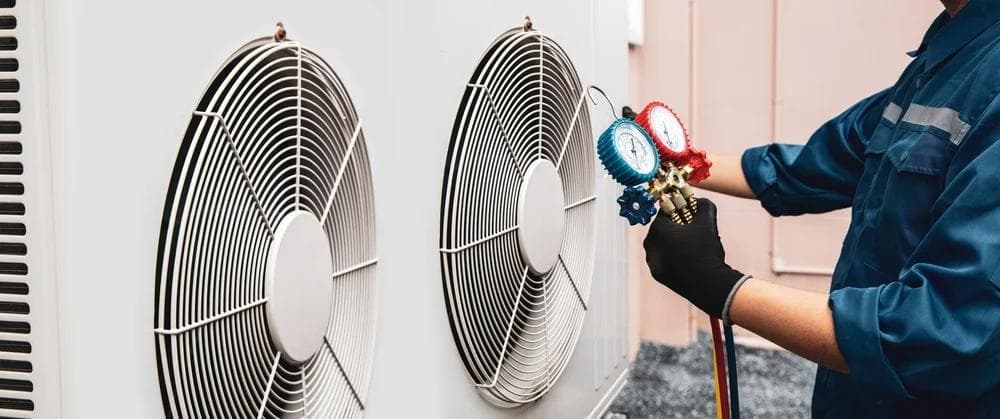
A heat pump is one system that heats and cools your home by moving heat instead of making it. In winter it pulls heat from outside air and delivers it indoors; in summer it runs in reverse and moves indoor heat outside. Because it transfers rather than generates heat, it can be highly efficient compared with electric resistance heat or fuel-burning systems.
A heat pump heats and cools by transferring heat with a reversible refrigeration cycle
Air-source models fit most homes in ducted or ductless formats, while geothermal suits sites with the right conditions
Compare efficiency using SEER2 and HSPF2, the current U.S. metrics since 2023
For ducted systems, a correctly sized Filterbuy return filter (MERV 11 or MERV 13 where supported) helps airflow, comfort, and indoor air quality year round
Think of a heat pump as an air conditioner with a “reverse” switch. Refrigerant circulates between an outdoor unit and an indoor coil. A compressor drives the cycle and a reversing valve flips the refrigerant flow so the same equipment can heat or cool. In heating mode the outdoor coil absorbs low-temperature heat and the indoor coil releases it to the home; in cooling mode the process flips. Modern air-source models are designed to work efficiently in many climates.
Air-source, ducted: Ties into existing supply and return ducts for whole-home heating and cooling. Good if your ducts are in decent shape.
Air-source, ductless (mini-split): Wall or ceiling heads condition specific rooms without ducts. Good for additions or homes without ductwork.
Ground-source (geothermal): Uses buried loops to exchange heat with the ground. Very efficient where site and budget allow.
In January 2023, U.S. efficiency metrics and test procedures switched to SEER2 for cooling and HSPF2 for heating to better reflect real-world ductwork and airflow. When comparing models, higher SEER2 and HSPF2 generally mean higher seasonal efficiency under the updated test.
Choose a heat pump if you want one system for year-round comfort and you are replacing aging heating and cooling together. Air-source units cover most climates when properly selected and installed; in colder regions, look for cold-climate models and keep a backup heat source only for rare extremes. Ducted homes can often reuse existing ducts if they’re in good condition; homes without ducts can go ductless in key rooms.
Use Heat, Cool, or Auto seasonally; avoid large thermostat swings.
In cold weather the outdoor unit may pause briefly to defrost and melt ice. Short stops and a bit of steam are normal.
Keep about 3 feet clear around the outdoor unit for airflow and service access.
Check your return filter on schedule so the indoor coil stays clean; clean the washable screens on ductless heads per the manual.
Change your filter on time. Check monthly and replace every one to three months based on dust and runtime. Use the exact size and install with the arrow toward the blower. Choose MERV 11 for a strong balance of airflow and capture or MERV 13 if your system allows.
Your heat pump’s return filter catches dust, pet dander, and other particles before they reach the blower and indoor coil. A clean filter keeps airflow strong, helps rooms feel even, and supports cleaner indoor air. A dirty filter makes the system work harder which can mean longer cycles, higher energy bills, coil icing in cooling, and safety limit trips in heating.
Check the filter every month and replace it every one to three months. Change it sooner if you have pets, allergies, wildfire smoke, or renovation dust. Most homes do well with MERV 8, 11, or 13 as long as airflow stays strong. If odors are a concern, choose Odor Eliminator with activated carbon.
Choose Filterbuy for quality and convenience. Filters are made in the USA with fast free shipping and easy subscriptions. Custom sizes are available. Filters are not washable.
A system that heats and cools by moving heat with a reversible refrigeration cycle.
An AC only cools. A heat pump cools in summer and reverses to heat in winter.
Yes. Choose a cold climate model sized by a qualified contractor. Keep a backup heat source only for rare extremes.
In cold weather the outdoor coil can frost. The unit briefly switches to cooling mode to melt ice, then returns to heating.
SEER2 rates seasonal cooling efficiency. HSPF2 rates seasonal heating efficiency. Higher numbers mean higher efficiency under the current test.
Use ducted if your ducts are in good shape and you want whole home coverage. Use ductless mini splits for homes without ducts or to target specific rooms.
Check monthly and replace every 1 to 3 months based on dust load and runtime.
Use the exact size. Choose Filterbuy MERV 11 for a strong balance of airflow and capture or MERV 13 if your system allows. Use Odor Eliminator with carbon if smells are a concern.
Often yes. Heat pumps move heat instead of making it which can cut energy use compared with electric resistance or older systems.
Avoid large swings. Moderate setpoints usually give better comfort and efficiency.
Many systems last 12 to 15 years or more with proper installation and maintenance.
Keep three feet clear around the outdoor unit. Replace or clean filters on schedule. Have a pro check refrigerant charge, electrical connections, and condensate drains per the manufacturer.
