
Is a Heat Pump Worth It in 2026?
February 11, 2026
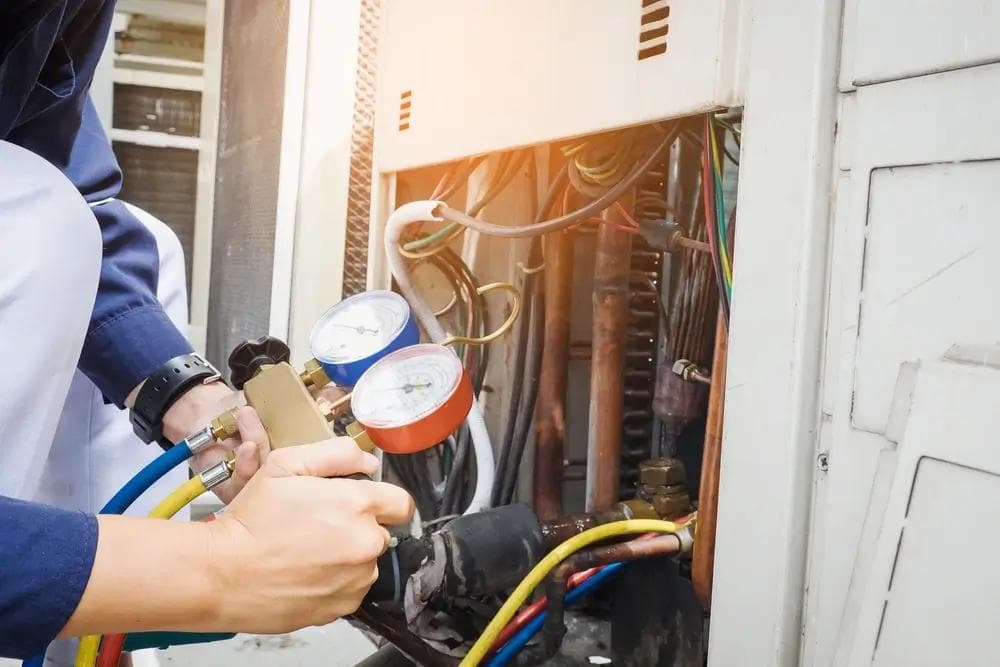
Upgrading your HVAC in 2026? You’ve likely heard the buzz about heat pumps. But with rising costs and mixed reviews, is the investment actually worth it?
For most homeowners, the answer is yes. Recent technological leaps have made heat pumps more efficient and reliable across diverse climates than ever before. By providing both heating and cooling in one system, they often significantly slash monthly utility bills compared to traditional furnace and A/C combos.
Keep in mind that while the efficiency is a win, heat pumps require specific maintenance. For example, using high-quality pleated air filters is a must to protect sensitive coils and ensure your investment pays off.
Whether you want to lower your carbon footprint or just save money, this guide breaks down the pros, cons, and maintenance facts you need to know.
TL;DR Quick Answers
Is a Heat Pump Worth It in 2026?
Yes, for most homeowners. Heat pumps deliver heating and cooling from one system while cutting energy bills 30–50% compared to traditional HVAC setups.
Why 2026 is a good time to buy: Federal tax credits cover up to 30% of costs, cold-climate models now work down to -15°F, and rising energy prices mean faster payback (typically 2–5 years).
When to hold off: Poor insulation, outdated ductwork, or plans to move soon—fix those first.
One thing people overlook: A clogged air filter forces any heat pump to work harder, raising costs and shortening its life. Change filters every 60–90 days to protect your investment.
Key Takeaways
Heat pumps are an energy-efficient option that provide both heating and cooling in one system, often reducing monthly utility costs.
Proper maintenance, such as using high-quality pleated air filters, is essential to protect the system and maximize its lifespan.
They are a great choice for those aiming to lower their carbon footprint or save money on energy bills.
Understanding the pros, cons, and maintenance requirements will help you make an informed decision about investing in a heat pump system.
Why More Homeowners Are Choosing Heat Pumps in 2026
The shift toward heat pumps isn't just a trend; it is a practical response to energy needs. In the past, homeowners usually installed a furnace for winter and a separate central air unit for summer. Heat pumps simplify this by doing both jobs.
By using electricity to move heat rather than burning fuel to create it, modern heat pumps can deliver up to three times more heat energy than the electrical energy they consume. This level of efficiency is hard for traditional gas or oil furnaces to match. For homeowners looking to future-proof their homes against volatile fuel prices, this electric-based efficiency is a major selling point.
Heat Pump Energy Efficiency Explained
When you read about heat pump energy efficiency, you will often see ratings like SEER2 (for cooling) and HSPF2 (for heating). While the technical definitions can get complicated, the concept is simple: these ratings measure how much comfort you get for every dollar of electricity you spend.
Newer heat pumps use variable-speed compressors. Unlike older systems that just blast air at full speed and then shut off, variable-speed units can run at lower, quieter levels to maintain a constant temperature. This uses significantly less energy and keeps your home more comfortable.
However, this efficiency relies entirely on airflow. If the system cannot pull air in, it cannot move heat out. This is where your choice of filter becomes critical. Properly sized pleated filters help heat pumps operate at their intended efficiency by keeping the internal components clean without suffocating the system.
Understanding Heat Pump House Heating Performance
A common worry among homeowners is whether a heat pump can handle a real winter. Years ago, this was a valid concern. Older models struggled when temperatures dropped below freezing, often relying on expensive "emergency" heat strips to keep up.
In 2026, heat pump house heating capability is vastly improved. "Cold climate" heat pumps are now designed to pull heat energy from the outside air even when temperatures dip well below zero.
It is important to note that the heat coming from your vents might feel different than what you are used to. A gas furnace provides short blasts of very hot air. A heat pump provides a longer, gentler stream of warm air. While it might not feel scorching hot at the register, it maintains the room temperature more evenly, eliminating the hot and cold spots common with furnaces.
How Air Filters Affect Heat Pump Performance
Because heat pumps run longer cycles than traditional furnaces, the volume of air passing through your filter is higher. This makes airflow management the most critical part of maintenance.
If you use a filter that is clogged with dust, your highly efficient system has to work overtime to pull air through the blockage. This raises your electric bill and can cause the system to freeze up or overheat. Conversely, using a cheap, see-through fiberglass filter lets dust pass right through, coating the indoor coil. A dirty coil cannot transfer heat effectively, which kills your efficiency and can lead to expensive repairs.
There is a myth that you should not use pleated air filters with heat pumps. This is false. You absolutely can and should use pleated air filters, provided you choose the right rating and change them regularly. High-quality pleated filters offer the surface area needed to catch dust while allowing adequate airflow.
Best Air Filters for Heat Pumps
Finding the right balance between protecting your air quality and protecting your equipment is key. Here is how to choose the right filter for a heat pump system:
MERV 8 Filters
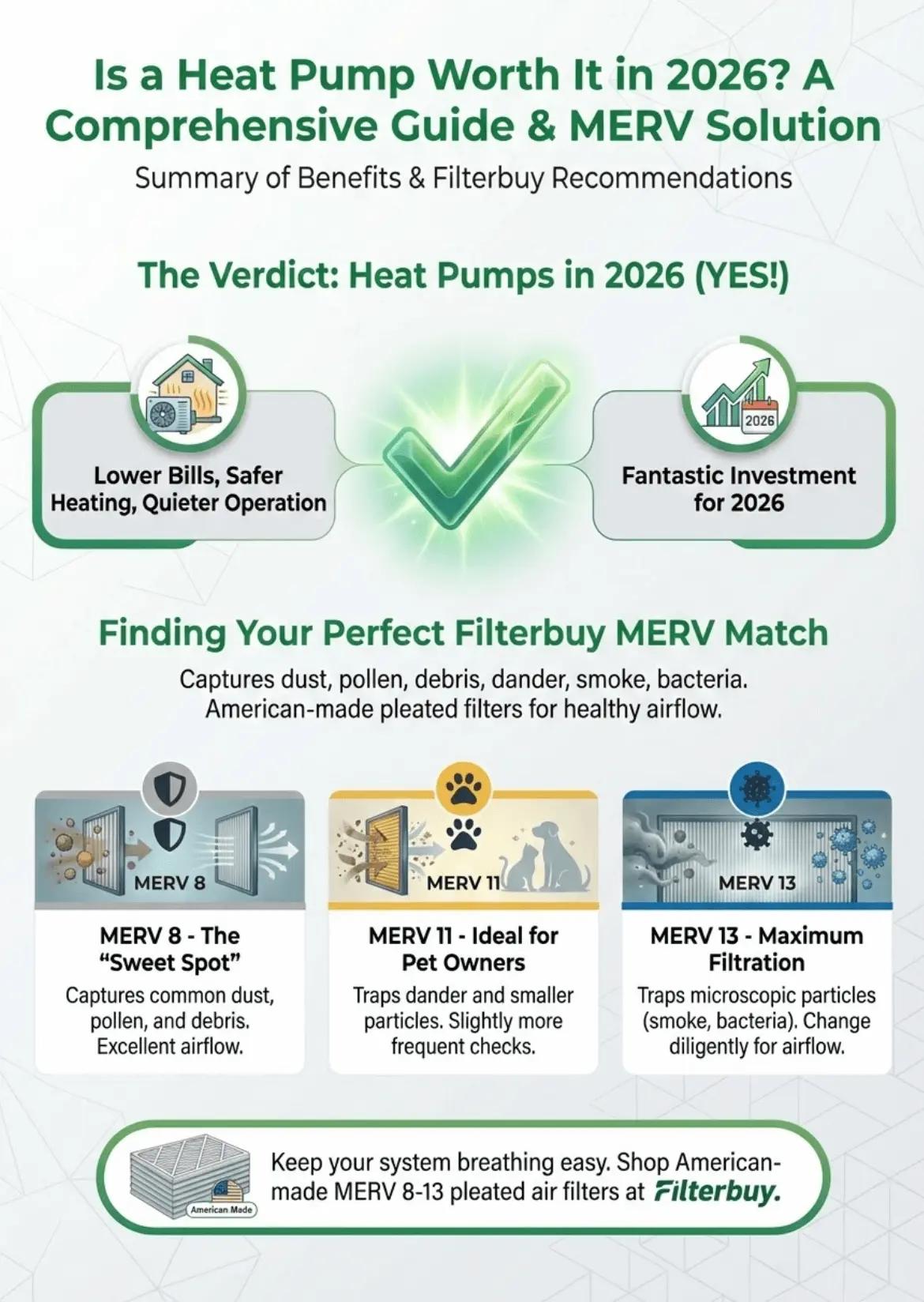
For most heat pump owners, MERV 8 filters are the sweet spot. They capture common dust, pollen, and debris that can clog your system's coils. They provide excellent airflow, which is vital for keeping your energy costs down.
MERV 11 and MERV 13 Filters
If you suffer from allergies or have pets, you might want higher filtration. MERV 13 filters are excellent at trapping microscopic particles like smoke, bacteria, and virus carriers. However, because the weave is tighter, they fill up faster. If you choose MERV 11 or 13 for a heat pump, you must be diligent about checking them monthly to ensure airflow remains strong.
Filterbuy offers high-quality MERV 8–13 pleated filters designed specifically to support airflow and protect HVAC systems. Unlike flat fiberglass filters, the pleated design increases surface area, allowing the filter to catch more debris without blocking the air.
What the Industrial Heat Pumps Market Shows
Sometimes, the best way to judge residential technology is to look at what big businesses are doing. The industrial heat pumps market is exploding right now. Large manufacturing plants, hospitals, and commercial buildings are switching to heat pump technology to manage massive heating and cooling loads.
This sector demands reliability. If these systems were prone to failure or didn't deliver on savings, industries wouldn't touch them. The rapid adoption of this technology on an industrial scale drives innovation that eventually trickles down to your home unit, resulting in compressors and refrigerants that last longer and perform better.
Cost, Savings, and Maintenance in 2026
The upfront cost of installing a heat pump can be higher than swapping out a furnace, often ranging from several thousand to over ten thousand dollars depending on the complexity. However, the operational savings usually bridge that gap within a few years, especially if you are switching from propane, oil, or electric baseboard heat.
To protect those savings, maintenance is non-negotiable. Because the system runs year-round (heating in winter, cooling in summer), it undergoes twice the wear and tear of a standalone furnace.
Professional Tune-ups: You should have a technician check the refrigerant levels and electrical connections at least once a year.
Filter Changes: This is your primary job. Replacing your filter every 1 to 3 months prevents the most common efficiency-killing problems.
Is a Heat Pump the Right Choice for Your Home?
While the technology is sound, a heat pump isn't a magic wand. It needs the right environment to thrive.
Insulation: Heat pumps work best in homes that hold heat well. If your home is drafty, the system will run constantly.
Ductwork: Your ducts need to be sized correctly to handle the airflow requirements.
Routine Care: You must be willing to stay on top of filter changes.
If you are ready for a system that offers quieter operation, safer heating (no combustion gases), and lower monthly bills, a heat pump is likely a fantastic investment for 2026.
Better Airflow for Better Savings
Installing a heat pump in 2026 is a smart move for your wallet and your comfort. But remember, even the most expensive, high-tech system is only as efficient as the filter you put in it. Don't let a clogged or flimsy filter undercut your savings.
Ensure your new system breathes easy with American-made filtration. Shop MERV 8–13 pleated air filters at Filterbuy and find the perfect fit to keep your heat pump running smoothly for years to come.
Frequently Asked Questions
Is a heat pump worth it in 2026?
Yes, for most homes. Advances in efficiency and cold-weather performance make them a smart long-term investment that lowers monthly energy bills.
How efficient are heat pumps compared to traditional systems?
Heat pumps can be 200% to 300% efficient because they transfer heat rather than generating it. High-efficiency gas furnaces top out at around 98% efficiency.
Do heat pumps work in cold climates?
Modern cold-climate heat pumps are designed to operate efficiently in temperatures well below freezing, though they may use a backup heat source for extreme cold snaps.
Are pleated air filters safe for heat pumps?
Yes. High-quality pleated filters protect the equipment better than fiberglass filters. The key is to choose the right MERV rating and replace them regularly so they don't become clogged.
What MERV rating is best for a heat pump?
MERV 8 is typically recommended for the best balance of airflow and filtration. MERV 11 or 13 can be used for better air quality but require more frequent changes.
How often should I replace my heat pump air filter?
Because heat pumps run year-round, check your filter every 30 days. Plan to replace it at least every 90 days, or sooner if you have pets or allergies.
Can the wrong filter reduce efficiency?
Absolutely. A filter that is too restrictive (or clogged) forces the fan to work harder, increasing energy usage and potentially shortening the system's lifespan.
Do heat pumps help improve indoor air quality?
They can. Because they circulate air constantly at lower speeds, they pass air through the filter more frequently than traditional furnaces, helping to remove more dust and allergens.
Why is the heat pump market growing?
Rising fuel costs and a desire for greener, more efficient technology are driving adoption in both residential and industrial sectors.
How can I extend the life of my heat pump?
Keep the outdoor unit clear of debris, schedule annual professional maintenance, and change your air filters regularly to ensure proper airflow.