
Seattle, WA Live Wildfire Smoke Map
Get Alerts For Wildfires In Your Area
The moment a wildfire starts near you, you'll get an instant alert and simple tips to reduce your smoke exposure.
What's In The Smoke
30xSmaller than a human hair
Fine enough to reach deep into the lungs. A MERV 13 is built to capture it.
How Far It Travels


It Doesn't Stay Local
Smoke rides the wind far downwind — you can get smoky air with no fire nearby.
What To Do During A Smoke Event
Simple steps to reduce indoor exposure.
- Stay In, Close UpShut windows and doors to keep smoke out.
- Set Fan To "On"Keeps air cycling through your filter, not just when heating or cooling.
- Recirculate AirSwitch off fresh-air intake so you're not pulling smoke in.
- Run A MERV 13Built to capture the fine PM2.5 in smoke.
- Add A PurifierExtra filtration for the room you use most.
- Wear an N95 if OutsideFits snug to block fine particles — a cloth mask won't.


The Best Air Filter For Wildfire Smoke
During smoke events, the EPA recommends upgrading to a MERV 13 filter — or the highest-rated filter your system can handle — to help reduce the fine particles smoke brings indoors. MERV 13 is the level most home HVAC systems can run while still capturing PM2.5, the fine particulate that makes up the bulk of wildfire smoke.
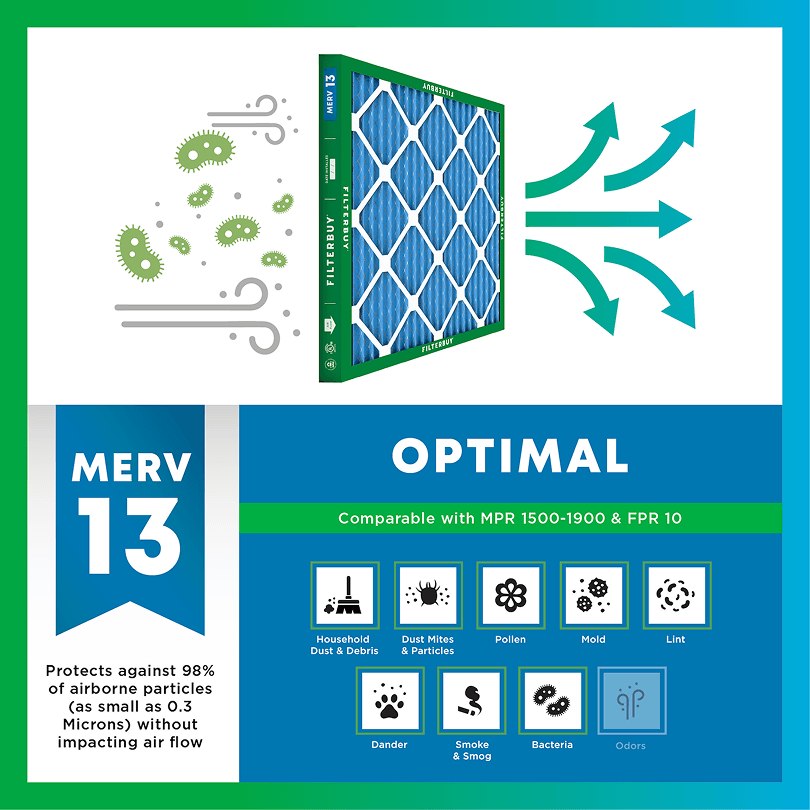
- Captures PM2.5 particles
- Blocks ash, soot, and smoke odor
- Keeps your indoor air safe—even when the outdoor air is dangerous
- Meets the EPA's recommended rating for filtering fine wildfire smoke particles.

Wildfire Smoke FAQs
Facts About Wildfires
Over 70,000 wildfires burn in the U.S. every year.
Wildfire smoke can travel 1,000+ miles, affecting states that aren't even near the blaze.
Exposure to wildfire smoke can worsen asthma, trigger heart issues, and lead to ER visits.
Indoor air can hold more fine particles during wildfire events unless it's properly filtered.
The EPA advises using MERV 13 filters or portable HEPA air cleaners during wildfire smoke events.
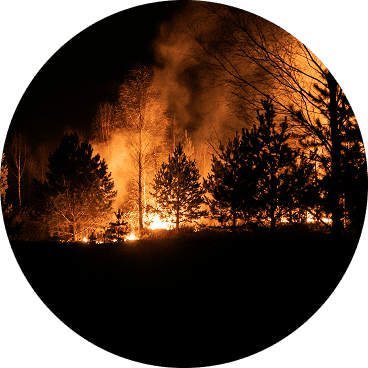
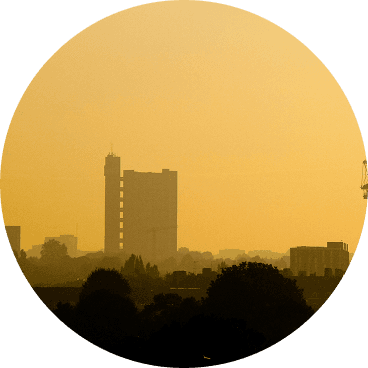
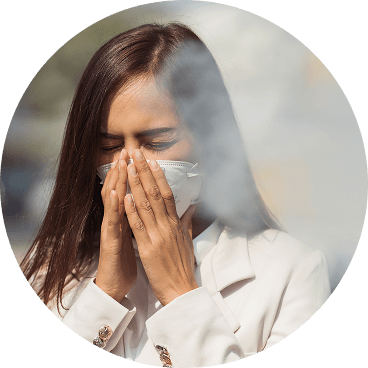
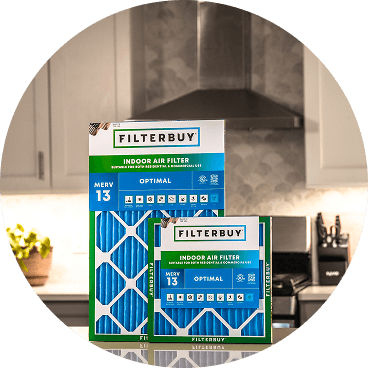
Don't Wait Until The Smoke's Inside.
Use the live wildfire smoke tracker and upgrade your air filters today to protect your lungs and your home.
Shop Filters For Smoke Protection
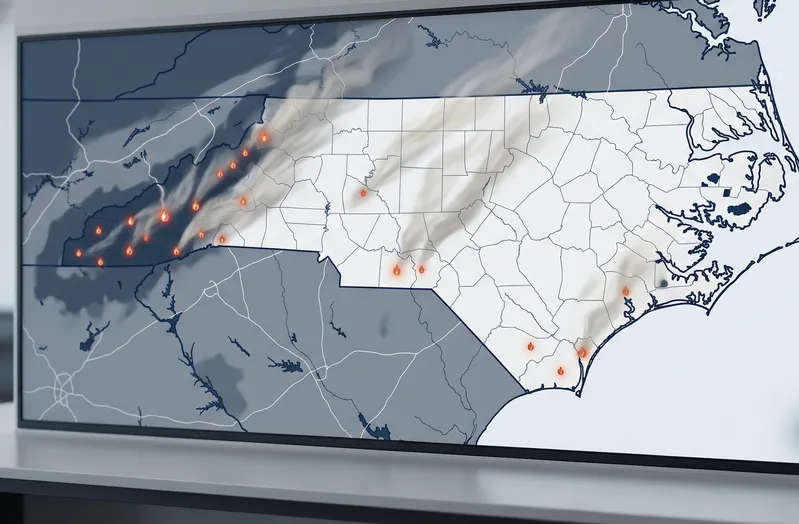
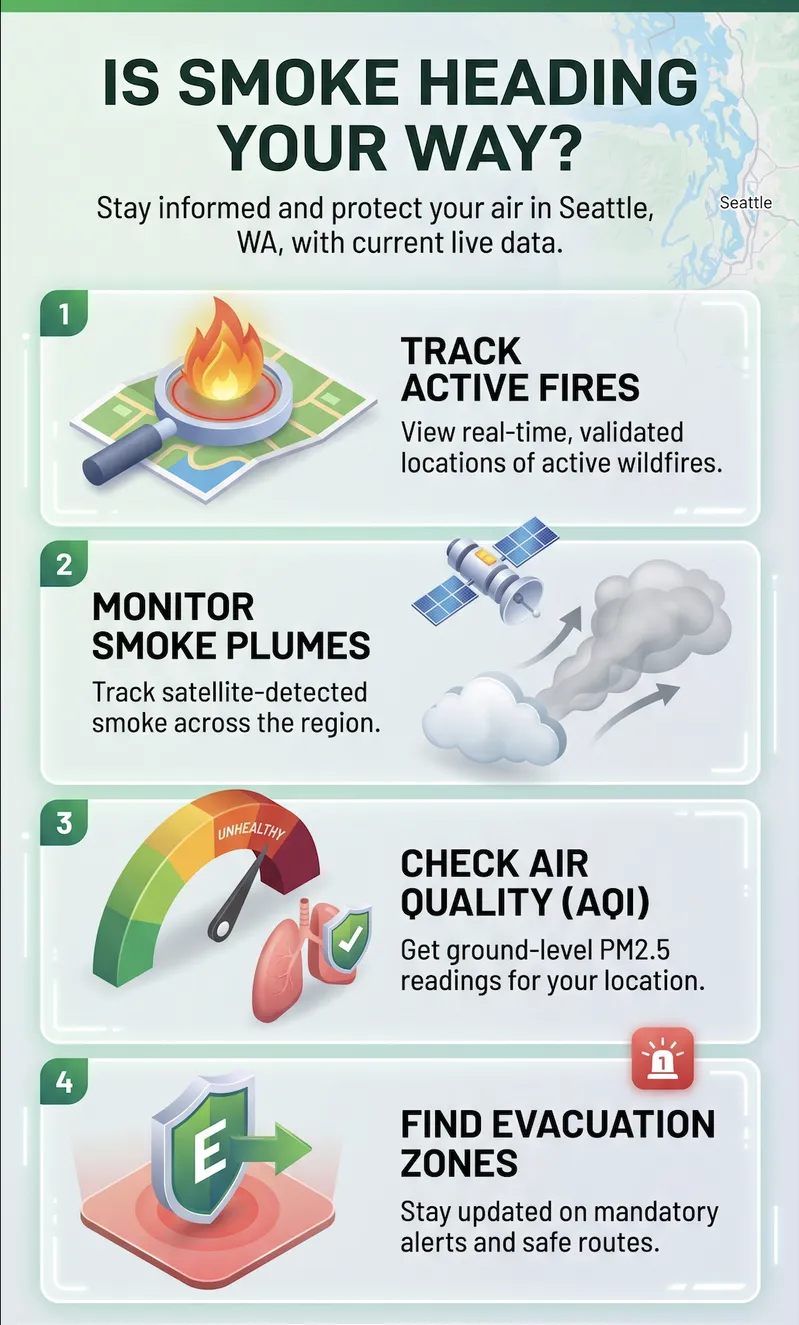
Is Smoke Heading Your Way? Current Live Forest Wildfire and Smoke Map Today for Seattle, WA — Track Active Fires and Evacuation Zones
The first sign usually isn’t an alert—it’s the skyline. Mount Rainier fades out before you even realize why. The air picks up that faint campfire smell. And by the time your phone buzzes with an air quality warning, the smoke has already settled into the city.
This page tracks wildfire activity and smoke movement affecting Seattle right now. You’ll see where fires are burning, how smoke is drifting, and what today’s air quality actually means for your plans, your home, and your family. Because once the haze arrives, the most effective defense is a high-quality HVAC filter; experts like Filterbuy recommend upgrading to a MERV 13 rating to trap the microscopic particles that standard filters often miss.
Wildfire smoke has become part of life across the Pacific Northwest. Fires in Eastern Washington, British Columbia, and Oregon send fine particles into the Puget Sound region—sometimes overnight. Conditions can shift quickly. Clear skies in the afternoon can turn into a hazy morning by the next day. The live wildfire smoke map for Seattle gives you a real-time view of those changes so you can act before the air around you becomes a problem.
TL;DR Quick Answers
You can track Seattle’s wildfire smoke in real time using the AirNow Fire and Smoke Map (fire.airnow.gov). It shows active fires, smoke movement, and current AQI levels across the region.
Here’s how to use it quickly:
Check AQI near Seattle (color-coded from green to maroon)
Look for nearby fire icons and incoming smoke plumes
Watch trends—conditions can change within hours
If AQI is above 100, it’s time to shift indoors and run your HVAC with a MERV 13 filter. The map tells you what’s happening outside—your filter determines what you breathe inside.
Top Takeaways
The Seattle wildfire smoke map shows more than fire locations—it shows how smoke is moving and how it’s affecting your air right now.
Wildfire smoke can travel hundreds of miles, which means fires far outside Seattle can still impact your daily air quality.
An AQI above 100 is the point where protective steps should start—especially for children, older adults, and anyone with respiratory conditions.
PM2.5 is the main concern during wildfire events. These fine particles move deep into the lungs and aren’t captured by standard air filters.
A MERV 13 filter is the recommended baseline for wildfire smoke protection inside your home. Lower-rated filters won’t catch the smallest particles.
Smoke conditions can change quickly. Checking the map and AQI daily during wildfire season gives you a clear advantage.
Indoor air matters just as much as outdoor air. What your HVAC system filters—or doesn’t filter—directly affects what your family breathes.
What the Live Wildfire and Smoke Map Is Showing Right Now
The map on this page combines data from AirNow (EPA and U.S. Forest Service), NOAA smoke forecasts, and air quality monitors across Washington State.
Here’s how to read it:
Colored circles show current air quality readings at monitoring stations
Blue flame icons mark reported wildfire incidents
Satellite hot spots highlight areas with detected heat activity
Smoke plumes show where particulate matter is expected to travel
If you see orange or red markers near Seattle, the air already carries elevated levels of PM2.5—fine particles that can affect breathing, even for healthy adults.
In plain terms, the closer those colors move toward red or purple, the more important it is to limit outdoor exposure and focus on your indoor air.
How Wildfire Smoke Reaches Seattle, WA
Smoke doesn’t stay near the fire. It moves fast, and it travels far.
Seattle sits in a path where multiple wildfire corridors converge:
Eastern Washington fires push smoke west through mountain passes
British Columbia fires send smoke south into the region
Oregon fires contribute during seasonal wind shifts
Then local weather patterns take over.
Marine air from Puget Sound can trap smoke close to the ground, especially overnight. That’s why mornings often show worse air quality than afternoons on the same day. The smoke hasn’t disappeared—it’s just shifted.
If you check the map early in the day, you’ll get a clearer picture of your exposure before conditions temporarily improve.
Seattle Air Quality Today: What the AQI Actually Means
Air quality is measured using the AQI scale, which runs from 0 to 500.
Here’s how to interpret it:
0–50 (Good): Safe for everyone
51–100 (Moderate): Most people are fine; sensitive individuals may notice symptoms
101–150 (Unhealthy for Sensitive Groups): Children, older adults, and those with respiratory conditions should limit outdoor activity
151–200 (Unhealthy): Everyone should reduce outdoor exposure
201–300 (Very Unhealthy): Stay indoors whenever possible
301+ (Hazardous): Avoid all outdoor activity
During wildfire events, PM2.5 drives these numbers—not ozone.
These particles are small enough to move deep into the lungs and enter the bloodstream. That makes wildfire smoke a different kind of exposure compared to typical urban air pollution.
When Seattle AQI climbs above 100 during a smoke event, it’s not just a number. It’s a signal to change how you’re spending your time—and how you’re managing your indoor air.
Active Fires & Evacuation Zones Near Seattle
The map highlights active fires across Washington and nearby regions, along with how close they are to Seattle.
For each fire, look at:
Distance from the city
Containment percentage
Wind direction relative to Seattle
Whether evacuation zones are expanding
Fires don’t need to be close to affect air quality. Under the right conditions, smoke from hundreds of miles away can reach the Puget Sound in less than a day.
For official updates, rely on sources like AirNow, the Washington Department of Natural Resources, and federal wildfire reporting systems.
How to Protect Your Indoor Air from Wildfire Smoke
Once smoke reaches Seattle, the question becomes simple: what are you breathing inside your home?
Start with the basics:
Keep windows and doors closed
Run your system continuously during smoke events
Then focus on filtration.
A standard filter won’t catch the smallest particles. Wildfire smoke requires stronger protection.
Use a MERV 13 filter or higher if your system supports it
Replace filters more frequently during smoke events
Check airflow to make sure your system can handle the upgrade
This is where many homeowners fall short. The air outside gets attention. The air inside often doesn’t.
Best Air Filters for Wildfire Smoke in Seattle Homes
Not all filters handle smoke the same way.
MERV 8 filters capture larger dust particles but miss most PM2.5
MERV 11 filters improve capture but still allow smaller particles through
MERV 13 filters are designed to capture particles in the wildfire smoke range
That difference matters.
Smoke particles are smaller and more persistent than everyday dust. They load filters faster and move deeper into your system.
After manufacturing air filters for over a decade and working with millions of households, we’ve seen how wildfire smoke affects filter performance. These particles stick to filter fibers more aggressively than typical dust. During smoke events, a filter that usually lasts 60–90 days may need replacement in closer to 30.
That’s not a failure. It means the filter is doing its job.
Seattle Smoke Forecast: What to Expect Next
Smoke conditions rarely stay the same for long.
Over the next 24 to 72 hours, expect changes based on:
Wind direction shifts
Fire growth or containment
Temperature inversions
Marine air movement
Checking the forecast alongside the live map gives you a clearer picture of whether conditions are improving or about to get worse.
"After tracking real-time smoke plumes across the Pacific Northwest for over a decade, I've learned that Seattle's AQI can shift 50 points in under an hour when westerly winds pull Cascade wildfire smoke into the basin — which is why I tell every homeowner to check live fire maps alongside their indoor air quality readings, not after."
7 Essential Resources for Tracking Wildfire Smoke Near Seattle, WA
When the horizon starts to blur and that distinct scent of burning timber hits the Puget Sound, having the right data can mean the difference between a safe afternoon indoors and an evening of respiratory discomfort. Because smoke conditions in Seattle can shift as quickly as the wind off the Sound, relying on a single source isn't always enough.
The following resources provide a comprehensive toolkit—from high-level satellite tracking to street-by-street sensor data—to help you navigate wildfire season with confidence.
AirNow Fire and Smoke Map — Real-time AQI and fire locations
https://fire.airnow.gov/
The AirNow Fire and Smoke Map combines air quality monitor data, fire locations, and smoke forecasts. It’s the most reliable real-time tool for understanding what’s happening across the region.
Washington Department of Ecology — Local air quality data
https://ecology.wa.gov/Air-Climate/Air-quality/Current-air-quality
This is the state’s official air monitoring network. It provides real-time AQI readings and forecasts specific to Seattle and surrounding areas.
NOAA Smoke Forecast — Short-term smoke movement
https://hwp-viz.gsd.esrl.noaa.gov/smoke/
NOAA’s model shows where smoke is likely to travel over the next 24 to 48 hours. It helps you anticipate changes before they show up in local AQI readings.
National Interagency Fire Center — Active fire reports
https://www.nifc.gov/fire-information
NIFC tracks wildfire activity across the country, including fire size, containment status, and location.
Washington Department of Natural Resources — State wildfire updates
https://www.dnr.wa.gov/wildfires
DNR provides updates on active fires within Washington, along with public safety information and response efforts.
EPA Wildfire Smoke Guidance — Health and safety information
https://www.epa.gov/wildfire-smoke-course
The EPA explains how smoke affects your health and what steps reduce exposure, especially for sensitive groups.
PurpleAir — Neighborhood-level air quality
https://map.purpleair.com/
PurpleAir uses a network of sensors to show hyper-local air quality conditions across Seattle neighborhoods.
Key Takeaway
Wildfire smoke doesn’t stay outside. It moves into your home, your air system, and your daily routine.
When Seattle’s AQI rises above 100, indoor air protection becomes critical. Running a properly fitted MERV 13 filter is one of the most effective steps you can take to reduce exposure.
Here’s a condensed, scannable version of your Supporting Statistics section—clean, readable, and aligned with your brand voice while keeping the first-hand perspective intact.
Supporting Statistics: What the Data Means for Your Air
We’ve worked with millions of households over the years. One thing is clear: wildfire smoke isn’t staying near the fires anymore. It’s reaching cities like Seattle more often—and sticking around longer.
Here’s what the data shows:
Wildfire smoke is driving more unhealthy air days
NOAA data shows wildfire smoke is increasing PM2.5 levels across the U.S.
More cities are seeing AQI spike into unhealthy ranges
Even areas far from fires are being affected
Source: https://cpo.noaa.gov/wildfire-smoke-impacted-air-quality-across-the-united-states-from-2018-to-2023/
Smoke exposure is linked to real health risks
The EPA connects wildfire smoke to:
More emergency room visits
Increased hospitalizations
Higher risk of heart and lung issues
We see this reflected in how quickly homeowners look for ways to protect indoor air when smoke hits
Source: https://www.epa.gov/wildfire-smoke-course/increasing-impacts-wildfire-smoke
Smoke is spreading farther than it used to
Federal research shows smoke now travels longer distances
More communities are affected each year
Customers who never dealt with smoke before are now preparing for it seasonally
Why This Matters for Seattle
Smoke doesn’t have to be local to affect your air
Conditions can change overnight
Outdoor air quality is only part of the picture
What matters most:
What gets inside your home
How well your air is filtered
How quickly you respond when AQI rises
Next Steps
Wildfire smoke moves fast. Having a plan before it shows up makes a real difference in how your home—and your family—handle it.
Here’s how to stay ahead of it:
Bookmark the live wildfire and smoke map
Don’t wait until the air smells different. Check the map daily during wildfire season so you can spot changes early. Smoke often arrives before it’s obvious.Check AQI before making outdoor plans
A quick glance at the AQI in the morning can change your entire day. If levels are over 100, it’s worth rethinking outdoor workouts, kids’ activities, or long periods outside.Set up air quality alerts for your area
Services like AirNow’s EnviroFlash will notify you when AQI reaches a level you choose. It’s one of the easiest ways to stay informed without constantly checking.Upgrade your HVAC filter before smoke season peaks
Don’t wait until the air quality drops. Install a MERV 13 filter ahead of time so your system is ready the moment smoke moves in.Keep a replacement filter on hand
Smoke loads filters faster than normal dust. Having a backup ready means you won’t get stuck running an overloaded filter when you need it most.Create a clean-air routine inside your home
When smoke levels rise, close windows, run your HVAC system continuously, and limit anything that adds particles indoors—like candles or cooking without ventilation.Know your household’s risk level
Children, older adults, and anyone with asthma or heart conditions need to act sooner. If that’s your household, treat AQI 100 as your signal to shift indoors.
Frequently Asked Questions
Protect Your Home’s Air During Wildfire Smoke Season
The map shows what’s happening outside. Your air filter decides what happens inside.
When smoke reaches Seattle, running a properly fitted MERV 13 filter helps capture the fine particles that standard filters miss.
Every home is different. The right filter is the one that fits your system, runs efficiently, and gets replaced when it should—especially during heavy smoke periods.
Find your filter size, get it delivered, and stay ahead of the next smoke event.