The moment a wildfire starts near you, you'll get an instant alert and simple tips to reduce your smoke exposure.
30xSmaller than a human hair
Fine enough to reach deep into the lungs. A MERV 13 is built to capture it.
It Doesn't Stay Local
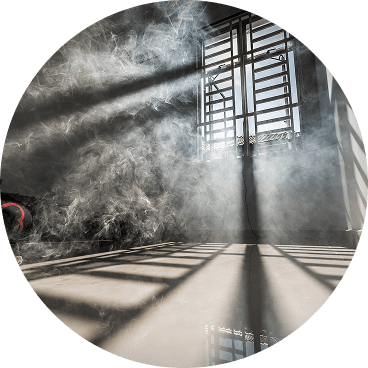
Smoke rides the wind far downwind — you can get smoky air with no fire nearby.
Simple steps to reduce indoor exposure.
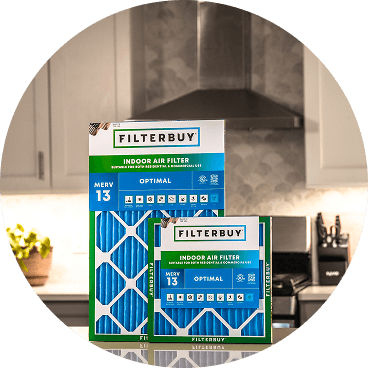
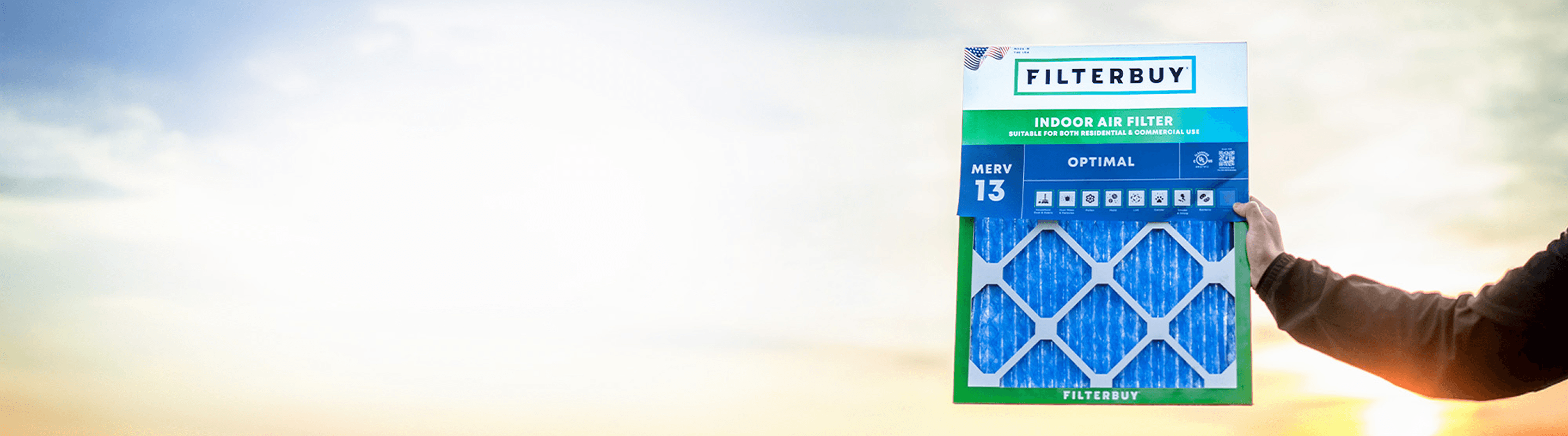
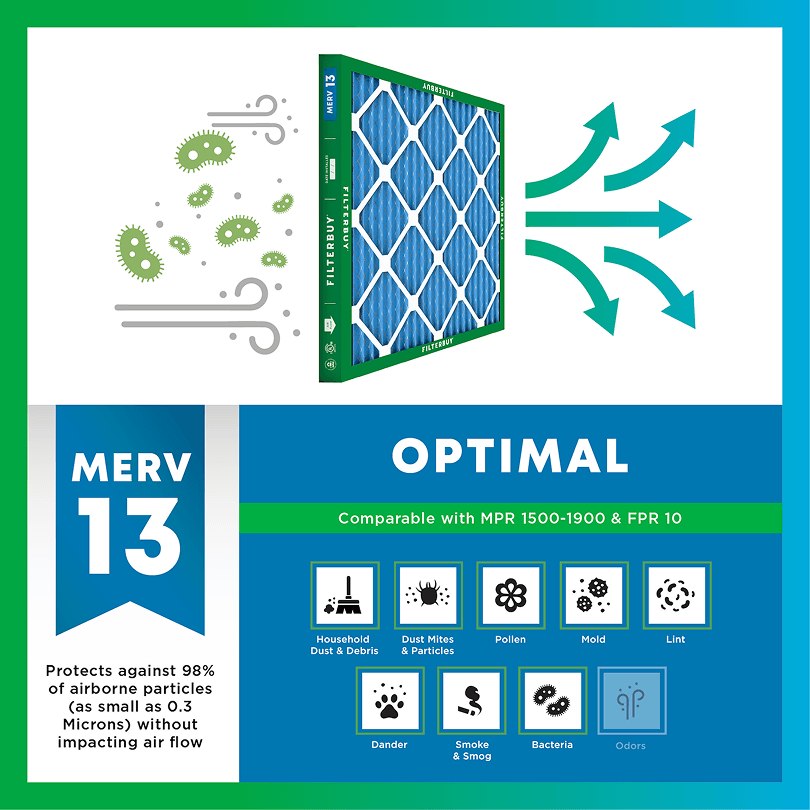
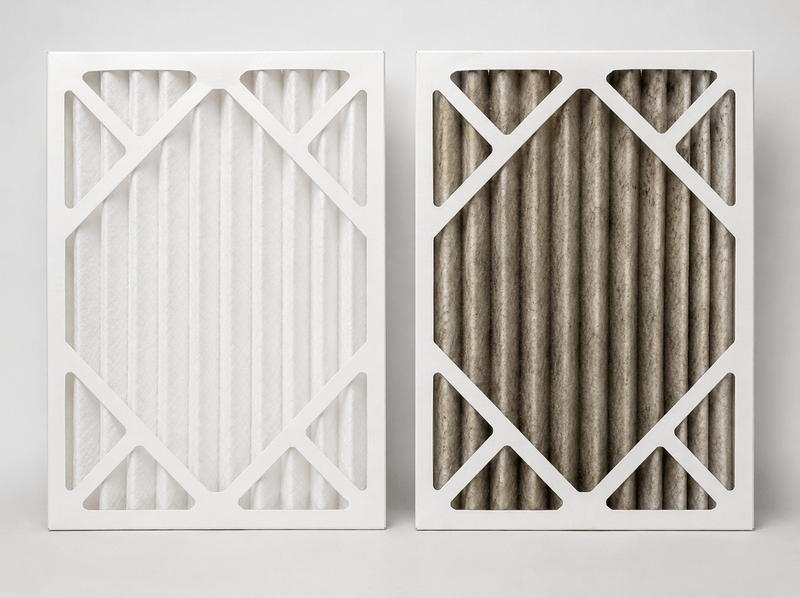
During smoke events, the EPA recommends upgrading to a MERV 13 filter — or the highest-rated filter your system can handle — to help reduce the fine particles smoke brings indoors. MERV 13 is the level most home HVAC systems can run while still capturing PM2.5, the fine particulate that makes up the bulk of wildfire smoke.
Over 70,000 wildfires burn in the U.S. every year.
Wildfire smoke can travel 1,000+ miles, affecting states that aren't even near the blaze.
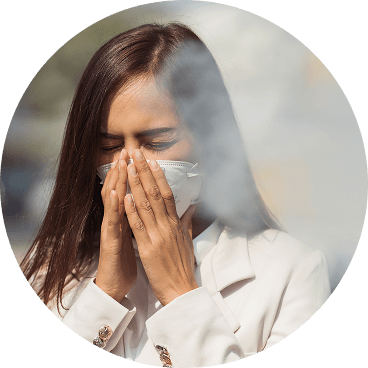
Exposure to wildfire smoke can worsen asthma, trigger heart issues, and lead to ER visits.
Indoor air can hold more fine particles during wildfire events unless it's properly filtered.
The EPA advises using MERV 13 filters or portable HEPA air cleaners during wildfire smoke events.
Use the live wildfire smoke tracker and upgrade your air filters today to protect your lungs and your home.
Shop Filters For Smoke Protection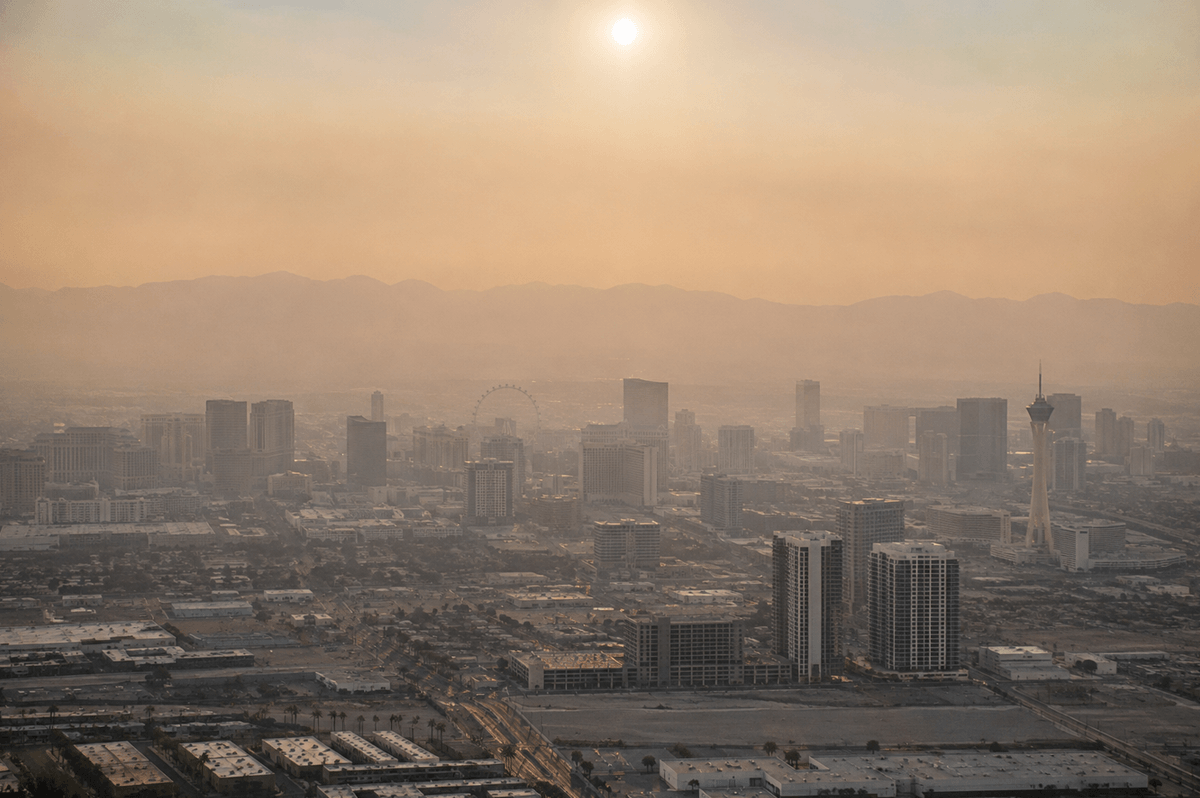
Author: Michelle Wan | Reviewer: David Clark, Licensed HVAC Technician
Published: July 27, 2026 | Updated: July 27, 2026
Most wildfire maps only show smoke. This page pairs Las Vegas's live wildfire and smoke map with the filtration know-how to act on it, built by Filterbuy, which has manufactured pleated air filters in the USA since 2013. A map only helps if you know which filter rating meets the moment.
Desert dust, seasonal wildfire smoke drifting in from California, Arizona, and northern Nevada, and daily vehicle emissions all affect the valley's air today. Check the map below before heading outside, and upgrade to a MERV 13 filter if smoke is present, since the EPA identifies MERV 13 as the minimum rating that removes fine smoke particles indoors.
• Check the live AQI number in the widget above.
• If it reads above 100, close your windows and doors.
• Switch your HVAC fan to run continuously, not on a thermostat cycle.
• If your filter is more than 30 days old, swap it for a MERV 13 now.
• The Las Vegas wildfire and smoke map updates in real time, showing active fires as red markers and smoke plumes as shaded gray areas.
• Wildfire smoke reaching Las Vegas usually travels in from California, Arizona, or northern Nevada, not from fires inside the valley.
• The EPA recommends MERV 13 during smoke events, since lower ratings let fine particles pass through.
• AQI readings above 100 mean sensitive groups, including children, older adults, and people with asthma or heart disease, face increased risk.
• Wildfire-specific PM2.5 raises respiratory hospitalizations more than PM2.5 from other sources, per peer-reviewed research.
The map above uses two layers. Red markers pinpoint an active fire detected by satellite, while gray shading marks the estimated reach of its smoke plume. Zoom into the valley for local conditions, or zoom out to track a distant fire that could still push smoke into the region.
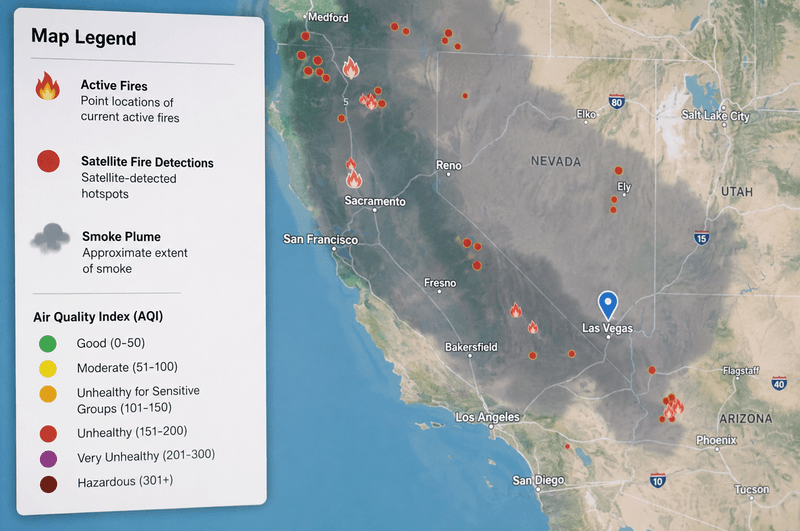
Across the wildfire and smoke pages Filterbuy maintains for cities nationwide, this is the misunderstanding we see most: a fire icon does not need to sit inside Las Vegas for smoke to affect it. Plumes travel far beyond the fire's edge and can linger for days, even on a clear-looking one.
Local air quality in Las Vegas is reported using the Air Quality Index, a 0 to 500 scale ranging from Good to Hazardous. Wildfire smoke can push AQI up within hours, and readings above 100 mean sensitive groups face increased risk. Check the Las Vegas AQI map for a current numeric reading alongside this fire and smoke map.
AQI runs through six categories. Good and Moderate (0 to 100) pose little risk to most residents. Unhealthy for Sensitive Groups, 101 to 150, raises risk for children, older adults, and people with asthma or heart disease. Past 150, effects reach the general public, and above 300 is Hazardous, meaning the entire population is likely affected.
Source: U.S. EPA AirNow Air Quality Index scale.
In Las Vegas, wildfire smoke is only one contributor to poor air quality. Desert dust storms can raise particulate levels within hours, and vehicle emissions along the Strip and the 215 Beltway add to ozone year-round. Of the two, wildfire smoke holds on longest, since one distant fire can degrade a city's air for days. For more on how AQI behaves during smoke events nationwide, see this wildfire smoke and AQI homeowner's guide.
The EPA recommends a MERV 13 filter, or the highest rating your HVAC system supports, during smoke events. MERV 13 removes far more fine particulate than standard MERV 8, and most systems built in the last decade run one without airflow problems. See which MERV rating fits each AQI level if you are unsure where your system stands. Filterbuy manufactures MERV 13 filters in over 600 sizes, so finding one that fits your system takes minutes. Keep windows and doors closed, and run your HVAC fan continuously to filter indoor air while smoke levels are elevated.
If your filter is more than thirty days old, or has not been replaced since the last smoke event, replace it now. Shop MERV 13 air filters sized for your system and keep a spare on hand for the rest of wildfire season.
After manufacturing filters for over a decade and serving more than two million households, we've seen how quickly a distant wildfire can turn a clear Las Vegas day smoky. Checking a live map and having the right filter already installed makes the difference between reacting to smoke and staying ahead of it.
David Heacock, founder and CEO of Filterbuy
The AirNow Fire and Smoke Map tracks active fires and smoke plumes nationwide in real time.
Source: AirNow Fire and Smoke Map
Clark County's own air quality map gives hyperlocal readings, more granular than national tools.
Source: Clark County Air Quality Map
NWS Las Vegas issues Red Flag Warnings, Fire Weather Watches, and Air Quality Alerts.
Source: NWS Las Vegas Forecast Office
NIFC's federal fire maps identify the specific wildfire behind the smoke shown above.
Source: NIFC Fire Information Maps
The EPA's smoke guidance covers HVAC settings and filter ratings, including MERV 13.
Source: EPA, Preparing for Smoke and Heat
The CDC identifies which groups, including children and people with asthma or heart disease, face the most risk.
Source: CDC, How Wildfire Smoke Affects Your Body
Ready.gov covers go-bags and evacuation routes if a nearby fire escalates.
Source: Ready.gov, Wildfires
• A 10 microgram per cubic meter rise in wildfire-specific PM2.5 links to up to a 10 percent rise in hospitalizations, versus 0.67 to 1.3 percent for non-wildfire PM2.5.
Source: Aguilera et al., Nature Communications, 2021 (PMC7935892)
• Nearly 28 million people in the U.S. live with asthma, a condition worsened by fine particulate matter.
Source: AAFA, Asthma Facts
• An estimated 679,817 residents lived in Las Vegas as of mid-2025.
Source: U.S. Census Bureau QuickFacts, Las Vegas city, Nevada
A live map only helps if you act on it.
Common mistake in Las Vegas:
• Waiting for visible haze before treating the air as a problem.
• Assuming clear skies mean clean air, when the fire is often burning states away.
Filterbuy's take:
• AQI matters more than the smell test.
• A MERV 13 filter installed beats one you're still deciding on.
Check the map first. Upgrade before smoke arrives.
Check the live map above for current conditions. Smoke can come from local Nevada fires or fires hundreds of miles away in California and Arizona, so a clear sky does not always mean clean air.
Las Vegas sees the most smoke in summer and early fall, when dry conditions in California, Arizona, and northern Nevada raise fire risk.
The EPA recommends MERV 13 or higher during smoke events. Confirm your HVAC system can handle that rating first, since some older systems are built for lower-resistance filters.
Closing windows helps but does not fully block outdoor smoke, since air still enters through gaps and HVAC intakes. A high-efficiency filter running continuously adds protection.
This live map shows what is in the air over Las Vegas right now, and a MERV 13 filter keeps it out of your home. Shop Filterbuy's MERV 13 air filters sized for your system before the next smoke event.
• AQI (Air Quality Index): A 0 to 500 EPA scale showing how clean or polluted outdoor air is, and the associated health effects.
• PM2.5: Particulate matter 2.5 microns or smaller, small enough to reach deep into the lungs, and the main part of wildfire smoke.
• MERV (Minimum Efficiency Reporting Value): A 1 to 16 scale rating of how well an HVAC filter captures airborne particles. Higher numbers capture finer particles.
• Smoke Plume: Smoke and fine particulate spreading downwind from a wildfire, which can reach hundreds of miles from the fire itself.
• Sensitive Groups: An EPA category covering children, older adults, and people with asthma, heart disease, or chronic conditions, facing risk at lower AQI levels than others.
Subscribe to wildfire smoke alerts for Las Vegas, NV, to get a heads-up before the next event reaches your area.