

Tip: Ensure you buy the exact air filter size for your system. Certain brands have precise dimensions that only fit their specific models. See related filters
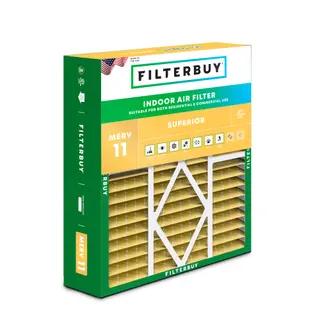
Amana 22X24X5 MERV 11 Aftermarket Replacement Filter
Actual Size: 22.06x23.94x5.25
 Free Delivery
  Factory-Direct Low Prices, Made in the USA
 Hassle-Free Returns & Free Exchanges
RESIDENTIAL AND/OR COMMERCIAL USE
Change Every 3 Months
Tip: Ensure you buy the exact air filter size for your system. Certain brands have precise dimensions that only fit their specific models. See related filters
Amana 22X24X5 MERV 11 Aftermarket Replacement Filter
Actual Size: 22.06x23.94x5.25
Free Delivery Factory-Direct Low Prices, Made in the USAHassle-Free Returns & Free ExchangesRESIDENTIAL AND/OR COMMERCIAL USE
Change Every 3 Months
Tip: Ensure you buy the exact air filter size for your system. Certain brands have precise dimensions that only fit their specific models. See related filters
Amana 22X24X5 MERV 11 Aftermarket Replacement Filter
Actual Size: 22.06x23.94x5.25
Free Delivery Factory-Direct Low Prices, Made in the USAHassle-Free Returns & Free ExchangesRESIDENTIAL AND/OR COMMERCIAL USE
Change Every 3 Months
About
- This is a list 22X24X5 MERV 11 air filter replacement for your furnace, air conditioner, heat pump, or HVAC system
- Actual air filter size: 22.06x23.94x5.25
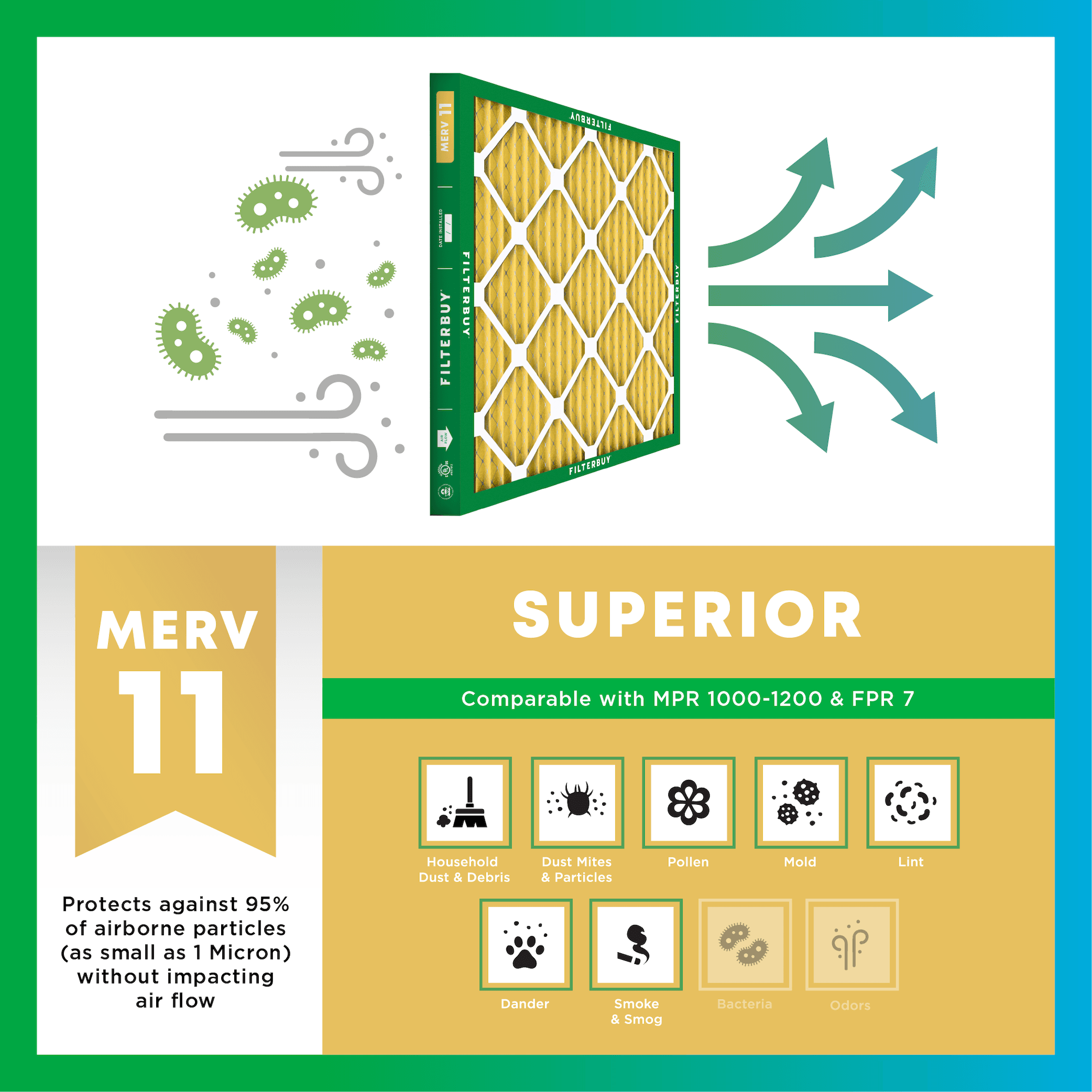
- MERV 11 synthetic media (comparable with MPR 1000/1200 and FPR 7) offers superior protection from dust, pollen, pet dander, mold, smog and more by trapping 95% of airborne particles without impacting air flow
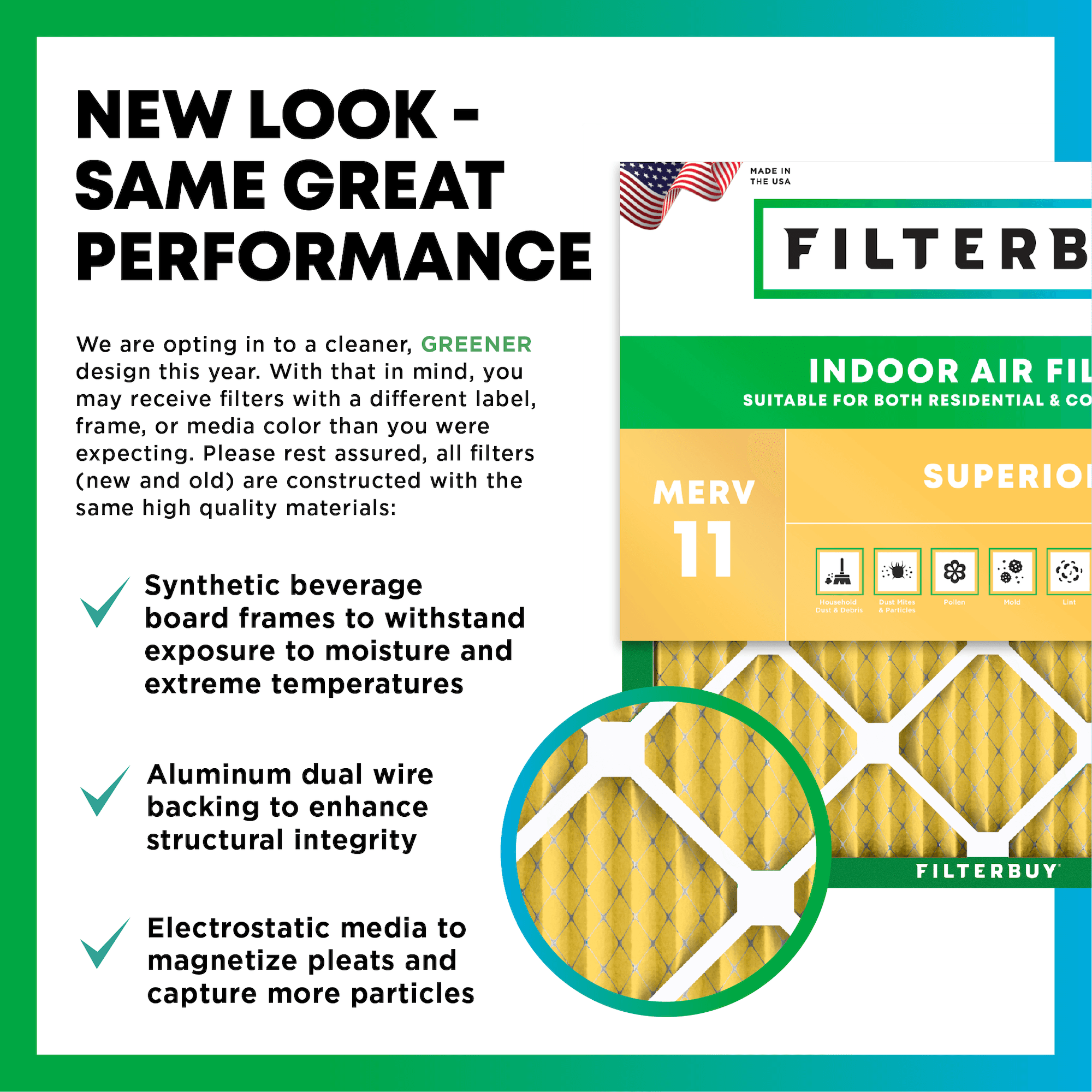
- High-quality construction means electrostatically charged pleated filter media, reinforced wire backing for structural integrity, and a durable frame to resist heat and humidity
- Built to last 3 months. 300% longer than fiberglass models
- 100% manufactured in the United States and designed with recyclable materials
- Learn more about 22X24X5 Air Filters
Top-Rated Filters. American Made. Delivered Free.
At Filterbuy, we don't cut corners—we craft high-quality air filters right here in the USA and ship them to your doorstep for free. No delays, no gimmicks—just clean air, made easy. With thousands of five-star reviews and filters built for real life & every HVAC system, it's no wonder why over 4 million families trust Filterbuy.

Proudly Made In The USA

Fast, Free Shipping on Every Order

Premium Materials That Go The Distance

85,000+ 5-Star Reviews From Happy Customers

Save Up to 70% Per Filter with Packs
Things to Know About Filter Sizes

Nominal Size
- The rounded size printed on your filter or HVAC unit (e.g., 22X24X5).
- Usually whole numbers to make identifying and ordering easier.
- A label for compatibility—not the exact measurement.

Actual Size
- The true, trimmed dimensions of the filter (e.g., 22.06x23.94x5.25 inches).
- Filters are manufactured slightly smaller so they slide into the filter slot without forcing.
- If you don't know your nominal size, measure your filter to get the actual size, then round up to find the nominal size to search on our site.

Why the difference?
- Nominal sizes simplify shopping and standardize categories.
- Actual sizes ensure the filter fits properly inside your HVAC's filter rack.
How To Find Your Nominal Size When You Don't Know It


Measure length × width × depth with a tape measure to find the actual size.

Round up each dimension to the nearest whole number to get the nominal size. Example: 22.06x23.94x5.25 in → 22X24X5 nominal.

Search by nominal size on our site for the best fit.

Why Getting the Right Size Matters
- Too small? Air can bypass the filter, reducing air quality and efficiency.
- Too big? It won't fit—risking bent frames and airflow issues.
- Just right? You get maximum performance, better filtration, and cleaner air.

Why Choose a 5″ filter

5″ filters give you maximum filtration with minimal maintenance — lasting up to 12 months while handling higher MERV ratings without restricting airflow.
Sizing note:
- Requires a 5″ cabinet or system.
- Actual thickness varies by brand (~4¾″–5¼″), so check your model for the best fit.

Free Exchange Policy
If the filter you buy doesn't fit, we'll send you a better size.

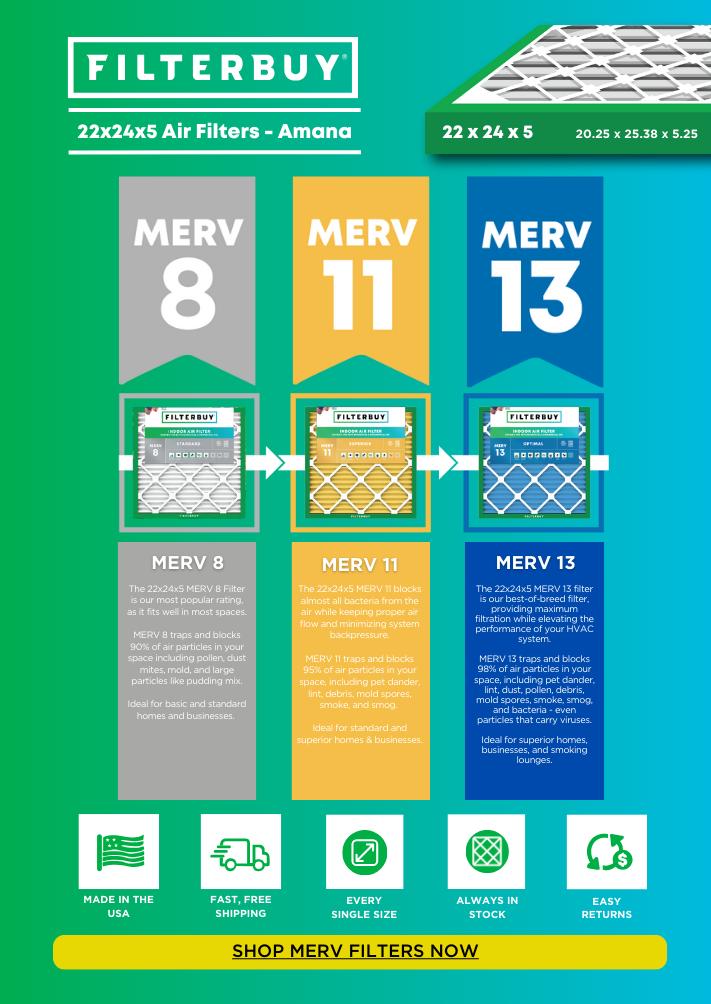
What's a MERV Rating?
MERV stands for Minimum Efficiency Reporting Value—but don't let the technical name fool you. It's just a way to rate how well an air filter traps stuff like dust, pollen, pet dander, and smoke. The higher the MERV number, the more particles it catches—and the cleaner your air will be.

Merv 8
Comparable to:FPR: 4-7
MPR: 600-1000
 Dust & Debris
 Dust Mites & Particles
 Pollen
 Mold
Mold Lint
Lint Dander
Merv 11
Comparable to:FPR: 6-9
MPR: 1200-1550
Dust & DebrisDust Mites & ParticlesPollenMoldLintDander Smoke & Smog
Merv 13
Comparable to:FPR: 10
MPR: 1900-2800
Dust & DebrisDust Mites & ParticlesPollenMoldLintDanderSmoke & Smog Bacteria
MERV 8
Comparable to:FPR: 4-7MPR: 600-1000


MERV 11
Comparable to:FPR: 6-9MPR: 1200-1550

MERV 13
Comparable to:FPR: 10MPR: 1900-2800
What Makes Our Filters Last 90 Days? Quality, From the Inside Out
We build every Filterbuy filter to deliver reliable 90-day performance—thanks to smart design and premium materials that do the heavy lifting. Here's what makes the difference:
Pleated Design
More pleats = more surface area to capture dust and debris, keeping your air cleaner longer.
Electrostatically Charged Media
Pleats are magnetized to attract and trap microscopic particles—like pet dander, pollen, and smoke.
Synthetic Beverage Board Frame
Engineered to resist warping in extreme temperatures and high humidity.

Aluminum Dual Wire Backing
A layer of metal reinforcement keeps pleats evenly spaced and structurally sound—no sagging, even at high airflow.
Made in the USA
Assembled with care. Built to perform. Ships fast, free, and reliably from our U.S. facilities.
How to Install Your Filter in 4 Simple Steps

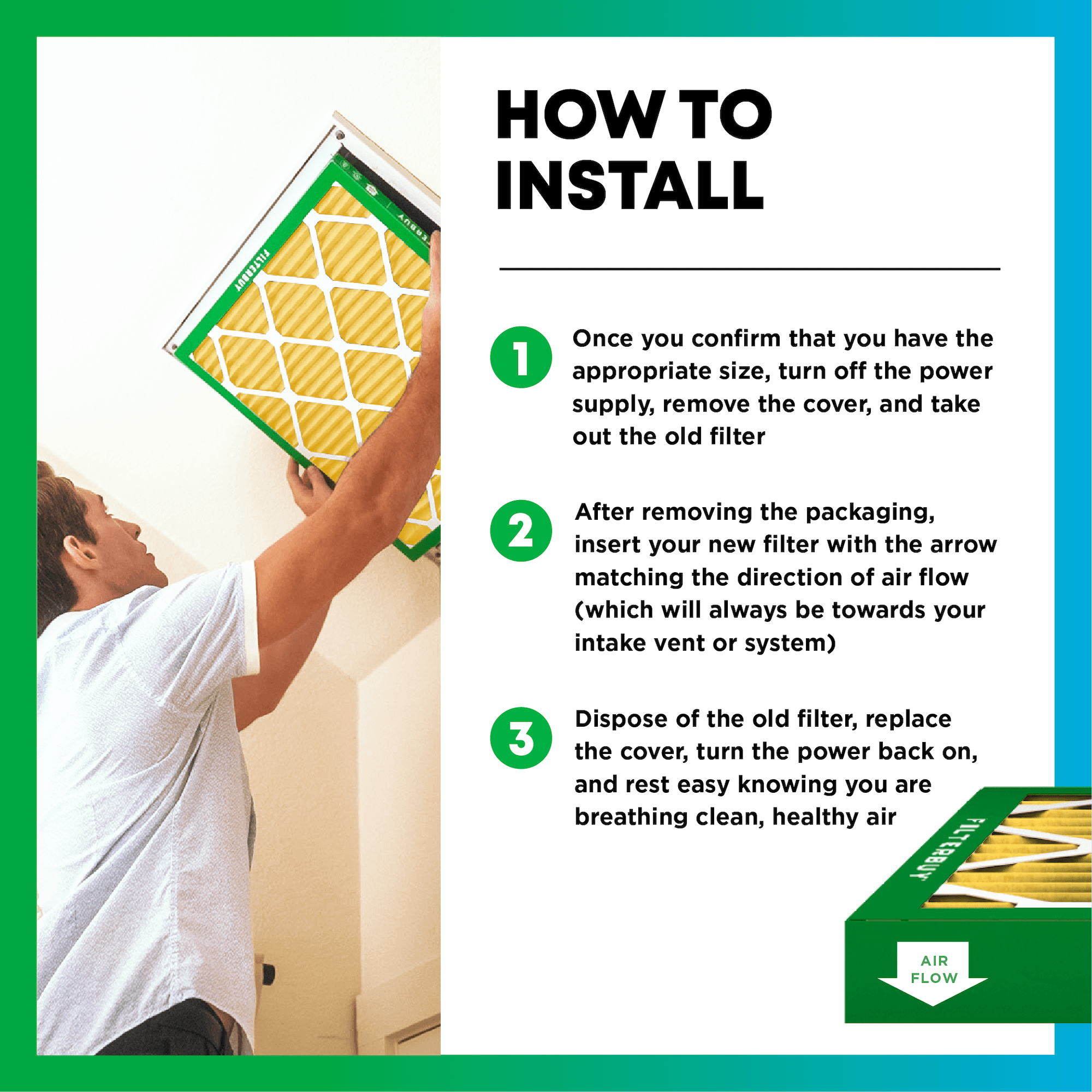
Turn Off Your HVAC SystemSafety first.

Remove The Old FilterLook for the airflow arrow and make note of the direction.

Slide In Your New FilterArrow should point toward the system (same direction as before).

Turn Your System Back OnAnd enjoy the fresh, clean air.

Never forget to replace your air filter again.
- Save 5% on every order
- Choose Your Delivery Schedule
- Edit, Skip, or Cancel Anytime.
Pleated Filters vs. Fiberglass—What's the Difference?
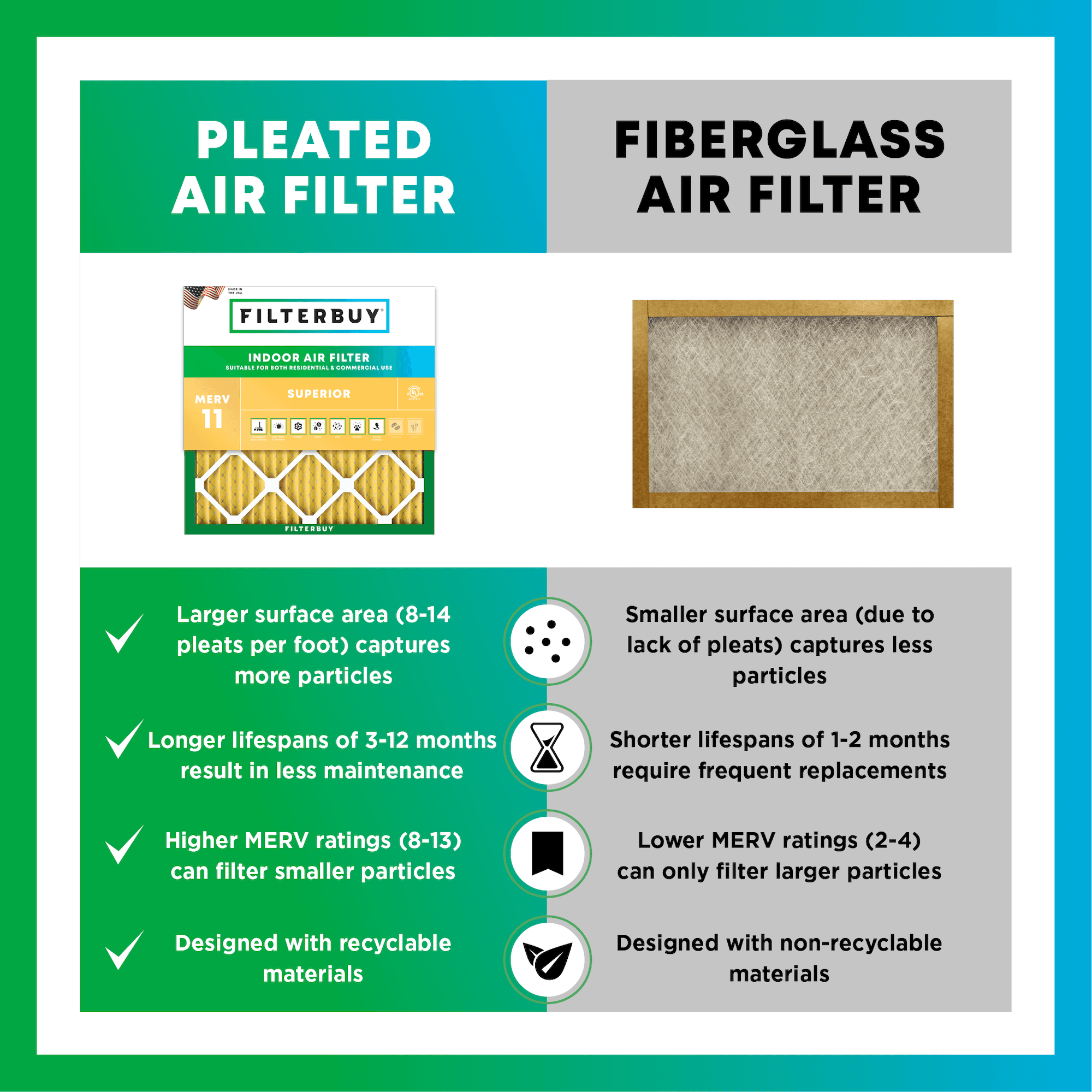
Not all air filters are created equal. Pleated filters don't just last longer—they actually clean your air better. Here's how they stack up:

Pleated Filters
Efficiency:
High (MERV 8–13) – Traps more particles
Lifespan:
90 days – Long-lasting performance
Air Quality:
Excellent – Cleaner, healthier air
Materials:
Recyclable and durable

Fiberglass Filters
Efficiency:
Low (MERV 4 or less) – Misses small stuff
Lifespan:
30 days or less – Replace often
Air Quality:
Minimal – Basic protection only
Materials:
Thin, flimsy, and not recyclable
Pleated filters are a no-brainer—more protection, less hassle, and better air for your home.
How Often Should You Change Your Filter?
Changing your filter on time keeps your HVAC system running efficiently—and helps protect your lungs from dust, allergens, and airborne irritants. Here's how often to swap it out based on your needs:

Every 90 Days
Standard ScheduleFor most homes without pets or special air quality concerns. Great for general upkeep and energy efficiency.

Every 60 Days
If You Have Pets or AllergiesShedding fur, dander, and allergy triggers can build up fast. Changing your filter every two months helps keep the air fresher and symptoms at bay.

Every 30 Days
If You Have Respiratory Concerns or Live in Smog/Wildfire ZonesFor households affected by smoke, pollution, or respiratory conditions, monthly changes ensure maximum protection.

Want to stay on track? Set a reminder—or skip the stress with auto-delivery so fresh filters show up right when you need them.
Don't Just Take Our Word For It...
Got More Questions? We've Got Answers.
Product Specifications
| Nominal Size | 22X24X5 |
| Actual Size | 22.06 x 23.94 x 5.25 inches |
| Filter Type | Pleated |
| Media | Electrostatically Charged |
| Frame | Beverage Board |
| MERV Ratings Available | 8, 11, 13 |
| Lifespan | Up to 12 Months |
| Origin | Made in USA |
MERV 11 22x24x5 Amana Air Filter: Could Your Filter Be Making Allergies Worse?
It's a question we hear constantly — and the answer surprises most homeowners: yes, your filter might be the problem. After manufacturing air filters for over a decade and analyzing feedback from millions of customers, we've found that allergy sufferers are often running filters that are either too weak to catch fine particles or so dense they choke airflow and cause the system to bypass filtration altogether. Either way, you lose.
Here's what we know from direct experience: MERV 11 is the performance threshold where real allergen capture begins — trapping pollen, mold spores, pet dander, and fine dust without overworking your Amana system. Go lower and you're leaving allergens in circulation. Go higher without confirming compatibility, and you risk system strain that defeats the purpose entirely.
This page gives you the exact fit, performance specs, and firsthand guidance to get it right — so your 22x24x5 Amana filter works for your air quality, not against it.
TL;DR Quick Answers
What Is a MERV 11 22x24x5 Amana Air Filter?
A MERV 11 22x24x5 is a 5-inch deep-media air filter designed for Amana furnaces and air handlers with a dedicated media cabinet. It is the recommended filtration upgrade for allergy-sensitive households running Amana HVAC systems.
Key facts:
Nominal size: 22x24x5
Actual dimensions: 21.5 x 23.5 x 4.375 inches
MERV rating: 11 — tested to ASHRAE 52.2 standards
Filter depth: 5-inch deep-media format
Service life: 6–12 months depending on household conditions
Best for: Allergy sufferers, pet owners, and households with mold or dust sensitivity
Compatible with: Amana furnaces and air handlers with a dedicated 5-inch media filter cabinet
Captures: Pollen, mold spores, pet dander, dust mite debris, and fine particles in the 1–3 micron range
Manufactured by Filterbuy: American-made, exact dimensional tolerances, ASHRAE 52.2 verified
Why MERV 11? It is the performance threshold where meaningful allergen capture begins — without restricting airflow in systems rated for MERV 8–11.
Why 22x24x5? The 5-inch media bed delivers more air-to-media contact time than a standard 1-inch filter — more contact time means more allergen capture per pass and a longer service life.
Why fit matters: A filter even a quarter-inch undersized creates gap bypass — air flows around the filter media instead of through it, leaving your home's air unfiltered despite a running HVAC system.
Top Takeaways
Filter size and MERV rating are equally important — and most households get both wrong. Gap bypass silently defeats filtration performance every hour your system runs. Always verify actual dimensions (21.5 x 23.5 x 4.375 inches) and confirm fit before anything else.
MERV 11 is where meaningful allergen capture begins. MERV 8 misses the pollen, mold spores, pet dander, and dust mite debris driving most residential allergy symptoms. It's consistently where allergy-affected households first notice a real, sustained difference.
The 22x24x5 deep-media format outperforms a standard 1-inch filter at the same MERV rating. More media depth means more contact time and more allergen capture per pass — with a filter life of 6–12 months versus 30–90 days for a standard 1-inch filter.
Your HVAC filter is your most direct intervention point for indoor air quality. Indoor pollutant concentrations run 2 to 5 times higher than outdoors, and Americans spend 90% of their time breathing that air indoors. A correctly rated, correctly sized MERV 11 filter is the single most accessible step an allergy-sensitive household can take.
Filter maintenance is a system — not a one-time decision. Install correctly, change on schedule, and monitor between changes. Check at 6 months in allergy-sensitive homes. If symptoms persist after a correct MERV 11 installation, duct cleaning, mold remediation, or an HVAC inspection may be the next right step. A filter alone isn't always enough — and we'll always tell you that.
What MERV 11 Actually Does — and Why It Matters for Allergy Sufferers
Most filters on the market are rated MERV 8 or lower — adequate for blocking large dust and debris, but largely ineffective against the fine particles that drive allergy symptoms. MERV 11 changes that equation. At this rating, your filter captures up to 85% of particles in the 1–3 micron range, including pollen, mold spores, pet dander, and dust mite debris — the core allergen group responsible for most household allergy flare-ups.
What our manufacturing experience has shown us is that MERV 11 hits the performance sweet spot for most residential systems: meaningful allergen capture without the airflow restriction that higher-rated filters can introduce. For Amana systems in particular, it's the rating we most consistently recommend for allergy-sensitive households.
Why Filter Size Precision Is Non-Negotiable in a 22x24x5
The 22x24x5 is a 5-inch deep media filter — a format designed for whole-home filtration in systems with a dedicated media cabinet. Unlike standard 1-inch filters, the deep-media design gives air more contact time with filtration material, which translates to better particle capture at lower static pressure.
But that performance only holds when the filter fits correctly. A filter that's even slightly undersized creates gap bypass — air takes the path of least resistance around the filter media rather than through it. You're running your system, spending money on a filter, and breathing air that never actually got filtered. We see this problem cited in customer feedback more than almost any other fit-related issue.
The actual dimensions of our 22x24x5 filter are 21.5 x 23.5 x 4.375 inches — the nominal size rounds up, as is standard in the industry. Always verify your cabinet opening before ordering.
Is MERV 11 Compatible With Your Amana System?
Compatibility is the question most homeowners skip — and it's the one that matters most. Amana furnaces and air handlers are designed to operate within a specific static pressure range. Push a filter with too high a MERV rating into a system not built for it, and you restrict airflow enough to cause heat exchanger stress, increased energy consumption, and in some cases, premature equipment failure.
MERV 11 is generally well-tolerated by most modern Amana systems, but we always recommend one additional step: check your system's documentation or cabinet label for the manufacturer's recommended MERV range. If your system specifies MERV 8–11, you're in the clear. If it caps at MERV 8, a MERV 11 5-inch media filter may still be compatible due to the lower resistance of deep-media construction — but confirm with your HVAC technician if you're unsure.
How Often Should You Change Your 22x24x5 MERV 11 Filter?
One of the advantages of a 5-inch media filter is its extended service life. Where a standard 1-inch filter requires replacement every 30–90 days, a quality 22x24x5 MERV 11 filter typically performs effectively for 6–12 months under normal household conditions.
That said, allergy-sensitive homes often benefit from checking the filter at the 6-month mark rather than waiting the full year. Homes with pets, high occupancy, or seasonal pollen spikes load filters faster. A visibly gray or clogged filter is no longer capturing allergens efficiently — it's restricting airflow and potentially releasing trapped particles back into circulation. When in doubt, change it.
Filterbuy's Commitment to Consistent, Clean Filtration
Every 22x24x5 MERV 11 filter we manufacture is built to exact dimensional tolerances and tested against ASHRAE 52.2 standards — the same benchmark used to assign MERV ratings across the industry. We don't source generic media and rebrand it. Our filters are produced in the U.S. with materials selected specifically for residential HVAC performance and indoor air quality outcomes.
For allergy sufferers, that consistency matters. A filter that performs at MERV 11 on day one should perform at MERV 11 on day 90. That's the standard we hold ourselves to — because protecting your air isn't a one-time transaction. It's an ongoing commitment to the health of your household.
After manufacturing millions of air filters and listening closely to feedback from allergy-sensitive customers, we've learned that the filter size gap you can't see — and the MERV rating you assume is 'good enough' — are the two silent reasons most households never actually get ahead of their symptoms."
— The Filterbuy Team
Essential Resources: What Every Amana Filter Owner Should Know Before Buying
1. Don't Guess at MERV — Here's What the Rating Actually Means
We're obsessed with making sure you understand exactly what you're buying — and why it matters. The EPA's official MERV explainer cuts through the confusion and shows you what that number on your filter box is actually measuring, so you can shop with confidence instead of guesswork.
URL: https://www.epa.gov/indoor-air-quality-iaq/what-merv-rating
2. Here's the Truth About What Your HVAC Filter Is — and Isn't — Doing
Most homeowners assume their filter is working. After a decade of manufacturing and millions of customer conversations, we know that assumption costs families more than they realize. The EPA's complete air cleaner guide gives you the unfiltered truth about how furnace filters actually perform — and what to look for when allergens are a concern.
URL: https://www.epa.gov/indoor-air-quality-iaq/guide-air-cleaners-home
3. Check This Amana Page Before You Order a Single Filter
We always tell our customers: verify compatibility before you buy — every time. Amana's official filter and MERV compatibility resource gives you the manufacturer's own specifications for their furnace and air handler systems, so you can confirm your 22x24x5 MERV 11 filter is the right fit before it ever ships.
URL: https://www.amana-hac.com/resources/hvac-learning-center/operation/air-filters-and-merv-ratings
4. Amana Answers the Filter Question Homeowners Ask Us Most
"Which filter actually belongs in my system?" It's the question we hear constantly — and the answer matters more than most people realize. Amana's official FAQ gives you the manufacturer's direct guidance on filter selection and when upgrading your filtration makes sense for your specific equipment.
URL: https://www.amana-hac.com/resources/faq/maintenance/what-type-of-filter-should-i-use
5. The Testing Standard Behind Every MERV Rating — Including Ours
At Filterbuy, we test every filter we manufacture against ASHRAE Standard 52.2 — the same methodology that assigns MERV ratings to every residential air filter sold in the U.S. We're sharing this resource because we believe you deserve to understand the science behind the standard, not just take our word for it.
URL: https://www.ashrae.org/File%20Library/Technical%20Resources/COVID-19/52_2_2017_COVID-19_20200401.pdf
6. From Our Manufacturing Floor to Your Filter Cabinet — The Filterbuy MERV Guide
We built this resource from over a decade of hands-on manufacturing experience and direct feedback from millions of customers protecting their homes. It walks you through MERV 8 vs. 11 vs. 13 performance differences, real-world compatibility considerations, and exactly which rating delivers the most value for allergy-sensitive households like yours.
URL: https://Filterbuy.com/resources/air-filter-basics/which-merv-rating-should-I-use/
7. What Board-Certified Allergists Say About HVAC Filters and Symptom Relief
Protecting your family's health is what drives everything we do — which is why we point you to the experts who specialize in exactly that. The American College of Allergy, Asthma & Immunology gives you clinical, physician-backed guidance on where HVAC filtration fits within a complete allergy management plan — including honest answers about what even the best filter can and cannot do.
URL: https://acaai.org/allergies/management-treatment/living-with-allergies/air-filters/
What the Research Confirms About Indoor Air and Allergy Relief
We've spent over a decade manufacturing air filters and listening to allergy-sensitive homeowners. What we hear from customers lines up exactly with what the research confirms — and the numbers are more alarming than most people expect.
The Air Inside Your Home May Be Your Biggest Allergy Trigger
The U.S. EPA confirms Americans spend approximately 90% of their time indoors — where pollutant concentrations are often 2 to 5 times higher than outdoors.
What this means for your home:
The air quality battle isn't happening outside — it's inside
Your HVAC cycles that same air through your home dozens of times daily
Every pass through a properly rated MERV 11 filter is an opportunity to reduce what your family breathes
Correct filter sizing ensures none of that air bypasses filtration entirely
The Filterbuy takeaway: Upgrading to a correctly sized MERV 11 filter is the most direct intervention point available to allergy-sensitive households — right at the source.
Source: U.S. EPA — Indoor Air Quality Report on the Environment
URL: https://www.epa.gov/report-environment/indoor-air-quality
1 in 3 Americans Has Allergies. Most Don't Know Their Filter Is Part of the Problem.
More than 106 million Americans experience allergies each year — approximately 1 out of every 3 people in the United States. What we consistently hear from customers in that group:
They've been running MERV 8 or lower filters for years
Their symptoms persist — but they've never connected it to filter performance
Switching to MERV 11 is often the first filter change that produces a noticeable difference
Why MERV 11 is the turning point:
MERV 8 captures large particles — but misses the fine allergens driving most symptoms
MERV 11 crosses the capture threshold for pollen, pet dander, mold spores, and dust mite debris
The 22x24x5 deep-media format delivers that performance without restricting Amana system airflow
The Filterbuy takeaway: A MERV 8 filter in an allergy-affected household isn't solving the problem. It's maintaining it.
Source: Asthma and Allergy Foundation of America (AAFA) — Allergy Facts
URL: https://aafa.org/allergies/allergy-facts/
A Third of U.S. Homes Are Actively Growing the Allergens Your Filter Must Capture
The EPA reports that one third to one half of all U.S. structures have damp conditions that encourage the development of molds and bacteria — contaminants directly linked to allergic reactions and asthma.
What that means for your filter selection:
Mold spores fall directly in the particle size range MERV 11 is engineered to intercept
A loose or incorrectly sized filter creates gap bypass — air takes the path of least resistance around the filter media
In a mold-affected home, that bypass isn't just a performance issue — it's a daily health risk
Why dimensional precision matters in a 22x24x5:
Nominal size (22x24x5) rounds up — actual dimensions are 21.5 x 23.5 x 4.375 inches
Even a small dimensional gap allows unfiltered air to circulate freely
We manufacture to exact tolerances so fit is never the reason your filter fails you
The Filterbuy takeaway: Most filter companies cite mold statistics. We build our manufacturing standards around them.
Source: U.S. EPA — Publications About Indoor Air Quality
URL: https://www.epa.gov/indoor-air-quality-iaq/publications-about-indoor-air-quality
A Final Thought From the Filterbuy Team: The Filter You Choose Is a Decision About Your Family's Health — Not Just Your HVAC System
Most homeowners treat air filters like light bulbs. Replace when needed. Grab whatever fits. Move on.
After manufacturing filters for over a decade and working with millions of customers — many of them allergy sufferers who came to us frustrated and out of options — we believe that mindset is costing families more than they realize.
Our Honest Opinion: The Size Gap and the MERV Rating Are Not Separate Problems. They're the Same Problem.
A MERV 11 filter that doesn't fit correctly isn't a MERV 11 filter. It's filter media with a gap around the frame — and your home's air is flowing through that gap untreated, carrying pollen, mold spores, and pet dander into the rooms where your family lives.
What we see in customer feedback more than any other issue:
Wrong MERV rating for household allergy needs
Wrong filter dimensions creating gap bypass
Wrong expectations — because the root cause stays invisible until the right change is made
What Most Filter Manufacturers Won't Tell You About Deep-Media Filters
The 22x24x5 deep-media format is genuinely underutilized in allergy-sensitive households. Here's what we've observed firsthand:
Homeowners who upgrade their MERV rating alone see improvement
Homeowners who upgrade their MERV rating and move to a properly fitted 5-inch deep-media filter report a more noticeable, more sustained difference
The deeper media bed creates more air-to-media contact time — and that contact time is where allergen capture actually happens
The bottom line: A thin filter at MERV 11 and a deep-media filter at MERV 11 are not equivalent. The difference matters most in households where allergy relief is the primary goal.
Our Three-Part Recommendation for Amana System Owners
Based on over a decade of manufacturing experience and direct customer feedback:
Verify your fit first. A bypassing filter is worse than no filter — it creates false confidence while your air goes unfiltered.
Don't underrate your air. MERV 8 is a floor, not a solution for allergy-affected households. MERV 11 is where meaningful allergen capture begins for the particle types driving most residential symptoms.
Think in systems, not products. The right filter, correctly sized, changed at the right interval — that's what produces consistently clean air. Not a single purchase decision made once and forgotten.
Why We're Telling You This
We're not sharing this because we manufacture filters. We're sharing it because after a decade of watching the same patterns repeat — customers suffering through allergy seasons with the wrong filter, then noticing a real difference after getting the right one — we believe this information is too important to leave buried in a product spec sheet.
Better air is possible in your home. For Amana system owners managing allergy symptoms, a correctly fitted 22x24x5 MERV 11 filter may be the most impactful single change you haven't made yet.
— The Filterbuy Team
Your Next Steps to Cleaner Air in Your Amana Home
You have everything you need to make a confident decision. Here's exactly what to do next — in order.
Step 1 — Confirm Your Filter Cabinet Dimensions Before You Order
Measure first. Never assume your cabinet matches the nominal size.
What to check:
Measure your cabinet opening — length, width, and depth
Confirm your slot accommodates a 4.375-inch deep media filter
Check your Amana owner's manual for the recommended MERV range
MERV 8–11 specified? You're clear to proceed
Pro Tip: Our 22x24x5 nominal filter has actual dimensions of 21.5 x 23.5 x 4.375 inches. Measurements don't match? Contact us — we manufacture custom sizes for exactly this reason.
Step 2 — Inspect Your Current Filter Right Now
Don't wait for your next scheduled change. Pull it and look.
Replace immediately if you see:
A visibly gray or darkened filter face
Gaps between the filter frame and cabinet walls
A filter that's been in place longer than 6 months in an allergy-sensitive home
Collapsed or damaged filter media
The bottom line: If any of these apply, your current filter is working against your air quality — not for it.
Step 3 — Order Your Filterbuy 22x24x5 MERV 11 Replacement Filter
Dimensions confirmed. Current filter assessed. Now order with confidence.
Every Filterbuy order includes:
American-manufactured media tested to ASHRAE 52.2 standards
Exact dimensional tolerances — no gap bypass, no loose fit
Verified MERV 11 performance at the particle sizes that drive allergy symptoms
Fast, free shipping — because your air shouldn't wait
Ready? Use the product selector above to confirm your size and add to cart.
Step 4 — Install Your New Filter Correctly
A great filter installed incorrectly is still a problem. Follow these steps in order:
Power down your Amana system before removing the old filter
Note the airflow direction arrow on your existing filter before pulling it out
Insert the new filter with the airflow arrow pointing toward the blower
Check all four edges for a flush, gap-free fit
Power your system back on and listen for unusual sounds
What we see constantly in customer feedback: Filters installed backwards. It happens more than you'd expect — and it defeats the purpose entirely. The arrow matters.
Step 5 — Set Your Filter Change Reminder Before You Forget
The best filter fails when left in place too long. Set your reminder now.
Recommended change intervals:
Standard household — Every 9–12 months
Homes with pets — Every 6–9 months
Allergy-sensitive households — Check at 6 months, change if visibly loaded
High occupancy or high-dust environments — Check at 4–6 months
Three ways to stay on schedule:
Write the installation date directly on the filter frame with a marker
Set a recurring phone reminder for your target change interval
Sign up for Filterbuy auto-delivery — your next filter arrives before your current one fails
Step 6 — Monitor Your Air and Adjust if Needed
Installation is done. Now pay attention to what changes.
Signs your MERV 11 filter is working:
Fewer or less severe allergy symptoms within the first few weeks
Less dust accumulation near vents
No unusual HVAC sounds or extended run cycles
Signs something may need reassessing:
Symptoms persist after 30 days with the correctly fitted new filter
Filter loads visibly within 3–4 months
Your system runs noticeably longer cycles than before
Our honest guidance: If symptoms persist after a correct MERV 11 installation, the issue may go beyond filtration. Duct cleaning, mold remediation, or an HVAC inspection may be the right next step. We'll always tell you when a filter alone isn't enough.
FAQ on "MERV 11 22x24x5 Amana Air Filter"
Q: Is a MERV 11 filter compatible with my Amana furnace or air handler?
A: Yes — for most modern Amana systems. Here's what our manufacturing experience tells us:
MERV 11 is compatible with the vast majority of modern Amana furnaces and air handlers
The 22x24x5 deep-media format offers more compatibility flexibility than a standard 1-inch MERV 11 filter
The 5-inch media bed spreads particle capture across a larger surface area
Lower static pressure resistance means less strain on your Amana system's blower motor
MERV 11 is achievable in systems that might struggle with a thinner filter at the same rating
Before ordering:
Locate your owner's manual or check your cabinet label
Confirm your system's recommended MERV range
MERV 8–11 specified? You're confirmed clear to proceed
Documentation unavailable? Ask your HVAC technician before ordering
Q: What is the actual size of a 22x24x5 air filter and why does it matter?
A: The nominal size rounds up from the true dimensions. This distinction is more important than most homeowners realize.
Nominal size: 22x24x5
Actual dimensions: 21.5 x 23.5 x 4.375 inches
Why it matters:
Dimensional mismatch is one of the leading silent causes of filtration failure
A filter even a quarter-inch undersized creates gap bypass
Gap bypass means air flows around the filter media — not through it
Your system runs, your filter looks functional, and your air never actually gets filtered
What to do:
Measure your cabinet opening before every order
Compare your measurements against actual filter dimensions
Measurements outside standard tolerances? Contact us — we manufacture custom sizes
Q: How often should I change my 22x24x5 MERV 11 filter in my Amana system?
A: Match your change interval to your actual household conditions — not a generic schedule. After manufacturing millions of filters, here's what we've found:
Recommended change intervals:
Standard household — every 9–12 months
Homes with pets — every 6–9 months
Allergy-sensitive households — check at 6 months, change if visibly loaded
High occupancy or high-dust environments — check at 4–6 months
Three signs your filter needs changing now:
Visibly gray or darkened filter face
Visible gaps between filter frame and cabinet walls
Filter has been in place longer than your household type recommends
What we see most often: Homeowners waiting the full 12 months regardless of household conditions. A loaded filter restricts airflow and releases trapped particles back into circulation. Write the installation date on the filter frame the day you install it.
Q: Will a MERV 11 filter actually help reduce allergy symptoms in my home?
A: Yes — but only when two conditions are met simultaneously. This is the answer most filter companies won't give you directly.
Condition 1 — Correct MERV rating:
MERV 11 crosses the capture threshold for the particles driving most residential allergy symptoms
Captures pollen, mold spores, pet dander, and dust mite debris
MERV 8 filters allow fine allergen particles to pass straight through
We've pulled MERV 8 filters from allergy-sensitive homes that looked clean — but were failing on fine particle capture
Condition 2 — Correct fit:
A correctly rated filter with gap bypass is not filtering your air
It's only filtering air that happens to flow through the media
The rest bypasses the filter entirely — unfiltered
What our customer feedback consistently shows:
Households that address rating and fit simultaneously report the most significant, sustained allergy relief
Addressing one without the other produces partial results at best
If symptoms persist after a correctly rated and correctly fitted MERV 11 installation:
Duct cleaning may be needed
Mold remediation may be the root cause
A professional HVAC inspection is the appropriate next step
Q: What makes a Filterbuy 22x24x5 MERV 11 filter different from other brands?
A: Three things — all rooted directly in our U.S. manufacturing process and what we've learned from years of customer feedback.
Exact dimensional tolerances — built into every filter we make
We don't source generic media and cut it to approximate sizes
Every 22x24x5 filter is produced to precise U.S. manufacturing specifications
Dimensional accuracy is a non-negotiable manufacturing standard — not an afterthought
Result: no gap bypass, no loose fit, no silent filtration failure
ASHRAE 52.2 verified performance — not self-reported ratings
Every filter is tested against the independent industry standard for MERV ratings
MERV 11 means tested and confirmed — not labeled based on media specification alone
You get the performance the rating promises — on day one and throughout the filter's life
Consistent media performance across the full filter life
Filter media that performs on day one doesn't always perform on day 60
We select and test media specifically for sustained performance across the full service life
For allergy-sensitive households, a filter that degrades mid-lifespan isn't providing the protection the household is counting on
Consistency is the difference between a filter that helps and one that only appears to
Stop Letting the Wrong Filter Make Your Allergies Worse — Order Your MERV 11 22x24x5 Amana Air Filter Today
You now know exactly what your Amana system needs and why it matters — the only thing left between your family and cleaner, healthier air is the right filter, correctly sized, and ready to work. Use the product selector above to confirm your fit and place your order today.