Shop by
Slide in a new cabin air replacement filter and ditch that stale, recycled smell. A tight HEPA-style weave paired with activated carbon traps road dust, pollen, and exhaust fumes before they ever reach your vents, so every ride feels crisp and sneeze-free.
When it’s time for a swap, choose Filterbuy. Our filters are cut to exact OEM specs, easy to install with a simple click or twist, and hold strong mile after mile—no guesswork, no hassle.
Grab a cabin filter with HEPA-grade media and an activated carbon layer to block road dust, pollen, and exhaust smells before they reach your vents.
Match the part number in your owner’s manual to Filterbuy’s fit chart for a perfect, leak-proof installation.
High-efficiency pleats keep airflow strong and your A/C running easy, cutting strain on the blower and helping you save on fuel.
Change the filter every 12,000–15,000 miles (roughly once a year) to ensure peak performance and a fresh-smelling cabin.
A new cabin air filter snags dust, pollen, and exhaust fumes before they slip through your car’s vents, so every ride feels more comfortable. Swapping it regularly also keeps the blower motor from working overtime, delaying wear and tear.
Filterbuy’s HEPA-grade, carbon-infused filters catch the tiniest particles and stubborn odors, giving you cleaner air and steady airflow mile after mile. Check yours often and replace it about every 12–15 k miles to keep your air clean and your ventilation system in peak shape.
First, focus on what the filter can catch. Choose a cabin filter packed with HEPA-grade fibers to trap dust and pollen, plus an activated-carbon layer that cleans up exhaust fumes and lingering odors. That tight weave keeps the air inside your car fresh and healthy.
Next, make sure the filter is a hassle-free fit. Match the part number in your owner’s manual, click the filter into place without special tools, and pick one built from sturdy materials so it keeps its shape between changes. Filterbuy designs every cabin filter around these exact points—high-efficiency media, no-fuss installation, and rock-solid construction—so upgrading your ride’s air quality is as simple as swap, shut, and drive.
Start with your surroundings. City commuters need a filter that grabs tiny smog and soot particles; country roads call for one that blocks swirling dust and farm-field pollen. If allergies hit hard, step up to a high-efficiency filter that catches even the tiniest irritants.
Think about upkeep next. Standard Filterbuy cabin filters hold up longer with less maintenance while Filterbuy’s washable line lets budget-minded drivers rinse, dry, and reuse. Match your filter to both your routines, needs, and budget.
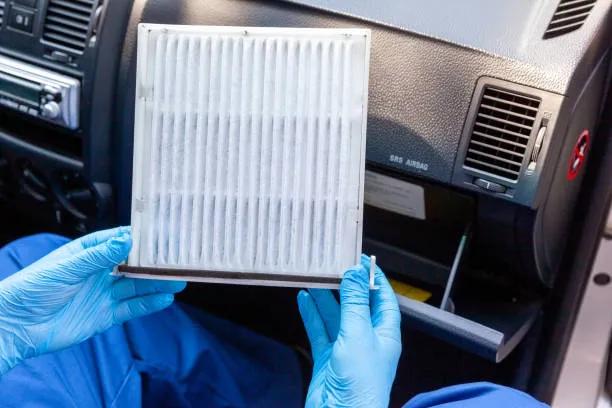
Pop open the glove box, loosen the tiny screws or clips holding the filter cover, and slide the old filter straight out—notice which way the arrows point. Push the new one in the same direction, snap the cover back on, and close the glove box.
Do this about every 12,000–15,000 miles (or whenever your owner’s manual says) to keep air crisp and the A/C running smoothly. For a snug fit and top-tier filtration, always choose a Filterbuy replacement filter.
A little upkeep goes a long way. Quick check-ups keep the filter working hard and the air in your car fresh and healthy.
Check It Often: Peek at the filter about every 12,000 miles—or whenever your owner’s manual suggests—and swap it if it looks dirty or torn.
Clean Reusables Gently: Using a washable filter? Give it a light vacuum or a rinse with mild soap and water, then let it dry fully before reinstalling.
Dodge Heavy Dust: Try to avoid long stretches on dirt roads or in construction zones so the filter media doesn’t clog ahead of schedule.
Watch for Clues: Weak airflow or funky smells are your cue to inspect—and likely replace—the filter.
The EPA warns that stale cabin air packed with dust, exhaust, and VOCs can trigger allergies and respiratory issues. Installing a HEPA-grade filter with an activated-carbon layer stops those pollutants before they reach your vents.
The Department of Energy adds that a clean filter can lift your car’s ventilation efficiency by 5–15 percent, easing the load on the blower motor and saving a bit of fuel.
DOT studies show high-quality cabin filters trap fine particles and stubborn fumes, keeping rides quieter and more comfortable. When it’s time to swap, Filterbuy replacements meet—and beat—every one of these standards.
A filter with a solid MERV rating blocks fine dust, pollen, and stubborn road fumes, so you and your passengers can enjoy your ride comfortably.
Filterbuy leads the pack with high-MERV, HEPA-grade filters that pair activated carbon for odor control. Backed by 7,000-plus positive reviews and always shipped free, they arrive fast, fit right, and keep your ventilation system running strong—just swap on the schedule your owner’s manual recommends.
A car air filter typically costs between $10 and $50, premium versions with activated carbon or HEPA media command higher prices.
Dealerships usually bill $50–$150 for a cabin filter swap (parts and labor), though rates vary by model and region. Doing it yourself can save most of that fee.
Cabin filters often feature specialized materials—such as activated carbon or HEPA—for superior removal of pollen, odors, and fine particles. Dealership labor charges further increase the total expense.
Most cabin filters last 12,000–15,000 miles (about one year). In dusty or urban driving conditions, you may need to replace them more frequently.
The filter alone costs $10–$50. Depending on labor rates, professional installation can raise the total to $50–$150.
You can, but it’s not advisable. Restricted airflow reduces engine performance, raises fuel consumption, and can lead to musty cabin smells.
Car filters that use activated carbon or HEPA media for enhanced odor and allergen control cost more to produce, and dealer and mechanic markups add to their retail price.
Yes. Most cabin filters reside behind the glove box and can be swapped with basic hand tools—consult your owner’s manual for the exact procedure.
Replace the cabin filter every 12,000–15,000 miles (or annually) and the engine air filter every 15,000–30,000 miles, adjusting for your driving environment.
An old filter clogs with dirt and debris, cutting airflow, causing unpleasant odors, and putting extra strain on your HVAC system over time.
Budget filters trap larger dust particles only. Premium filters incorporate activated carbon or HEPA layers to capture fine pollutants, allergens, and odors.
Toyota dealerships typically charge $50–$100 (labor included) for a filter. However, buying a filter for $10–$30 and fitting it yourself can significantly reduce that cost.
