
Best HVAC and Furnace Air Filters for Home | Filterbuy
High-quality HVAC and furnace air filters ensure a healthy house air supply. The selection ranges from basic fiberglass, which is relatively inexpensive, to pleated and HEPA filters for quality filtration. A MERV rating of 8-13 is sufficient for most homes. HEPA filters (MERV 17+) can capture nearly all particles, benefiting those with allergies or asthma.
Also, filters should be changed regularly, every 1-3 months, coupled with the use of air purifiers and the addition of indoor plants.
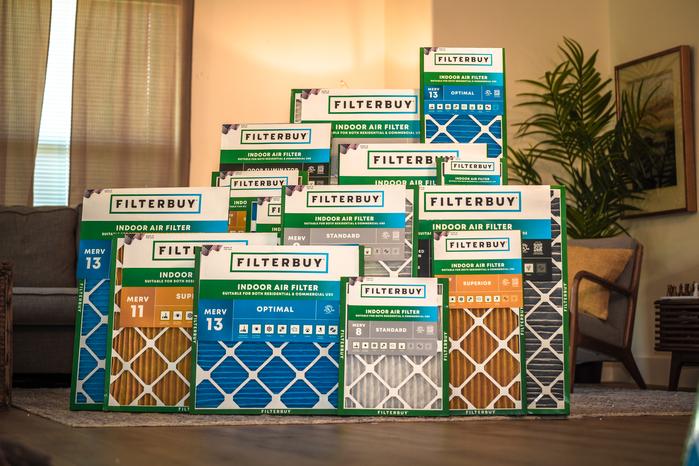
Key Takeaways
HEPA filters capture many particles, making them ideal for allergy and asthma sufferers.
Conversely, the best MERV ratings are 8 to 13, effectively purifying the air. However, they’re not restrictive to HVAC systems.
Compared to other filters, especially electrostatic filters, which are reusable and eco-friendly, they are easier to attract and trap airborne particles.
Superior filters cut additional allergens, and boost the efficiency of HVAC systems while preventing more admittance of bacteria, mold spores, and certain viruses into the indoor space.
Change filters as often as once in one to three months. Some practical ways are to use air purifiers and plants to maintain a good quality of air inside the house.
Understanding HVAC and Furnace Filters
To maintain a healthy and efficient home environment, you must understand HVAC and furnace filters. Researching HVAC systems reveals various filter types, each with distinct advantages and disadvantages affecting air quality and system performance.
Firstly, consider common filter types. Fiberglass filters are inexpensive but inefficient. In comparison, pleated filters offer better efficiency at a higher cost. HEPA filters, capturing up to 99.97% of airborne particles, represent the gold standard for air quality. However, they may require modifications for compatibility with standard HVAC systems.
Filter efficiency remains a crucial factor, often represented by its MERV rating. The higher MERV ratings indicate improved filtration but can restrict airflow if not matched to your system. Balancing filter efficiency with HVAC capabilities ensures the unit operates without overworking, preventing higher energy bills and wear.
Now that you know these elements in choosing the right filter, it will help you result in cleaner air and a more efficient HVAC system.

What to Look for in Air Filters
You now understand the types and efficiencies of HVAC and furnace filters. Now, let's focus on selecting an air filter. Start with efficiency: higher efficiency catches more particles. And this is measured by the MERV rating. Take note: the higher the MERV rating, the better the filtration. High MERV filters can reduce airflow, potentially affecting your AC's efficiency. Better consult a professional for advice.
Next, consider the filter materials. Fiberglass, pleated paper and high-efficiency particulate air (HEPA) filters are all common options. Sadly, fiberglass filters are less effective and cheaper. Pleated filters, made from cotton or polyester, offer a good balance of cost and efficiency. HEPA filters excel at capturing tiny particles but might be excessive for standard home systems.
Lastly, check the filter's size and compatibility with your HVAC system. An incorrect size can lead to air bypassing the filter, reducing effectiveness. Lastly, consider maintenance frequency. Note: some filters need replacing every month. But thankfully, others last up to six months. Balancing these factors will help you choose the best option for your needs.
Top Air Filters for Healthy Home Air
Selecting the best air filters for your home can greatly improve indoor air quality. Always remember that each of them is specially designed to their advantage. Top-notch air filters can capture up to 99% of particles. These filters also effectively remove most pollutants, making them beneficial for individuals with asthma or allergies.
Understanding MERV ratings is essential before buying a filter. Remember the range from 1 to 20, wherein higher numbers capture smaller particles more effectively. For homes, MERV ratings between 8 and 13 work best. Then, a MERV 13 filter can capture smoke, smog, and virus carriers, offering comprehensive air purification.
Electrostatic filters provide another option. These reusable filters attract and hold particles using static electricity, saving money and the environment. Though it may seem complex, using these filters becomes straightforward with practice.
Advantages of Using High-Quality Filters
Using top-notch air filters can enhance overall air quality. This will also lower pollution, improve the air, and make everyone's home healthier, especially those with asthma or allergies.
Filter longevity is a major benefit. Well-made filters last longer, reducing the frequency of replacements. This saves money over time and decreases the hassle of constant maintenance. Longer-lasting filters often have higher efficiency rates, ensuring smooth and efficient HVAC system operation.
These filters also enhance air quality throughout your home. They filter much more than just allergens, capturing bacteria mold spores, and even some viruses. This provides a cleaner indoor atmosphere that is much healthier for one and all.
Investing in a good filter pays dividends on comfort and health manyfold through your HVAC system performance. It is pretty much a win-win.
Tips for Maintaining Healthy Air
It is easy to ensure that the air circulating in your home is healthy when you follow some of the following actions. Follow these steps to improve indoor air quality:
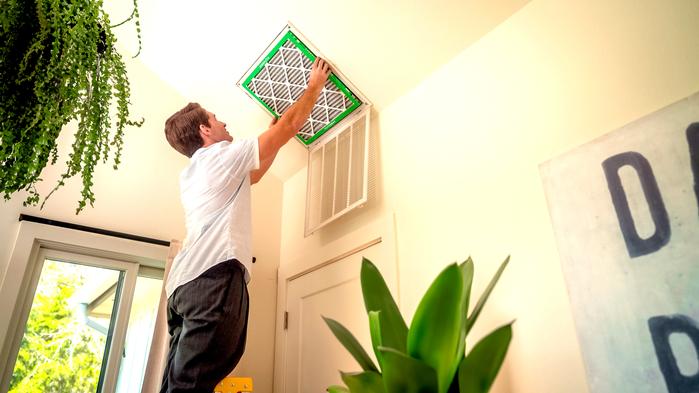
Change Filters Regularly: It is recommended to change HVAC and furnace filters every 1-3 months. It becomes a measure for preventing the circulation of pollutants, keeping efficiency high within the system.
Add Indoor Plants: Indoor plants have been known to promote air purification. Spider and peace lily plants are also said to absorb toxic components in the air while releasing oxygen.
Use Air Purifiers: If you consider buying a purifier, then it's a good idea to invest in good ones. These devices filter the circulating air of dust, pollen, and indoor contaminants.
Ventilate Your Home: Opening windows of your house or workplace overnight, when the weather is good, helps circulate fresh air and removes the old air from the house or workplace. Thus, ventilation also lowers the concentration of indoor pollutants.
Frequently Asked Questions
Are furnace and HVAC filters the same?
Furnace and HVAC filters are interchangeable terms that apply to almost all products. Both seek to keep undesirable airborne particulate matter out of the air handling system and filter dust, pollen, and other undesirable contaminants, safeguarding the units and enhancing indoor air quality.
How much does it cost to replace a residential HVAC filter?
A filter for a residential HVAC system that requires replacement costs an average of $10 to $30. While the higher-efficiency filters or specialty filters are more costly than the standard version, their promise of clean air and added safeguards make them worth the investment.
How often should home HVAC filters be changed?
Home HVAC filters should be changed every one to three months, but this can change based on the type of filter, how often it is used, and the air quality inside the home. They work best and provide the best air quality when they are replaced regularly.
How do I know what HVAC filter to buy?
When choosing the right filter for an HVAC system, check the owner's manual to see what it needs and measure the existing filter. Consider the MERV rating: a higher number means it can trap smaller particles but may make it harder for air to flow.
Do I need both a furnace filter and a return air filter?
In most HVAC systems, you only need one filter, which should be placed at the furnace or in the return air duct. Having more than one filter layer is not helpful because it lowers the energy factor and airflow through the system.
Can I use a furnace filter for my air conditioner?
Yes, you can use the same filter for the furnace and the air conditioner. This is because they usually work together and need the same level of filtration. The airflow stays the same, and the system is protected from changes in the weather during one season or another.
Does it matter what HVAC filter you use?
Yes, because the type of HVAC filter affects how clean the air is, how well the system works, and how long the parts will last. High-rated MERV filters catch more particles but may block airflow, so they need to be replaced more often.
Should you clean or replace HVAC filters?
Typically, the HVAC system's disposable filters must be replaced and the reusable ones cleaned according to the manufacturer's instructions. Maintenance is a method of optimizing the systems' performance and ensuring that the air is clean.
Is HVAC the same as central air?
HVAC stands for Heating, Ventilation, and Air Conditioning, which all control the temperature and airflow. It only refers to air conditioning when you hear "central air." HVAC systems can do heating and cooling with the help of a furnace.
What is the difference between a furnace and an HVAC system?
The furnace is one of the parts of an HVAC system that mainly deals with heating. On the other hand, the furnace, air conditioning, and ventilation of general climate control are all part of HVAC.
Do all HVAC systems have two filters?
You won't find two filters in every HVAC system; most only have one, which is either on the furnace or on the return air duct. A few layers aren't normal and can make air flow hard.
Can I use my HVAC without a filter?
It is discouraged to use your HVAC system without a filter because the circulation of dirt and debris over it leads to efficiency loss and even possible HVAC system damage. Replacing the filter is very important, and ensure you always use a clean filter for the best results.