The moment a wildfire starts near you, you'll get an instant alert and simple tips to reduce your smoke exposure.
30xSmaller than a human hair
Fine enough to reach deep into the lungs. A MERV 13 is built to capture it.
It Doesn't Stay Local
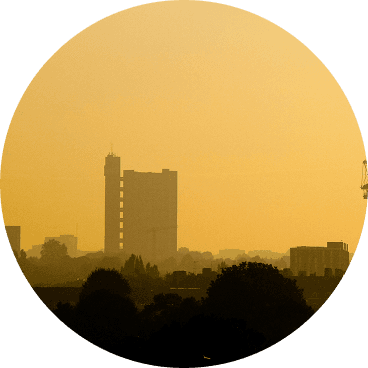
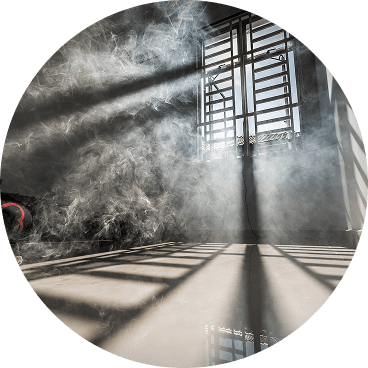
Smoke rides the wind far downwind — you can get smoky air with no fire nearby.
Simple steps to reduce indoor exposure.
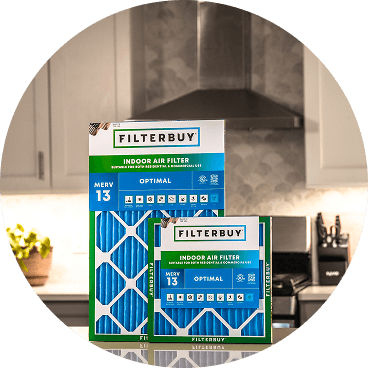
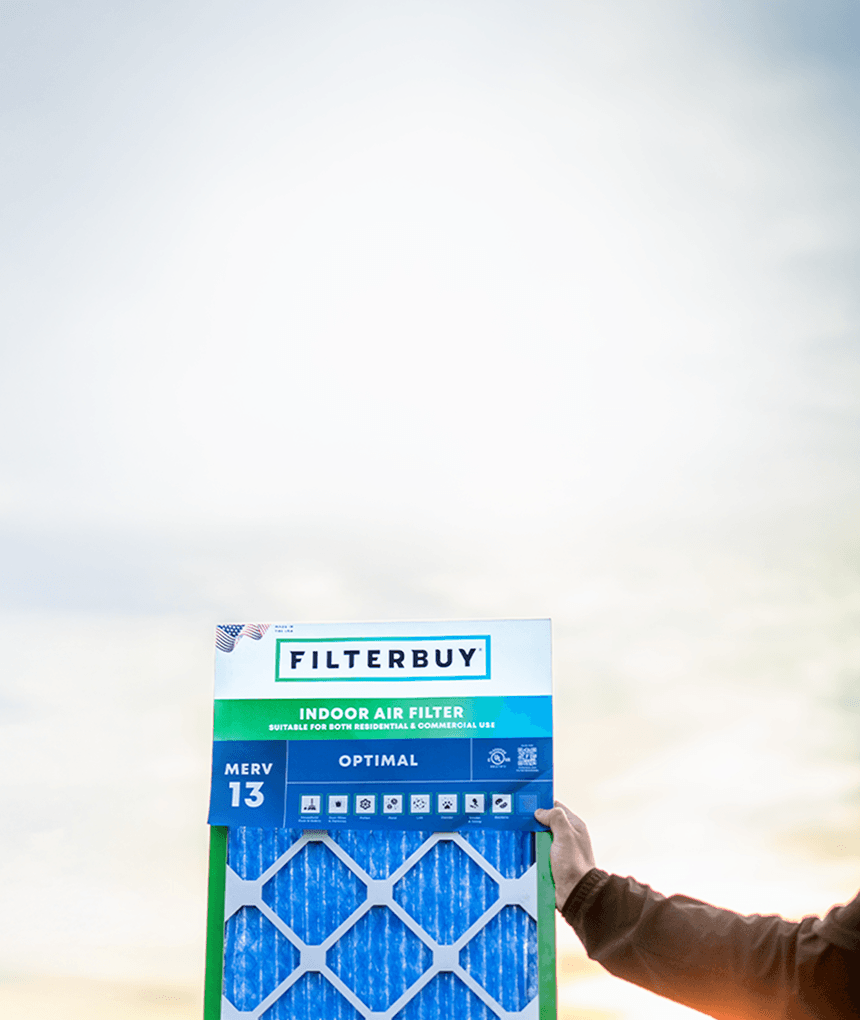
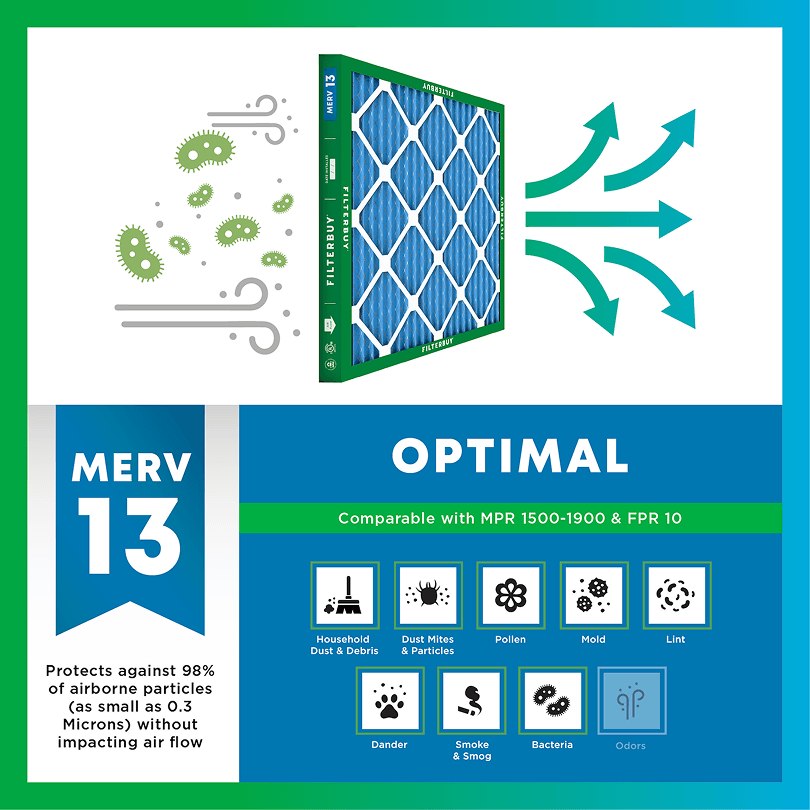
During smoke events, the EPA recommends upgrading to a MERV 13 filter — or the highest-rated filter your system can handle — to help reduce the fine particles smoke brings indoors. MERV 13 is the level most home HVAC systems can run while still capturing PM2.5, the fine particulate that makes up the bulk of wildfire smoke.

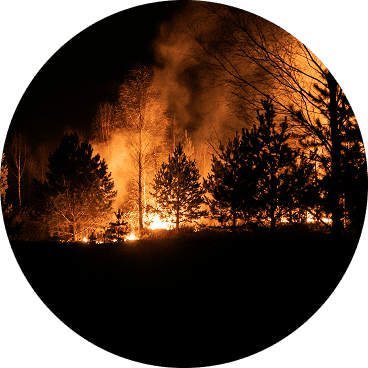
Over 70,000 wildfires burn in the U.S. every year.
Wildfire smoke can travel 1,000+ miles, affecting states that aren't even near the blaze.
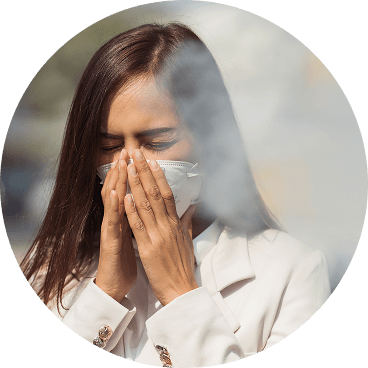
Exposure to wildfire smoke can worsen asthma, trigger heart issues, and lead to ER visits.
Indoor air can hold more fine particles during wildfire events unless it's properly filtered.
The EPA advises using MERV 13 filters or portable HEPA air cleaners during wildfire smoke events.
Use the live wildfire smoke tracker and upgrade your air filters today to protect your lungs and your home.
Shop Filters For Smoke Protection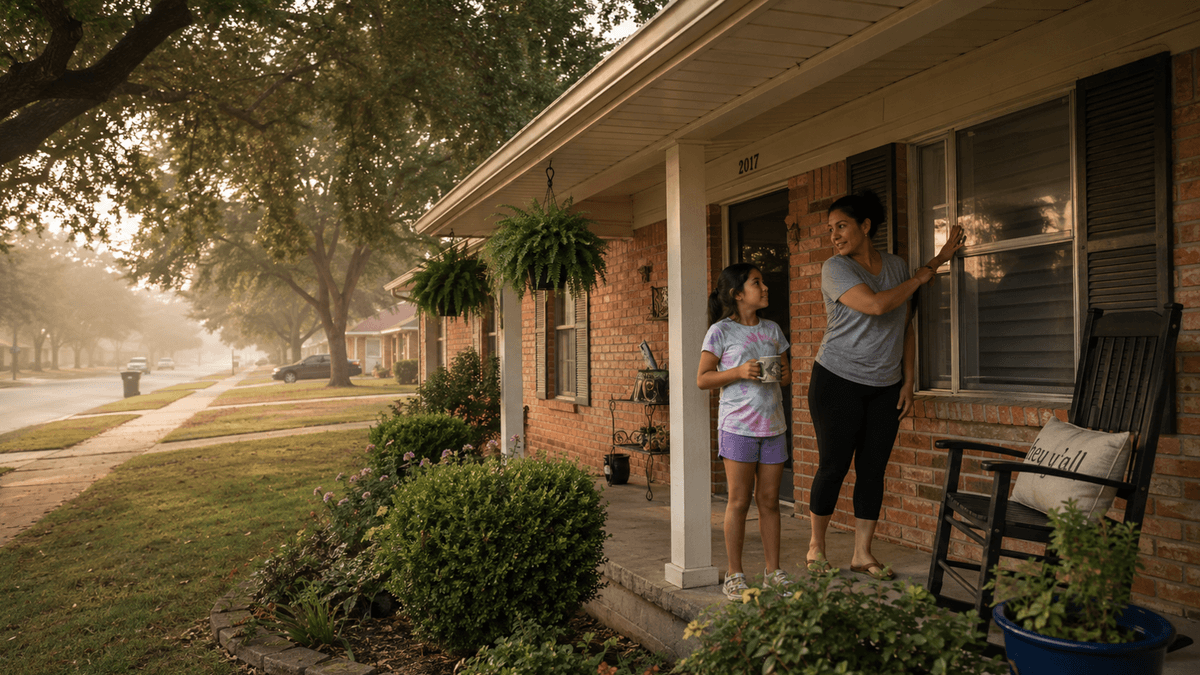
By Michelle Wan, Brand Manager & Air Quality Writer
Reviewed By: David Clark, Licensed HVAC Technician
Published: August 15, 2026 | Updated: August 15, 2026
Garland rarely has a fire burning inside city limits, but it regularly breathes smoke from fires 100 to 300 miles away. Check the live map below and the EPA AirNow Fire and Smoke Map, then act on the AQI number rather than on visible haze. Once smoke arrives, the filter already in your HVAC decides how much of it your family breathes.
The median Garland home was built in 1978. Census ACS data puts the housing stock ahead of modern envelope standards, so smoke works in through gaps newer North Texas homes do not have.
Garland's risk is grass fire, not forest fire. Dallas County sits on prairie and cross timbers, and the bad days are dry and windy with low humidity.
The smoke almost always started somewhere else. Plumes out of West Texas and Oklahoma reach the Metroplex hours before local haze is visible.
Act at Moderate, not at Unhealthy. AQI 51 to 100 is the point to inspect your filter and switch the thermostat fan from AUTO to ON, well before any official advisory.
Usually no. Active wildfire inside Dallas County is uncommon, and what Garland gets instead is smoke carried in from fires burning hundreds of miles away. Use the live map above for current fire detections and plumes, then confirm with these three sources:
Update frequencies reflect each provider's published refresh rate. Regulatory monitors report hourly averages; low-cost sensor networks report faster but with lower accuracy.
Garland has no forest fire regime. Dallas County sits on blackland prairie and cross timbers, and the woodland that remains, including Spring Creek Forest Preserve, covers a small fraction of the land. Local ignition risk is dormant grass on a dry, windy day.
The smoke that fouls Garland's air for a day or more travels to get here, riding the wind from the Panhandle, West Texas, Oklahoma, and in some summers, Canada. So the question is not whether a fire is burning near you. It is what sits upwind, and how leaky your house is.
Act at AQI 51, not at 151. The index runs 0 to 500 and describes outdoor air; here is how each band translates into an indoor decision.
A regional AQI reading averages a wide area, so conditions differ block to block. SharedAirDFW, built at the UT Dallas lab in Richardson next door, refreshes every few seconds instead of hourly.
Because the median Garland home was built in 1978. Closing your windows helps here, but less than it does one county north, and that gap is what most city smoke pages miss. We build filters in Talladega, Alabama, and publish these live maps city by city, and one pattern keeps surfacing: the map is regional, but the exposure is architectural.
Housing from that era predates modern envelope standards, per U.S. Census American Community Survey data for Garland, which shows up as leakage around windows and doors, at attic penetrations, and through return ductwork. Smoke does not need an open window. It uses the gaps already there.
Newer suburbs have the opposite problem. Homes built in the last fifteen years are sealed tight, but many carry a mechanical fresh-air intake that pulls outside air into the return, the wrong job done efficiently on a smoke day. Garland's older stock has no intake to close, so the work falls to filtration and fan runtime. MERV 8 was built for household dust and pollen; wildfire smoke is a different problem.
Modeled infiltration during a smoke event splits homes into three bands: 33% to 44% of the outdoor increase reaches homes with central air and closed windows, 64% to 80% reaches homes with no central air, and 83% to 95% reaches homes with windows open. Here is that read applied to Garland.
Central air, closed windows, built after 2000. You sit at the bottom of the 33%–44% band, and filter rating is the lever that matters most.
Central air, closed windows, built before 1980. The top of that same band, and Garland's median build year of 1978, puts most of the city here. Filter rating matters, and so does running the fan continuously, because the envelope works against you.
No central air or window units. You are in the 64%–80% band, where a portable HEPA unit in one room does more than anything you change about the HVAC.
Windows open. You are at 83%–95%, and nothing else you do matters much until they are shut.
That four-row read is our own application of the bands, not part of the cited research. Most filtration advice assumes every reader is in the first row; in Garland, most are in the second.
The map answers only half the question people are asking. The other half is sitting in their hallway. In a city like Garland, where the typical house is pushing fifty, the age of the building tells you more about what you will breathe tonight than the plume shape does.
Michelle Wan, Brand Manager & Air Quality Writer, Filterbuy
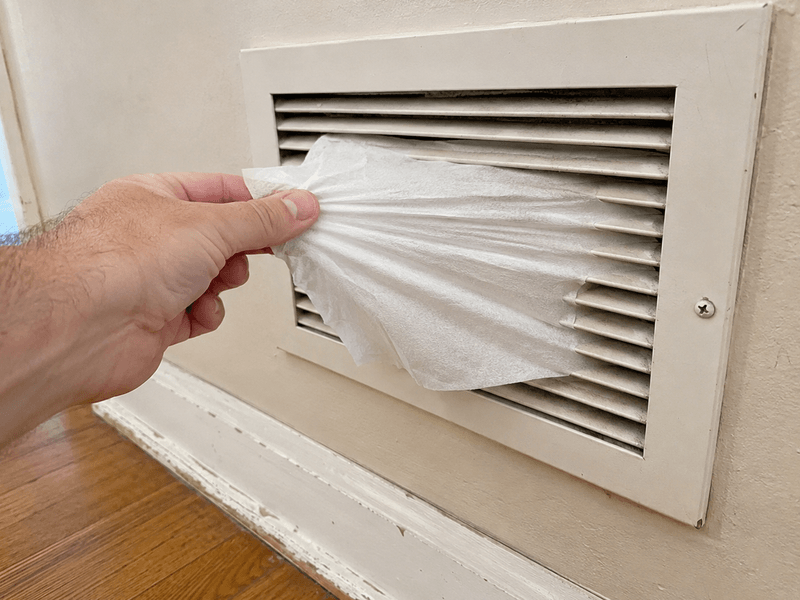
Four free checks tell you whether your house is leakier than its build year suggests.
Hold a tissue to the return grille with the fan running. It should pull flat and stay. Fluttering means the return is moving less air than it should, usually a loaded filter.
Look at the filter slot, not the filter. Gaps around the frame let air slip past the media, so a filter that rattles is doing a fraction of the job.
Check whether the return sits in a closet or wall cavity. In older Garland homes, it often does, and if that cavity opens to the attic, the system draws attic air in unfiltered.
Run your hand along door and window frames on a windy day. What you feel is the path smoke takes.
If any of the first three turn something up, you have a duct or sealing problem no filter upgrade fixes alone. Book an HVAC visit before smoke season, not during it.
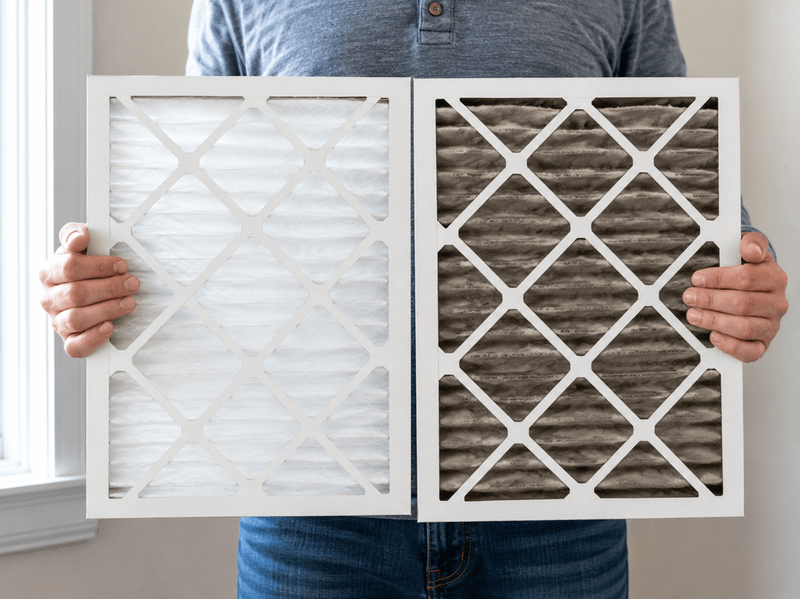
Replace any filter that looks gray or has been in for the past 30 days; move to MERV 13 if you run MERV 8; switch the thermostat fan from AUTO to ON; then shut the windows and fireplace damper.
City of Garland Air Quality and NCTCOG: the city's own page plus regional ozone status and Action Day alerts for DFW.
Garland Fire Marshal's Office: the authority for outdoor burning and fire permits inside Garland city limits.
In a lot of the older homes out here, the return is the weak point. If the duct or plenum is leaking, the system pulls air straight out of the attic and puts it into the house without it ever crossing the filter. On a smoke day, you can run the best filter made and still lose.
David Clark, Licensed HVAC Technician
Even with central air running and the windows shut, 33% to 44% of the outdoor PM2.5 increase still reaches the inside of a home, and that share climbs to 83% to 95% once the windows are open.
Monitoring across 24 public buildings during active smoke events found MERV 13 filters held indoor PM2.5 to a 0.12 indoor-to-outdoor ratio against 0.28 for MERV 8, meaning the lower rating let through more than twice as much fine smoke.
EPA chamber testing with simulated wildfire smoke found that a four-inch MERV 13 raised clean air delivery rate by 123% while dirty filters were almost completely ineffective, so a filter past its life protects about as well as the MERV 8 it replaced.
Start with the live map at the top of this page, then the EPA AirNow Fire and Smoke Map for plumes and hourly AQI, and the Texas A&M Forest Service incident viewer to confirm active fires.
Hundreds of miles. Smoke from the Panhandle, West Texas, and Oklahoma routinely reaches the Metroplex, so Garland can have unhealthy air when nothing is burning in Dallas County.
MERV 8 is not enough. It was built for larger dust and pollen, and monitoring through smoke events found it lets in more than twice the indoor PM2.5 that MERV 13 does. Keep it clean, though: a loaded one protects about as well as a fresh MERV 8. Our MERV 13 vs. HEPA guide compares the two for smoke.
Late winter through spring. Texas fire danger peaks in the dormant season, when freeze-cured grass, low humidity, and strong frontal winds line up. Transported smoke can arrive in any month a large fire burns upwind, and Canadian smoke tends to show up in summer.
Smoke reaches Garland before you can see it, and the filter that protects you is the one already in the wall when it arrives, not the one you order that afternoon. We build MERV 13 filters in the USA in 600+ sizes plus custom, shipped free and factory-direct. You can also apply for an air filter subscription for on-time replacements.
AQI: EPA's 0 to 500 scale for outdoor air and the health effects to expect.
PM2.5: Fine particulate 2.5 micrometers or smaller, the dominant pollutant in wildfire smoke.
AirNow Fire and Smoke Map: the EPA and U.S. Forest Service map of fires, plumes, and sensor readings.
MERV: Minimum Efficiency Reporting Value, the 1–16 filter scale. MERV 13 is EPA's level for smoke.
TCEQ: Texas Commission on Environmental Quality, which operates state air monitors and metro forecasts.
Subscribe to wildfire smoke alerts for Garland, TX, to get a heads-up before the next event reaches your area.