
Montana Live Wildfire Smoke Map
Get Alerts For Wildfires In Your Area
The moment a wildfire starts near you, you'll get an instant alert and simple tips to reduce your smoke exposure.
What's In The Smoke
30xSmaller than a human hair
Fine enough to reach deep into the lungs. A MERV 13 is built to capture it.
How Far It Travels


It Doesn't Stay Local
Smoke rides the wind far downwind — you can get smoky air with no fire nearby.
What To Do During A Smoke Event
Simple steps to reduce indoor exposure.
- Stay In, Close UpShut windows and doors to keep smoke out.
- Set Fan To "On"Keeps air cycling through your filter, not just when heating or cooling.
- Recirculate AirSwitch off fresh-air intake so you're not pulling smoke in.
- Run A MERV 13Built to capture the fine PM2.5 in smoke.
- Add A PurifierExtra filtration for the room you use most.
- Wear an N95 if OutsideFits snug to block fine particles — a cloth mask won't.


The Best Air Filter For Wildfire Smoke
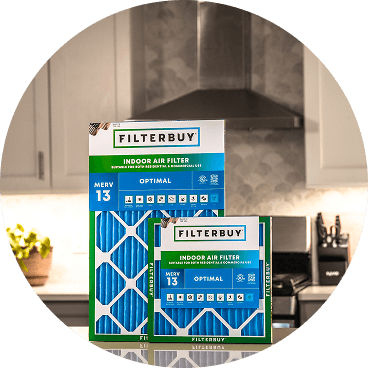
During smoke events, the EPA recommends upgrading to a MERV 13 filter — or the highest-rated filter your system can handle — to help reduce the fine particles smoke brings indoors. MERV 13 is the level most home HVAC systems can run while still capturing PM2.5, the fine particulate that makes up the bulk of wildfire smoke.
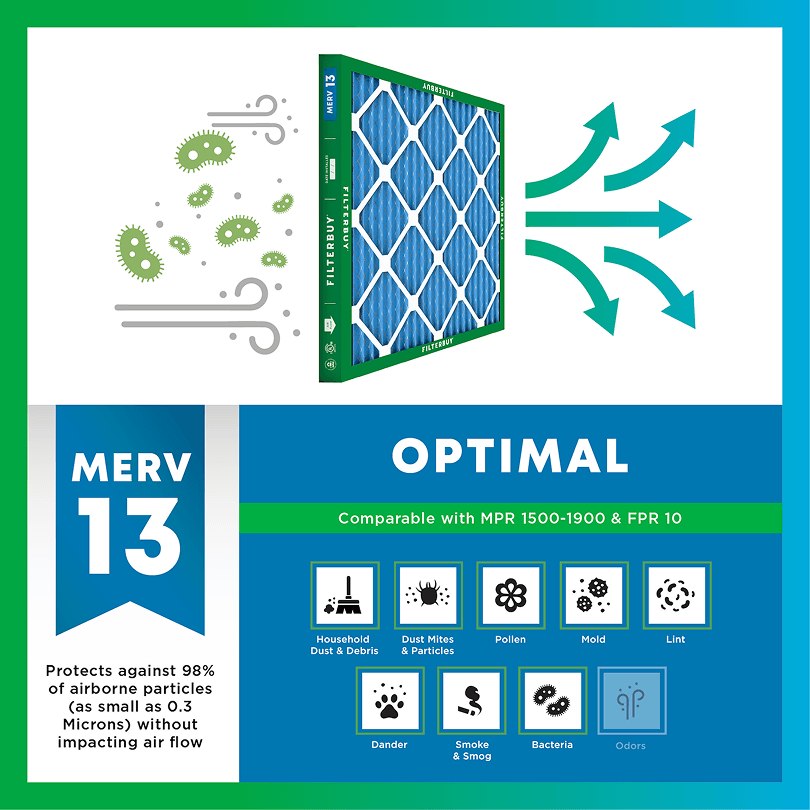
- Captures PM2.5 particles
- Blocks ash, soot, and smoke odor
- Keeps your indoor air safe—even when the outdoor air is dangerous
- Meets the EPA's recommended rating for filtering fine wildfire smoke particles.

Wildfire Smoke FAQs
Facts About Wildfires
Over 70,000 wildfires burn in the U.S. every year.
Wildfire smoke can travel 1,000+ miles, affecting states that aren't even near the blaze.
Exposure to wildfire smoke can worsen asthma, trigger heart issues, and lead to ER visits.
Indoor air can hold more fine particles during wildfire events unless it's properly filtered.
The EPA advises using MERV 13 filters or portable HEPA air cleaners during wildfire smoke events.
Don't Wait Until The Smoke's Inside.
Use the live wildfire smoke tracker and upgrade your air filters today to protect your lungs and your home.
Shop Filters For Smoke Protection
Live Wildfire & Smoke Map in Montana Today - Track Active Fires and Air Quality
Montana air can shift quickly during fire season. Smoke can come from local wildfires, lightning starts in nearby forests, or large fires in Idaho, Washington, and Canada. It can also settle overnight in mountain valleys and hang there the next morning, pushing air quality into ranges that trigger health alerts.
In this blog, we will show you how to check live smoke in your area today, what that means for outdoor activity, and how to keep indoor air cleaner.
Takeaways
Check the AirNow Fire and Smoke Map and Montana DEQ’s “Today’s Air” page in the morning and again later in the day. You will see current air quality, fire locations, and smoke plumes, not just forecasts.
When air quality reaches unhealthy levels, Montana public health guidance is to limit strenuous outdoor activity, keep kids and people with heart or lung issues indoors more, and move practice or work inside if you can.
Indoors, keep windows and doors closed, run A/C or HVAC on recirculate, and use the highest MERV filter your system can handle. A portable HEPA purifier or DIY box fan filter can help create one cleaner room.
How to Check Live Smoke in Montana
Use two sources together:
The AirNow Fire and Smoke Map. You can search by town name or ZIP code or just pan and zoom. The map shows current particle pollution (PM2.5), color coded by the Air Quality Index (AQI), plus active fire locations and where smoke plumes are moving. Clicking a monitor or sensor gives local conditions and health recommendations.
Montana DEQ’s “Today’s Air.” This page shows hourly PM2.5 readings across the state and links to DEQ smoke forecasts. During wildfire season, DEQ explains which fires are creating the smoke, how long it may last, and which counties are under air quality alerts.
Check more than once. Montana DEQ notes that smoke can blow in from Montana, nearby states, and Canada, and air can move from Moderate to Unhealthy within hours.
How Wildfire Smoke Behaves in Montana
Western Montana sits in mountain valleys. Overnight and early morning, cooler air can trap smoke low to the ground instead of letting it rise and clear. This “pooling” effect can keep valleys like Missoula smoky even when hillsides above look clearer. Local air quality specialists warn that smoke can drain into lower areas in the evening and collect there by morning.
At the same time, Montana also gets long range transport. State coverage in late August and early September 2025 showed that PM2.5 in parts of Montana was coming from multiple fires, including fires in other states and from Canada. On those days, people were advised to limit outdoor activity and monitor symptoms, even if they could not see flames nearby.
When air quality reaches Unhealthy for Sensitive Groups or Unhealthy, public health messaging in Montana tells residents to stay indoors more, avoid heavy outdoor work, and move sports or practices inside. Kids, older adults, people with asthma, heart disease, or other breathing issues are considered higher risk.
Indoor Air Steps
These steps follow current wildfire smoke guidance from EPA, Montana DEQ, and county health departments.
1. Keep outside air out
Close windows and doors. Run A/C or central air on recirculate so you are not constantly pulling smoky outdoor air inside. If your system has a fresh air intake, keep it closed during heavy smoke.
2. Run the fan so air keeps passing through the filter
Set the thermostat fan to “On,” and not Auto. This keeps air moving through the filter and can help reduce indoor particles. Check the filter often when smoke is present.
3. Use a higher MERV filter if your system can handle it
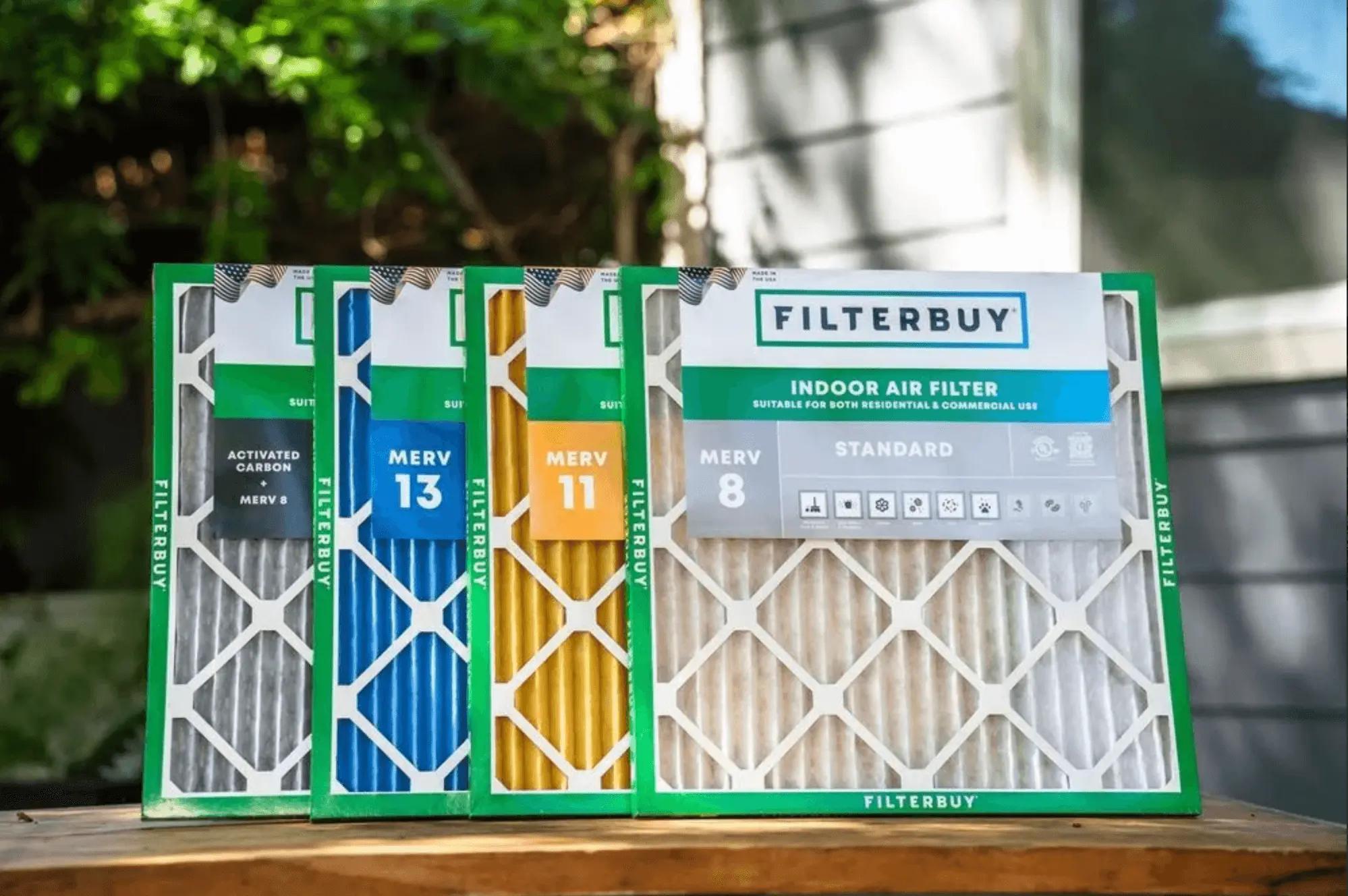
Many homes run a basic filter most of the year. During wildfire smoke, agencies recommend stepping up to a higher efficiency filter, such as MERV 11 or MERV 13, if your system can keep normal airflow and comfort. Higher MERV filters are better at capturing the fine particles in smoke.
4. Create one cleaner room
Pick a bedroom or main living area. Keep that door closed and run a portable True HEPA air purifier there. If you do not have a HEPA unit, wildfire smoke programs in Montana also promote a DIY option made from a newer box fan and a high efficiency filter taped to the intake. That gives you at least one place in the home with cleaner air when outside air is poor.
5. Watch indoor heat
If you do not have air conditioning, staying inside with windows closed can get too hot. Local health departments in Montana tell residents to move to an air-conditioned space or a cooling center if the house becomes uncomfortably warm.
Staying Safe Outside
When air quality is poor, try to move heavy outdoor work, workouts, or sports to cleaner hours or move them indoors. Montana guidance for schools and youth sports says to move practice inside or cut intensity when smoke levels rise.
If you must stay outside in thick smoke, use a well-fitting N95 or P100 respirator. These are made to seal to the face and filter fine smoke particles. Cloth masks and loose surgical masks do not filter wildfire smoke the same way.
Pay attention to symptoms. Cough that does not calm down, chest tightness, trouble breathing, dizziness, or feeling wiped out are signs to stop, get to cleaner air, cool down, and rest. Seek medical help if symptoms continue. Montana agencies warn that wildfire smoke can irritate lungs and strain the heart.
When driving, keep the windows up and set the car A/C to recirculate. That helps keep smoky air out of the cabin while you travel to a cleaner area.
Filter Checks and Replacement
Do not assume your normal 60-day or 90-day filter schedule will hold during fire season. Pull the HVAC filter and look at it.
Replace the filter early if:
The media looks dark or matted
The house smells smoky
Airflow from your vents feels weak
Agencies note that wildfire smoke can load filters faster than normal and you may need to replace sooner until outdoor air improves.
Do the same for any portable HEPA purifier or DIY box fan filter. If the intake side is visibly coated, change it.
Order Filters for Smoke Days from Filterbuy
Filterbuy makes pleated HVAC and A/C filters in higher performance MERV ratings, including MERV 11 and MERV 13, to help capture fine airborne particles from smoke. You can choose standard or custom sizes for a tight fit, so air does not leak around the frame. Odor control options add activated carbon for smoke smell. Filters are made in the USA and ship fast with free U.S. delivery. Auto Delivery keeps replacements coming so you are not stuck with a clogged filter during Montana fire season.
FAQs
1. How can I see current smoke and fire conditions in Montana?
Check the AirNow Fire and Smoke Map and Montana DEQ’s “Today’s Air.” Those two together show where fires are, where the smoke is moving, and what the air quality is right now.
2. Why is it so smoky in the valley in the morning?
Smoke sinks and settles in mountain valleys overnight. It can collect in places like Missoula and stay trapped near the ground until wind or sun lifts it.
3. When should I change my outdoor plans?
If air quality reaches “Unhealthy for Sensitive Groups,” kids, older adults, and people with asthma or heart or lung issues should stay indoors more and avoid hard outdoor activity. If it reaches “Unhealthy,” everyone should cut back outdoor work and workouts.
4. I don’t have an air monitor near me. How can I tell if the air is bad?
Use visibility. If you can’t clearly see a landmark about three miles away, the air is considered unhealthy for sensitive groups. If you can’t see one mile out, it’s unhealthy for everyone.
5. Can kids still practice sports outside when it’s smoky?
Schools and health agencies in Montana tell coaches to move practice inside or keep activity light when smoke pushes air quality into the unhealthy ranges.
6. What should I do inside when the smoke is bad?
Close windows and doors. Run A/C or HVAC on recirculate. Let the fan run so air keeps moving through the filter. Use the highest MERV filter your system can handle and run a HEPA purifier (or a box fan with a high-efficiency filter) in one room.
7. My house doesn’t have A/C. Is sealing the house still safe?
Only if it doesn’t get too hot. If the house heats up when you close the windows, move to an air-conditioned location with cleaner air.
8. Do masks help outside?
A snug N95 or P100 that seals to your face can help filter wildfire smoke. Loose cloth or paper masks don’t.
9. How often should I change filters during fire season?
Check more often than your normal 60 or 90 days. If the filter looks dark or clogged, the house smells smoky, or airflow from vents is weak, replace it.
10. What should I do in the car on smoky days?
Keep the windows up. Set the car’s air to recirculate. Keep inhalers or other breathing meds with you if you use them.