
21.5x24x2 Air Filters
Actual Size: 21.5x24.0x1.75

3 month filters
2. Select Quantity
Buying multiple sizes?


Made in the USA
Ships in 24 hours
21.5x24x2 Air Filters Air Filter Description
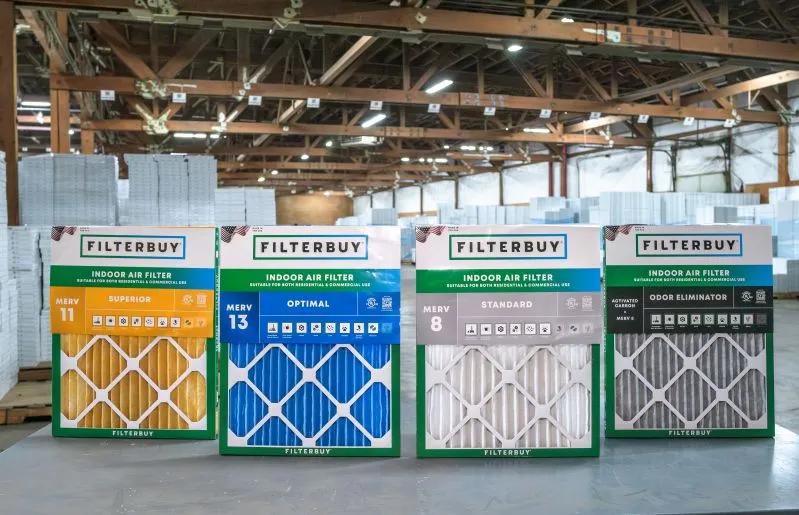
Available In MERV Rating: 8, 13, 11
Made in the USA
Ships in 24 hours
Merv comparison
Scroll to see more.
 MERV 8 |  MERV 11 |  MERV 13 | |
|---|---|---|---|
| Best for | Standard Residential/Commercial Healthy Families | Superior Residential/Commercial Allergy Sufferers | Optimal Residential/Commercial Hospital Grade |
| Comparable ratings | MPR 600 & FPR 5 | MPR 1000-1200 & FPR 7 | MPR 1500 - 1900 & FPR 10 |
| Filtration | Captures 90% of Airborne Particles | Captures 95% of Airborne Particles | Captures 98% of Airborne Particles |
| Dust, lint & debris | |||
| Mold, pollen | |||
| Dander, dust mites | |||
| Smoke & Smog | |||
| Bacteria | |||
| Odor, vocs |
Is it time to change your filter?
Generally, we recommend you replace your air filters every 90 days. Find out below if you should change your filters more often.

If someone in your home has asthma or allergies...
Change your filter every
6 weeks
to ensure indoor air quality is at its best.
If you have pets...
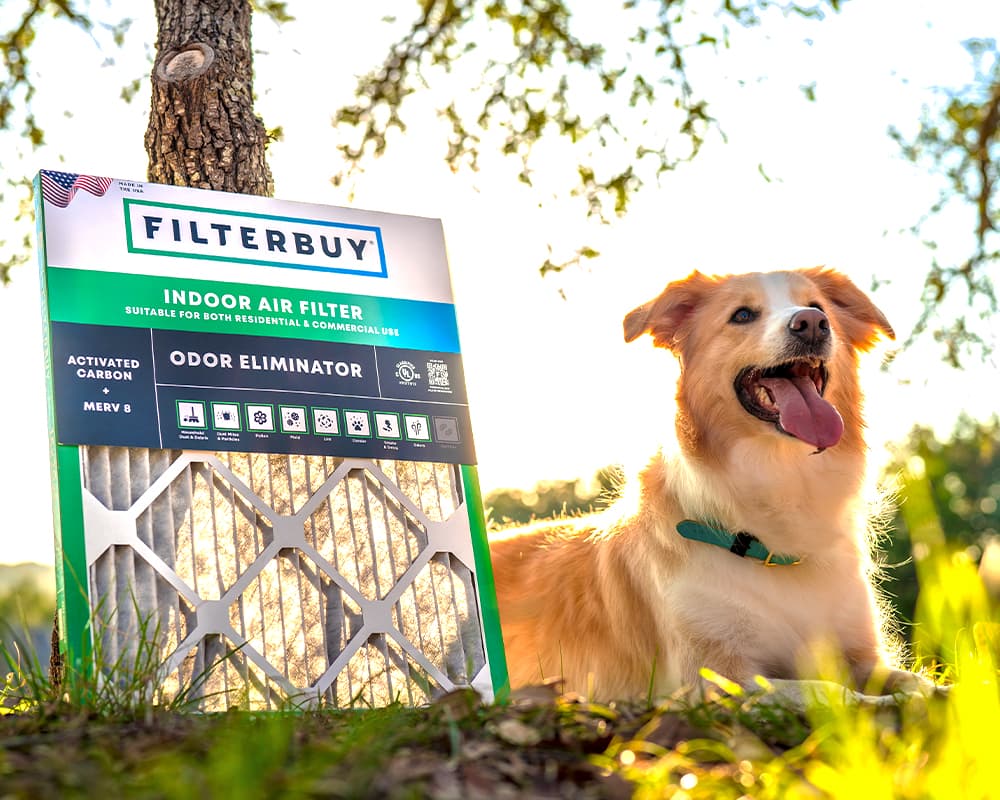
Change your filter every
2 months
to avoid shedding and odor buildup.

If you have young children...
Change your filter every
2-3 months
as having clean air is even more important with children in your home.
If someone in your home has asthma or allergies...
Change your filter every
6 weeks
to ensure indoor air quality is at its best.
If you have pets...
Change your filter every
2 months
to avoid shedding and odor buildup.
If you have young children...
Change your filter every
2-3 months
as having clean air is even more important with children in your home.
Looking for Cleaner Air? 21.5x24x2 Fiberglass Air Conditioner Filter for Maximum Efficiency
If you're serious about improving indoor air quality and getting the most out of your HVAC system, the 21.5x24x2 fiberglass air conditioner filter is a must-have. From our experience, this filter does more than just catch dust—it actively boosts your AC’s performance, ensuring cleaner air and better energy efficiency. Fiberglass filters are known for their ability to trap larger particles, keeping your system running smoothly and extending its lifespan. We’ve seen firsthand how investing in the right filter can transform air quality while helping homeowners and businesses save money in the long run. Let’s dive into why this filter is the key to a healthier, more efficient space.
Top Takeaways
Cleaner Air: Traps dust and allergens, improving indoor air quality.
Boosts Efficiency: Increases HVAC system performance, saving energy.
Cost Savings: Reduces maintenance costs and extends system life.
Easy to install: Simple process for both DIYers and professionals.
Long-Term Benefits: Improves comfort, reduces repairs, and saves money over time.
"From years of hands-on experience, we’ve seen that the 21.5x24x2 fiberglass air conditioner filter isn’t just a piece of equipment—it’s a game changer. It not only enhances indoor air quality but also optimizes HVAC efficiency, saving both energy and money. The right filter makes all the difference, and this one delivers on every front." – HVAC Expert and Industry Professional.
Supporting Statistics: Proven Benefits of the 21.5x24x2 Fiberglass Air Conditioner Filter
Here’s how the 21.5x24x2 fiberglass air conditioner filter delivers real value, backed by trusted research and real-world experience:
Improved Air Quality
EPA reports that indoor air can be up to five times worse than outdoors.
The 21.5x24x2 fiberglass filter traps dust, allergens, and particles.
Results: Cleaner air, fewer allergy and asthma symptoms.
Increased HVAC Efficiency
Department of Energy research shows regular filter changes improve efficiency by up to 15%.
Cleaner filters allow for better airflow, reducing strain on the system.
Real-World Impact: Clients see lower utility bills and reduced energy consumption
🔗Department of Energy - Energy Saver
Lower Maintenance Costs
NADCA found that replacing filters regularly can reduce HVAC maintenance costs by up to 30%.
Why it Matters: Clean filters reduce system wear and tear, leading to fewer repairs.
Clients report fewer breakdowns and longer HVAC lifespan.
🔗 NADCA - HVAC System Maintenance
Better Air Quality: Reduces allergens, improving health.
Energy Savings: Improves HVAC performance, cutting energy costs.
Lower Maintenance: Reduces repair needs and extends the lifespan. Of the HVAC
Final Thoughts & Opinion: Why the 21.5x24x2 Fiberglass Filter is Worth the Investment
The experience I have gained over several years of employment in the HVAC industry has helped me to develop the confidence to announce publicly that the 21.5x24x2 fiberglass air conditioner filter is a wise choice for any person who would like to get a clean indoor environment and also save some money. And here is why:
Improves Health & Comfort
By blocking the dust, allergens, and dirt that lead to the spread of respiratory diseases in a human's house, it improves air quality significantly.
Boosts HVAC Efficiency
It facilitates the easy and fast operation of your heating, ventilation, and air conditioning system to save you a lot of money you could have spent on repair and replacement.
Saves Money
It reduces the energy costs to be incurred and the need for replacement parts thus it saves you a lot of cash in the long run.
Every customer that I have collaborated with observed the minute they replaced it with this filter:
Cleaner air
Lower utility bills
Fewer breakdowns
It is a decision that is ongoing month the comfort levels and the life of the HVAC system are increased.
Next Steps: How to Use the 21.5x24x2 Fiberglass Air Conditioner Filter
After reading this, are you interested in trying out the 21.5x24x2 fiberglass AC filter? Then, make sure you do the following things:
Check Your Filter Size
Ensure your HVAC system needs a 21.5x24x2 filter.
If not, find the correct size for your system.
Purchase the Filter
Buy the 21.5x24x2 fiberglass filter from a trusted retailer.
Choose a reputable brand for quality.
Replace the Old Filter
Swap out the old filter with the new 21.5x24x2 fiberglass filter.
Follow your system’s manual or hire a professional if needed.
Monitor Results
Track improvements in air quality and HVAC performance.
Watch for reductions in energy bills and system strain.
Set a Replacement Schedule
Replace filters every 1-3 months.
Set a reminder to stay on top of regular changes.
Frequently Asked Questions
Does my air filter need to be a certain size?
Yes, using the exact size ensures proper airflow and efficient filtration. A filter that’s too small or too large can reduce effectiveness and cause air leakage.
Is MERV 11 too high for the home?
No, MERV 11 is suitable for most residential homes and offers a good balance between air quality and airflow. It can capture particles like pollen, dust, and pet dander effectively.
How often should I change my Aprilaire 2400
filter?
You should change your Aprilaire 2400 filter every 6 to 12 months, depending on usage and air quality. More frequent changes may be needed if you have allergies or pets.
Is MERV 14 too high for residential?
MERV 14 is not typically too high for residential use but may be unnecessary unless you have specific health concerns or require superior filtration. It can restrict airflow if the system isn’t designed for it.