
13.25x17.75x1 Air Filters
Actual Size: 13.25x17.75x0.75

3 month filters
2. Select Quantity
Buying multiple sizes?


Made in the USA
Ships in 24 hours
13.25x17.75x1 Air Filters Air Filter Description
Available In MERV Rating: 13, 11, 8
Made in the USA
Ships in 24 hours
Merv comparison
Scroll to see more.
 MERV 8 |  MERV 11 |  MERV 13 | |
|---|---|---|---|
| Best for | Standard Residential/Commercial Healthy Families | Superior Residential/Commercial Allergy Sufferers | Optimal Residential/Commercial Hospital Grade |
| Comparable ratings | MPR 600 & FPR 5 | MPR 1000-1200 & FPR 7 | MPR 1500 - 1900 & FPR 10 |
| Filtration | Captures 90% of Airborne Particles | Captures 95% of Airborne Particles | Captures 98% of Airborne Particles |
| Dust, lint & debris | |||
| Mold, pollen | |||
| Dander, dust mites | |||
| Smoke & Smog | |||
| Bacteria | |||
| Odor, vocs |
Is it time to change your filter?
Generally, we recommend you replace your air filters every 90 days. Find out below if you should change your filters more often.

If someone in your home has asthma or allergies...
Change your filter every
6 weeks
to ensure indoor air quality is at its best.
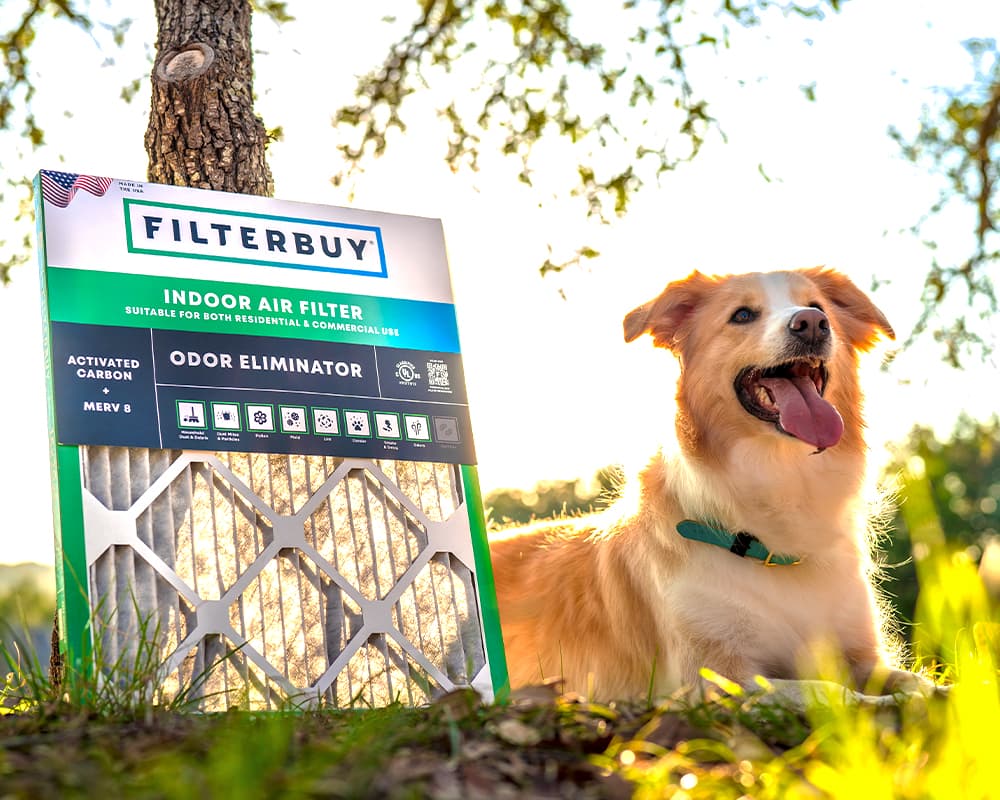
If you have pets...
Change your filter every
2 months
to avoid shedding and odor buildup.

If you have young children...
Change your filter every
2-3 months
as having clean air is even more important with children in your home.
If someone in your home has asthma or allergies...
Change your filter every
6 weeks
to ensure indoor air quality is at its best.
If you have pets...
Change your filter every
2 months
to avoid shedding and odor buildup.
If you have young children...
Change your filter every
2-3 months
as having clean air is even more important with children in your home.
Avoid These Mistakes! Best Installation Tips for 13.25x17.75x1 Pleated Air Filter to Protect Your System Year-Round
Expert Tips from Filterbuy: Avoid These Common Pitfalls When Installing Your 13.25x17.75x1 Pleated Air Filter
Over the years at Filterbuy, we’ve seen firsthand how small installation missteps with a 13.25x17.75x1 pleated air filter can silently sabotage even the most efficient HVAC systems. From filters being installed backwards to air leaks caused by poor fits, these aren’t just rookie mistakes—they’re common oversights that lead to airflow restriction, higher energy bills, and premature system wear. In this guide, we’re sharing field-tested advice drawn from customer feedback, HVAC technician insights, and thousands of installation scenarios. You’ll learn exactly what to avoid—and what to do instead—to ensure your system performs at its best through every season.
📝 Top Takeaways: What You Need to Know
Proper Installation is Key: Ensure your 13.25x17.75x1 pleated filter is installed correctly for optimal airflow and efficiency.
Regular Replacements are Essential: Change your filter every 60–90 days, or sooner if you have pets or allergies.
Size Matters: Always check the exact filter size (13.25x17.75x1) to avoid airflow issues and system strain.
High-Efficiency Filters Save Money: A pleated filter improves air quality, reduces strain on the system, and can lower energy bills.
Small Mistakes Can Be Costly: Even small errors like installing the filter backwards or using the wrong size can lead to higher costs and repairs.
Filterbuy’s Proven Guide: Install Your 13.25x17.75x1 Filter the Right Way—Skip These Costly Mistakes
Installing your 13.25x17.75x1 pleated air filter isn’t just about popping it into place—it’s about ensuring your HVAC system runs smoothly, efficiently, and safely. At Filterbuy, we’ve supported thousands of homeowners and technicians, and we’ve pinpointed the most common installation mistakes to avoid:
🔁 Mistake #1: Installing the Filter Backwards
Air filters are directional—installing them against the airflow reduces efficiency. Always follow the arrow on the frame to align it properly with your system’s airflow.
📏 Mistake #2: Using the Wrong Filter Size
Close enough isn’t good enough. A filter that’s even slightly off in size can allow unfiltered air to bypass, leading to dust buildup and strain on your system. Measure your housing precisely and stick with the exact 13.25x17.75x1 dimension.
📉 Mistake #3: Skipping Regular Replacement
Even the best pleated filters lose performance over time. Based on what we’ve seen in real homes, changing this filter every 60–90 days keeps indoor air clean and energy bills in check.
🔧 Filterbuy Pro Tip:
Before installing, turn off your HVAC system to avoid pulling unfiltered air through the system. Then, slide the filter in snugly—no bending or forcing—so it seals the edges properly.
By avoiding these mistakes and following our expert-backed tips, you’ll extend your system’s lifespan, improve air quality, and stay comfortable year-round.
🧪 Real-World Lessons from Filterbuy: Avoid These Common Filter Mistakes
We’ve worked with thousands of homeowners and HVAC pros. These real examples highlight the most common issues and how to fix them.
1. Wrong Filter Direction = Higher Energy Bills
📍 Location: Gulf Breeze, FL
The filter was installed backwards.
Led to reduced airflow and a 25% increase in energy bills.
The customer noticed system noise and dust buildup.
After the correction, airflow improved and bills dropped.
✅ Tip: Always follow the airflow arrow on the filter frame.
2. Slight Size Mismatch = Costly Repair
📍 Location: Atlanta, GA
The homeowner used 13x17.5x1 instead of 13.25x17.75x1.
Result: air leakage around the filter.
Caused strain on the blower motor—$800 to replace.
✅ Tip: Always match your exact filter size. “Close enough” isn’t good enough.
3. Proper Fit = Cleaner Air & Better Health
📍 Location: Austin, TX
The pet owner switched from low-quality fiberglass to our pleated filter.
Noticed less dust, easier breathing, and fewer allergy symptoms.
Reported visible results after the first cycle.
✅ Tip: High-quality, correctly sized filters improve both system performance and indoor air quality.
💡 Filterbuy Insight:
These issues come up all the time—and they’re preventable. That’s why we manufacture exact-fit filters in uncommon sizes and offer expert support based on real-world experience.
Make the right choice now to protect your system and your air, year-round.
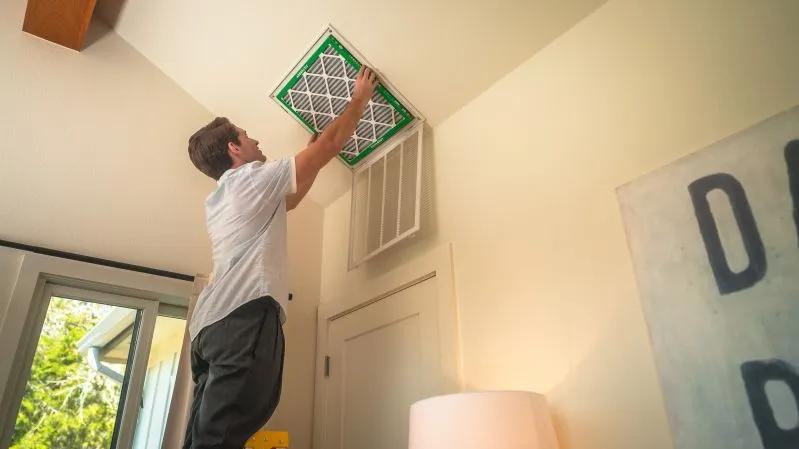
"In our years of experience, we've seen firsthand how small details—like proper filter installation—make all the difference in system efficiency and air quality. A simple mistake can lead to higher energy bills and costly repairs, but with the right filter and installation, you’re investing in long-term savings, comfort, and healthier air for your home."
📊 Supporting Statistics: Why Proper Filter Installation Makes a Big Difference
Here’s what the data—and our experience—say about the importance of proper filter installation:
1. 🏠 Indoor Air Quality Is Often Worse Than Outdoor Air
EPA reports that indoor air can be 2–5 times more polluted than outdoor air.
Poor HVAC maintenance contributes to poor indoor air quality.
We’ve seen customers report noticeable improvements in air quality with better filtration.
🔗 Source – EPA Indoor Air Quality
2. ⚠️ HVAC Systems Are Major Energy Consumers
48% of home energy use comes from HVAC systems (U.S. Department of Energy).
Dirty or improperly installed filters force systems to work harder, leading to higher energy bills.
Filterbuy customers regularly save hundreds on energy costs after correcting filter issues.
🔗 Source – U.S. Department of Energy
3. 💸 Improper Filter Installation Causes 15% More Energy Waste
Airflow issues due to improper filter fit lead to significant energy loss (Building Performance Institute).
Customers report noticeable system efficiency improvements and lower bills after fixing filter problems.
🔗 Source – Building Performance Institute
💭 Final Thoughts & Expert Opinion: Why Proper Filter Installation Matters
From Our Experience:
Many customers try to save money with cheaper filters, only to face higher bills and costly repairs later.
Investing in the right filter from the start, along with proper installation, ends up saving you money in the long run.
Proper filter care improves air quality, reduces strain on your system, and boosts energy efficiency.
Proper filter installation is a simple but powerful way to protect your home’s comfort and efficiency. With Filterbuy’s expert tips and products, we make it easier for you to get it right every time.
📝 Next Steps: What to Do Next for Your HVAC System
Follow these simple steps to protect and optimize your HVAC system:
1. Check Your Filter Size
Action: Measure your current filter or check the size on the frame (13.25x17.75x1).
Why: Ensure a proper fit to prevent air leaks and ensure efficiency.
2. Install the Filter Correctly
Action: Align the arrow on the filter frame with the airflow direction.
Why: Proper installation ensures optimal airflo
3. Replace Your Filter Regularly
Action: Replace your filter every 60–90 days.
Why: Keep air clean and system running efficiently.
4. Upgrade to a Higher-Quality Filter
Action: Consider switching to a pleated filter for better performance.
5. Get Expert Help if Needed
Action: Contact Filterbuy for installation tips or product advice.
Why: Our team is here to help you get it right.
Take action today by checking your filter size and installing it properly to ensure smooth HVAC performance.
❓ Frequently Asked Questions
1. What is a 13.25x17.75x1 pleated air filter?
A 13.25x17.75x1 pleated air filter is a specific size of air filter designed for HVAC systems. The dimensions refer to the filter's length (13.25 inches), width (17.75 inches), and thickness (1 inch). The pleated design increases surface area, improving filtration efficiency by trapping dust, allergens, and other particles from the air.
2. Why should I choose a pleated air filter over a fiberglass filter?
Pleated air filters are more efficient than fiberglass filters because their design provides more surface area for trapping dust, pollen, and other particles. This leads to better air quality and helps your HVAC system run more efficiently, reducing strain and saving energy. Pleated filters also last longer and need to be replaced less frequently.
3. How often should I replace my 13.25x17.75x1 pleated air filter?
You should replace your 13.25x17.75x1 pleated air filter every 60–90 days, depending on factors like air quality, the number of pets in your home, and the frequency of HVAC usage. Homes with pets or allergy sufferers may need more frequent replacements.
4. Can I use a 13.25x17.75x1 pleated air filter in any HVAC system?
No, it’s essential to use the correct size filter for your HVAC system. Using the wrong size—whether too large or too small—can cause air leaks, reduced airflow, and strain on the system. Always check your system's specifications to ensure you’re using the proper size filter.
5. What are the benefits of using a high-efficiency pleated air filter like the 13.25x17.75x1?
A high-efficiency pleated air filter helps to capture smaller particles, improve indoor air quality, reduce allergens, and extend the lifespan of your HVAC system. It also enhances energy efficiency by ensuring proper airflow and reducing the load on the system, ultimately saving you money on energy bills.