
Kansas Live Wildfire Smoke Map
Get Alerts For Wildfires In Your Area
The moment a wildfire starts near you, you'll get an instant alert and simple tips to reduce your smoke exposure.
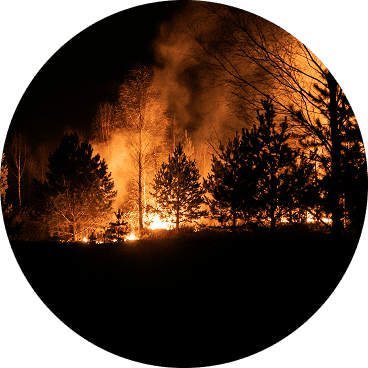
What's In The Smoke
30xSmaller than a human hair
Fine enough to reach deep into the lungs. A MERV 13 is built to capture it.
How Far It Travels


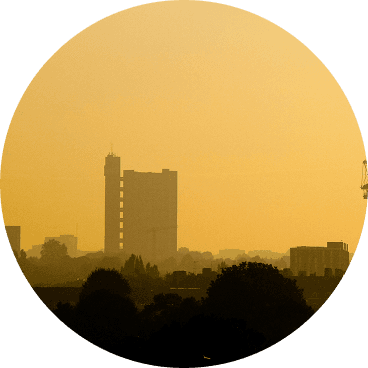
It Doesn't Stay Local
Smoke rides the wind far downwind — you can get smoky air with no fire nearby.
What To Do During A Smoke Event
Simple steps to reduce indoor exposure.
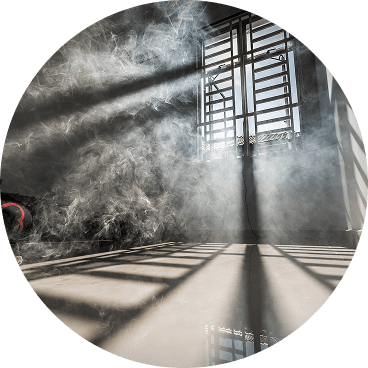
- Stay In, Close UpShut windows and doors to keep smoke out.
- Set Fan To "On"Keeps air cycling through your filter, not just when heating or cooling.
- Recirculate AirSwitch off fresh-air intake so you're not pulling smoke in.
- Run A MERV 13Built to capture the fine PM2.5 in smoke.
- Add A PurifierExtra filtration for the room you use most.
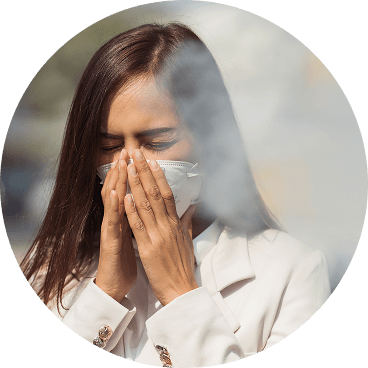
- Wear an N95 if OutsideFits snug to block fine particles — a cloth mask won't.


The Best Air Filter For Wildfire Smoke
During smoke events, the EPA recommends upgrading to a MERV 13 filter — or the highest-rated filter your system can handle — to help reduce the fine particles smoke brings indoors. MERV 13 is the level most home HVAC systems can run while still capturing PM2.5, the fine particulate that makes up the bulk of wildfire smoke.
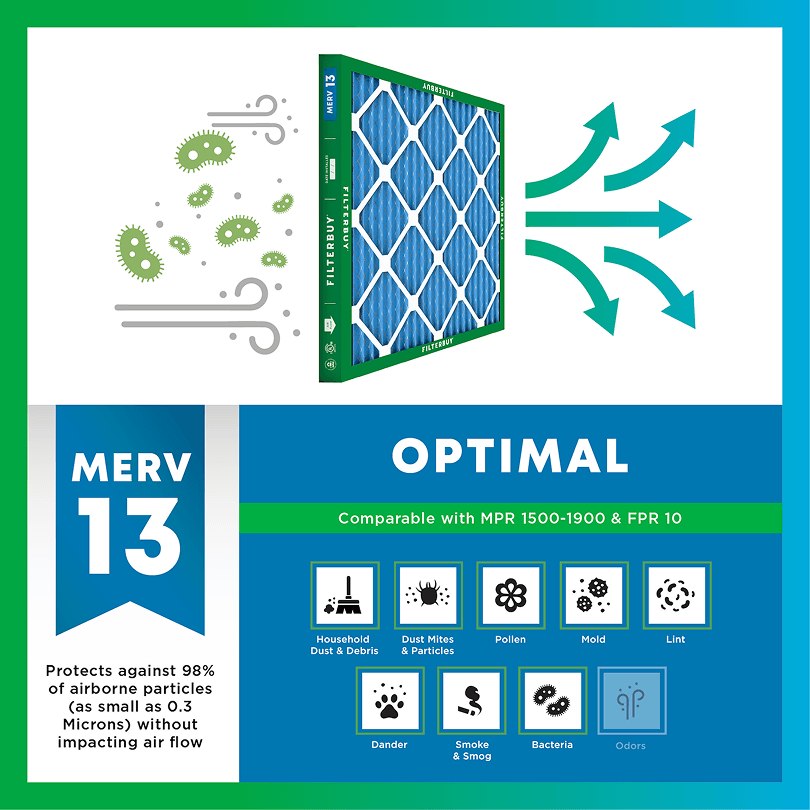
- Captures PM2.5 particles
- Blocks ash, soot, and smoke odor
- Keeps your indoor air safe—even when the outdoor air is dangerous
- Meets the EPA's recommended rating for filtering fine wildfire smoke particles.

Wildfire Smoke FAQs
Facts About Wildfires
Over 70,000 wildfires burn in the U.S. every year.
Wildfire smoke can travel 1,000+ miles, affecting states that aren't even near the blaze.
Exposure to wildfire smoke can worsen asthma, trigger heart issues, and lead to ER visits.
Indoor air can hold more fine particles during wildfire events unless it's properly filtered.
The EPA advises using MERV 13 filters or portable HEPA air cleaners during wildfire smoke events.
Don't Wait Until The Smoke's Inside.
Use the live wildfire smoke tracker and upgrade your air filters today to protect your lungs and your home.
Shop Filters For Smoke Protection
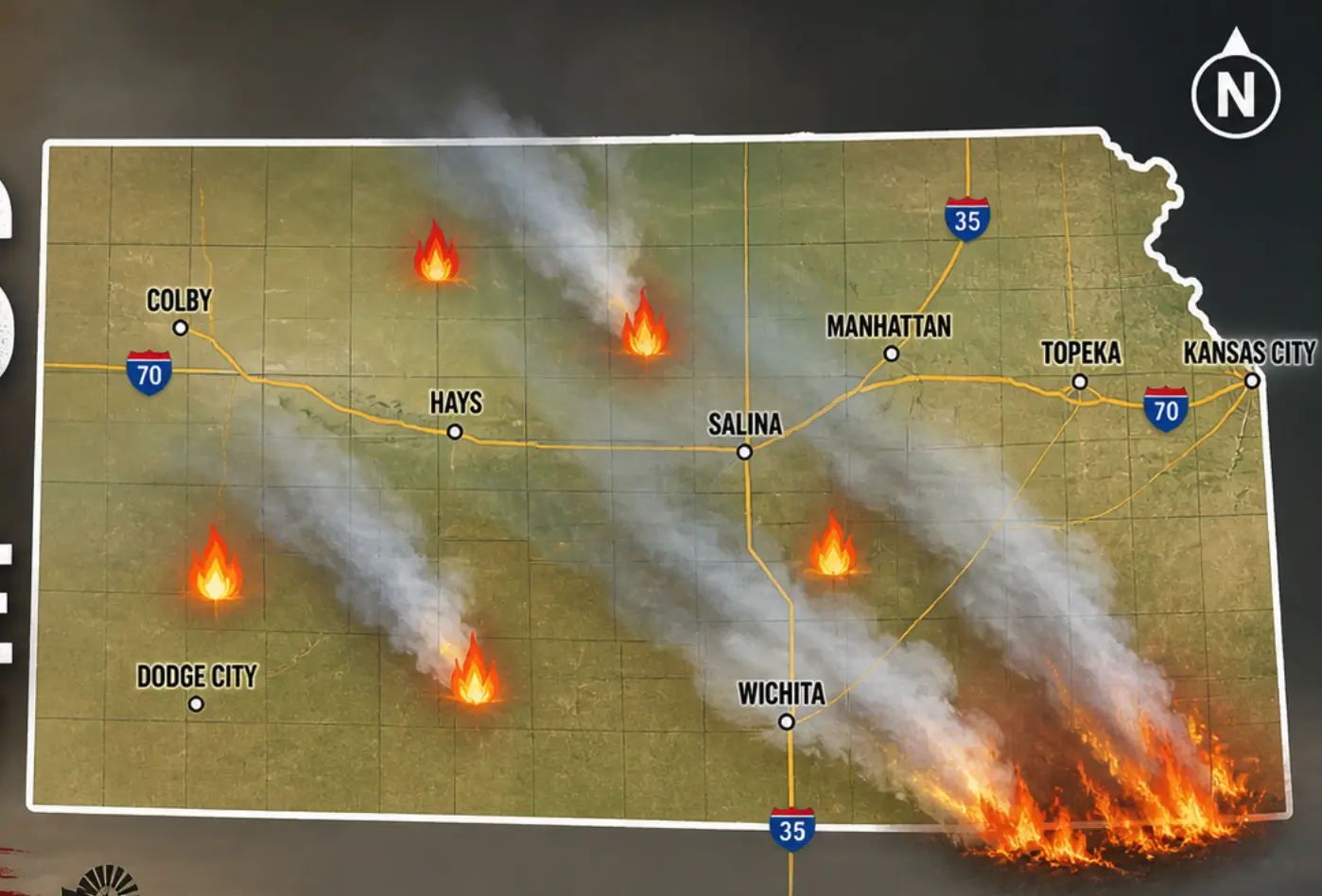
Current Live Forest Wildfire & Smoke Map Today Kansas: Is Your Area at Risk Right Now?
Wildfire smoke can reach Kansas from in-state fires or distant events. In this blog, we’ll show how to check live smoke in your area, when to ease up outdoors, and simple steps to keep indoor air cleaner.
Takeaways
Check the AirNow Fire & Smoke Map in the morning and after wind shifts.
At AQI 101+, scale back outdoor exertion; higher-risk groups should stay inside more.
Indoors: close windows, set HVAC to recirculate, and use the highest MERV your system can handle (MERV 13 if airflow stays normal).
How to Check Live Smoke in Kansas
Go to the AirNow Fire and Smoke Map (fire.airnow.gov). Enter your city or ZIP code or move the map to your area. You’ll see:
Current AQI category
PM2.5 readings from monitors and sensors
Active fire points
Satellite smoke plumes
Kansas health advisories direct residents to this map because conditions can go from “moderate” to “unhealthy” in a single afternoon.
Check more than once. Light east or northeast flow has pushed Canadian smoke into Kansas and kept it in place for a day or two, and agencies warned AQI could change within hours.
How Smoke Moves in Kansas
Kansas can see smoke from in-state grass and range fires, but a lot of recent poor air days have come from long-distance transport. Canadian wildfire smoke has reached central and eastern Kansas, including Wichita, Topeka, and Kansas City, and pushed air into “Unhealthy for Sensitive Groups” and in some cases “Unhealthy.”
When that happens, state guidance has included:
Limit strenuous outdoor exercise
People with asthma or heart/lung problems should stay indoors more
Get medical attention if you feel short of breath, tight in the chest, or unusually tired
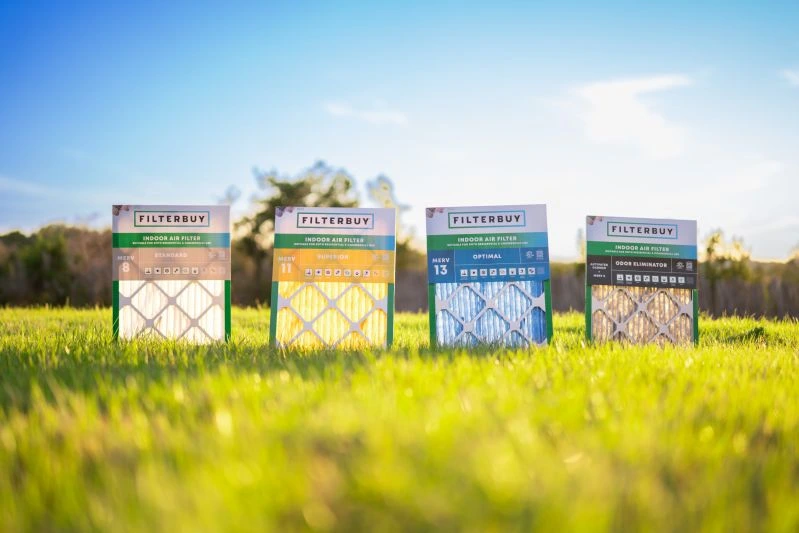
Image of Filterbuy 20x20x5 HVAC air filters in various MERV ratings lined up on a kitchen counter.
Indoor Air Protection
These are the core steps from EPA and state health guidance.
Close it up: Keep windows and doors closed. Don’t bring in outdoor air unless you must for safety or cooling. Run your HVAC on recirculate so you’re not pulling smoky air in.
Keep the fan running: Set the thermostat fan to “On,” not just “Auto,” so air keeps moving across the filter. This gives the filter more chances to grab smoke particles.
Use a higher-MERV filter: On normal days you may use MERV 8 or MERV 11. During smoke, move to MERV 13 or higher if the system can still keep normal airflow and comfort. Higher MERV filters catch more fine smoke particles. If rooms feel stuffy or airflow drops, go back to the lower MERV your system can handle.
Make one cleaner room: Pick a bedroom or main living area, keep that door closed, and run a HEPA air purifier sized for that room. EPA calls this a “clean room.”
DIY backup: No HEPA? You can tape a high-efficiency (MERV 13 or similar) filter to the intake side of a 20" box fan. Use a newer fan (2012 or later) with a safety mark. Replace the filter when it looks loaded.
When Air is Unhealthy
When AQI is above 100, Kansas health officials tell people to ease up on strenuous outdoor work or exercise, and higher-risk groups (kids, older adults, anyone with asthma or heart/lung issues) are told to stay indoors more until air improves.
If you need to be outside in heavy smoke, use a well-fitting N95 or P100 respirator. These are made to protect your face and filter fine smoke particles. Cloth masks and loose surgical masks are not built for wildfire smoke.
In the car, keep windows closed and set A/C or climate control to recirculate so you’re not constantly pulling smoky air from outside into the cabin.
Filter Checks and Replacement
During smoky periods, don’t just wait for your usual change date. Pull the HVAC filter and look at it.
Replace early if:
The filter media looks dark or matted
Airflow from supply vents feels weak
You notice a trapped smoke odor
EPA notes filters load faster in wildfire smoke and may need to be swapped more often until outdoor air clears.
Do the same with a HEPA purifier or DIY box-fan filter. If the intake side is visibly coated, change it.
Need Replacement Filters? Check Filterbuy Now!
Filterbuy offers pleated HVAC and AC filters in MERV 8, MERV 11, and MERV 13. Filters are made in the USA, come in standard and custom sizes (including 1", 2", and 4" thicknesses), and ship fast with free U.S. shipping. Filterbuy also has Odor Eliminator (activated carbon) filters for smoke odor.
During smoke days in Kansas, use MERV 13 if your system can still move air normally and keep comfort the same. If not, stay with the highest MERV your system can handle and keep the fan running so air keeps passing through the filter.