
Madera, CA Live Wildfire Smoke Map
Get Alerts For Wildfires In Your Area
The moment a wildfire starts near you, you'll get an instant alert and simple tips to reduce your smoke exposure.
What's In The Smoke
30xSmaller than a human hair
Fine enough to reach deep into the lungs. A MERV 13 is built to capture it.
How Far It Travels


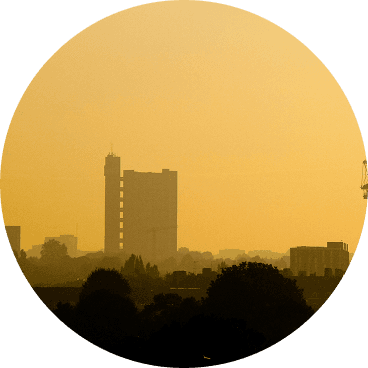
It Doesn't Stay Local
Smoke rides the wind far downwind — you can get smoky air with no fire nearby.
What To Do During A Smoke Event
Simple steps to reduce indoor exposure.
- Stay In, Close UpShut windows and doors to keep smoke out.
- Set Fan To "On"Keeps air cycling through your filter, not just when heating or cooling.
- Recirculate AirSwitch off fresh-air intake so you're not pulling smoke in.
- Run A MERV 13Built to capture the fine PM2.5 in smoke.
- Add A PurifierExtra filtration for the room you use most.
- Wear an N95 if OutsideFits snug to block fine particles — a cloth mask won't.


The Best Air Filter For Wildfire Smoke
During smoke events, the EPA recommends upgrading to a MERV 13 filter — or the highest-rated filter your system can handle — to help reduce the fine particles smoke brings indoors. MERV 13 is the level most home HVAC systems can run while still capturing PM2.5, the fine particulate that makes up the bulk of wildfire smoke.
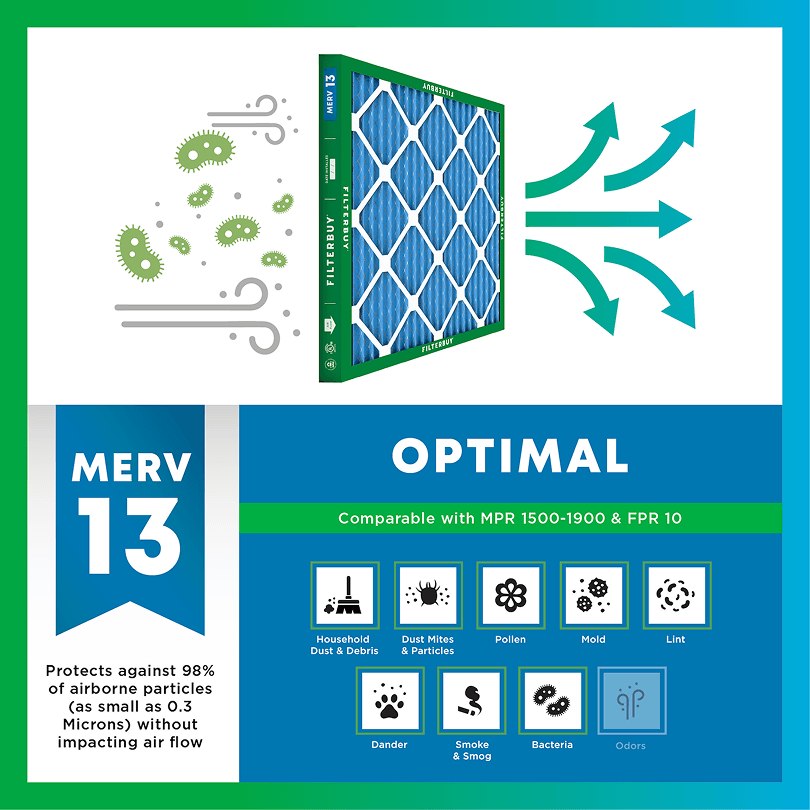

- Captures PM2.5 particles
- Blocks ash, soot, and smoke odor
- Keeps your indoor air safe—even when the outdoor air is dangerous
- Meets the EPA's recommended rating for filtering fine wildfire smoke particles.

Wildfire Smoke FAQs
Facts About Wildfires
Over 70,000 wildfires burn in the U.S. every year.
Wildfire smoke can travel 1,000+ miles, affecting states that aren't even near the blaze.
Exposure to wildfire smoke can worsen asthma, trigger heart issues, and lead to ER visits.
Indoor air can hold more fine particles during wildfire events unless it's properly filtered.
The EPA advises using MERV 13 filters or portable HEPA air cleaners during wildfire smoke events.
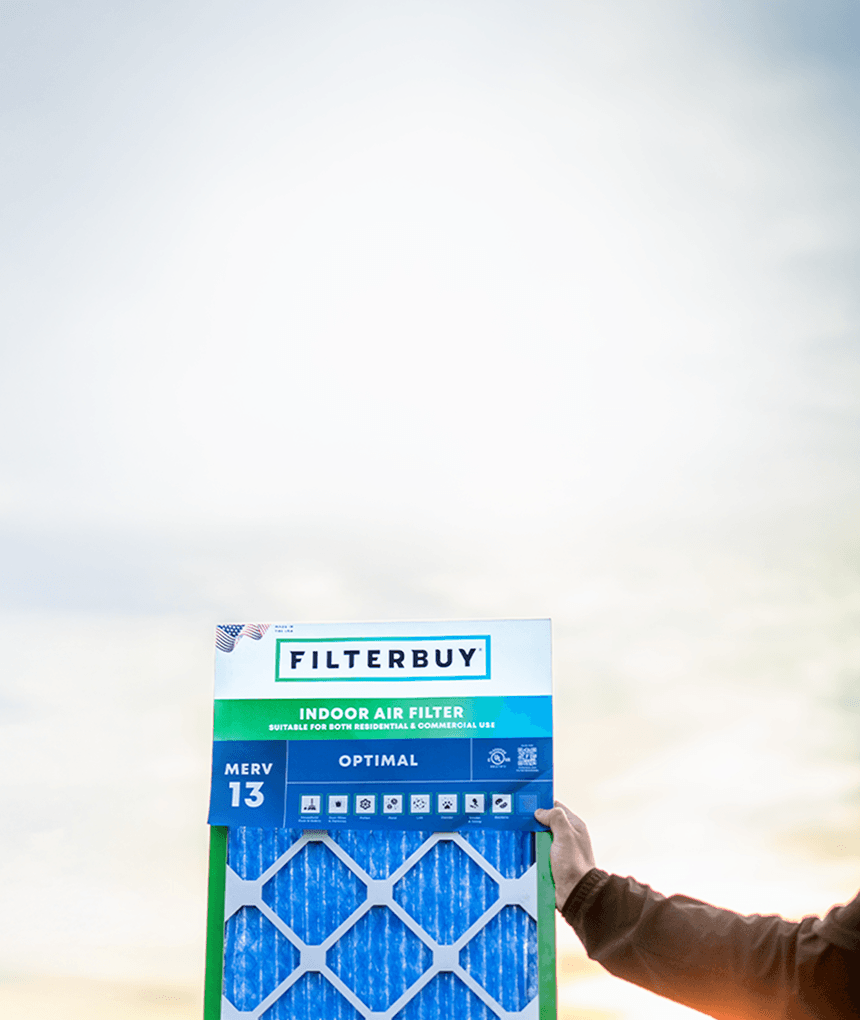
Don't Wait Until The Smoke's Inside.
Use the live wildfire smoke tracker and upgrade your air filters today to protect your lungs and your home.
Shop Filters For Smoke Protection
Live Forest Wildfire and Smoke Map in Madera, CA: Is Your Air Safe Right Now?
Madera sits close to the Sierra foothills and the San Joaquin Valley. That means smoke can come from two directions. Fires in the Sierra National Forest and nearby foothills can blow smoke toward town. Valley air can also hold smoke longer, especially on still mornings. Looking at the live smoke map is the fastest way to know what you are breathing right now.
Below is a version written for Madera, not for the whole state.
Key Takeaways
Look up the AirNow Fire and Smoke Map for “Madera, CA” at the start of the day and again if the wind changes or the sky looks hazy.
If AQI is over 100, keep kids, older adults, and anyone with asthma or heart or lung issues indoors more.
Keep windows closed, run A/C or HVAC on recirculate, and use the best MERV filter your system can handle. Make one room cleaner with a HEPA purifier.
Smoke can settle in the valley overnight, so check and replace filters sooner than your normal schedule after smoky days.
Why Madera Needs To Check More Than Once
Madera can get clear air in the morning and see smoke show up in the afternoon if winds push it off the foothills. On hot valley days the air can also sit and not move, so yesterday’s smoke can stay low. That is why one check a day is not enough in fire season.
How To Read Today’s Smoke
Open the AirNow Fire and Smoke Map.
Type “Madera, CA.”
Tap the monitor closest to you to see AQI and PM2.5.
Turn on the smoke layer and pan toward the Sierra to see if a plume is moving toward the valley.
If you see smoke bands east of Madera on the map, plan for worse air later in the day.
Tips To Improve Indoor Air For Valley Homes
Keep Outdoor Air Out
Close windows and exterior doors. Set central A/C or HVAC to recirculate. If your thermostat or system has a “fresh air” or “ventilation” setting, turn it off during smoke.
Do Not Run Evaporative Coolers
Swamp coolers pull outside air indoors. Turn them off during smoke. Use central A/C, mini-split, or window units to recirculate instead.
Run The Blower To Filter More Air
Switch the fan setting to ON during smoky hours so more indoor air passes through the filter. Switch back to Auto when air improves.
Use The Highest MERV Your System Can Handle
Most homes use MERV 8 or 11 daily. You can use MERV 13 on smoke days if airflow at the vents stays normal. If your cabinet allows it, a 2-inch or 4-inch pleated filter holds more smoke than a 1-inch filter.
Seal Easy Leak Paths
Close fireplace dampers. Check that the filter fits snugly in the rack so air does not bypass the media. Add a simple door sweep to the most-used exterior door. For short events, a rolled towel at the door base helps.
Make One Cleaner Room
Choose a bedroom or family room. Keep the door mostly closed and run a True HEPA purifier there. If using a box-fan filter, use a newer fan, tape the filter to the intake side, and do not leave it unattended.
Limit Indoor Sources
Skip candles and incense. Keep the stovetop frying brief and use the range hood only as needed. Keep bathroom exhaust running short, so you do not pull smoky air inside.
After The Episode
Wipe hard surfaces with a damp cloth and vacuum with a HEPA vacuum. Check the HVAC filter and replace it early if it looks dark or matted.
Outdoor Plans For Sensitive People
Check the map first, then plan errands, field work, and sports for the cleaner part of the day. Once AQI passes 100, move activity indoors for children, older adults, and anyone with asthma or heart or lung disease. If you must be outside in heavier smoke, use a well-fitting N95 or P100. In the car, keep windows up and set the A/C to recirculate.
Filter Check After Smoke
After one or two smoky days, pull the HVAC filter and look at it. Replace early if:
the filter surface looks dark or streaked
the house smells smoky when the A/C starts
air from the vents feels weaker
Do the same with room purifiers or DIY filters. Madera’s valley air can make them dirty sooner than the usual 60 or 90 days.
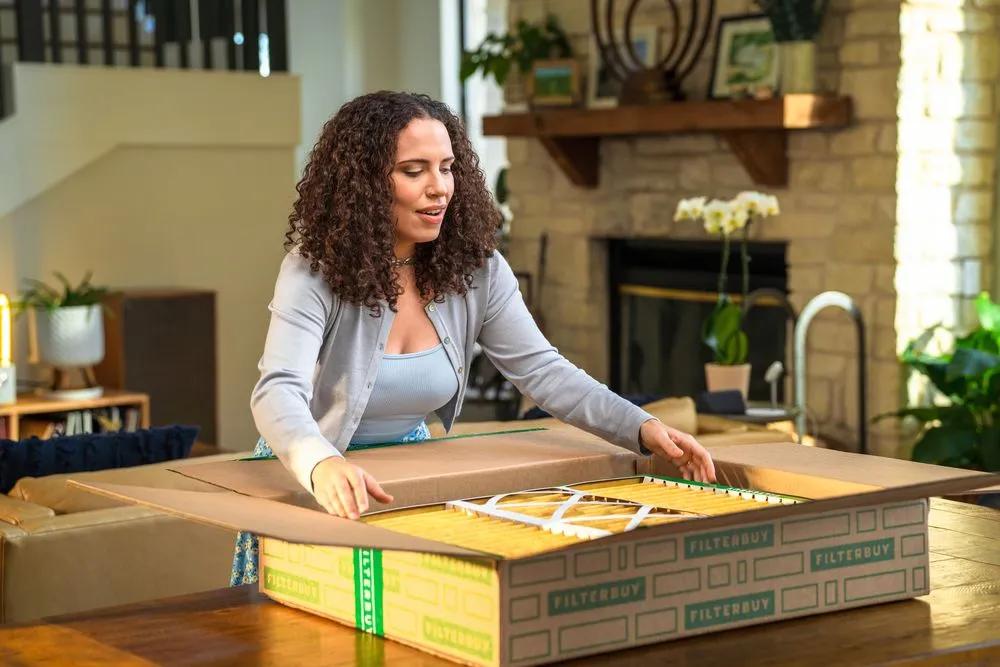
Order Filters For Madera Smoke Days From Filterbuy
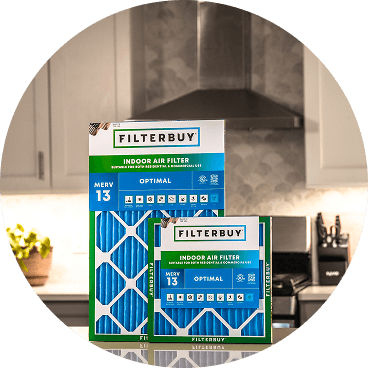
Homes in Madera often run A/C, deal with dust, and now and then deal with wildfire smoke. That is hard on thin filters. Filterbuy has pleated HVAC filters in MERV 8, MERV 11, and MERV 13, in standard and custom sizes so the filter seals in the return. Filters are made in the USA and ship fast with free delivery. You can set Auto Delivery so there is always a clean filter ready before the next smoky afternoon.
Frequently Asked Questions
How do I see today’s smoke for Madera?
Open the AirNow Fire and Smoke Map, enter “Madera, CA,” and turn on the smoke layer. Check again if wind or visibility changes.
Why is it smoky when no fire is near town?
Smoke often drifts from the Sierra foothills or the Sierra National Forest. Valley geography can hold smoke in place, especially in the morning.
Do morning inversions affect Madera?
Yes. Cool air can trap smoke near the ground at sunrise. Air often improves after the day warms and mixes.
What AQI should make me move activities indoors?
When AQI is over 100, limit outdoor exertion, especially for children, older adults, and people with asthma or heart or lung conditions.
Should I run the swamp cooler during smoke?
No. Evaporative coolers pull outside air indoors. Use central A/C, mini-splits, or window A/C on “recirculate” instead.
What HVAC setting should I use?
Close windows and doors and set the system to recirculate. If your thermostat has a ventilation setting, turn it off during smoke.
Which filter should I use?
Use the highest MERV your system can handle without reducing airflow. Many homes use MERV 8 or 11 daily and step to MERV 13 during smoke if comfort and airflow stay normal.
Do I need a HEPA room purifier?
It helps to keep one bedroom or family room cleaner. Run a True HEPA purifier and keep that door mostly closed.
Why did my filter get dirty after one smoky day?
Valley dust plus wildfire smoke can load a 1-inch filter quickly. Check it after smoky periods and replace it early if it looks dark or airflow drops.
What should I do in the car?
Drive with windows up and set the cabin air to recirculate. That reduces how much smoky air enters the vehicle.