The moment a wildfire starts near you, you'll get an instant alert and simple tips to reduce your smoke exposure.
30xSmaller than a human hair
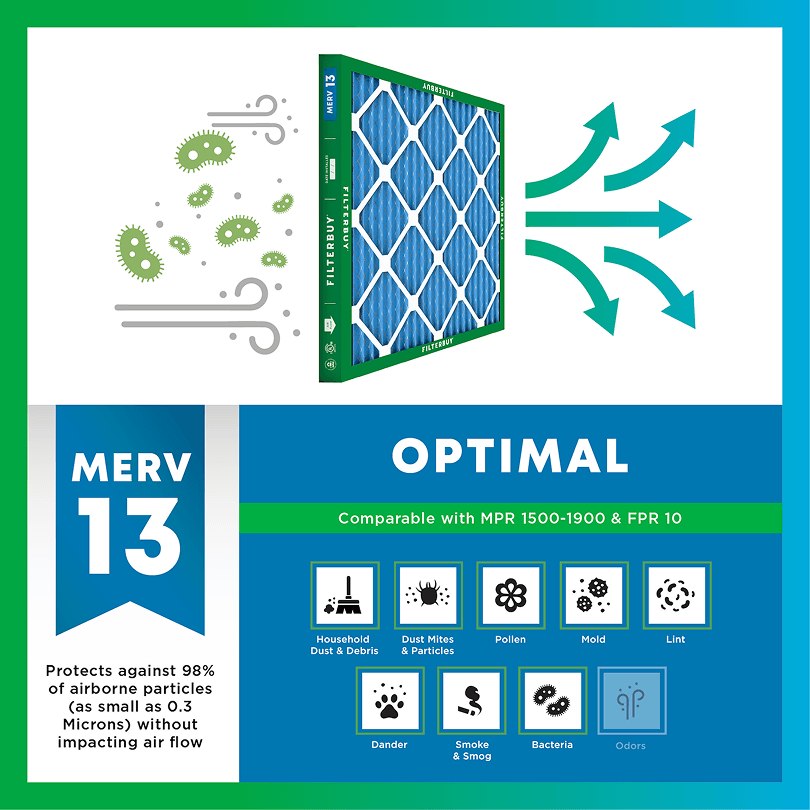
Fine enough to reach deep into the lungs. A MERV 13 is built to capture it.
It Doesn't Stay Local
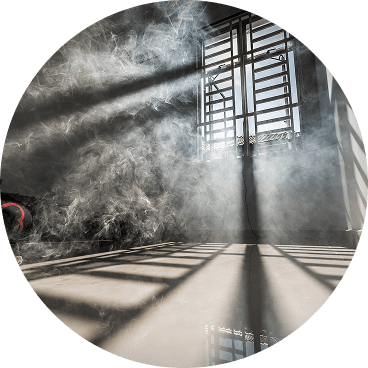
Smoke rides the wind far downwind — you can get smoky air with no fire nearby.
Simple steps to reduce indoor exposure.
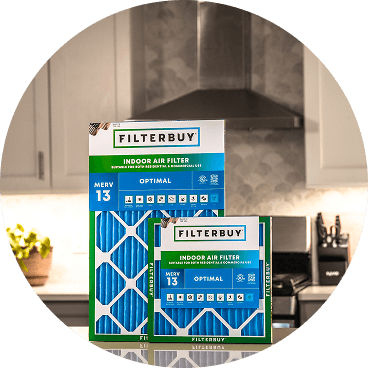
During smoke events, the EPA recommends upgrading to a MERV 13 filter — or the highest-rated filter your system can handle — to help reduce the fine particles smoke brings indoors. MERV 13 is the level most home HVAC systems can run while still capturing PM2.5, the fine particulate that makes up the bulk of wildfire smoke.

Over 70,000 wildfires burn in the U.S. every year.
Wildfire smoke can travel 1,000+ miles, affecting states that aren't even near the blaze.
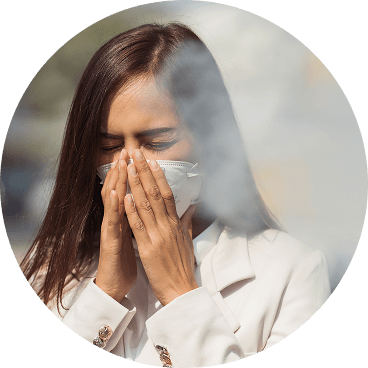
Exposure to wildfire smoke can worsen asthma, trigger heart issues, and lead to ER visits.
Indoor air can hold more fine particles during wildfire events unless it's properly filtered.
The EPA advises using MERV 13 filters or portable HEPA air cleaners during wildfire smoke events.
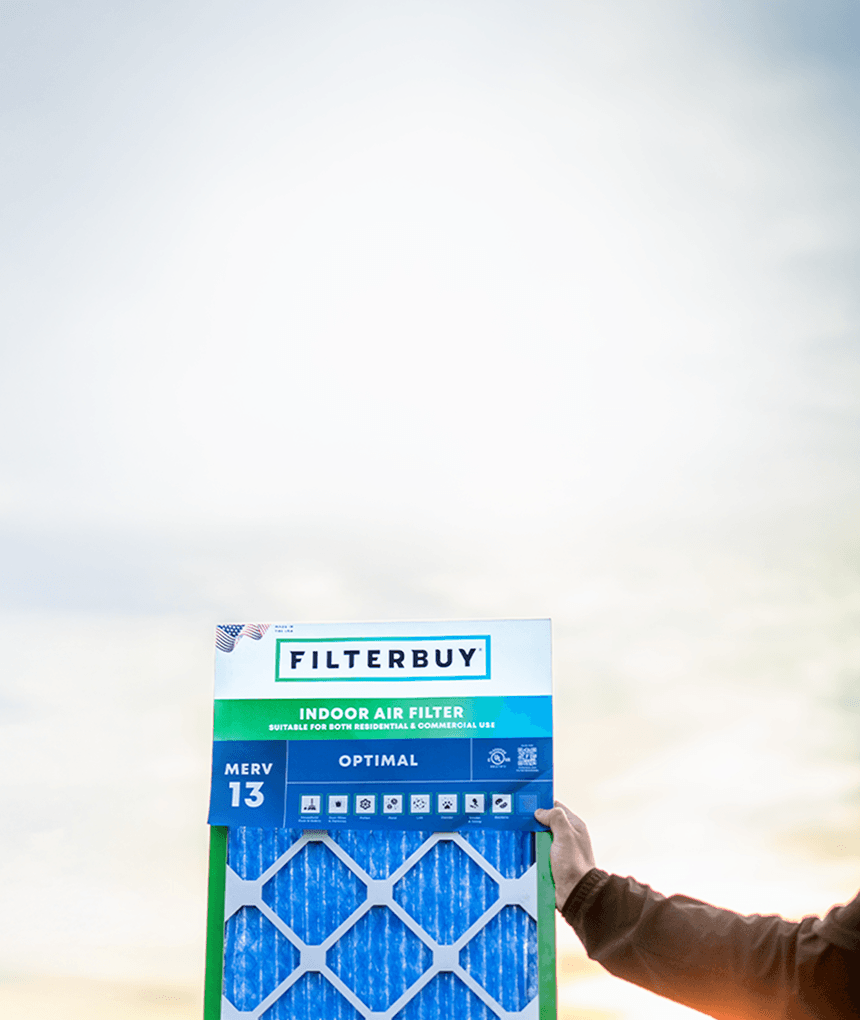
Use the live wildfire smoke tracker and upgrade your air filters today to protect your lungs and your home.
Shop Filters For Smoke Protection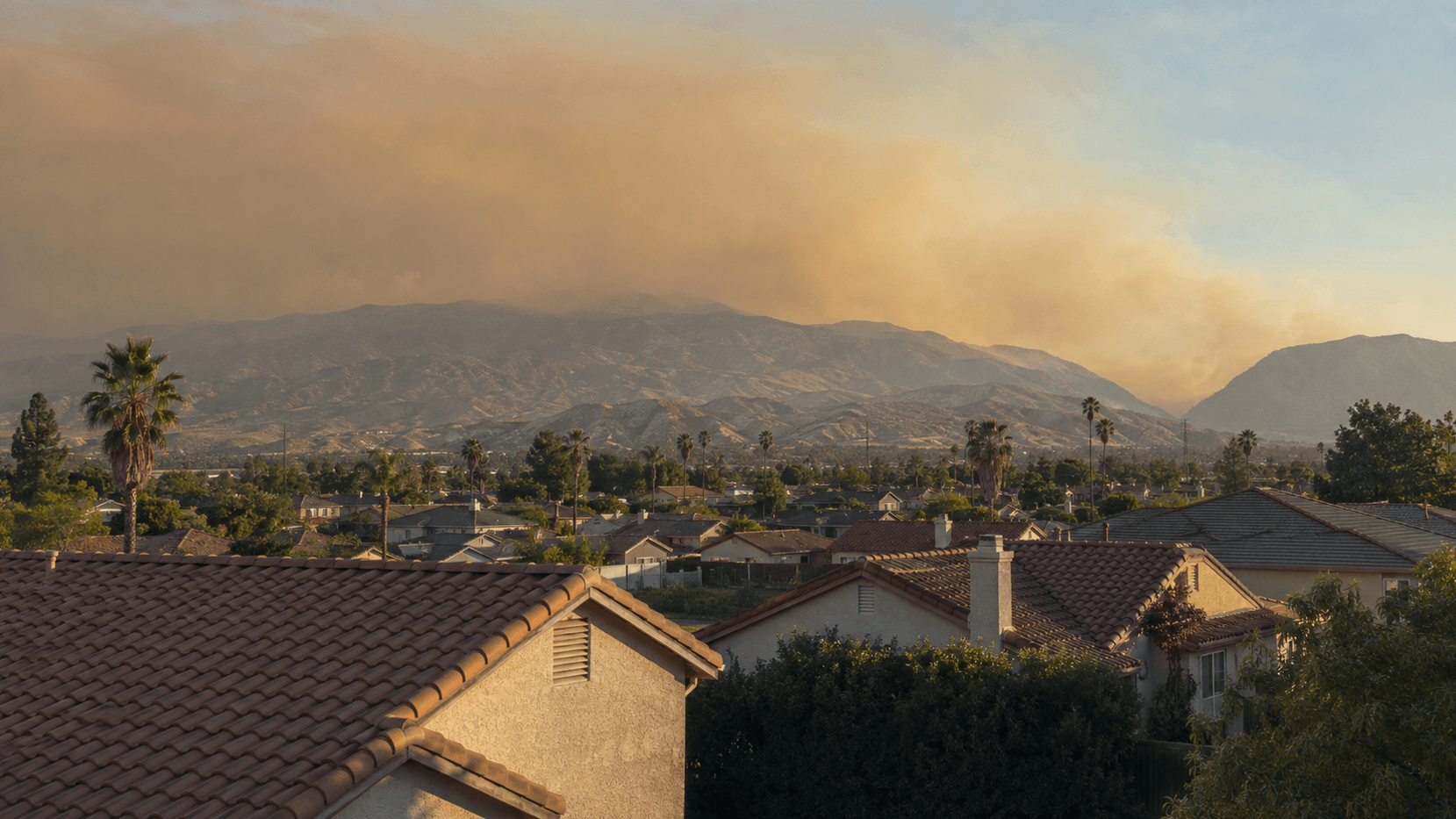
By Michelle Wan · Technically reviewed by David Clark, Licensed HVAC Technician · Published August 22, 2026 · Updated August 22, 2026
Fontana sits at the southern mouth of the Cajon Pass, which makes it one of the first Inland Empire cities to receive wildfire smoke from the San Bernardino National Forest and the high desert. The map below pairs fire perimeters with live PM2.5 readings, so you can see both the fire and the smoke heading your way. The EPA recommends a MERV 13 filter and a continuously running fan during smoke, which for most Fontana homes does more than anything else indoors.
Our map layers three data streams over Fontana, and each tells you something different. The red and orange shapes are fire perimeters reported by CAL FIRE and federal incident teams. Colored dots show ground-level PM2.5 from regulatory monitors and low-cost neighborhood sensors, the same blend behind South Coast AQMD's neighborhood-scale air quality map. Gray shading is modeled smoke density overhead, which often has little to do with what you breathe at street level.
Those layers run on different clocks. Perimeters update once or twice a day while sensors refresh hourly or faster, so when they disagree, trust the sensors for now. For the national picture, the AirNow Fire and Smoke Map combines both.
Fontana sits at the outlet of the Cajon Pass, so smoke arrives from fires well outside the city, in two separate seasons.
MERV 13 is the working default during a smoke event, and the filter's appearance tells you when to change it better than the date does.
San Bernardino County ranks worst in the nation for ozone, so treat the moderate AQI band in Fontana as an action point rather than a comfortable middle.
A gray plume overhead does not mean smoke at street level, and a clean sky does not mean clean air. The sensor dots settle it.
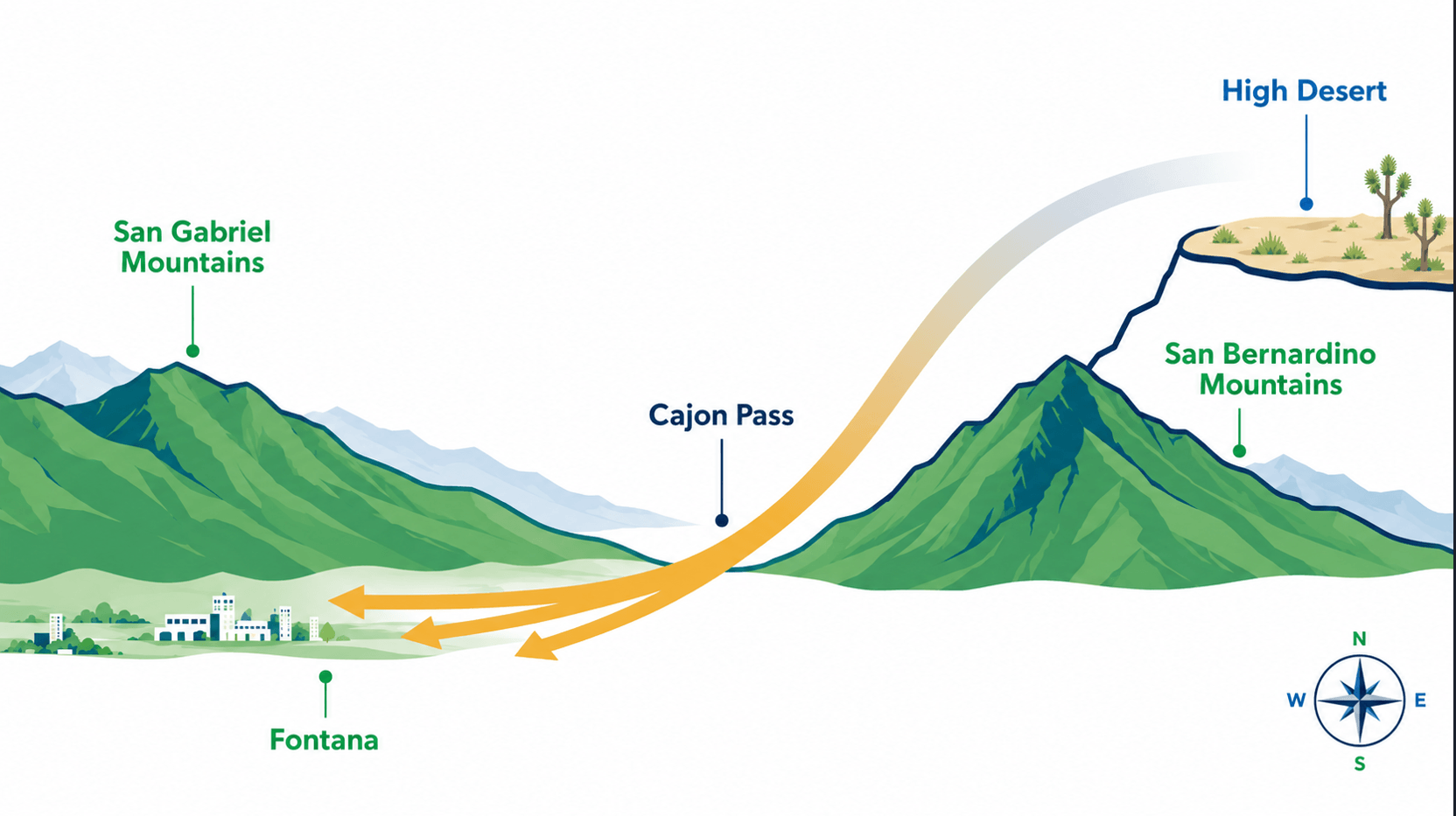
Smoke reaches Fontana through the Cajon Pass, the gap between the San Gabriel and San Bernardino ranges that funnels high desert air into the Inland Empire. Santa Ana advisories routinely single out the pass and the foothills for the strongest gusts, and Fontana sits directly below that gap. The channel that makes Fontana a wind hotspot also makes it a smoke corridor.
That explains why the sky can look clear overhead while ash collects in the driveway. The source is a fire in the San Bernardino National Forest or beyond the pass rather than anything visible from the city.
Fontana has two smoke seasons rather than one, because smoke reaches the city from two directions at two different times of year. Most Southern California coverage treats fire season as a single autumn window.
Summer, roughly July through September, brings transported smoke from fires in Central and Northern California. It arrives high, spreads wide, and can sit over the Inland Empire for days without a single local fire burning near the city.
Santa Ana season runs September through May and peaks near December, according to National Weather Service forecasters. That is when the pass switches on and foothill smoke gets driven down into Fontana at ground level. The two windows overlap in early autumn, so check today's date against both.
Three kinds of particulate events reach Fontana, and each behaves differently on the map. Knowing which one you see tells you how quickly conditions will change.
| Scenario | Typical Source | Onset Speed | What The Map Shows First | Indoor Priority |
|---|---|---|---|---|
| Local Foothill Fire | San Bernardino National Forest, Lytle Creek drainage, north Fontana open space | Minutes to hours | A fire perimeter plus a sharp spike on the nearest sensor dots | Seal the house and switch the fan to On immediately |
| Transported Regional Smoke | Fires burning in Central or Northern California and across the Sierra Nevada | Half a day to several days | Gray satellite plume shading, often before ground sensors respond | Install MERV 13 ahead of arrival and keep spare filters on hand |
| Windblown Dust And Ash | Post-fire burn scars and dry soil lifted by Santa Ana winds | Minutes | A wind advisory and a PM10 spike with no nearby fire perimeter | Close the fresh air intake and avoid whole-house fans and swamp coolers |
A moderate AQI reading in Fontana starts from a higher baseline than the same number would elsewhere. San Bernardino County ranks first in the nation for ozone at a weighted average of 159.2 unhealthy days, and South Coast AQMD treats the Fontana site as a daily design value site for PM2.5, meaning readings here help define regional compliance. That is a regulatory signal that the city already sits at the high end of the basin for the pollutant smoke delivers.
Each band on the Air Quality Index carries a specific indoor action for a household running central heating and cooling. Read it alongside the sensor dots rather than the sky.
| AQI Range | Category | What It Means In Fontana | HVAC Filtration Action |
|---|---|---|---|
| 0–50 | Good | Uncommon in the Inland Empire outside post-storm days | Maintain your normal MERV 8 or MERV 11 replacement schedule |
| 51–100 | Moderate | Fontana's routine baseline, already elevated for fine particles | Sensitive households step up to MERV 11 or MERV 13 |
| 101–150 | Unhealthy for Sensitive Groups | Smoke advisory territory for the Inland Empire | Install MERV 13, set the fan to On, close the fresh air intake |
| 151–200 | Unhealthy | Everyone limits outdoor exertion, not only sensitive groups | Run MERV 13 continuously and set up a cleaner-air room |
| 201 and above | Very Unhealthy to Hazardous | Remain indoors and follow local emergency guidance | Inspect the filter daily and replace it as soon as it darkens |
Seal the house first, then filter the air already inside it. These six steps come from EPA wildfire smoke guidance and take under an hour.
Close windows and doors, then switch the fresh air intake to recirculate. For an evaporative cooler, cover the outside intakes with four-inch MERV 13 media or use it sparingly.
Install a MERV 13 filter, or the highest rating your system safely accepts. The EPA states most furnaces handle MERV 13 without equipment problems if it is replaced frequently.
Set the thermostat fan from Auto to On so it filters continuously, not only during heating or cooling.
Build a cleaner-air room where your household spends the most time, using a portable air cleaner sized for that space.
Stop adding indoor smoke. Skip candles, gas burners, frying, aerosol sprays, and vacuuming without a sealed HEPA vacuum.
Inspect the filter daily, and replace it once it appears dark brown or black, which often arrives before the interval printed on the package.
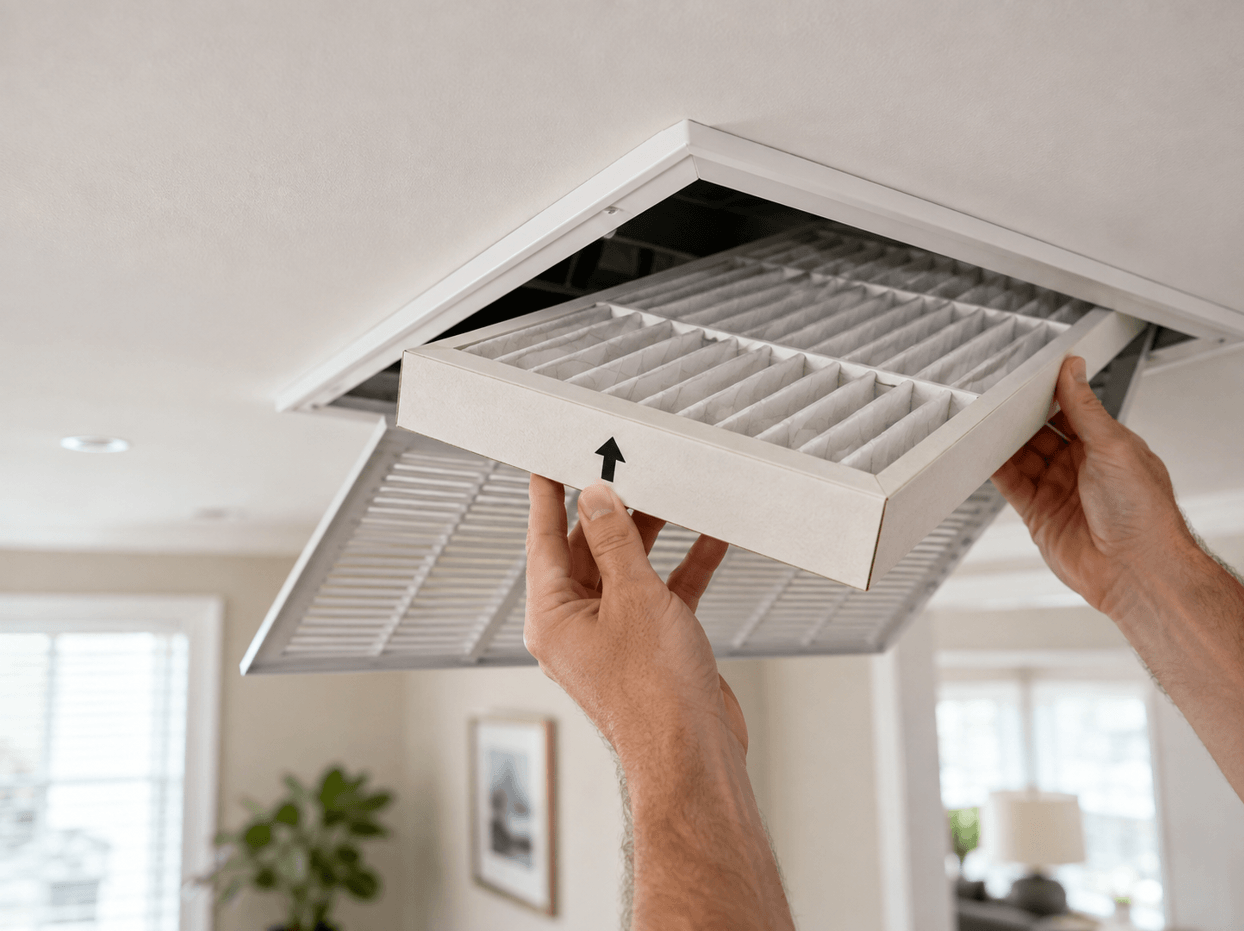
MERV 13 is the right filtration level for wildfire smoke in most homes. Smoke is dominated by PM2.5, particles fine enough to reach the lungs and bloodstream, so efficiency at the fine end matters more than dust-holding capacity, which is what the Minimum Efficiency Reporting Value scale measures. Below are the three residential tiers Filterbuy manufactures.
| Filtration Tier | Designed To Capture | Wildfire Smoke Performance | Recommended Use In Fontana |
|---|---|---|---|
| MERV 8 | Dust, lint, pollen, and larger household debris | Limited against PM2.5, the dominant smoke particle | Baseline protection on clear days only |
| MERV 11 | Dust, pollen, pet dander, and mold spores | A meaningful improvement over MERV 8 at the fine end | A reasonable step up when a system cannot accept MERV 13 |
| MERV 13 | Fine particulate matter including smoke and smog | The rating EPA guidance names for smoke events | The primary recommendation during any Fontana smoke advisory |
MERV 13 is not equivalent to True HEPA. HEPA media is built for sealed portable units rather than furnace slots, which is why EPA guidance points homeowners toward raising the central MERV rating and adding a portable HEPA unit in one room instead.
Our MERV 13 vs HEPA for wildfire smoke breakdown covers that tradeoff. For how pleated media works at the physical level, see the general reference on the air filter.
Fontana households are not starting from clean air. We have been manufacturing filters for over a decade and serving more than two million households, and we build every MERV 13 we sell rather than rebranding somebody else's media. When smoke comes through the Cajon Pass, the filter already sitting in the system decides how much of it your family breathes.
David Heacock, Founder and CEO of Filterbuy
Emergency department visits for asthma ran 17 percent higher than expected across the United States during the 19 wildfire smoke days recorded between April and August 2023, according to CDC surveillance of asthma emergency department visits during wildfire smoke.
A single four-inch MERV 13 filter raised a box-fan air cleaner's clean air delivery rate for wildfire smoke by 123 percent, and filters left in place until dirty were almost completely ineffective, per EPA laboratory research on MERV 13 filters and wildfire smoke removal.
San Bernardino County recorded a weighted average of 159.2 unhealthy ozone days and ranks worst in the nation for ozone pollution, as published in the American Lung Association State of the Air report card for San Bernardino County.
Check the sensor dots first, because ground-level PM2.5 describes what you are actually breathing. Plume shading only shows smoke somewhere overhead, and it can sit thousands of feet up without reaching street level. For an hour-by-hour reading, our live Fontana AQI map tracks the index alone without the fire layer.
Yes, with the fresh air intake closed or set to recirculate. Central air moves far more air through your filter than any portable unit. Avoid single-hose portable air conditioners, whole-house fans, and swamp coolers, which pull outdoor air in.
Inspect rather than schedule. A filter still inside its ninety-day window can be fully loaded after a run of smoke days, and EPA testing shows a loaded one does close to nothing. Keeping spare 20x25x1 MERV 13 air filters on hand stops a loaded filter sitting there while a replacement ships.
No. Pleated media captures particles, while odor is gas-phase and passes straight through it. Activated carbon media is what handles smell, and a standard pleated filter will not.
The best time to upgrade is before smoke arrives, not while it is already inside the house. We manufacture MERV 13 pleated filters in the United States in over 600 sizes plus custom dimensions, so there is a correct fit for nearly every Fontana system. Measure the filter in your return and order a multi-pack so a clean spare is always on hand. You can shop MERV 13 air filters by size and have them shipped free from our factory in Talladega, Alabama.
Michelle Wan is Brand Manager and Air Quality Writer at Filterbuy.
This page was reviewed for technical accuracy by David Clark, Licensed HVAC Technician.
Subscribe to wildfire smoke alerts for Fontana, CA, to get a heads-up before the next event reaches your area.