
Coconino, AZ Live Wildfire Smoke Map
Get Alerts For Wildfires In Your Area
The moment a wildfire starts near you, you'll get an instant alert and simple tips to reduce your smoke exposure.
What's In The Smoke
30xSmaller than a human hair
Fine enough to reach deep into the lungs. A MERV 13 is built to capture it.
How Far It Travels


It Doesn't Stay Local
Smoke rides the wind far downwind — you can get smoky air with no fire nearby.
What To Do During A Smoke Event
Simple steps to reduce indoor exposure.
- Stay In, Close UpShut windows and doors to keep smoke out.
- Set Fan To "On"Keeps air cycling through your filter, not just when heating or cooling.
- Recirculate AirSwitch off fresh-air intake so you're not pulling smoke in.
- Run A MERV 13Built to capture the fine PM2.5 in smoke.
- Add A PurifierExtra filtration for the room you use most.
- Wear an N95 if OutsideFits snug to block fine particles — a cloth mask won't.


The Best Air Filter For Wildfire Smoke
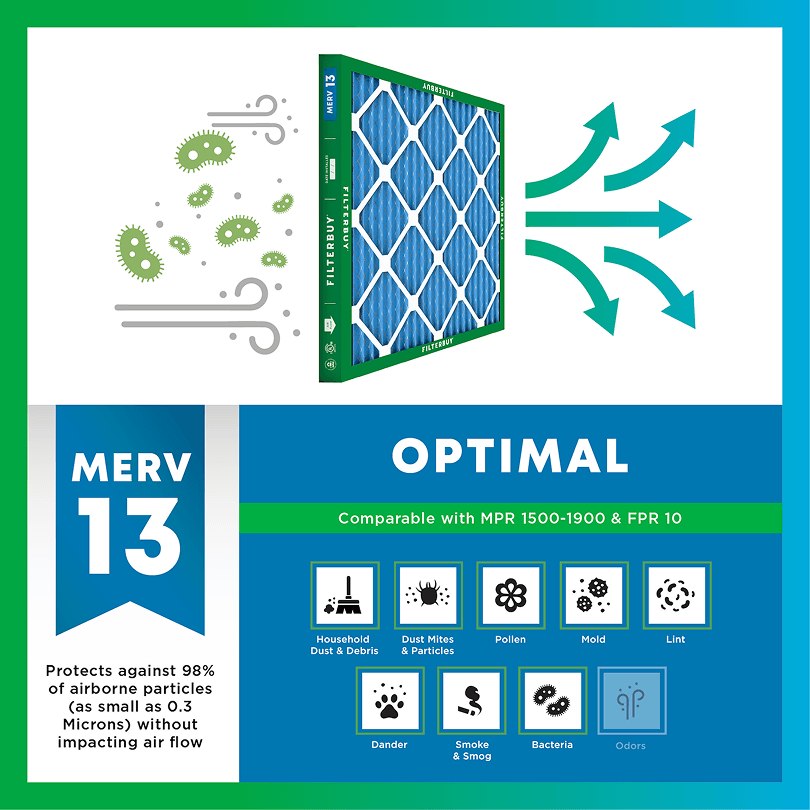
During smoke events, the EPA recommends upgrading to a MERV 13 filter — or the highest-rated filter your system can handle — to help reduce the fine particles smoke brings indoors. MERV 13 is the level most home HVAC systems can run while still capturing PM2.5, the fine particulate that makes up the bulk of wildfire smoke.
- Captures PM2.5 particles
- Blocks ash, soot, and smoke odor
- Keeps your indoor air safe—even when the outdoor air is dangerous
- Meets the EPA's recommended rating for filtering fine wildfire smoke particles.

Wildfire Smoke FAQs
Facts About Wildfires
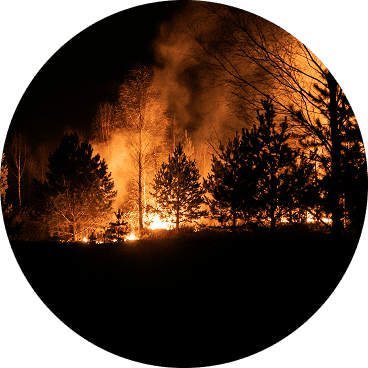
Over 70,000 wildfires burn in the U.S. every year.
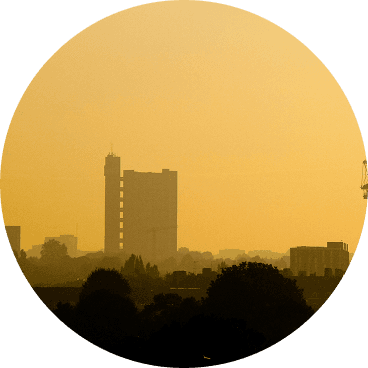
Wildfire smoke can travel 1,000+ miles, affecting states that aren't even near the blaze.
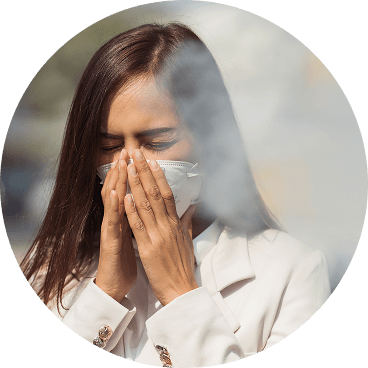
Exposure to wildfire smoke can worsen asthma, trigger heart issues, and lead to ER visits.
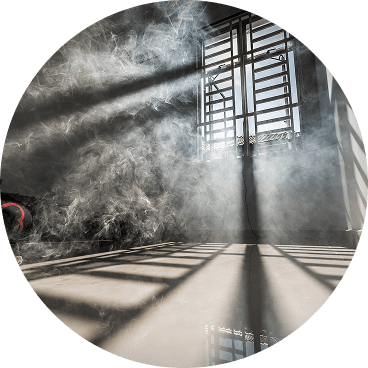
Indoor air can hold more fine particles during wildfire events unless it's properly filtered.
The EPA advises using MERV 13 filters or portable HEPA air cleaners during wildfire smoke events.
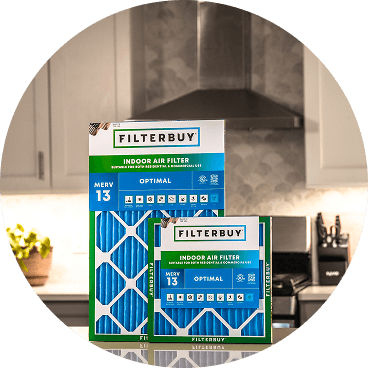
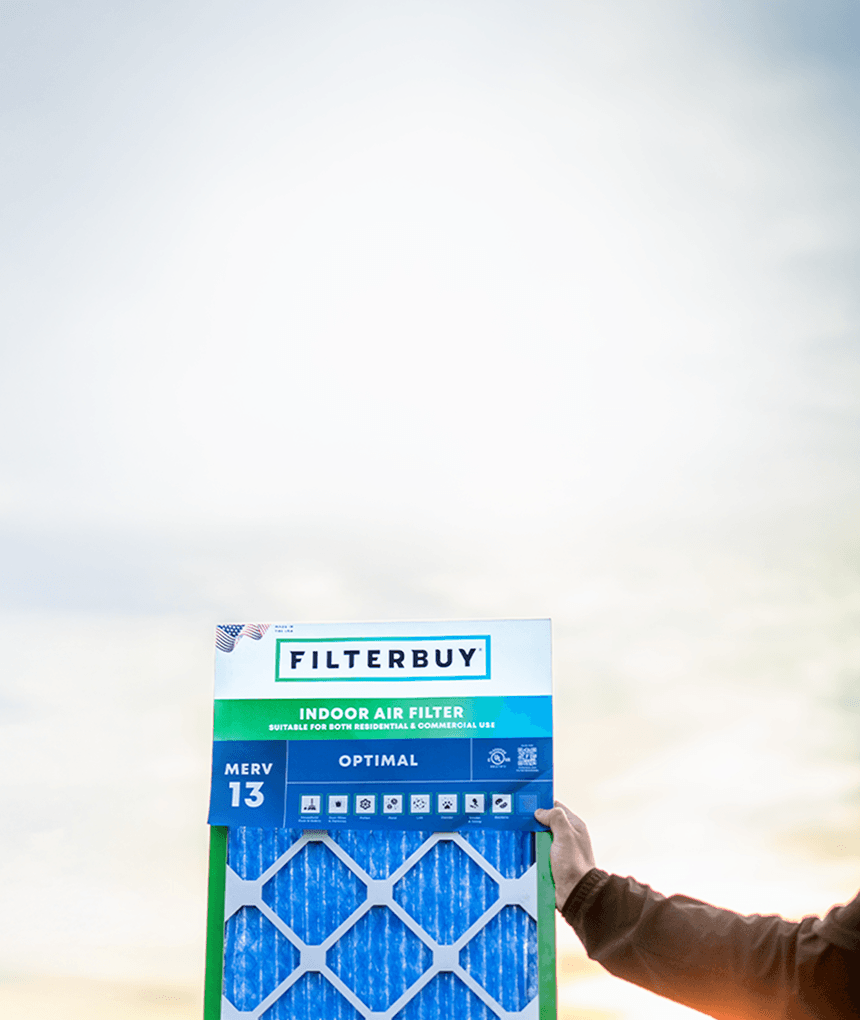
Don't Wait Until The Smoke's Inside.
Use the live wildfire smoke tracker and upgrade your air filters today to protect your lungs and your home.
Shop Filters For Smoke Protection
Live Wildfire and Smoke Map in Coconino, AZ
Coconino County spans high pine forest, canyons, and high desert. Smoke can arrive from local forest and range fires or drift across the Mogollon Rim, the San Francisco Peaks, and the Little Colorado River valley. Because wind and terrain shift conditions quickly, the live smoke map is the best way to see what you are breathing right now.
Below is a Coconino-specific guide: how to check today’s air, what local patterns matter, and what to do indoors and outside.
Takeaways
Map first: Check the AirNow Fire and Smoke Map for your area (Flagstaff, Williams, Page, Tusayan). Recheck if wind changes, outflow winds start, or haze builds.
AQI line: At AQI > 100, move exercise and kids’ time indoors. Sensitive groups should limit time outside.
Keep smoke out: Close windows and doors. Run A/C or HVAC on recirculate.
Right filter: Use the highest MERV your system can handle without hurting airflow. Keep a spare during fire season.
One cleaner room: Run a True HEPA purifier in a bedroom or main room and keep that door mostly closed.
Evap coolers: Turn swamp coolers off during smoke. They pull outdoor air inside.
In the car: Windows up. Cabin A/C on recirculate.
Afterward: Check the HVAC filter early. Replace if it looks dark, airflow feels weak, or the house smells smoky at startup.
How To Read Today’s Smoke For Coconino
Open the AirNow Fire and Smoke Map.
Enter your city or ZIP.
Tap the closest monitor to see AQI and PM2.5.
Turn on the smoke layer to see where plumes are moving.
Scan:
South and west along the Mogollon Rim for plumes moving toward Flagstaff and Williams.
North and east across the San Francisco Peaks and the Little Colorado corridor for smoke draining into lower valleys.
Oak Creek Canyon for channeling that can bring smoke toward Sedona and up toward higher elevations later.
If the plume edge is upwind of your town, plan for a decline in air later in the day.
Local Patterns To Watch
Morning inversions: Cool air can hold smoke in valleys at sunrise. Air often improves as the day warms and mixes.
Afternoon wind shifts: Upslope and downslope winds, plus passing fronts, can move smoke into areas that looked clear before lunch.
Monsoon outflow winds: Thunderstorm outflows can push smoke and dust long distances in the evening.
Prescribed fire windows: Seasonal burns reduce future risk but can create short-term local smoke. Check agency updates when you see small, steady plumes.
Indoor Tips That Work In Coconino
Keep Outdoor Air Out
Close windows and exterior doors. Set the central A/C or heat pump to recirculate. If your thermostat has a ventilation or “fresh air” setting, turn it off during smoke.
Do Not Use Evaporative Coolers
Swamp coolers bring outside air in. Turn them off during smoke. Use central A/C, mini-splits, or window A/C to recirculate.
Run The Blower To Filter More Air
Change the fan from Auto to ON during smoky hours so more indoor air passes across the filter. Switch back to Auto when air improves.
Use The Best Filter Your System Allows
Daily use is often MERV 8 or 11. On smoke days, step to MERV 13 only if airflow and comfort stay normal. If your cabinet allows it, a 2-inch or 4-inch pleated filter holds more smoke than a 1-inch.
Make One Cleaner Room
Pick a bedroom or family room. Keep the door mostly closed and run a True HEPA purifier there. A DIY box-fan filter can help in a pinch if built with a newer fan and watched while running.
Limit Extra Indoor Sources
Keep stovetop frying brief, avoid candles and incense, and keep bath and kitchen exhaust runs short so you do not pull smoky air indoors.
Outdoor Activity, Masks, And Driving
Plan yard work, sports, and trail time for the hours the map shows better air.
At AQI > 100, sensitive groups should move activity inside and everyone should reduce strenuous outdoor effort.
If you must be outside in heavier smoke, use a well-fitting N95 or P100 respirator. Cloth and loose surgical masks do not filter fine wildfire smoke well.
Driving: windows up, cabin A/C on “recirculate.” Choose fuel or rest stops where the map shows cleaner air.
Filter Checks And Cleanup After Smoke
Look at the HVAC filter after one or two smoky days. Replace early if the media looks dark or matted, if the house smells smoky when the unit starts, or if supply airflow feels weaker. Wipe hard surfaces with a damp cloth and vacuum with a HEPA vacuum. Check room purifiers and DIY filters and change when the intake side is visibly coated.

Choose Filterbuy For Coconino Smoke Days
Wildfire season here can flip between cool mornings and hot, windy afternoons. Running the system longer only helps if the filter fits and is clean. Filterbuy supplies pleated HVAC filters in MERV 8, MERV 11, and MERV 13, in standard and custom sizes for a tight seal, made in the USA, with fast free U.S. shipping. Turn on Auto Delivery so a replacement is on hand before the next wind shift or outflow event.
Frequently Asked Questions
How do I see today’s smoke for Coconino County?
Open the AirNow Fire and Smoke Map, enter your city or ZIP, and turn on the smoke layer. Check again if wind or storms change direction.
Why is it smoky if no fire is near me?
Smoke can drift from fires across the Mogollon Rim, the San Francisco Peaks, the high desert, or neighboring counties. Valleys can hold smoke when air is calm.
Do morning inversions affect Flagstaff and nearby areas?
Yes. Cool morning air can trap smoke near the ground. Air often improves after the day warms and mixes.
What AQI should make me change plans?
Once AQI is over 100, move workouts and kids’ time indoors. Sensitive groups should limit time outside.
Should I run a swamp cooler during smoke?
No. Evaporative coolers pull outside air indoors. Use central A/C, mini-splits, or window A/C on “recirculate.”
What HVAC setting should I use at home?
Close windows and doors and set A/C or heat pump to recirculate. Run the fan to On during smoky hours so more air passes through the filter.
Which filter should I use?
Use the highest MERV your system can handle without reducing airflow. Many homes use MERV 8 or 11 daily and step to MERV 13 during smoke if comfort stays normal.
Do I need a HEPA room purifier?
It helps to keep one room cleaner for sleeping or for someone with asthma. Run a True HEPA purifier and keep that door mostly closed.
Why did my filter get dirty after a single smoky day?
Smoke plus local dust can load a 1-inch filter quickly. Check after events and replace early if the media looks dark or airflow drops.
What about driving on I-40, US-89, or AZ-64?
Windows up and cabin air on “recirculate.” Plan fuel and rest stops in areas the map shows as cleaner and avoid long idling in smoky zones.